EVEN as the country works towards developed-nation status, it must not lose sight of its unique multicultural heritage, warn experts.
Malaysia’s indigenous tongues and community dialects, they stress, must continue to be preserved, especially among the young.
The issue has taken on renewed relevance amid recent attention on language mastery in schools (see infographic).
Citing language database Ethnologue, endangered language research expert Prof Dr Stefanie Shamila Pillai said an estimated 75% of Malaysia’s more than 130 languages are in trouble, with most of these being indigenous languages.
“What this means is that there is little or no transmission of heritage languages from older to younger generations.
“The nuances and knowledge that come with heritage languages may be lost, or may not be translated in the same way,” she told StarEdu.
Prof Stefanie, who serves at the Faculty of Languages and Linguistics at Universiti Malaya, noted that this could include knowledge of healing rituals, medicinal plants or concoctions, wedding and mourning traditions, as well as practices related to planting cycles and weaving traditions.
“This would constitute a personal loss, as well as a loss to communities and to the country, as Malaysia loses part of its cultural heritage when we lose languages or language varieties not spoken anywhere else in the world,” she said.
Agreeing, Penang Heritage Trust president Clement Liang said Kelate Malay, the Teochew dialect in urban Chinese areas, and Kristang are among the community dialects seeing dwindling influence and a decline in speakers among younger generations in the country, who are increasingly drawn away from their cultural roots towards standardised, uniform languages.
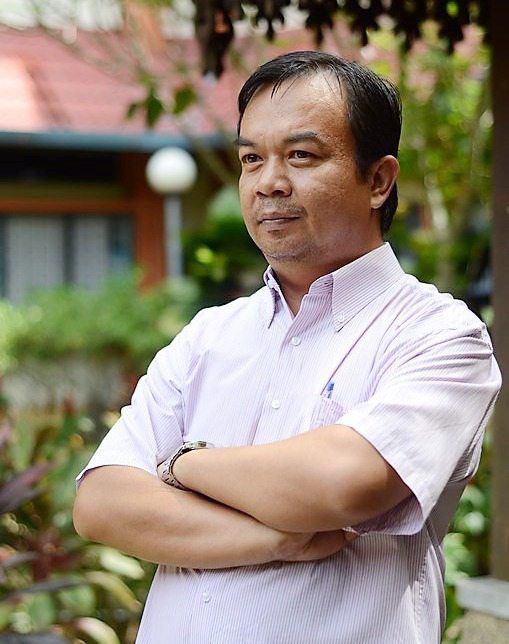
“Penang, with its multiethnic and dialect-rich society, has one of the most diverse subcultural groups in the country. Over the past decades, its Chinese population has seen a gradual decline in dialect use, especially its unique Penang Baba Hokkien, which has a rich, mixed vocabulary from other local languages,” he added.
Parent Action Group for Education Malaysia (PAGE) chairman Datin Noor Azimah Abdul Rahim emphasised the importance of community dialects in contributing to Malaysia’s cultural richness and diversity.
“These are qualities that are increasingly recognised as assets in a globalised world that values authenticity and heritage.
“Dialects carry not just words, but also identity, memory and culture. They preserve oral histories, idioms, humour and traditions that standardised languages often cannot fully capture,” she said.
Universiti Kebangsaan Malaysia Faculty of Social Sciences and Humanities senior lecturer Dr Mohammed Azlan Mis, who is also head of linguistics studies, said awareness of the need to preserve dialects is crucial to sustaining community and ethnic identities nationwide.
“Dialects must be carefully preserved by all generations and practised across different backgrounds, genders, socioeconomic levels, ethnicities and geographical areas. Schools should educate students on safeguarding and protecting dialects,” he said.
Action points
Liang urged schools to allow students to learn and practise different languages and dialects.
“Students should be encouraged to set up dialect clubs and carry out regular activities to promote appreciation.
“We need to encourage students to appreciate the beauty of linguistic diversity, which is the trademark and advantage of being Malaysians compared with monolingual countries,” he said.
On whether community dialects should be formally taught in schools, Prof Stefanie pointed to logistical challenges, even though this has been done for Semai, Iban and Kadazandusun.
“There is always the question of how to teach languages formally. There is also the question of which variety of a language to teach – this can cause issues among communities,” she explained.
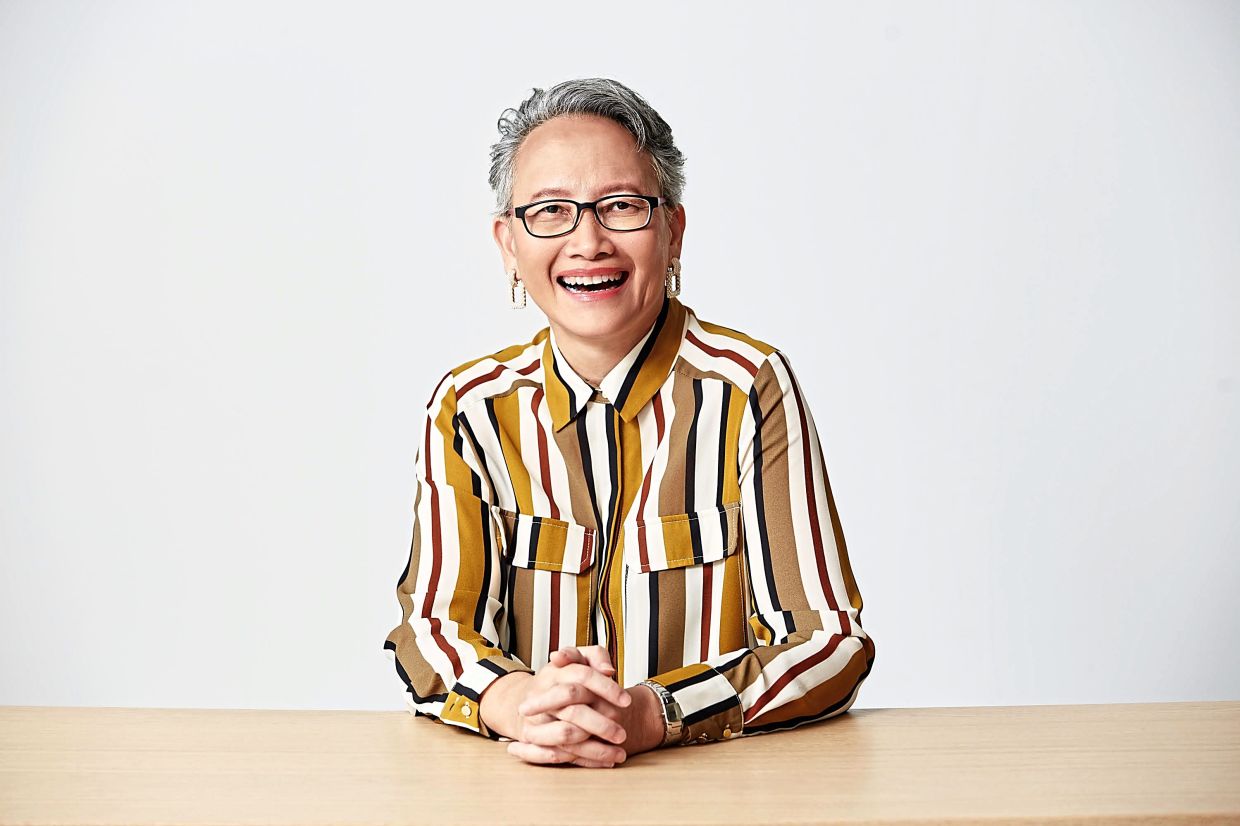
She also raised concerns about writing systems, standardisation, proficiency levels, teaching and learning resources, and training teachers who are fluent in the language.
“It would be more manageable if language researchers work with community members, with the support of government and private agencies, to develop community-based resources that encourage the use of heritage languages, such as at the preschool level or during holiday camps,” she said.
“What is important is the motivation to sustain the use of heritage languages among the younger generation, especially the youth,” she added.
In instances where heritage languages are introduced in schools, Prof Stefanie suggested taking a more informal approach.
“Focus on the spoken word and incorporate cultural and physical elements familiar to the children.
“The school environment could feature multilingual signs that include the language, creating a smoother transition from home to school and sending the message that the language is valued in an environment that often prioritises majority languages,” she said.
Mohammed Azlan said all parties, including individuals, communities and the government, play a role in preserving Malaysia’s dialect heritage.
“Among the strategies that can be implemented are activities outside the classroom that use dialects, special programmes related to regional languages or dialects in Malaysia, exhibitions, traditional games and sports featuring dialects, as well as language campaigns promoting Malay and its dialects,” he suggested, adding that families play a crucial role by using dialects at home.

“Every student should be exposed to dialect variations so that they are not seen as trivial, of low status or unimportant in their lives,” he opined.
Noor Azimah is of the view that schools can play a supportive role, but the primary responsibility still lies with families and communities.
“Dialects are home languages – they thrive when used in daily life, in conversations at the dinner table, and in community spaces,” she said.
She added that balancing dialect preservation with the need to maintain Malaysia’s competitive edge in global education lies in recognising that multilingualism is not just about functionality, but also about identity and belonging.
“Preserving dialects should not be seen as competing with global competitiveness; instead, it complements it.
“A student who speaks Bahasa Malaysia (BM), English, a mother tongue, and understands a dialect has not only linguistic dexterity, but also cultural empathy.
“These qualities are increasingly valued in global leadership, creative industries and diplomacy,” she concluded.