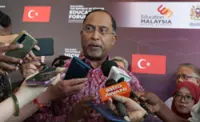
ALMOST three-quarters (72.4%) of Malaysia’s health and welfare sector comprise female graduates, making it the most women-dominated field in the country (see infographic).
Women, according to the World Economic Forum (WEF) Global Gender Gap 2024 Insight Report, also make up the majority of graduates in natural sciences, mathematics and statistics, education as well as arts and humanities.

Taylor’s University School of Medicine senior lecturer Dr Sapna Shridhar Patil said women have historically been over-represented in sectors of caregiving, nursing and informal healthcare due to a combination of sociocultural and personal motivations.
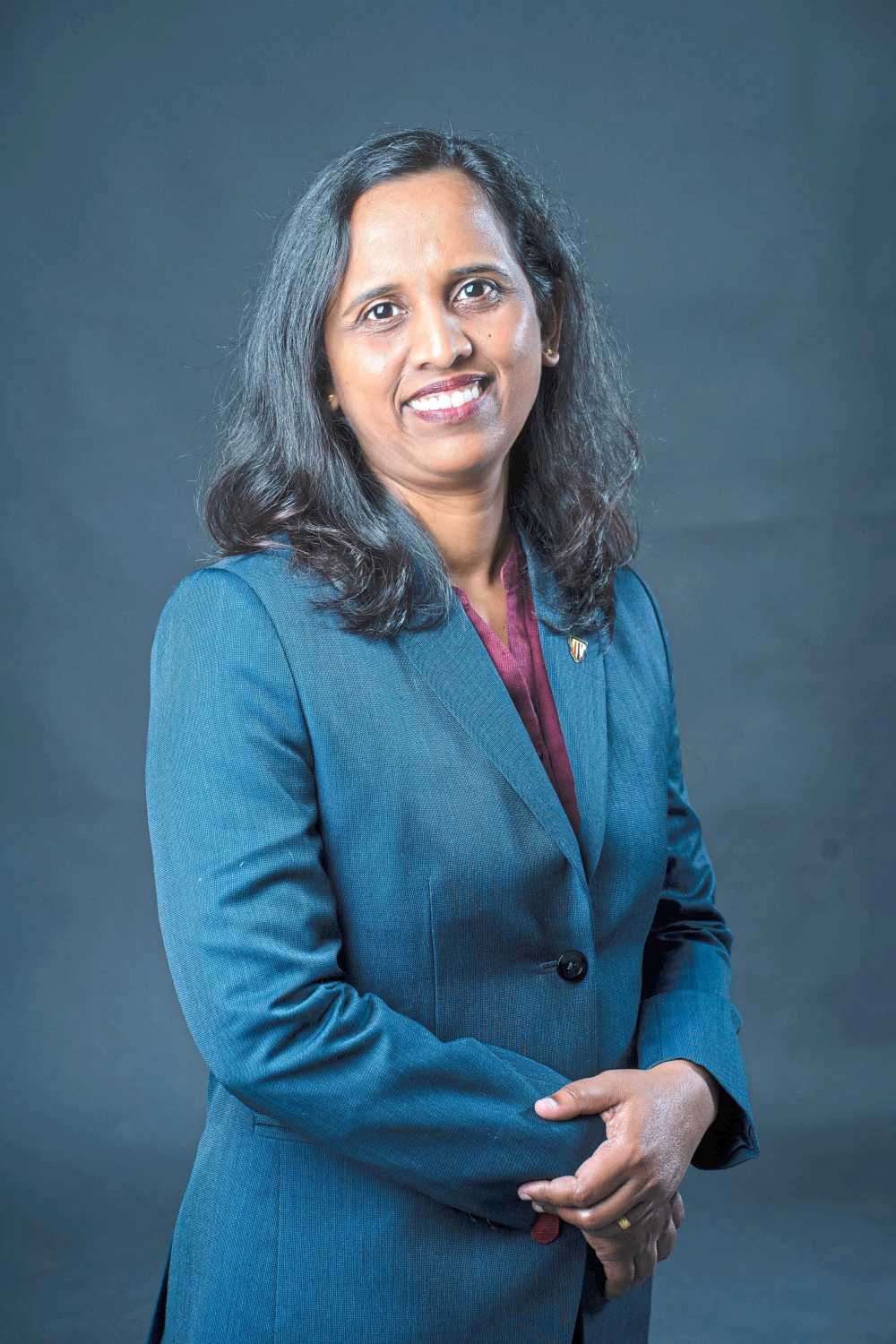
Additionally, she said women are often intrinsically motivated to help others, finding personal fulfilment and purpose in health-related roles.
These careers, she added, also offer structured pathways and job stability, further enhancing their appeal.
Men in healthcare, welfare
As for the underrepresentation of men in the health and welfare sector, Dr Sapna Shridhar said it stems from a mix of social, cultural and economic factors.
Similar trends have been reported elsewhere around the world.
Dr Sapna Shridhar said the lack of numbers is influenced by deeply rooted gender norms that socialise men to place less importance on communal or care-oriented work.
“However, in countries like China, Japan and Mexico, where communal values are more prominent, there is a relatively higher male presence in roles such as teaching and nursing,” she added.
She said this gender imbalance is contributing to the healthcare workforce shortage and limits team diversity – essential for responding effectively to varied patient needs.
“The academic and career choices reinforce occupational gender segregation, contributing to long-term labour market disparities,” she said.
Dr Sapna Shridhar said one reason men are needed in the sector is that they generally have greater physical strength, which can be advantageous in situations requiring patient mobility or emergency care,
“However, it is reductive to focus solely on this attribute.
“Male healthcare professionals can play a vital role in improving care for male patients, who may feel more comfortable discussing personal issues with a male caregiver.
“Their presence also offers crucial representation and role modelling, helping to normalise men in caregiving professions,” she said.
Citing an example, she said male professionals are particularly underrepresented in paediatrics, obstetrics and gynaecology, and among paramedical staff such as nurses and medical assistants.
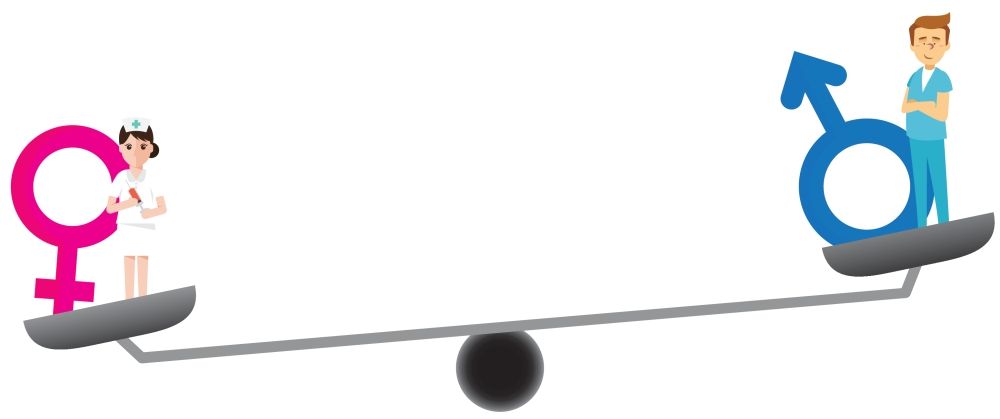
There are, however, some healthcare sectors that are more popular with men, she said.
These include becoming specialists and consultants in fields like surgery, orthopaedics or cardiology, and environmental health officers.
There has also been a noticeable increase in male participation in traditionally female-dominated roles like nursing, reflecting a shift in gender norms, said Dr Sapna Shridhar.
“Similarly, more men are entering fields such as physiotherapy, occupational therapy and diagnostic radiography,” she said, adding that there is also a growing interest among men in areas such as counselling, therapy, and substance abuse prevention.
“Increasingly, more male graduates are exploring areas where they can help tackle emotional and behavioural issues.
“With an increase in awareness about maintaining and preserving health, many men are also keen to work as personal trainers and athletic coaches, which align with careers related to nutrition and dietetics,” she shared.
Female dominance
According to Dr Sapna Shridhar, there is a global trend of increased female enrolment in medical and health sciences programmes, including at the Taylor’s University School of Medicine under the Faculty of Health and Medical Sciences.
“The female-to-male ratio of the Bachelor of Medicine and Bachelor of Surgery (MBBS) programme reflects a consistent trend of females outnumbering males at a ratio of 1.69:1,” she shared.
Although the Women in Global Health 2023 report shows that women make up more than 70% of the health workforce, some 75% of leadership roles are taken by men.
“This underscores missed opportunities in gender participation, especially in male-specific health concerns, and a leadership gap in representation.
“While strides have been made to encourage women to pursue traditionally male-dominated fields, there is a lack of initiative to support men entering fields perceived as ‘feminised’.
“Occupational segregation persists, underscoring the need to redefine these roles and highlight the value men can bring to caregiving,” she said.
Striking a balance
Awareness campaigns and community engagement platforms, Dr Sapna Shridhar suggested, can play a part in attracting more males to the fields of healthcare and welfare.
“They can challenge gender stereotypes and promote the value of male contributions to caregiving professions, without being stigmatised or discriminated against by society for choosing ‘feminised’ professions,” she said, adding that schools and colleges can also play a role by offering early exposure to health and welfare careers via workshops, open days and mentorship programmes.
“Financial incentives and scholarships for men entering underrepresented fields can also prove beneficial,” she offered.
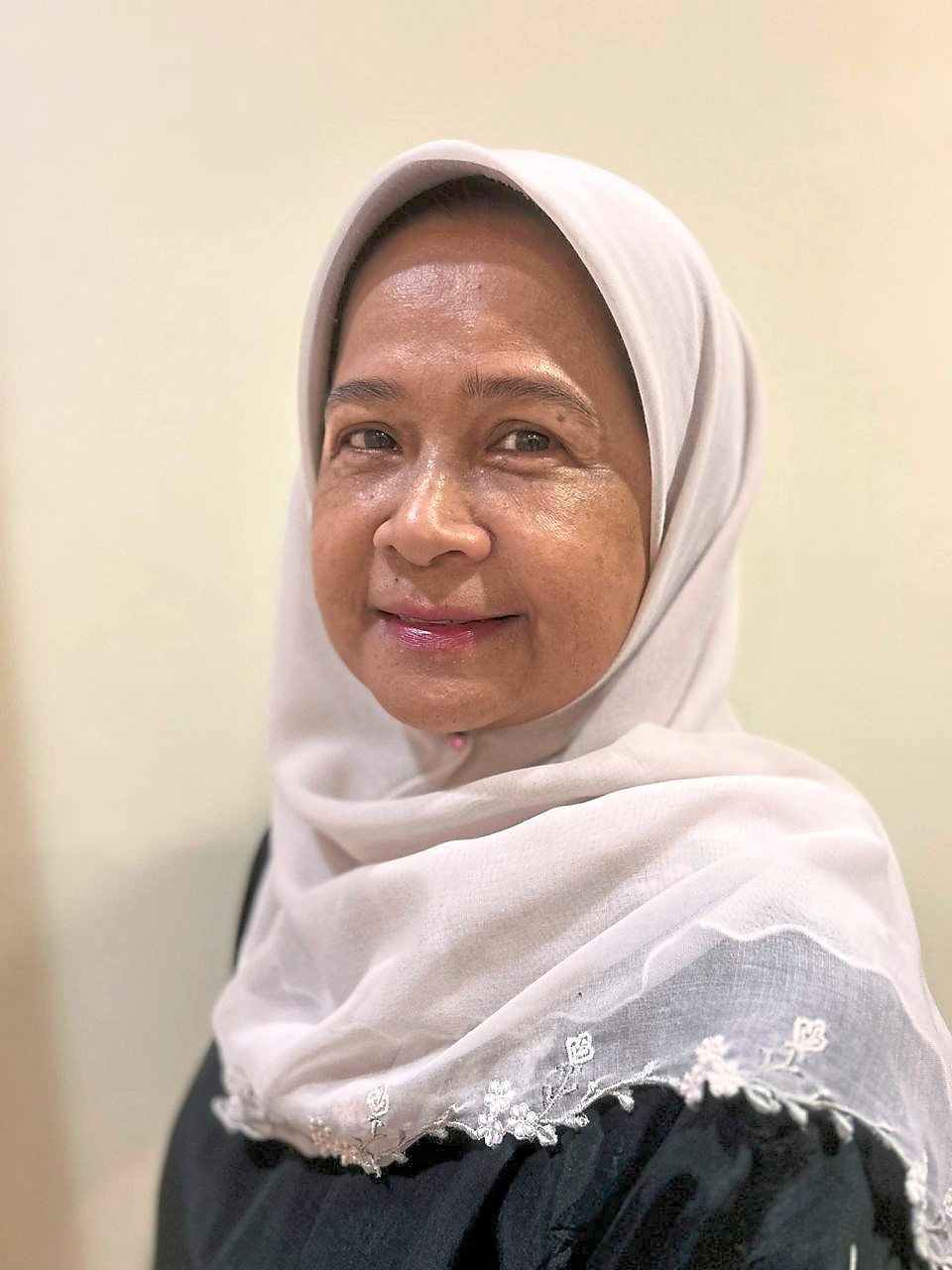
Universiti Malaya Faculty of Arts and Social Sciences gender studies programme coordinator Dr Ruhana Padzil said in Malaysia, like in many parts of the world, policies in recruitment for healthcare still do not encourage gender balance at the entry levels.
“From a young age, girls are usually socialised to be caring, empathetic and nurturing.
“Jobs in health services and welfare often require emotional labour, patience, love and care – characteristics traditionally related to women and gender norms or gender stereotypes,” she said.
She said universities can play their part by encouraging male students to join healthcare services, which can be done through health science career talks.
“We also need to normalise the notion that caregiving, empathy and patient care are human values and responsibility, not feminine traits,” she added.
Ultimately, said Dr Sapna Shridhar, gender diversity in health and welfare fields can enhance the dynamics of teamwork, improve the quality of patient care, and contribute to a more balanced and resilient healthcare system.
“Increasing male participation is not just about physical capability; it is also about enriching the profession with varied perspectives and skills,” she concluded.
Men make good caregivers too
We welcome more men to join nursing. There is a shortage of nurses and having more men would help to remove the stigma that only women can be nurses. Although some patients may not be comfortable with having a male nurse lift them, having more men in the profession can gradually reduce the stigma. Both genders can do this job equally well but we just have to get society used to seeing both men and women in nursing.
Nurse Nor Aishah, 30
We have a man on our team and he has been like a father figure to the children here. In children’s homes, at least, having men around is helpful, especially when it comes to handling disciplinary matters.
The children seem to be more willing to listen to our male colleague compared to the ‘mothers’ in this home. It is not that men are stricter with punishment, but there is just something they bring to the table that is different.
Welfare home worker Malathi Nair, 39