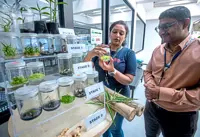
Perak’s largely unexplored forests, hold vast potential for botanical drug research and new medical treatments, says state executive councillor Datuk A. Sivanesan.
The Perak health, human resources, Indian affairs and national integration committee chairman said the state government welcomed greater research efforts by universities to explore the potential of Perak’s biodiversity for pharmaceutical and translational therapeutics.
“I’m encouraged to see universities strengthening research in pharmaceutical science, natural products, clinical pharmacology, precision medicine and wound care.
“Perak is flush with incredible natural resources, especially in our unexplored forests.
“There are many opportunities to research botanical drugs, and I encourage universities to launch more studies in this area,” he told Bernama.
He added that exploring this potential required collaboration among universities, healthcare institutions, government agencies and industry players to translate findings into practical patient treatments.
Quest International University (QIU) Faculty of Integrated Life Science dean Prof Dr P. Vilasini said Malaysia had significant potential to develop plant-based medicines due to its rich biodiversity and extensive traditional knowledge.
However, she stressed that traditional knowledge must be supported by rigorous scientific research and validation.
“This includes identifying bioactive compounds, determining appropriate dosages and concentrations, standardising formulations, and evaluating safety and efficacy before clinical use or commercialisation.
“Many Malaysian plants contain compounds with potential medicinal properties.
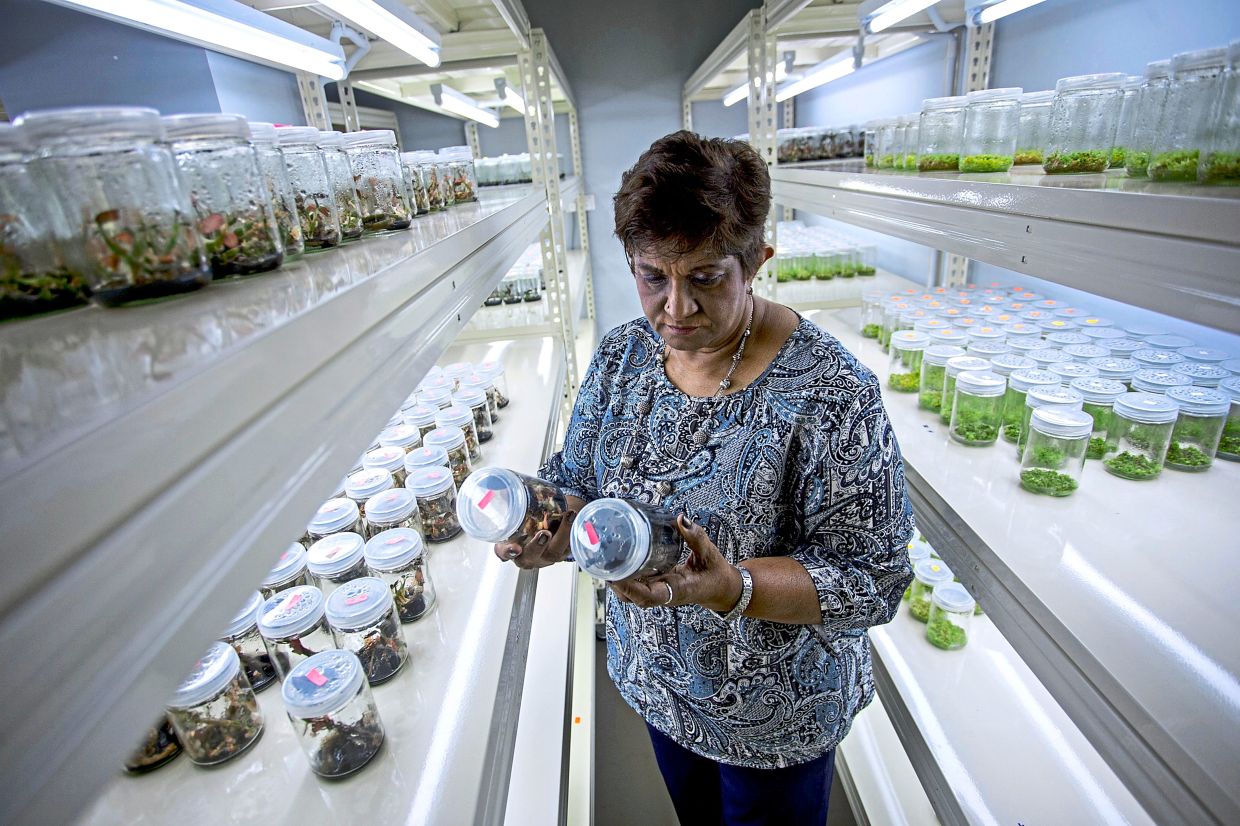
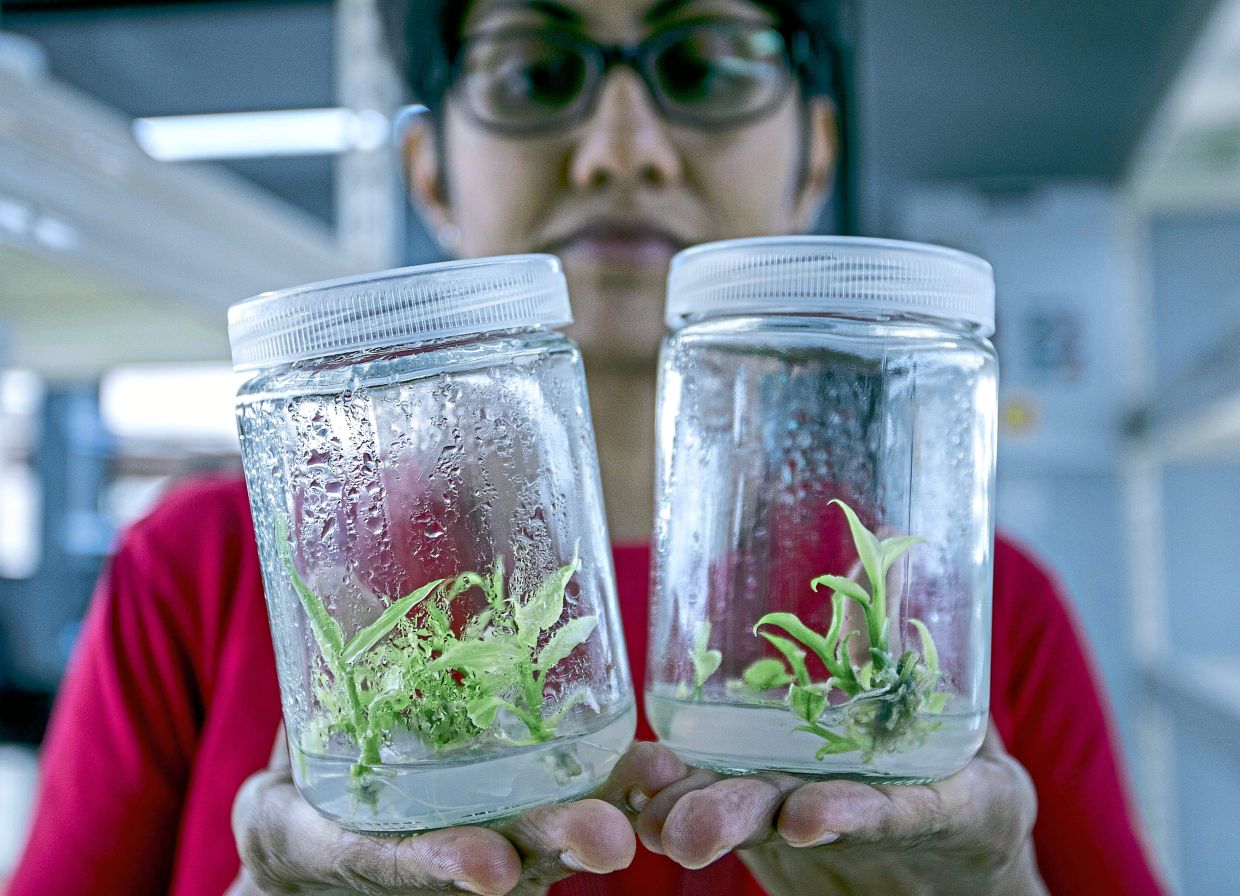
“Plant tissue culture technology offers a promising approach to harness this potential by cultivating plant cells, tissues or organs under controlled laboratory conditions,” she said.
Prof Vilasini said this allowed researchers to investigate and produce plant materials containing compounds of interest, providing a potential foundation for the development of new therapeutic products.
“This is one of the approaches we are exploring in our research on ethnomedicine and ethnobotany.”
She said that unlike conventional harvesting, plant tissue culture could reduce reliance on collecting medicinal plants from natural habitats.
“With further optimisation, selected cultures may also offer a more consistent and sustainable source of valuable plant materials or bioactive compounds, supporting future research and potential scale-up for biopharmaceutical development,” she noted.
Prof Vilasini, who is also QIU’s Centre for Research and Innovation director, said the university had eight plant-based products in its research pipeline targeting conditions including cancer.
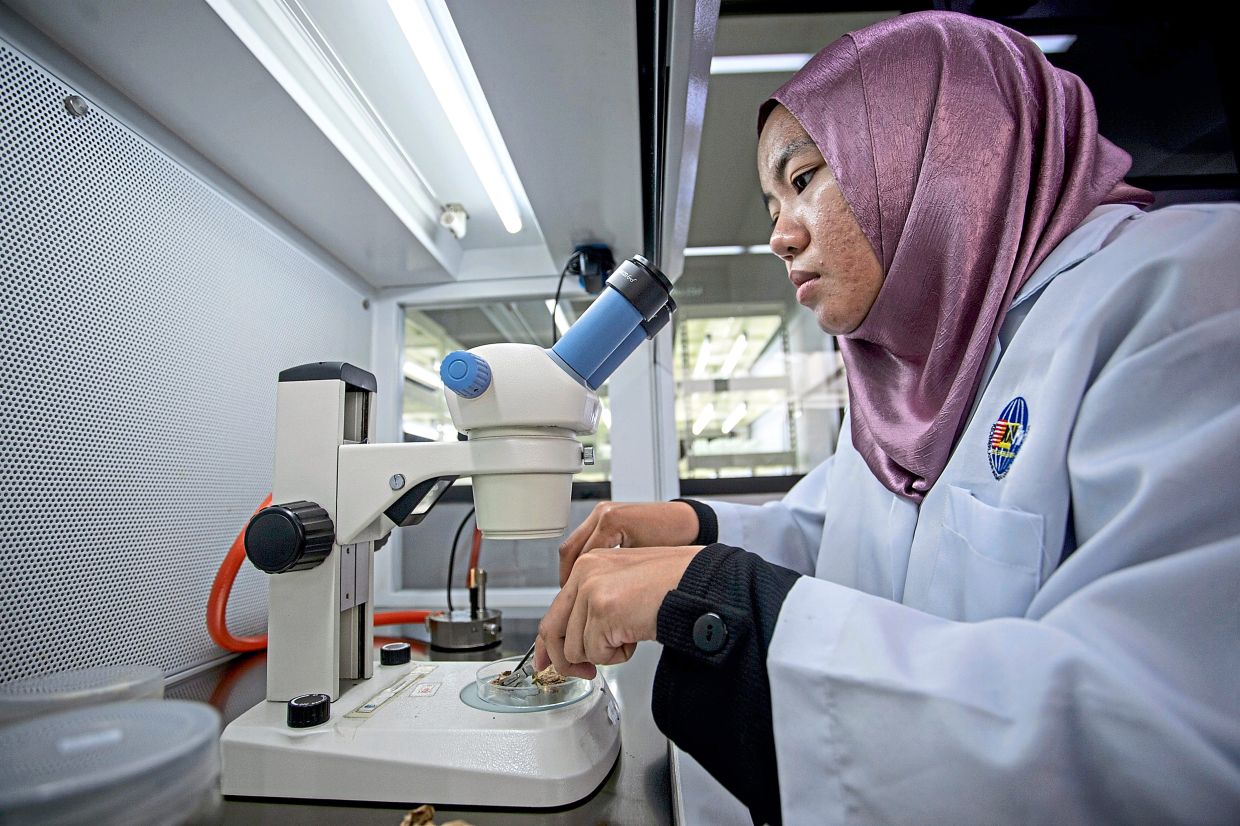
One of its key research areas is diabetic-wound healing, which has yielded promising preliminary findings and led to the filing of a patent, she said.
The research team identified a forest plant with potential wound-healing applications, including for chronic wounds associated with diabetes, drawing on traditional medicinal knowledge shared by the Orang Asli community in Cameron Highlands.
“Using plant tissue culture technology, the team is exploring the production of bioactive compounds of interest under controlled laboratory conditions, offering a potential approach to developing a more sustainable and consistent source of therapeutic compounds for further research and development,” she said.
According to Prof Vilasini, preliminary studies suggest that the plant contains compounds with antimicrobial activity and may support angiogenesis, the formation of new blood vessels.
These properties could contribute to wound healing by helping to control microbial growth and supporting the delivery of oxygen and nutrients to damaged tissue.
“Preliminary studies indicate that the plant has potential to promote wound closure, including in diabetic wound models.
“Diabetic wounds are particularly challenging to treat because impaired circulation, delayed tissue repair and the risk of infection can hinder the healing process.
“The plant’s observed antimicrobial activity may help control microbial growth, while its potential to promote blood vessel formation could support the delivery of oxygen and nutrients to the wound area.
“Further studies are nevertheless needed to establish its safety, efficacy and suitability for therapeutic use.”
Prof Vilasini said research on the plant began in 2017 and further studies were underway to evaluate its safety and establish its potential for future clinical application and commercialisation.
QIU School of Applied Sciences Faculty of Integrated Life Sciences Assoc Prof Dr P. Ranjetta said research into the use of tissue culture technology to propagate jewel orchids could help increase the plants’ antioxidant content, potentially paving the way for further studies into their applications in future therapeutic development.
She said the study focused on increasing anthocyanin levels in jewel orchids, a type of antioxidant also found in berries and red fruits that helped protect cells against free-radical damage.
“Through tissue culture technology, we can control the plant’s growing environment, including the amount of light and nutrients it receives to determine if anthocyanin levels can be increased compared with wild forest plants.
“The study is still at an early stage, with researchers yet to test whether the anthocyanin compounds could be used to treat diseases or alleviate their symptoms,” she said.