
LIKE any of us, children with special needs inevitably grow up.
Reaching adulthood, however, must never mean lowering ambitions, as every individual deserves the chance to lead a purposeful, dignified and deeply fulfilling life.
While dedicated care remains essential, it is merely the foundation.
True independence demands genuine avenues for personal growth, giving young people the means to hone their talents, contribute actively to society and build their own future.
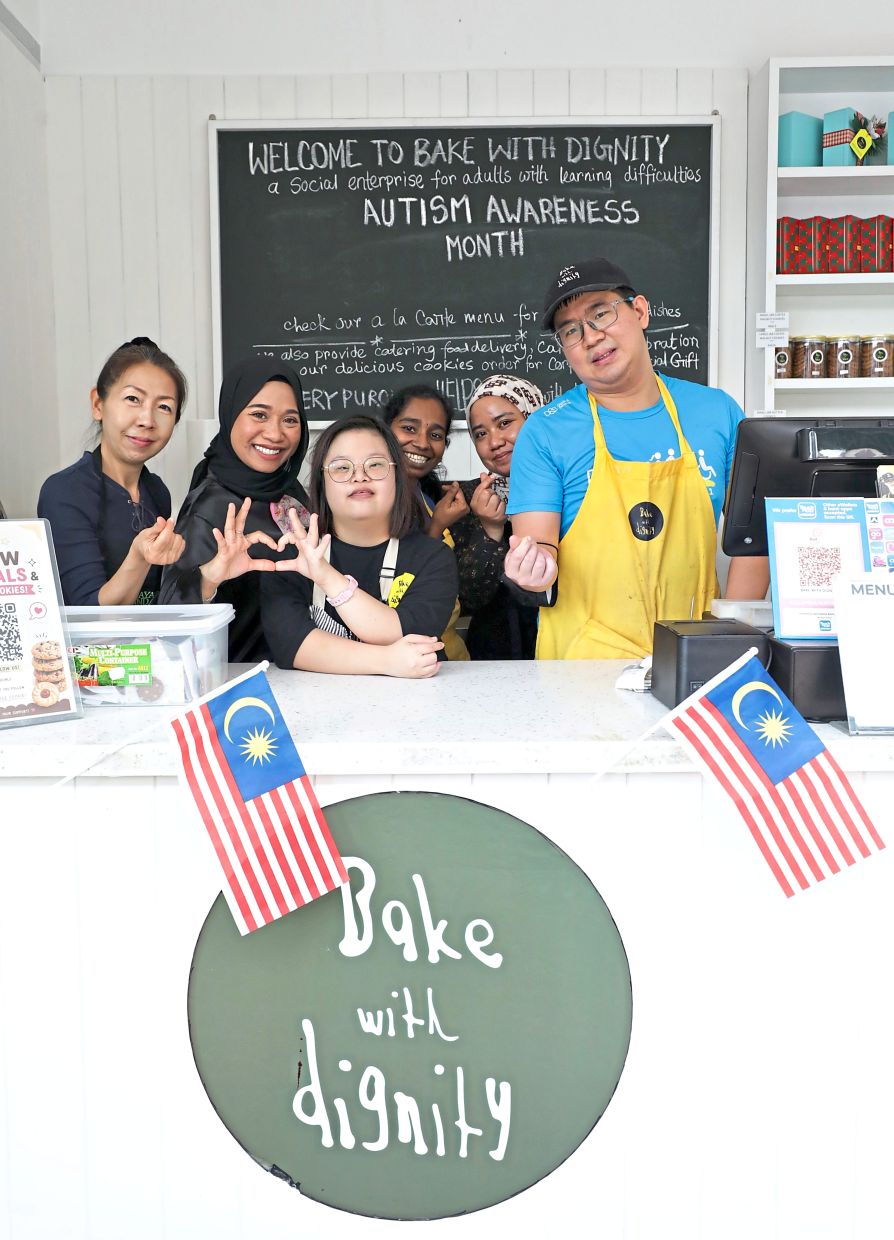
Above all, securing meaningful employment is not an act of charity; it is the vital catalyst that unlocks human potential and delivers the lasting dignity everyone is due.
Social enterprises play a vital role in opening workplaces and providing jobs for people with special needs.
Yet keeping the initiatives afloat remains a significant challenge.
Balancing the books while delivering social impact raises a critical question: how can these businesses stay commercially viable while securing lasting employment for those they support?
StarMetro highlights two establishments in Selangor which provide jobs to adults with special needs such as those in the autism spectrum, or with Down syndrome or other learning conditions.
Skills training
Gem & Bread Special Needs Support Group founder Teresa Tan, has four children. Her youngest, Karl, 29, is on the spectrum.
In 2014, she founded the NGO to support people with special needs, including those with autism, Down syndrome or attention deficit hyperactivity disorder (ADHD).
Its adult students, aged 19 to 50, take part in activities ranging from baking and cooking to craft-making and running a mini cafe.
They learn new skills and are paid for their work.
However, Tan said keeping the social enterprise afloat remained challenging due to funding constraints, limited public support and the additional time and attention required to work with people with special needs.
“When we are too involved in business operations, we cannot focus on other tasks such as marketing and seeking funding,” she said.
“Many parents who run businesses and have children with special needs, often face struggles in balancing caregiving with managing the enterprise,” Tan, 67, noted.
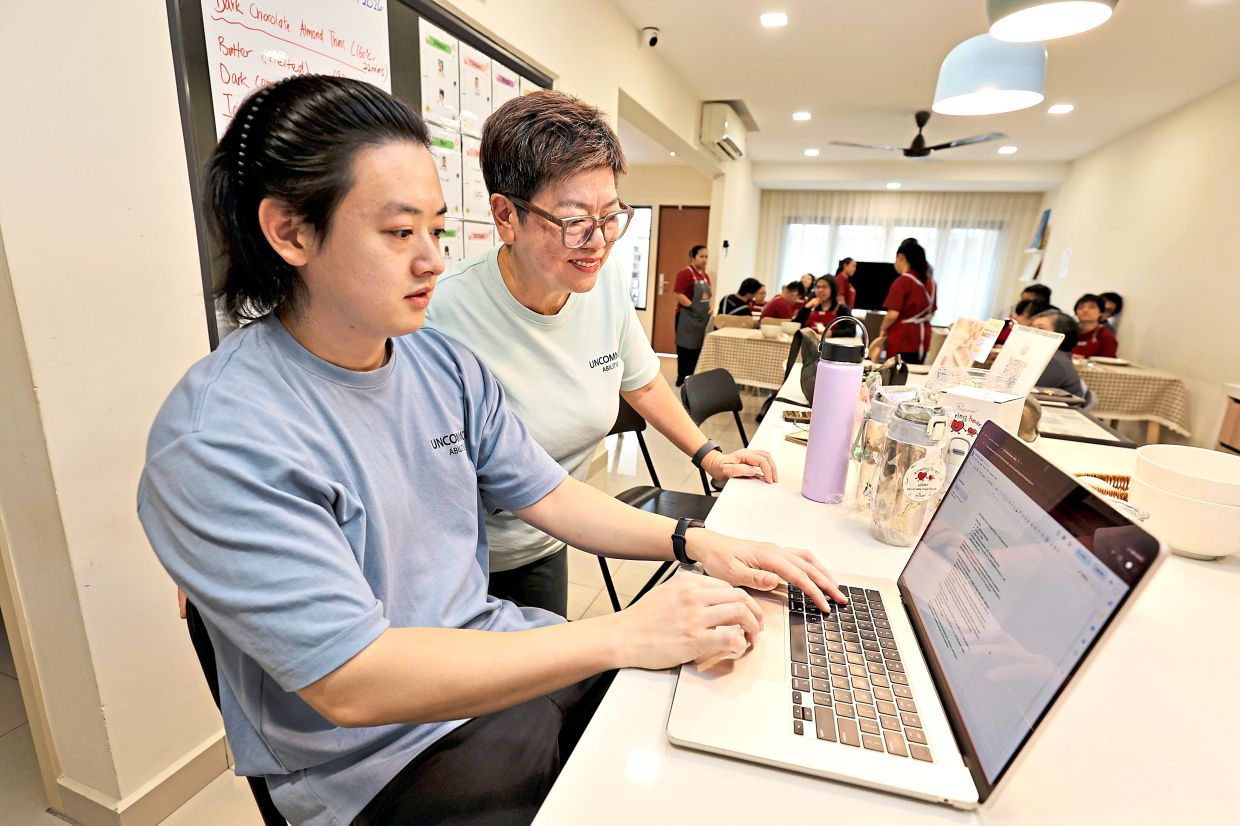
“This year, my other son Keith, 30, who has background in finance, came on board to help.
“My daughter who specialises in baking, also lends a hand.
“Otherwise, managing the enterprise can be stressful,” she said.
Tan said her monthly operating costs amounted to RM16,000.
“During difficult times, I had just RM2,000 left in the business bank account. I still had to pay my teachers, helpers, cook and students for their work.
“I also have to prepare proposals to secure corporate sponsorships. Companies tend to prefer funding one-off activities rather than long-term commitments, which makes sustainability a challenge for many social enterprises.
“I have to think creatively to meet these demands,” she said.
In early October, Tan introduced a dine-in cafe service on Wednesdays to provide participants with more opportunities to practise their skills.
“The small cafe allows them to take orders and serve customers.
“Participants have different abilities and cannot be trained to perform the same tasks.
“We assign tasks based on the students’ strengths. We also cannot rely entirely on them for production because they have different abilities and limitations.
“For baking and cooking, we must ensure proper hygiene.”

Although Tan welcomed the government’s RM450 incentive for employing people with special needs, she said many social enterprises struggled to pay the minimum wage because of financial constraints.
She said the participants needed regular physiotherapy, while both they and their parents would benefit from counselling.
“To secure sponsorships and workshop bookings from corporate organisations, I share with them my experience of working with these students,” she said, adding that the organisations involved them in gardening at the TTDI Edible Garden.
“Students with special needs can become frustrated when they are at home.
“Working gives them structure and purpose.
“Most importantly, it allows them to live with dignity, even after their parents are gone,” she highlighted.
Tan hopes the enterprise will also provide a safe space for young adults with special needs to socialise and celebrate occasions together.
“Adults have their own social circles, and those with special needs also enjoy spending time with their peers. We celebrate birthdays and festivals, among other occasions.
“Our centre gives them a place to relax and enjoy themselves,” she said.
Baking interest
Bake With Dignity, a cafe operated by adults with special needs, comes under the umbrella of Dignity and Services (D&S) that is a non-profit organisation supporting adults with learning disabilities.
Cafe manager Siti Norhalizah Jamaludin, 33, said the business has been operating for over 10 years.
She was hired recently to help manage baking orders involving the participants.
“Like any business, we must constantly promote our products and engage with the community to generate sales. Otherwise, business can suffer,” she said.
Siti Norhalizah said working with people with special needs required patience and supervision, as some worked at a slower pace depending on their conditions.
Some parents also accompanied their children at work.
“We must ensure the bakers take breaks to prevent fatigue.
“They are dedicated to their tasks, and some parents help with the baking when supervision is needed,” she said.
Over the years, about 70 people with special needs have worked at the cafe. It currently employs 10 bakers aged between 18 and 60.
“They are paid for their work and receive contributions to the Social Security Organisation and Employees Provident Fund,” said Siti Norhalizah.
“The bakers have varying disabilities, including autism and Down syndrome.
“While some can work independently, all demonstrate good work ethics.
“Working at the cafe helps them develop independent living skills,” she added.
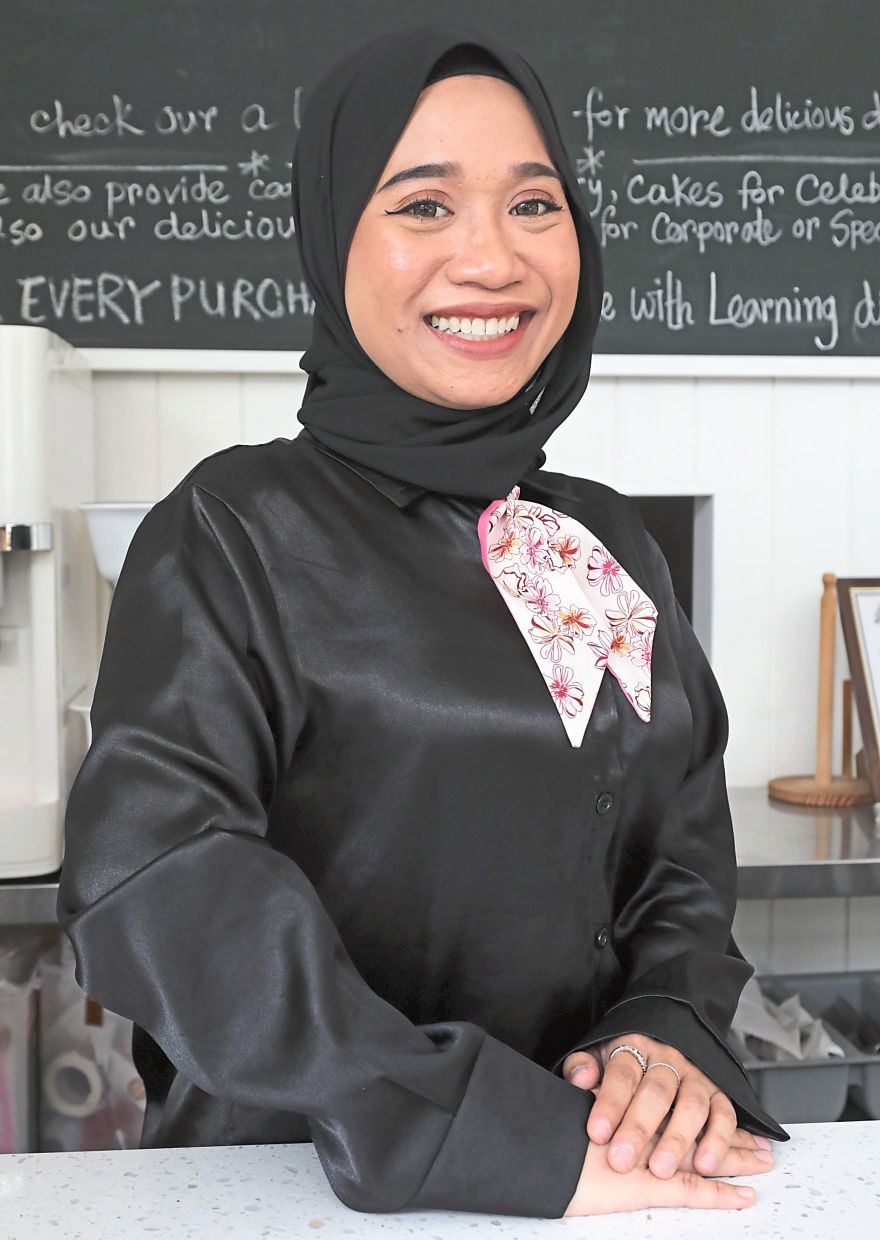
Siti Norhalizah cited a former employee whose communication skills improved while working at the cafe and later became a car salesman.
“He was good at customer service and loved cars. He is now a car salesman.
“Given the opportunity, people with special needs can also progress in their careers,” she said.
The cafe sells cakes and cookies, including coffee walnut, chocolate almond, cranberry and butter cookies. Its bestselling cakes are carrot cake and Belgian chocolate cake.
Parent Kelly Voon said her son Loong Ji Xian, 29, has been working at the cafe since 2012.
After attending formal school, he switched to homeschooling. As an adult, he developed an interest in baking and eventually joined the cafe.
“He has improved on his skills and has become very tidy. He also keeps the house clean. These are skills he acquired at the cafe.
“Since he earns a salary, he saves his money to buy things he likes,” said his mother.
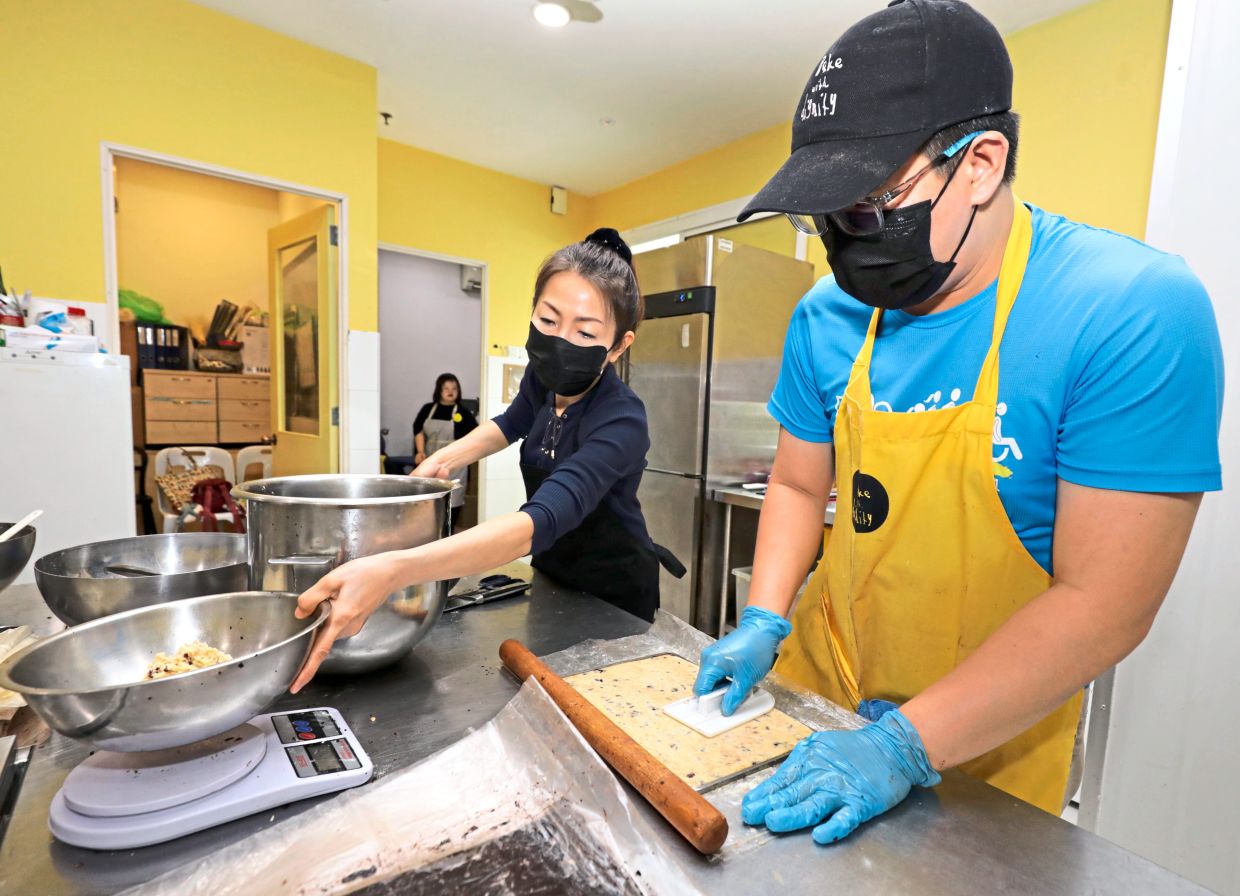
Voon has devoted much of her life to caring for her son and accompanies him to the bakery to help when needed.
“Sometimes I feel tired and ask him to take a day off, but he is unhappy about it. I try to accompany him from Tuesday to Friday. On Mondays, he washes his bakery towel and prepares for the week,” she added.
Like many parents of children with autism, Voon hopes her son will eventually be able to use public transport independently to enable him to live a more independent life.
Calls for support
National Autism Society of Malaysia (Nasom) chairperson Julian Wong said the community needed to stop viewing social enterprises merely as charitable projects, and recognise their role in providing inclusive employment and vocational training.
“When a social enterprise closes, it is not just a business failing; it is a loss of community, dignity and purpose for neurodivergent individuals who have worked hard to develop their skills,” he said.
Wong outlined three key strategies to strengthen these enterprises.
First, vocational training must align with market demand.
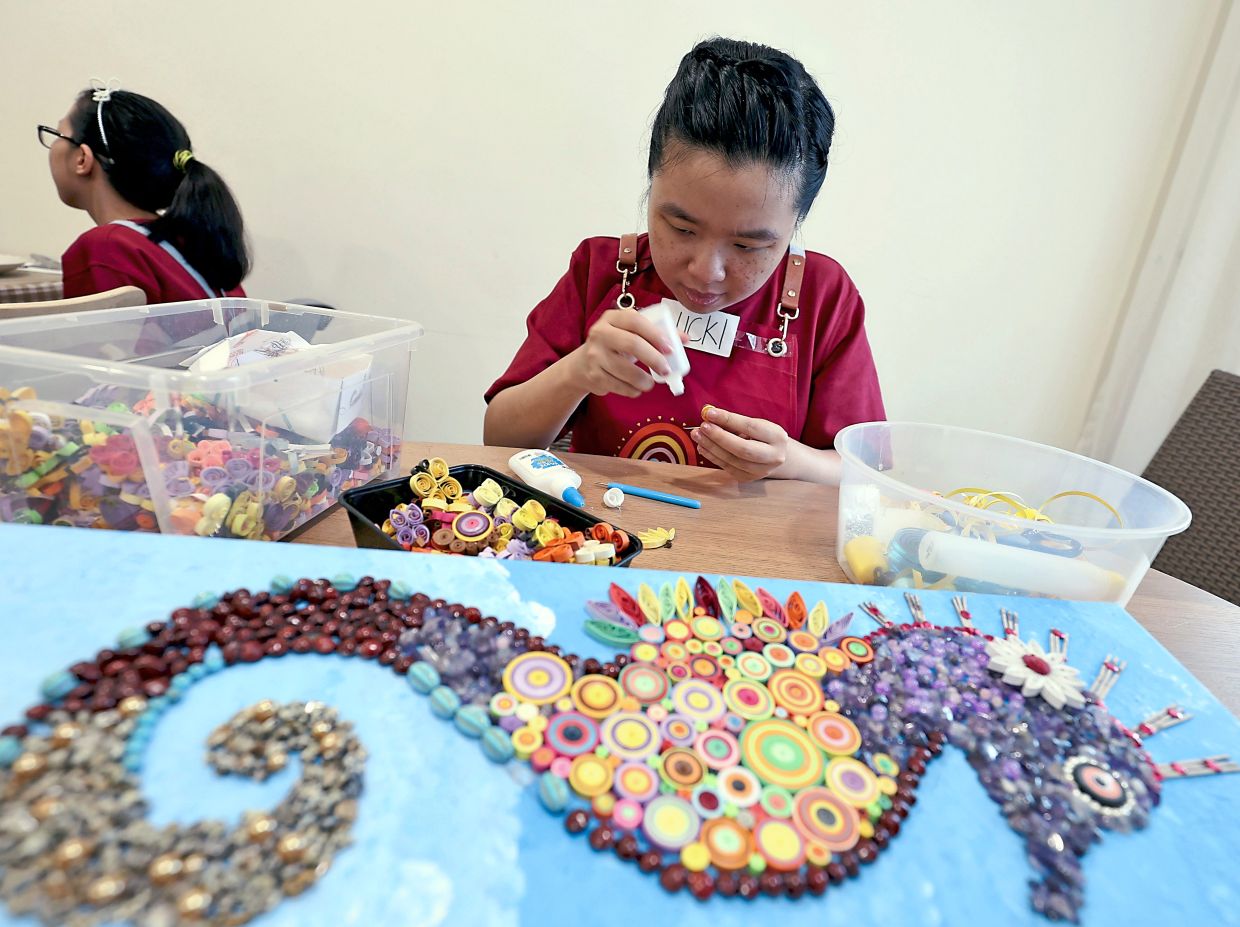
Social enterprises should move beyond traditional craft-based activities when there is insufficient demand for their products.
“Our focus must be on identifying gaps in the modern workforce and tailoring neurodiversity practices and vocational training initiatives to equip individuals with competitive, high-demand skills,” said Wong.
“Secondly, stronger corporate partnerships are needed.”
Rather than relying on one-off corporate social responsibility donations, he said social enterprises should build long-term relationships with businesses.
“Businesses can integrate special needs enterprises into their supply chains by outsourcing administrative tasks, procuring corporate gifts or partnering with them to provide specialised services,” he said.
“The third strategy is consumer support to be backed by policy measures.”
While public empathy could encourage initial purchases, he emphasised product quality and consistency being essential to retaining customers.
Wong said government and local authorities should provide targeted subsidies, tax incentives for businesses that purchase from social enterprises, and grants to help cover the cost of specialised job coaches.