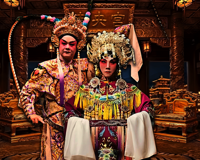
Dikir barat, a form of Malay choral singing, is facing a talent crisis as a shortage of skilled tukang karut – lead performers adept at improvising verses – threaten the traditional art form’s future.
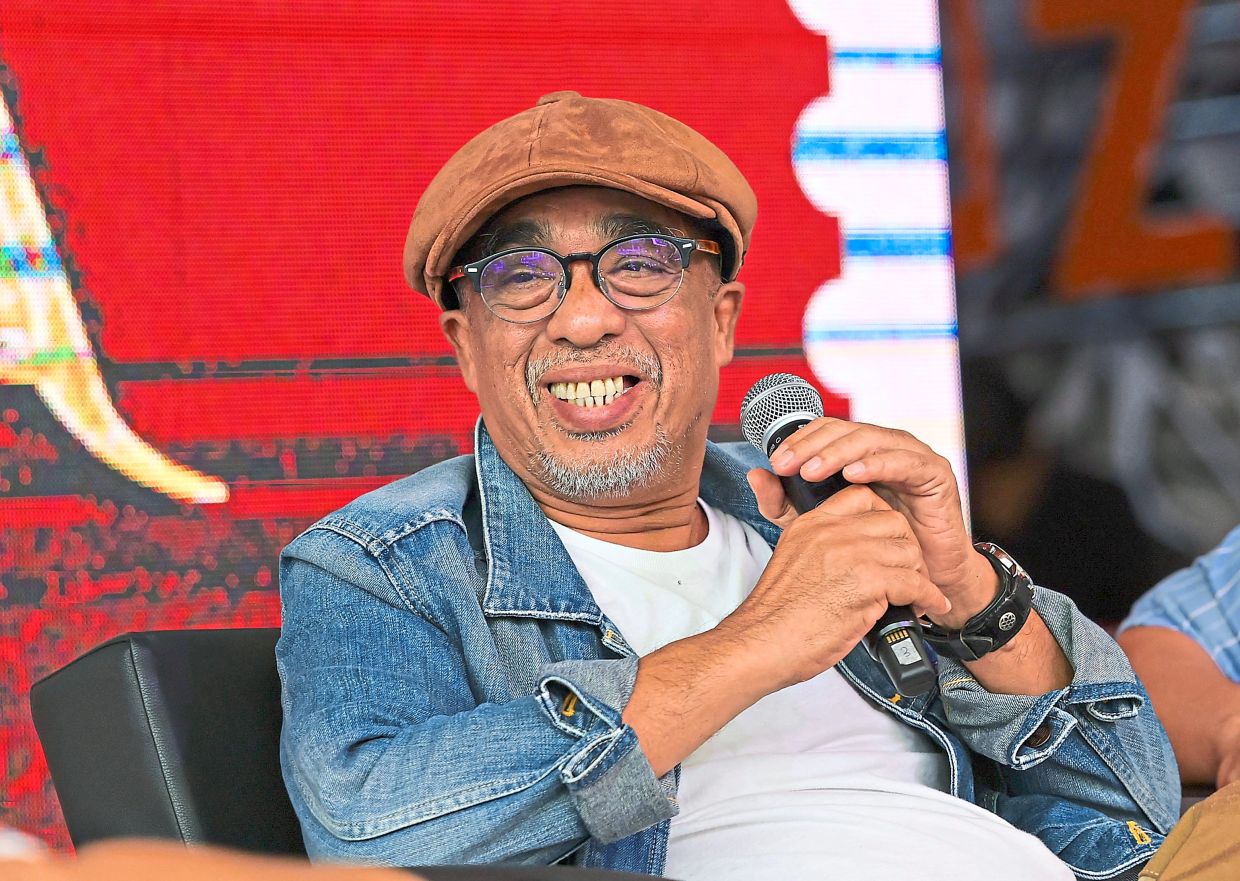
Director, actor, writer and dikir barat researcher Sabri Yunus said there were currently more dikir barat singers than tukang karut. Both play equally important roles in a performance.
He said this imbalance had left performances increasingly dependent on a handful of highly skilled tukang karut, despite efforts to groom new talent.
“Four or five years ago, I discussed with friends the possibility that dikir barat would face a crisis due to a shortage of tukang karut.
“What we expected to happen in 10 years has already happened in just three.
“We have many dikir barat singers, so why are we not producing more tukang karut?” he asked during a panel discussion at the National Museum in Kuala Lumpur, as reported by Bernama.
The forum, titled “Akar Pantai Timur, Rimbun Malaysia”, was organised by Kota Pesta by Makar Fest.
Sabri said there were currently only six or seven tukang karut regarded as highly skilled.
He said one of the factors contributing to the shortage was the tendency among young people to pursue careers as dikir barat singers rather than master the skills required of a tukang karut.
According to him, singers who gain popularity eventually leave the dikir barat scene to establish their singing career, further reducing the pool of capable performers.
Sabri said the ability to compose poems and rhymes spontaneously was a defining feature of dikir barat, emphasising that it must be preserved despite changes to the art form’s music and performance styles.
He proposed that singers and tukang karut learn each other’s skills to ensure the art form could be passed down to younger generations.
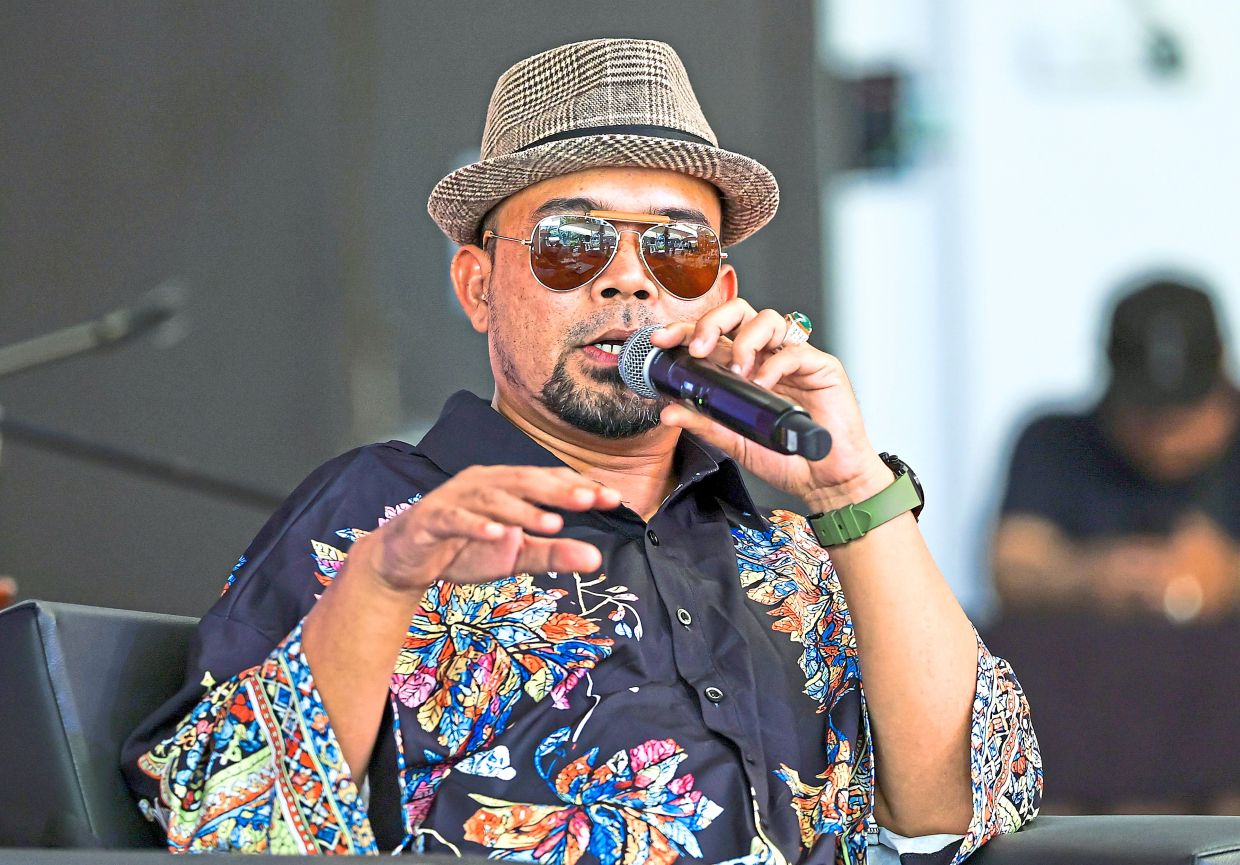
Dikir barat practitioner and Kelantan songwriter Fadil Turbo – whose real name is Mohd Fadil Mohd Noor – said composing dikir barat songs required more than just an engaging storyline, as it also called for the ability to rhyme as well as write poetry and melody.
The lyricist said although there were emerging songwriters keen to compose dikir barat songs, some lacked understanding of its writing techniques, particularly the use of rhyme in the middle and at the end of a verse.
“Some songs have good storylines but fail to make an impact because insufficient attention is given to the arrangement of rhymes and melodies,” he said.
Mohd Fadil called for practitioners to gain greater exposure to dikir barat songwriting techniques to ensure the art form continued to evolve without losing its original characteristics.
For Mohd Asrulfaizal Kamaruzaman, coordinator of the Arts and Cultural Conservation Section at Universiti Malaya’s Cultural Centre, his concern was over emerging lyricists altering the pronunciation of Malay words to resemble the Kelantanese dialect without fully understanding actual meanings.
“For example, the word pandang (to look) is changed to pandey, even though the meanings are not the same.
“I do not know whether they do this merely to rhyme or because they no longer consider using authentic Kelantanese words, particularly older expressions that are gradually falling out of use,” he said.
Mohd Asrulfaizal said such writing practices could lead to authentic Kelantanese words gradually disappearing, while also compromising the originality of dikir barat lyrics.
He said efforts to preserve dikir barat must be sustained as it was an integral part of the community’s cultural heritage.
“My job is in the field of conservation and I believe dikir barat is something that must be preserved.
“If it generates income, that is a bonus for me. Even if it does not, preserving it remains my cause.”
The “Akar Pantai Timur, Rimbun Malaysia” forum is part of a broader Malaysian dikir barat performance programme, supported by Hasanah Foundation through its ArtsFAS (Arts For All Seasons) grant.
The programme featured special performances by prominent practitioners, a pantun (poem) composition workshop with Sabri, a youth camp, and knowledge-transfer activities and digital documentation of the traditional art form.