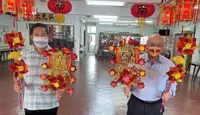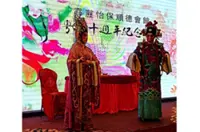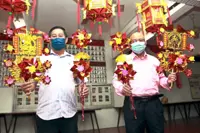
Perak Nam Hoi Association in Ipoh hopes to get the ancient Seven Sisters Festival included in the state’s official tourism calendar, to boost cultural tourism and showcase lesser-known Cantonese traditions to a broader audience.
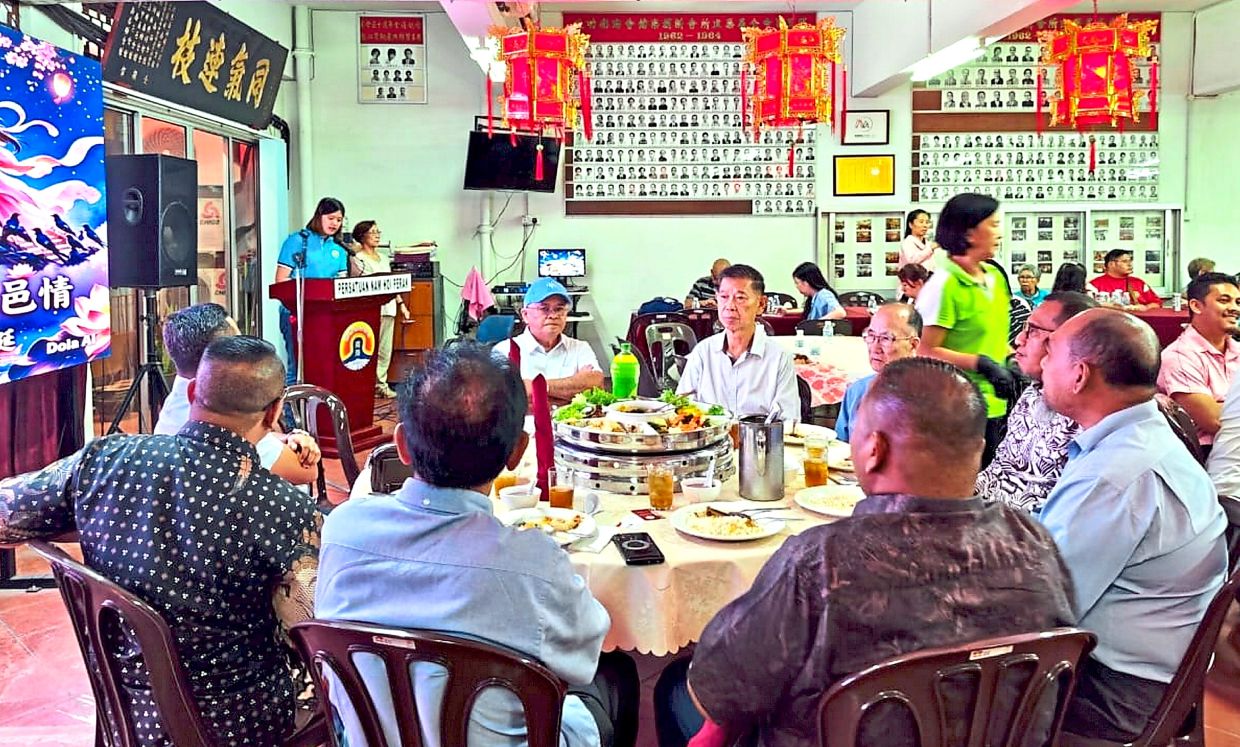
The move follows this year’s celebration at the association’s premises in Taman Jubilee, which for the first time opened to non-Chinese participants.
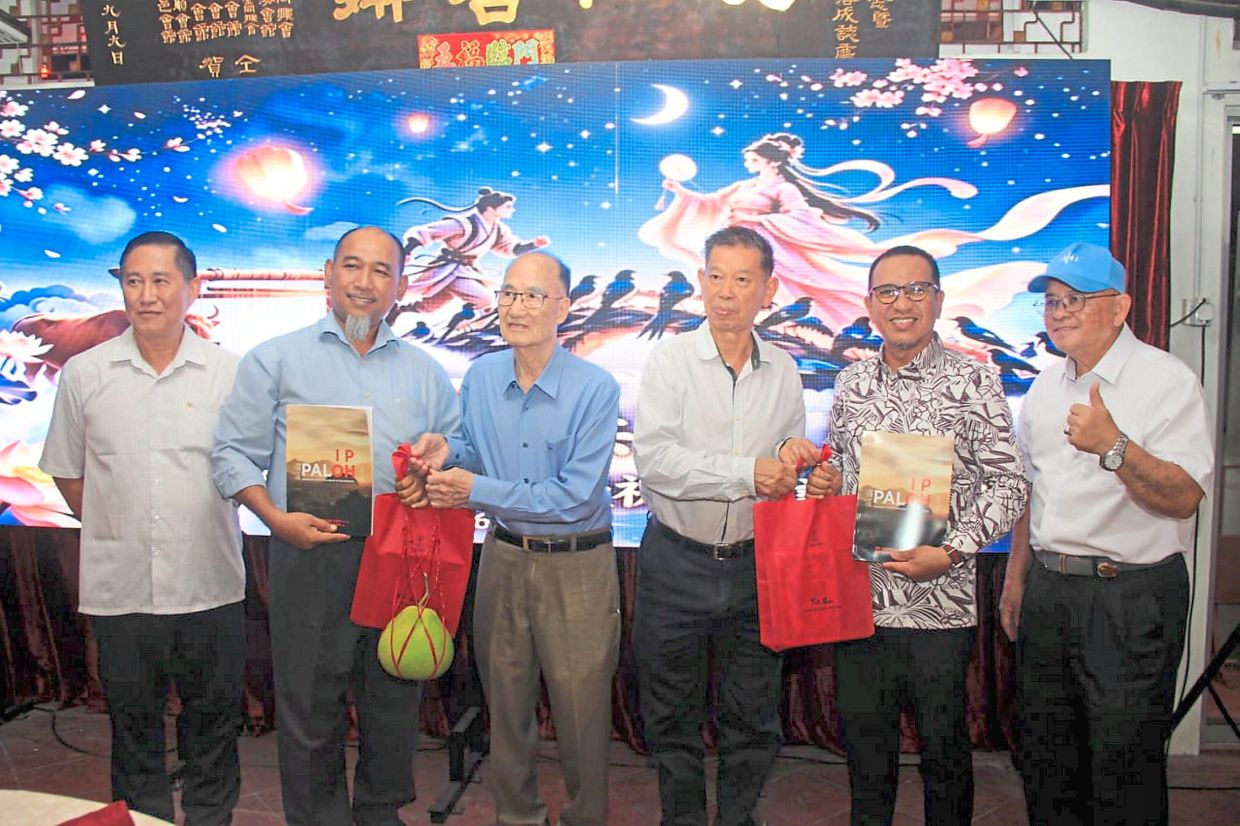
Organised in collaboration with two other Cantonese organisations – Perak Shun Tak Association and Perak Pun Yue Association – the event drew 120 guests including Sungai Manik assemblyman Datuk Zainol Fadzi Paharuddin and Tourism Perak chief executive officer Suhaimi Abu Hassan Shari.
Association Cantonese heritage adviser Dr Richard Ng said opening the festival to the wider public ensured the tradition was understood and appreciated beyond the Chinese community, creating a vital link between past generations and future identity.
The festival, he said, reflected the migration history of the city’s Cantonese community and provided an opportunity for younger generations to learn about their cultural roots.
“We hope the festival can eventually be included in the state’s tourism calendar to attract Cantonese-speaking tourists to Ipoh,” Ng he told StarMetro in an interview.
Also known as Qixi or Qiqiao, the Seven Sisters Festival falls on the seventh day of the seventh lunar month.
Rooted in Chinese mythology, it commemorates the celestial legend of the cowherd and the weaver girl, who are permitted to reunite once a year across the Milky Way when magpies form a bridge across the heavens.
Beyond its romantic folklore, the celebration honours female ingenuity, handicraft skills, spiritual devotion and sisterhood.
Ng said the festival traced its origins in China to early literature and customs documented during the Han dynasty.
According to the mythology, he said, the Jade Emperor had seven celestial daughters known as the Seven Fairies, with the youngest (the weaver girl) renowned for her extraordinary weaving and embroidery skills.
“In popular tradition, offerings are arranged in seven portions to honour the seven sisters collectively, even though the festival particularly celebrates the seventh sister.
“The number seven represents the Seven Celestial Sisters, the seventh day of the seventh lunar month and the blessings traditionally sought from the celestial maidens.”
He added that while the story symbolised enduring love, loyalty, sacrifice and reunion, the festival historically served as a showcase for women’s artistry and companionship.
From Guangdong to Ipoh
The celebration, Ng said, carries historical significance for the local community, tracing back to Cantonese migrants from
Nanhai, Shunde and Panyu in Guangdong who brought their traditions to Malaya.
During Ipoh’s rise as a premier tin-mining hub in the late 19th and early 20th centuries, migrants from Nanhai helped drive economic growth while establishing clan associations to support new arrivals and maintain cultural roots.
Among these was Perak Nam Hoi Association, which has preserved these traditions for generations.
“The festival remains one of the cultural links between the association members and their ancestral homeland,” Ng said.
Traditionally, women prepared handmade offerings and displayed their skills in embroidery, sewing and weaving, while praying for dexterity, wisdom, good fortune and personal fulfilment.
“Ceremonial displays known as the Seven Sisters Basin feature miniature ornaments, clothing, needles and thread.
“Special garments are also prepared as offerings to the celestial sisters,” he said.
He added that the festival also held special meaning for the zishunu, or women who “combed their hair up themselves”, and chose not to marry, as their participation highlighted female independence.
Changing traditions
Over time, the celebration has evolved.
Ng explained that traditional embroidery displays had become less common as education, employment patterns and modern lifestyles changed.
At the association, contemporary observances now featured social gatherings, singing,
communal meals and scholarship presentations for younger members.
“These developments illustrate an important feature of living heritage.”
Preparations, Ng said, could begin months ahead of the celebration, with ceremonies often starting on the evening of the sixth day of the seventh lunar month.
“Nevertheless, some original practices may become difficult to sustain,” he said, adding that the decline of traditional artisans threatened customs relying on specialised craftsmanship.
Ng said the festival deserved recognition as part of Ipoh’s intangible cultural heritage across five dimensions – historical, cultural, social, women’s heritage and education.
“As the city continues to modernise, efforts to keep the festival relevant while safeguarding its heritage will be crucial.
“For without the preservation of customs, memories and community institutions, future generations may gradually lose their connection with the experience of their ancestors.
“Heritage is not merely about remembering the past; it is about ensuring that the wisdom, identity and traditions of earlier generations continue to enrich the future.”
Symbolic portions
Ng said presenting offerings in groups of seven was deeply rooted in Chinese mythology and Cantonese custom, symbolising completeness, generosity and reverence.
“The offerings express gratitude, devotion and requests for divine blessings.”
He added that worshipping the seven sisters traditionally expressed hope for skill and creativity, wisdom and intelligence, beauty and grace, love and harmonious relationships, health and longevity, happiness and family harmony, and prosperity and good fortune.
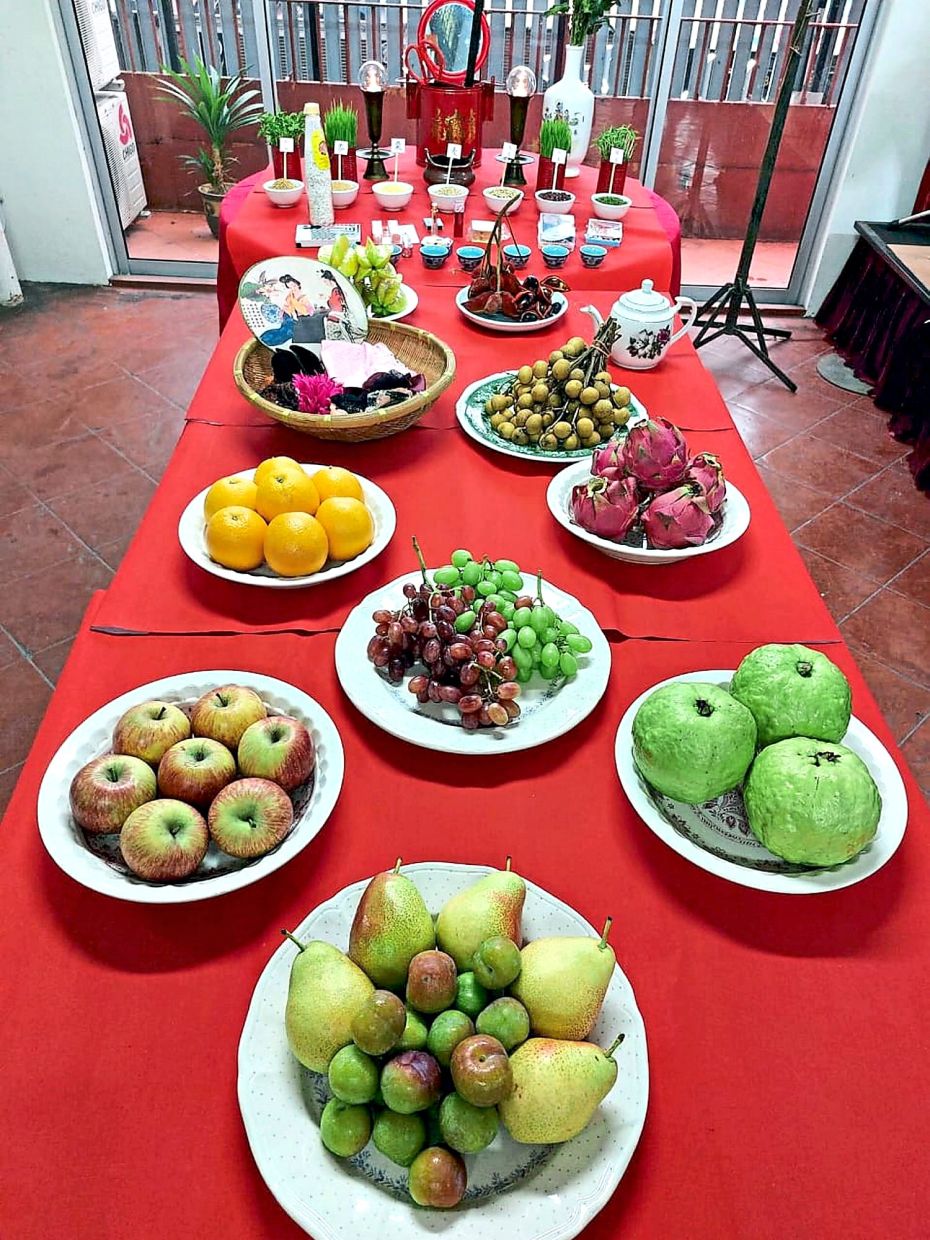
Perak Nam Hoi Association secretary Mak Chen Choong said seven sets of fruits, food and ceremonial items were displayed during the event.
He said unlike temple rituals involving religious rites, the association’s showcase focused entirely on cultural preservation and education.
“We want people to understand the significance of the celebration so that future generations will know what it represents.”
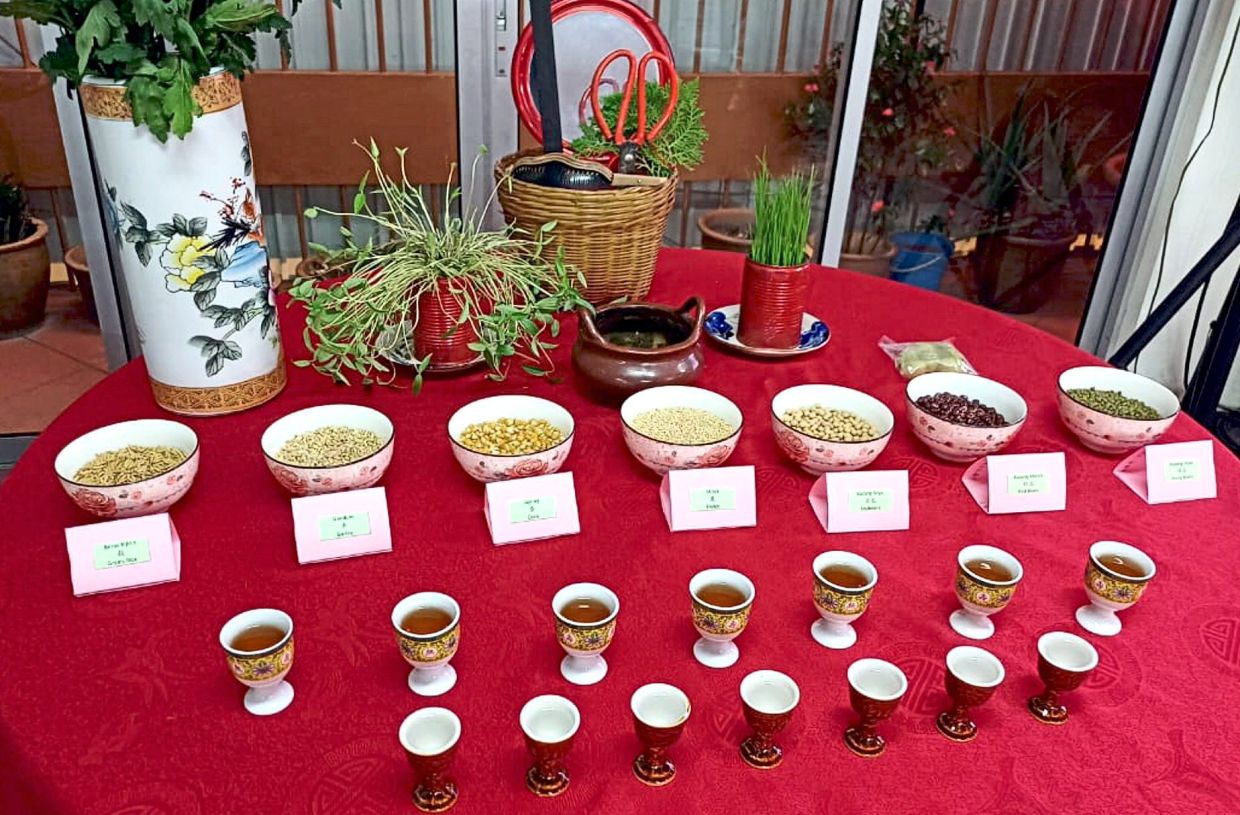
Mak said displays included weaving tools, measuring tapes, fabric, flowers and seven types of grain – rice, barley, corn, millet, soybean, red bean and mung bean – along with a selection of fruit, tea, wine, cakes and cosmetics.
He said each offering carried its own cultural significance.
“For example, the seven varieties of fruits represent abundance, gratitude and blessings, while the seven types of tea or wine represent respectful hospitality towards the celestial figures.
“As for the portions of cakes or sweets, it marks happiness and sweetness in life.
“The seven sets of flowers or cosmetics represent beauty, femininity and refinement, while the seven sets of needles and threads represent skill, craftsmanship and creativity,” he added.
Mak said a decorative paper tray featuring cutouts of gold coloured scissors, combs, mirrors, jewellery, shoes and fans was preserved for exhibition rather than burned, as would typically occur in temple rites.