A CANTONESE opera singing group in Ipoh is working to preserve the centuries-old art form in the 21st century.
Dwindling public interest, rising operating costs and the difficulty in attracting younger performers are just some of the challenges faced.
The group, which meets every Sunday evening at the Perak Shun Tak Association in Ipoh, provides a platform for enthusiasts to practise traditional Cantonese opera songs accompanied by a live ensemble of eight musicians.
Despite concerns over the ageing demographic of Cantonese opera performers, not all hope is lost.
Among the association’s current crop of opera singers is a 15-year-old, offering a promising sign that the art form can still capture the interest of younger generations.
Preserving an art form
The group’s administrator Lau Yew Kee said maintaining the weekly sessions came at quite a high price as musicians were paid about RM300 each for every session.
“We have eight musicians from outside accompanying the singers during practice,” he said when met at the association’s premises in Jalan Masjid.
To help cover expenses, the group collects a monthly fee of RM50 from each singing member.
There are currently about 10 to 12 singers, while the entire group, including musicians, comprises about 20 people.
“Practice sessions are held every Sunday from 7.30pm to 10.30pm.
“The weekly gatherings serve as a rehearsal venue for opera enthusiasts.
“There are no spectators.
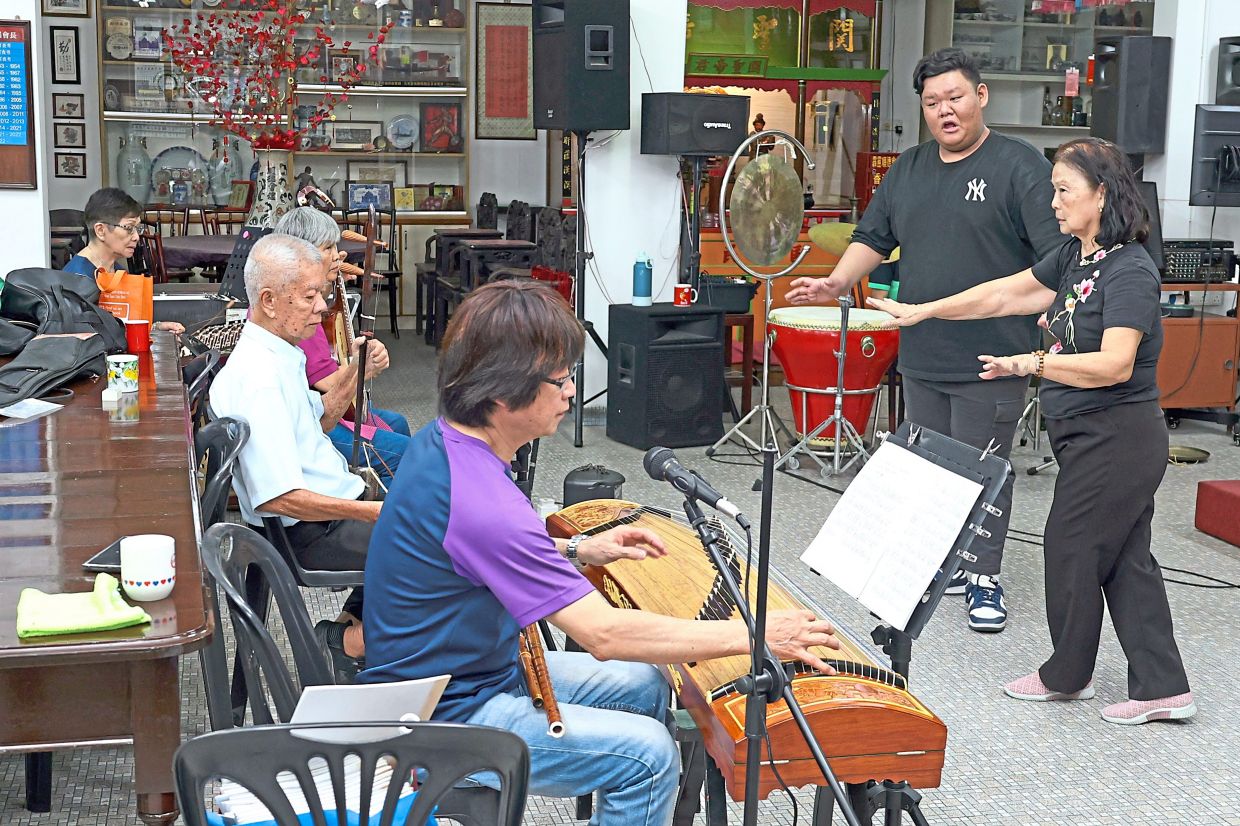
It’s an avenue for people who are interested in Cantonese opera to come and practise,” he said.
Lau, a long-time member of the association, said his interest in Cantonese opera began as a teenager growing up in Penang.
“Back then there was no television. Every afternoon, the government radio station would broadcast Cantonese opera songs.
“I would listen while following the lyrics printed in Chinese newspapers. That’s how I learned to sing.”
The art form is now facing an uncertain future as fewer young people are interested in pursuing it, he said.
The group has begun offering free training in an effort to nurture a new generation of performers.
“Two years ago, members started teaching beginners from scratch without charging any fees.
“We don’t charge because we want people to develop an interest first.
“Once they learn and enjoy it, they can join our regular singing group.”
Reviving passion for opera
Lau said the group was established on Dec 18, 1959 and remained active until it stopped sometime in 1990.
This was largely due to the passing of several singers and the declining number of musicians available to continue the performances.
“After nearly 25 years of inactivity, the group was officially revived in April 2015.
“It was spearheaded by the association’s chairman at that time, who was passionate about preserving traditional Chinese songs and ensuring that this cultural heritage would continue to be passed on to future generations,” he said.
Since then, the group has remained active, continuing its mission to perform and promote traditional Chinese music but it is an uphill battle.
“There are simply too many modern forms of entertainment today.
“The Cantonese songs young people listen to are modern, not traditional opera,” said Lau.
Rising cost of live shows
Group leader Loke Swee Lin said members learnt traditional opera songs using lyric books and karaoke recordings as formal instruction had become increasingly scarce.
She said in the past, experienced singers taught newcomers.
“However today, most of them are no longer around, so learners rely on karaoke recordings before moving on to live accompaniment.”
Loke said the group once performed regularly at celebrations organised by Chinese clan associations, but such invitations had become increasingly rare.
She said today, most live performances take place during festivals at Chinese temples, where traditional Cantonese opera remains part of religious celebrations.
“Chinese temples still invite us during festivals. That is where our musicians and singers, especially the older performers, continue to perform,” added Loke.
She said despite the challenges, members remained committed to preserving Cantonese opera, and hoped more young people would embrace it.
Loke said the rising cost of preparing for live performances was adding to the challenge faced by Cantonese opera practitioners.
“Professional stage makeup is one of the biggest expenses.
“The makeup materials are costly, and we have to hire professional makeup artists to do it for us.
“Professional makeup services cost around RM250 per performer, while costumes cost more than RM100 each.
“Altogether, it costs about RM400 for one person to get ready for a performance.”
Loke said with audiences shrinking over the years, the financial returns no longer justified the expense.
“But we continue because we want to preserve Cantonese opera.”
Loke remains committed to keeping the traditional performing art alive, hoping greater public support and renewed interest from younger generations will help secure its future.
Loke said her passion for Cantonese opera began when she was about 16, despite having no family background in the art.
“Neither my parents nor grandparents were involved in opera.”
Her journey began when a classmate, whose mother worked at Shun Tak Association, invited her to become a singing partner.
“I agreed to join her, started learning and have been involved ever since.”
Young enthusiast
While many teenagers spend their weekends playing sports or on social media, 15-year-old Loo Zhi Hua is dedicating his time to Cantonese opera.
His interest was first sparked when he was about five after accompanying his father to fulfil a vow during a temple festival, where he watched a live opera performance.
“I was attracted by the colourful costumes worn by the performers and also their makeup.
“From the age of about six, I was already able to sing Cantonese opera songs,” he said, adding that watching opera
performances and listening to such music at home added to his interest.
Before joining the opera troupe, Zhi Hua also sang with live karaoke bands.
Six years ago, he joined the troupe, and has been honing his skills there ever since.
Zhi Hua, who is in Form Three, attends rehearsals every Sunday and regularly performs with the troupe at Chinese temples during festivals and religious celebrations.
Believed to be one of the youngest Cantonese opera performers in the country, he hopes more young people will develop an interest in the traditional art form.
Cantonese roots
The association’s vice-chairman Dr Richard Ng said the earliest Shun Tak migrants arrived in Malaysia around the 1840s-1850s, which was the first big wave of Cantonese migration.
He said by the 19th century, they were an important part of the Chinese tin-mining and culinary communities, with formal clan associations founded by the 1890s.
Ng said the association was linked to people whose ancestral roots were from Shun Tak, now known as Shunde District in Guangdong Province, China.
“The association was created by migrants to Perak as a traditional clan hall.
“Like other Chinese clan associations, its early functions were to provide help, welfare, burial support, networking and as a meeting point.
“Shun Tak people belong to the broader Cantonese-speaking community.
“In Ipoh, Perak Shun Tak Association, Perak Pun Yue Association and Perak Nam Hoi Association are the main Cantonese clans.
“They brought with them their traditions, culture and customs, including Cantonese opera,” he said.
Ng said preserving Cantonese opera had become increasingly important as fewer young people were taking an interest in it.
Before the advent of cinema, he said Cantonese opera was one of the main forms of public entertainment.
“However, when cinemas became popular around the 1930s, public interest in opera started to decline,” he said.
Ng was the main researcher involved in developing Ipoh’s Cantonese Heritage Trail (both at the old town and the new parts of the city).
His book titled Paloh: Founded by the Hakka, Made Vibrant by the Cantonese was launched in 2023.
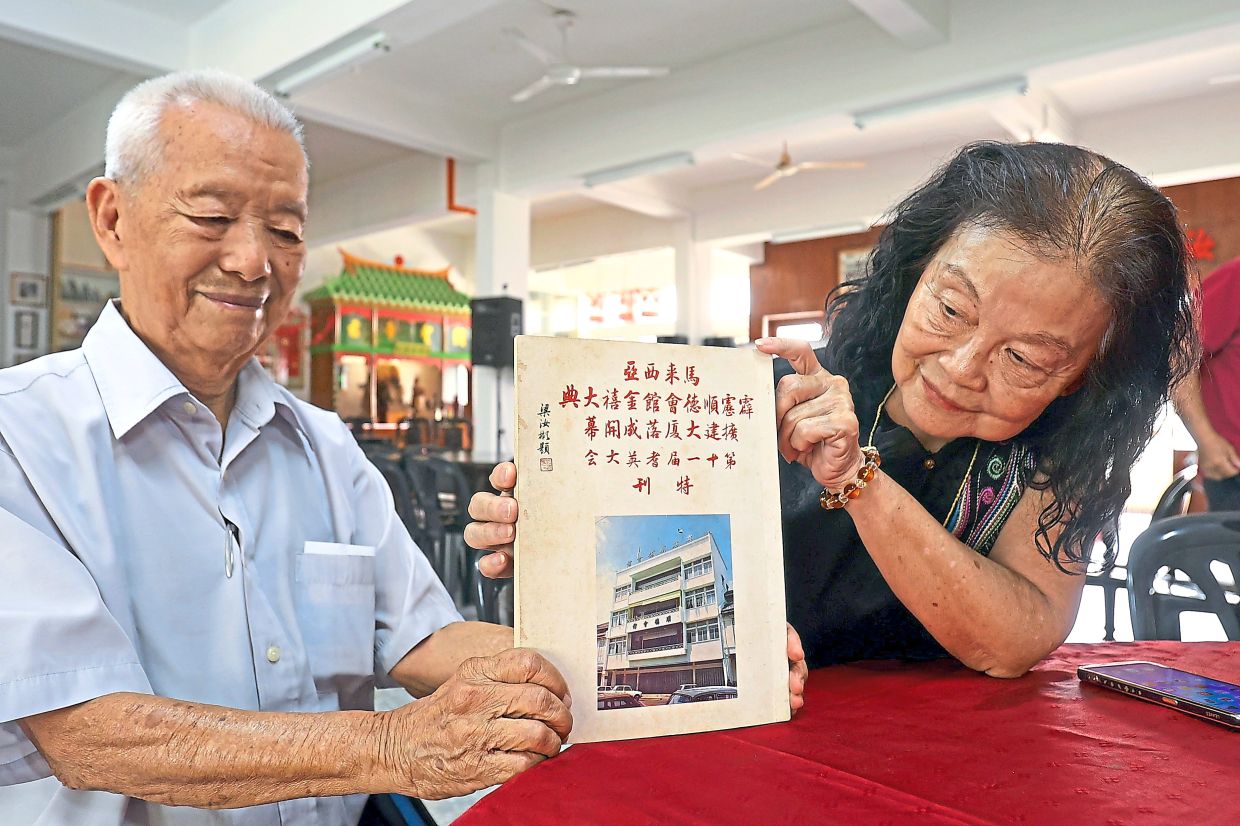
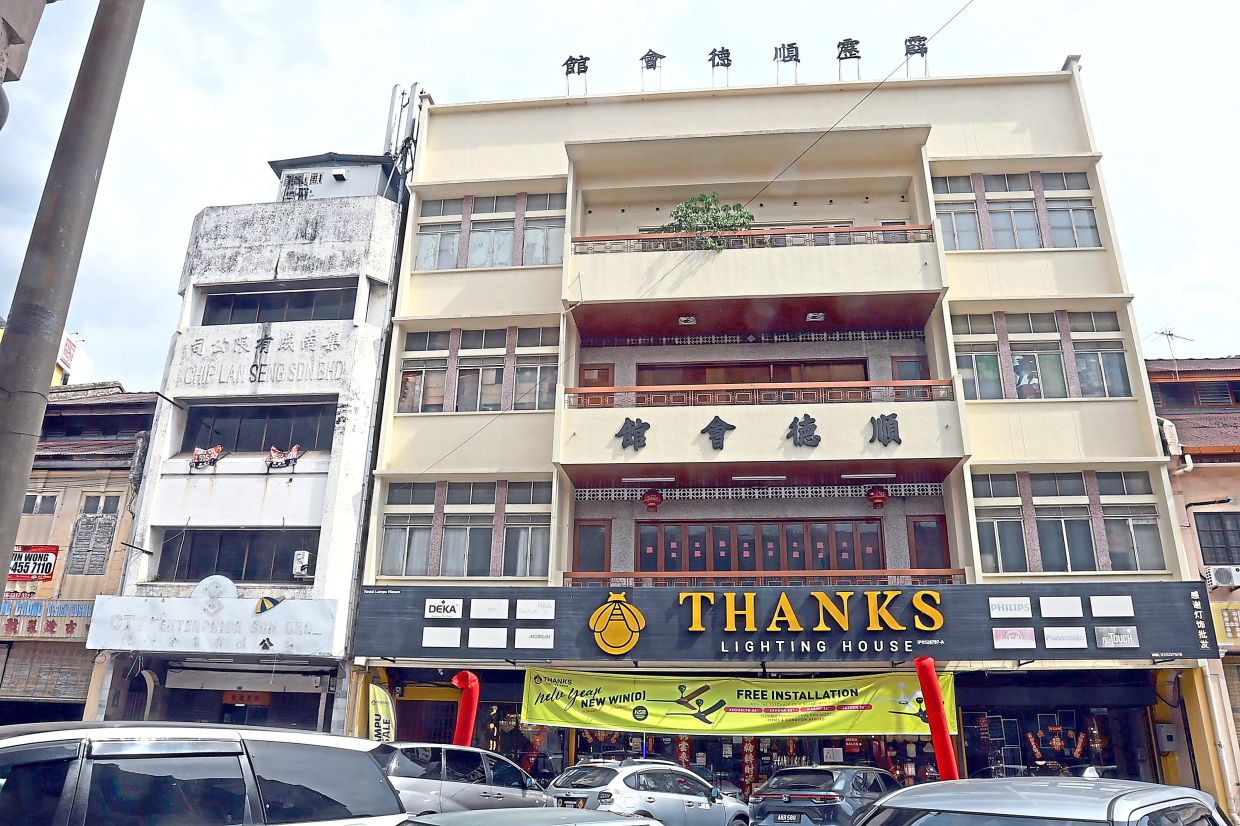
He said the association traced its origins to early 1920s Taiping before relocating its headquarters to Ipoh in 1926, where it continues to operate today.
The association will be celebrating its centenary next year.
“The current four-storey building stands on land donated by tin miners and using income from renting parts of the building to help support the association’s activities.
“Today, we have more than 100 members and continue to organise cultural and social activities, including Chinese opera performances, karaoke sessions, traditional music performances and a Chinese choir.”
Caring for members
Ng said the association also continued its welfare role by assisting members after their passing, including securing burial plots.
“As we celebrate our 100th anniversary next year, we hope younger generations will embrace the traditions that have been preserved throughout the decades.”
Opera carries the language, values and artistic identity of the Cantonese-speaking community, and the association has played a significant role in efforts to preserve it, he said.
“Moving forward, we hope to strengthen preservation through documentation, training, youth engagement, annual performances, digital archiving and partnerships with schools.
“This will ensure that Shun Tak opera remains not only a memory of the past, but a living cultural bridge for future generations.”
Association chairman Yoong Yew Chuin said beyond music and opera, it continued to safeguard traditional customs that had been practised for generations.
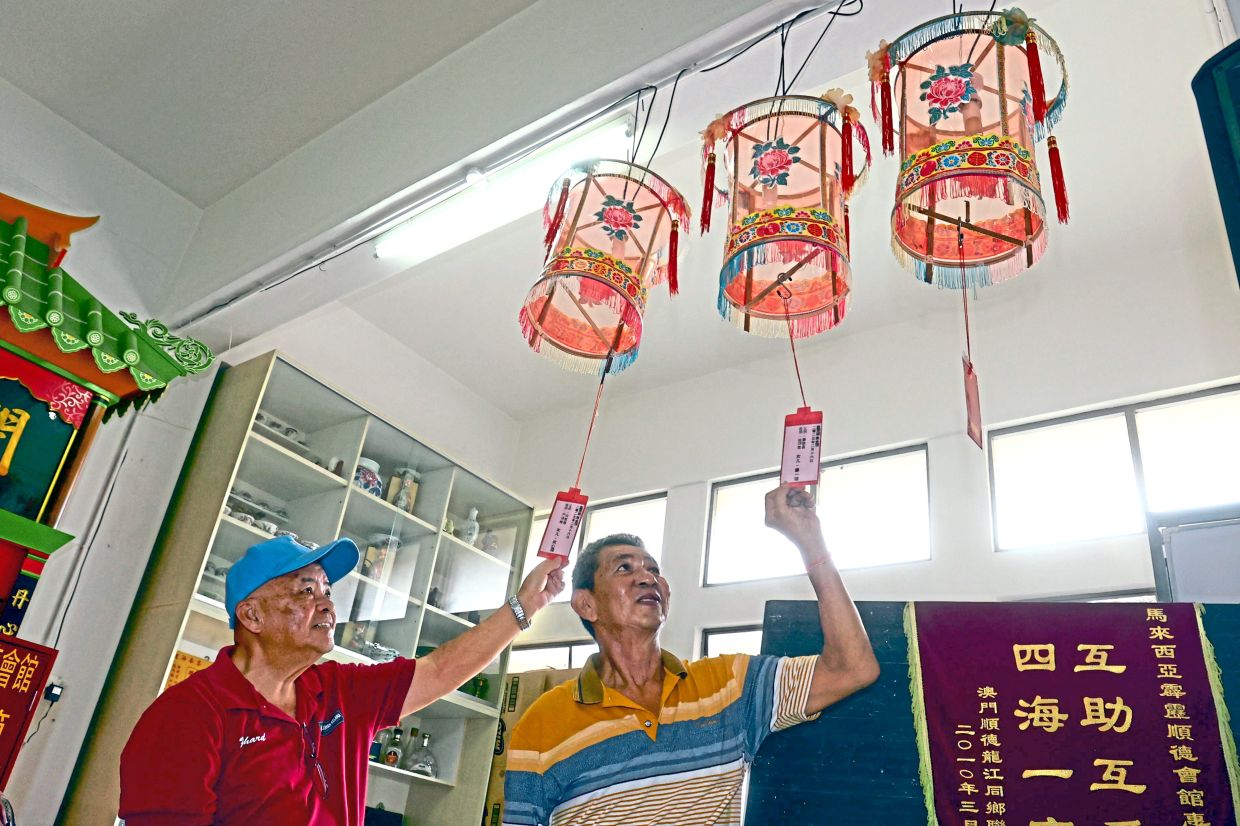
One longstanding tradition is the welcoming ceremony for newborns, where the name of a newborn baby boy would be written on a ceremonial lantern before prayers are offered to welcome the child into the Shun Tak community.
Yoong said as the society has evolved, the custom has also changed.
Today baby girls are included as well, reflecting gender equality.