
EVER stayed up past your bedtime for just one more Netflix episode, only to hear the unmistakable two-note “ku-oo” of the Asian Koel and realise, with a sinking feeling, that the night is already giving way to dawn?
Birds keep time better than most of us. Yet beyond the calls we half-expect to hear, how often do we give them a second thought?
Perhaps only when one leaves a “gift” on the hood of the car. But what if birds are telling us something far more useful than the time? What if their presence is a direct readout on the health of the habitats around us?
Nature’s feathered barometers
On Nov 1, first-time and seasoned birdwatchers set out through Elmina Forest Park connected to Elmina Rainforest Knowledge Centre (ERKC).
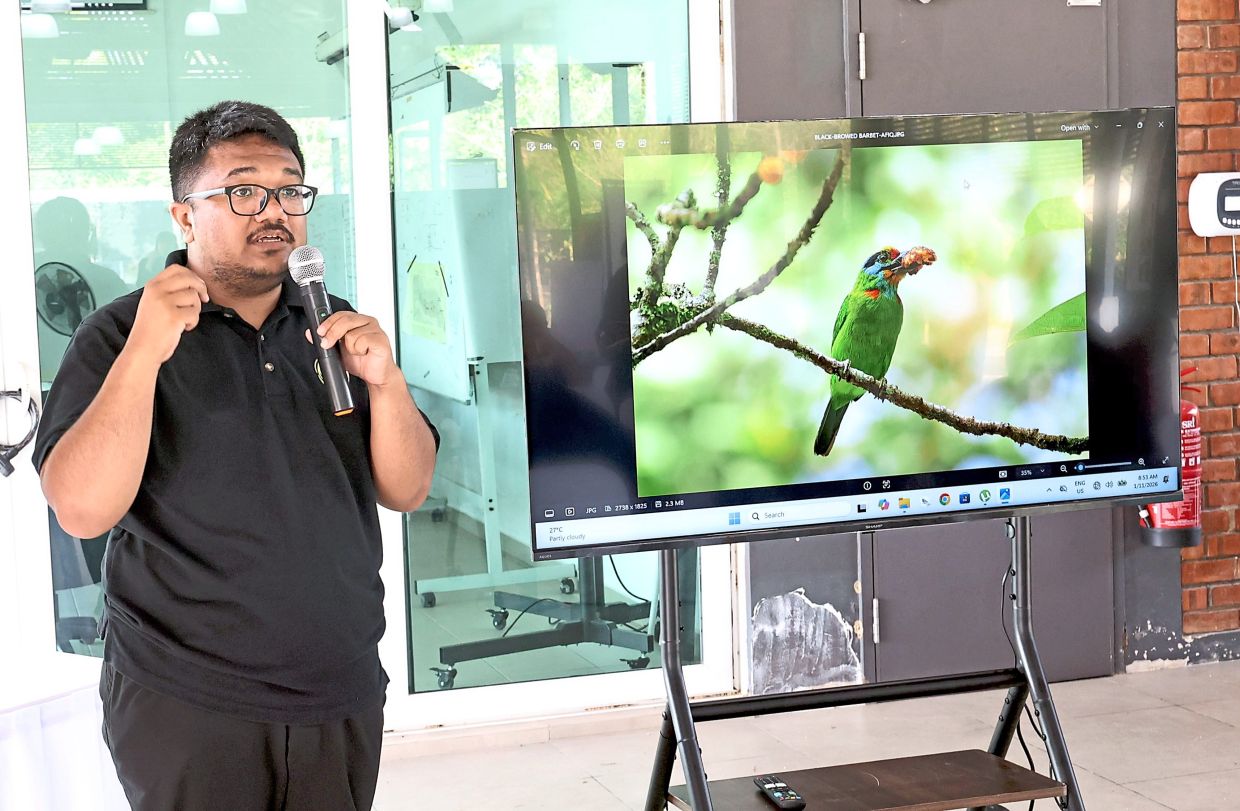
Less than five minutes into the walk, guide Abdul Afiq Abdul Rahman from the Nature Sustainable Ecosystem Society (NEST) paused to point out a Barn Swallow. Its deeply forked tail set it apart from the more common resident Pacific Swallow swooping overhead.
“Birds are sensitive to environmental changes like pollution, human disturbance, water quality changes and shifting food availability,” Afiq explained.
“This makes them reliable indicators of an ecosystem’s health.”
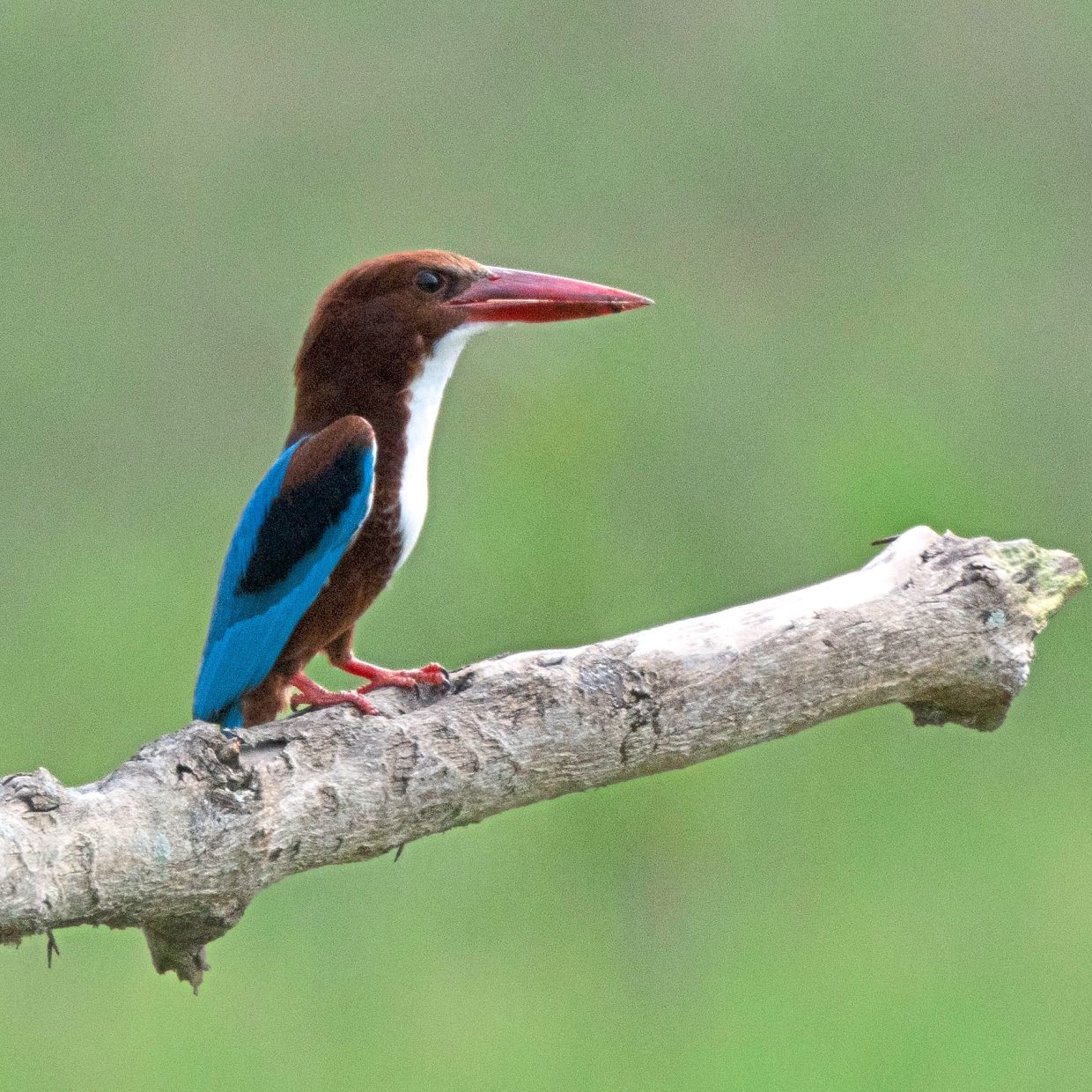
Take the White-throated kingfisher, one of the species documented in the City of Elmina. It hunts fish, insects and other small animals, so seeing one suggests the lake is supplying plenty of available prey.
For participants, learning to read these signals changes how they view their everyday surroundings.
“It forces you to be present and observant,” shared Cornelia Aisha De Alwis, 39, who logged roughly 20 species in just an hour and a half. Even in an urban area where we normally notice just crows and pigeons, there are so many different species. Spotting them gives you a whole new sense of appreciation for them.”
Why connection matters
Birds ignore property lines.
A lake, a park and tree-lined neighbourhoods work best as an interconnected green network where birds can freely feed, nest and take shelter.
Reconnecting fragmented green spaces restores these vital ecological corridors.
Layered canopies and diverse native fruit-bearing trees build richer food webs. Giving wildlife room and food in the right places can help ease human-wildlife conflict as neighbourhoods expand.
The City of Elmina is putting this into practice. Along the Sungai Subang riverbank, a stretch once overrun by invasive acacia trees is being restored as part of the Elmina Urban Biodiversity Corridor. By planting native and endangered, rare and threatened (ERT) tree species, the corridor links Elmina Central Park with the adjacent Bukit Cerakah Forest Reserve.
Sustaining the canopy
Recording 100 bird species, including two that are listed as ERT, in the City of Elmina suggests that thoughtful township planning can successfully support diverse wildlife communities.
But maintaining that balance as development continues requires intentional, long-term effort.
According to Afiq, sustaining these urban habitats comes down to four key priorities:
> preserving existing natural habitats
> increasing native plant species
> conducting long-term bird monitoring and
> improving wetland management.
The next time you hear a call in the early hours or spot a flash of blue over a lake, look a little closer.
The birds aren’t just passing through, they are letting us know that the neighbourhood ecosystem is alive and working.