As pre-pleated styles and online stores gain popularity, veteran tailors and drapers prove custom craftsmanship remains irreplaceable
WHEN celebrating the Festival of Lights, bright and colourful clothing sets a joyful mood.
The saree, a traditional Indian garment known for its cultural heritage and timeless grace, is an integral part of this occasion.

Due to the versatile nature of this garment, it has gained international appeal to the extent that celebrities such as Victoria Beckham and Lady Gaga have donned it for photo shoots and public events.
Jasmine Law, 32, began wearing the saree after she married into an Indian family.
Over time, she has amassed a collection that includes Punjabi suits and lehenga (long skirt).
“I have Punjabi suits that are staples for everyday wear, ready-made sarees, my wedding sarees and a lehenga that I wore for my nalenge (a blessing ritual held before the wedding ceremony),” said the corporate strategy department manager.
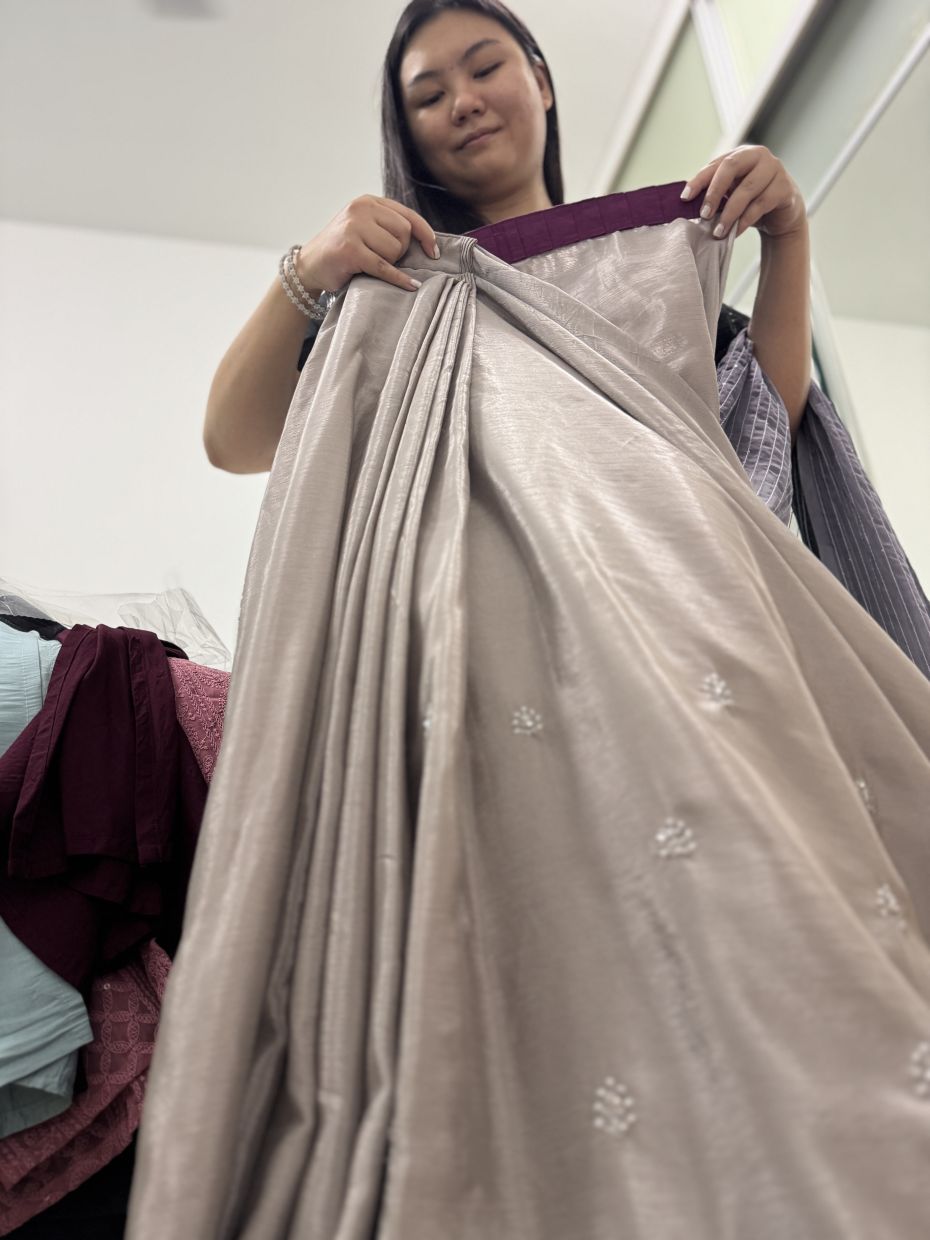
On how she dealt with the challenges of ensuring the long swathe of fabric was properly draped, Law said she discovered that elegance could be achieved in a minute with ready-made sarees.
After she acquires a new saree, she sends it to a tailor to have the pleats pre-stitched and have a hook and waistband fixed so the entire ensemble can be slipped on like a skirt in no more than five minutes.
She said there were now plenty of modern options for first-time wearers, including pre-pleating services and help from experienced family members.
Her advice to anyone wearing a saree for the first time is simple: just be comfortable and confident.
“Make sure you have the right petticoat, so that you feel comfortable throughout the day.
“Sarees have been worn for centuries – they are meant to hold, so don’t worry.
“A saree has a timeless elegance to it. For formal occasions, when I want to look dressed up and feel good, I think a saree fits the bill,” said Law, adding that she shops for sarees in store as well as online.
Tailor-made fit
In an age where ready-made sarees and online stores have become the norm, how have shopping trends changed when it comes to saree shopping?
Rukumani Rackan, a tailor with 37 years’ experience, said buyer presence was crucial when acquiring a new saree.
“When one buys a saree, one must also get a blouse which should ideally be tailored to one’s measurements.
“This is because the saree blouse has to fit like a second skin. The most crucial areas are the shoulders, armpits and bustline, which must be measured for exact fit.
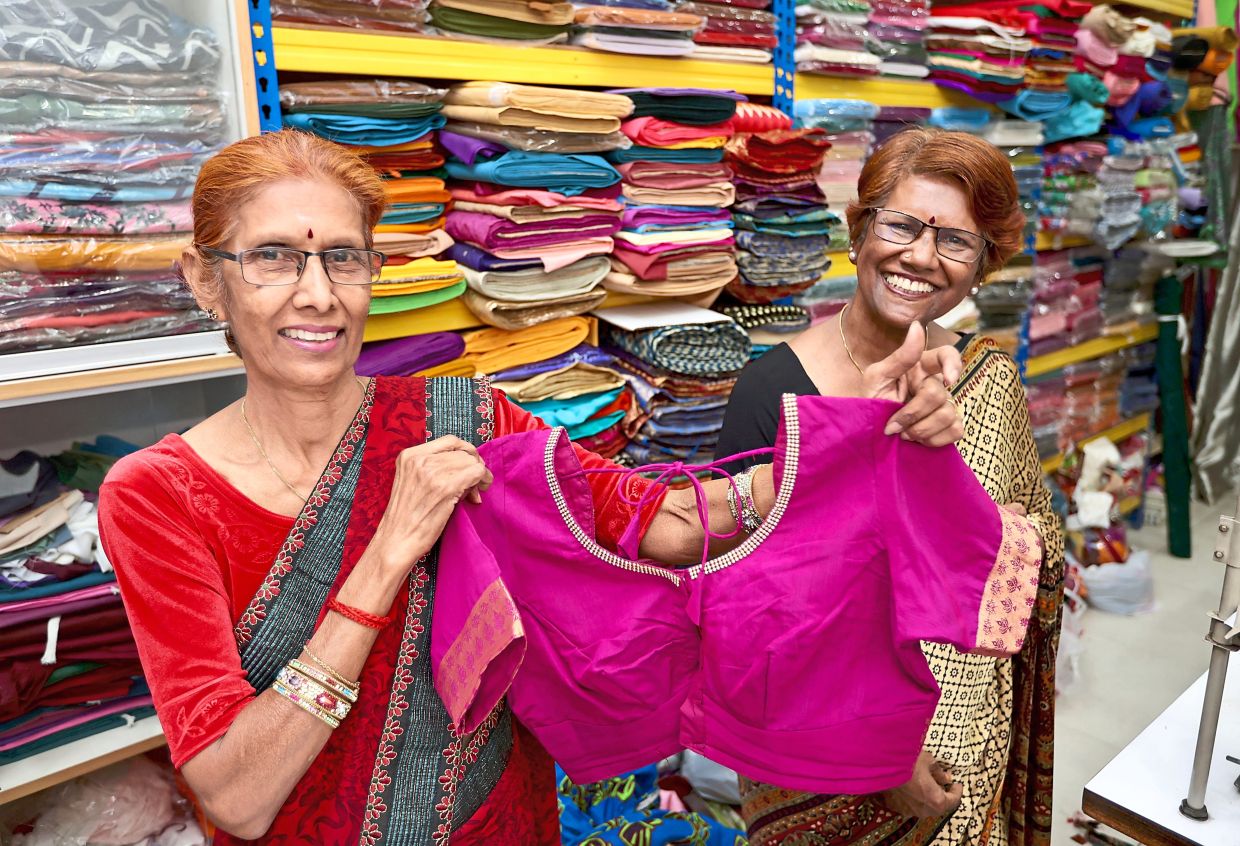
“Even if the wearer likes the sleeves loose, the shoulder measurements must be exact and must be able to balance against the depth of the neckline and the backline,” said the Petaling Jaya-based seamstress.
Using the professional services of a tailor also enables customisation.
“You can match a blouse to the border of the saree or add embellishments like glittery material.
“About 20 years ago, because there was a demand for lower necklines and bare backs, we added bra cups to some of our customers’ blouses. For a blouse to fit well, the cups also need to be fitted,” said Rukumani.
By visiting a tailor in person, a customer is able to ensure the quality of her blouse.
“Even if she opts for her saree to be pre-stitched as a ready-to-wear piece, it is also important to seek the professional services of a tailor so that the hooks and drapes fit the body measurements,” Rukumani emphasised.
In an age when ready-to-wear sarees can be easily bought off the shelf, professional make-up artist and saree draper Yogeswary Vajeravei, 45, said services like hers would continue to remain relevant because novelty could never replace tradition.
Her services are usually sought ahead of important occasions such as weddings.
“Most brides will not shop for her wedding saree online or opt for a ready-to-wear saree.
“Wedding sarees are often made from expensive fabrics.
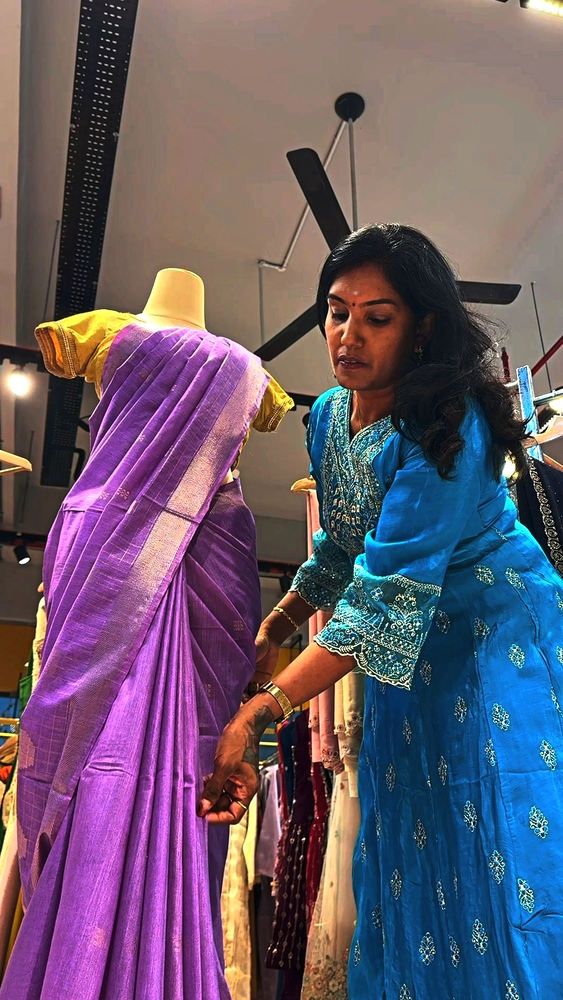
“As they may also become family heirlooms, they are typically not pre-stitched to fit just one wearer,” she pointed out.
Despite the abundance of online tutorials teaching people how to drape saree at home, Yogeshwary said she was not concerned that her profession would disappear.
She has 25 years’ experience and knowledge of 20 draping styles.
Although an experienced draper can put on a saree in about 10 minutes, many younger people do not know how to drape one themselves, said Yogeshwary.
“While online shopping and ready-to-wear options offer convenience, nothing replaces the personal touch of a carefully chosen saree and an expertly arranged drape,” she added.
Customer retention
Malaysian Indian Textiles Association secretary Datin Dr Maheswary Ramasamy said when shops were closed during the Covid-19 pandemic, online businesses developed rapidly.
“Due to this, walk-in business in stores have dropped by as much as 50%,” she noted.
However, she insisted, nothing could beat the in-store experience.
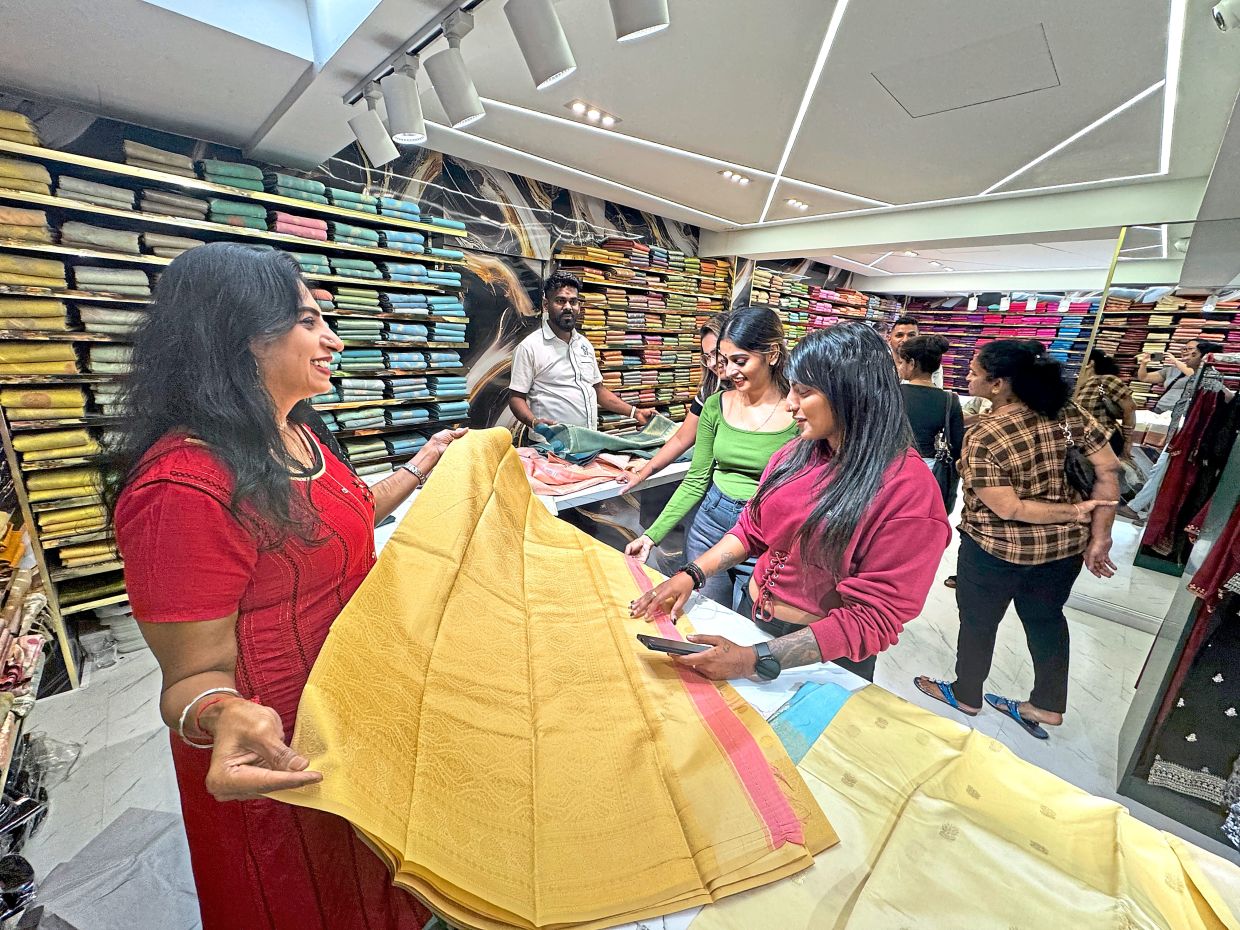
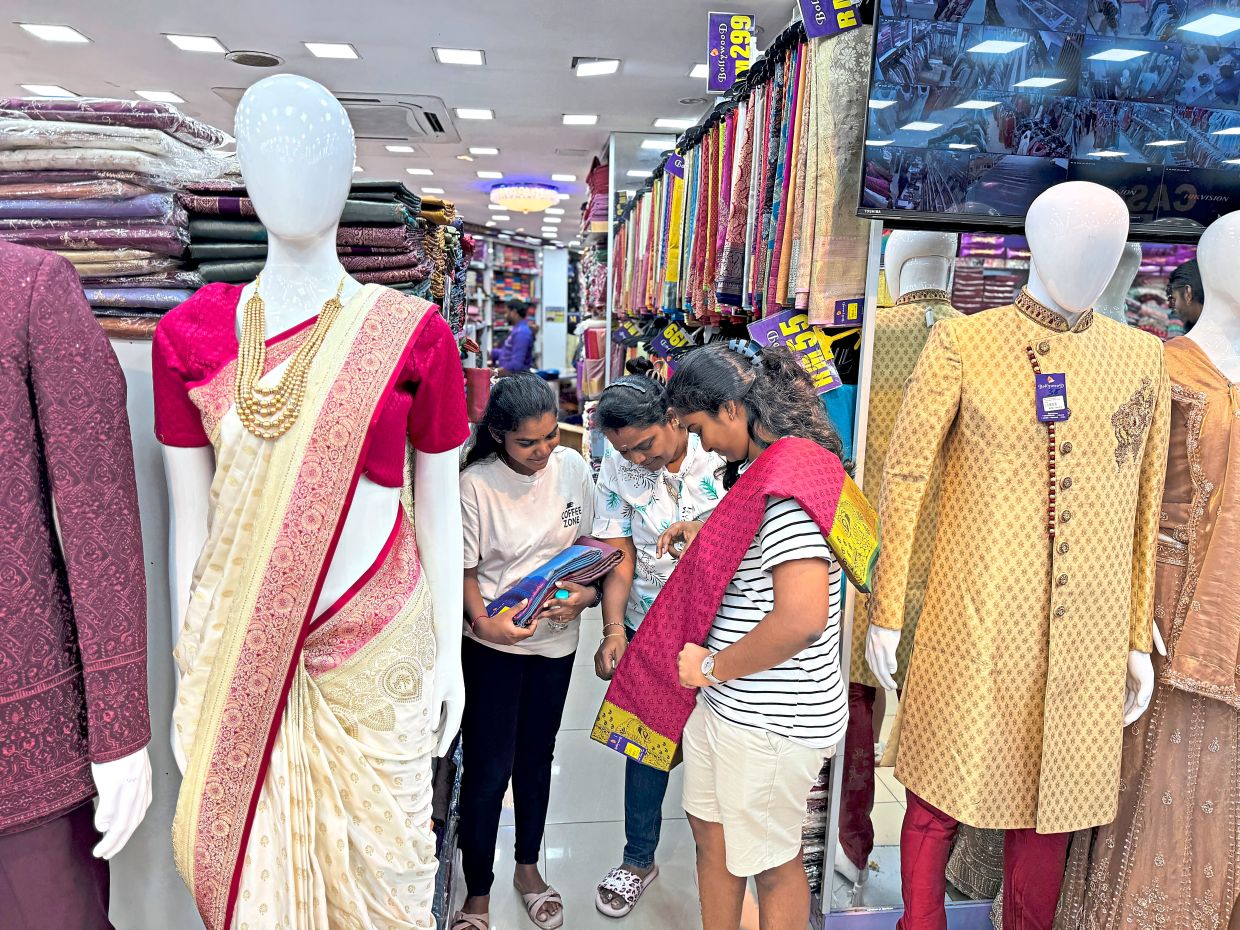
During a visit to physical stores, StarMetro found that sales assistants were more than willing to help with suggestions on colours and material types.
Most were eager to reveal how the fabrics were made, especially those that were hand woven.
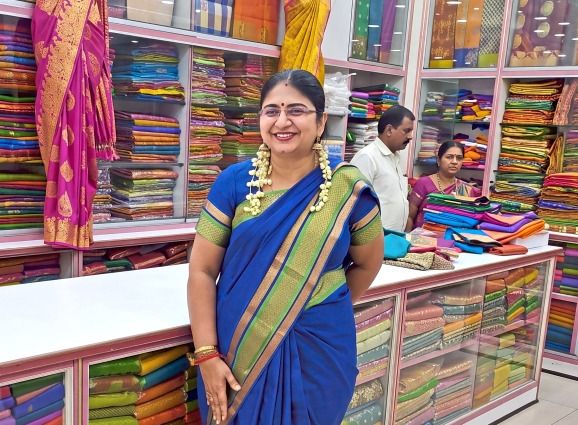
Maheswary said that to counter competition from online stores, brick-and-mortar shops typically maintained a wide selection.
She said saree fashion revolved and it would be best to choose a suitable style instead of keeping up with trends.
“What people wore 30 years ago can become fashionable again, just like how bell-bottoms were popular in the 1970s and later came back into fashion. Saree trends work the same way.”
Maheswary said the saree market was also vulnerable to knock-off designs, just like the rest of the fashion industry.
When someone introduces a beautiful design, other manufacturers may be quick to copy it, she said.
“There was a very popular palanquin-inspired design about two years ago which first appeared on pure, handwoven Kanchipuram wedding sarees costing around RM2,000 to RM3,000.
“Then, manufacturers in other parts of India copied it and made cheaper duplicates using synthetic silk for as cheap as RM30.
“As a result, people who wanted the original palanquin design for their weddings stopped buying it because it had become too cheap and common,” said Maheswary.
Sarees today come in a wide range of materials and styles.
One popular option is the “Japanese saree”, also known as georgette saree.
“These sarees come in rolls by the metre, so they have to be measured and cut.
“‘Japanese sarees’ are very nice because the material is extremely soft. You can roll one into a small piece and put it in your handbag,” said Maheswary.
Another commonly available variety is known as China silk.
“It is glossy and a little like satin. The material is soft, easy to drape and convenient to wear, making it a popular choice for those looking for something comfortable yet elegant.
“Sarees made of lightweight synthetic materials like poly-chiffon or soft crepe, crepe silk or butter silk can generally be hand-washed. This also goes for pure cotton sarees,” Maheswary said.
However, hand washing is not recommended for pure silk and semi-silk sarees which fare better with dry cleaning, she said.
“Some synthetic sarees can usually go into a washing machine, but this is not recommended for most other materials.
“The machine spins too quickly, and over time, the material can be damaged. The border threads may come loose too,” she elaborated.