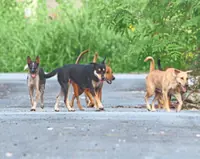
JOHOR will introduce a statewide action plan to address the issue of stray dog, especially in rural areas.
Johor Stray Animal Control Action Plan 2027-2031 will include specific standard operating procedures (SOP) on handling stray dogs, says state housing and local government committee chairman Datuk Mohd Jafni Md Shukor.
“The plan would involve cooperation between government departments, local councils, land offices, village heads, community leaders and non-governmental organisations (NGOs).
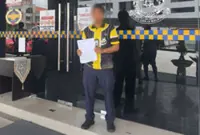
“It is time for us to look at the issue of stray dogs, especially in rural areas, as a whole and bring together government departments and NGOs to come up with a suitable SOP,” he told a press conference after attending a meeting at Johor Baru City Council headquarters.
He was responding to a question on follow-up action following the incident in Batu Pahat last month where a pack of stray dogs attacked a two-year-old, leaving her critically injured.
Mohd Jafni said the action plan was particularly important as some rural areas fell outside the jurisdiction of local councils and did not receive regular dog-catching services.
“We will need to look at how local council allocations can be channelled for dog-catching operations in rural areas, through district officers who will coordinate the efforts.”
He added that the action plan would also include vaccinating and neutering stray dogs to help control the population and reduce the risk of diseases, including rabies.
“At the same time, we need allocations and an education budget to raise public awareness about dog ownership and responsible care,” Mohd Jafni said.
He said dog owners should also be educated on licensing requirements and their responsibility to properly care for their pets to prevent them from becoming strays.
Mohd Jafni said one of the main factors contributing to the stray dog population was the abandonment of dogs that had been housed at project sites.
“There are contractors who get dogs for certain purposes while carrying out agricultural or development projects, but release them once the projects are completed.
“The animals then have to find food on their own and eventually end up roaming around,” he said.