
A new road leading to Bukit Liberica is set to open up another tourism stop for Paloh, Johor, as the town looks to revive its identity as a coffee-growing area.
Paloh assemblyman Lee Ting Han said the state-funded project, known as Jalan Baru Liberica Paloh, would make it easier for visitors to reach The Big Bean hilltop coffee plantation.
Paloh was once famous for its coffee, a heritage shared with nearby Chamek, just 9km away, he said.
“Now, there is an operator trying to bring back the glory days of Paloh coffee,” he said.
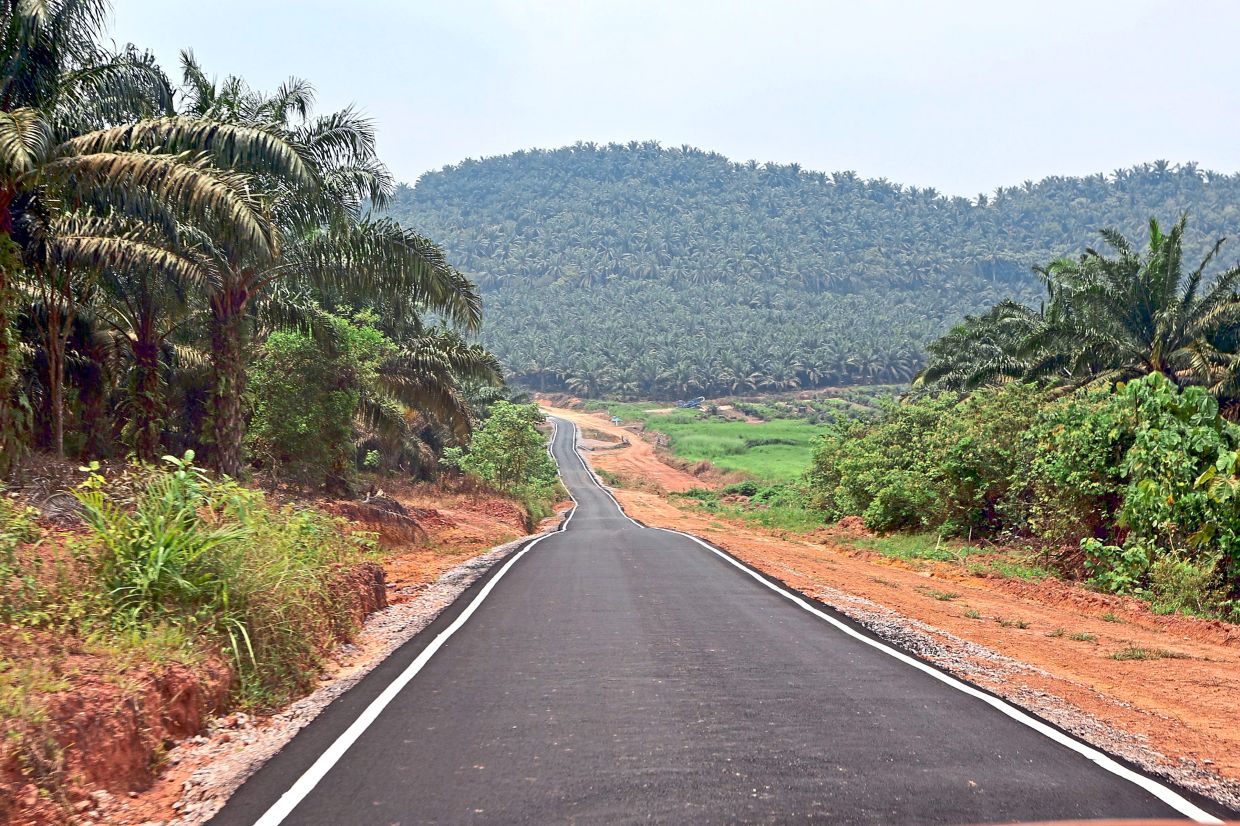
Lee, who is also state investment, trade, consumer affairs and human resources committee chairman, said RM1mil was allocated for the road.
He added that the Bukit Liberica venture had been identified as a key eco-tourism initiative, with support from both the Kluang District Office and the Johor government.
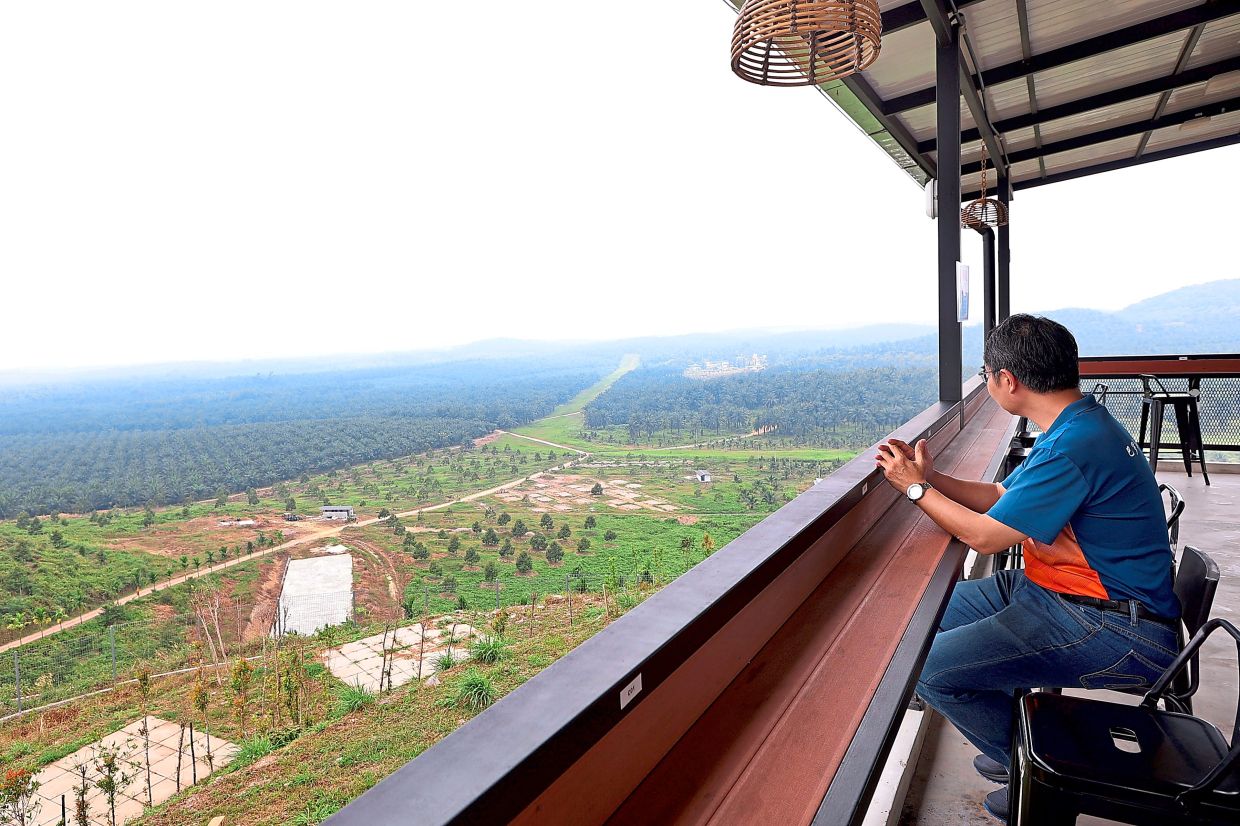
“We visited Bukit Liberica, where the operator is preparing to open a cafe.
“The new road will make it easier for people to come to Paloh. Visitors can go up the hill, have tea or coffee and spend time in the area.”
Lee said the existing route was difficult to use, especially for ordinary vehicles, making the new access road necessary, to attract more visitors.
He said the road project began in May and is expected to be completed by the end of next month.
Lee said Paloh needed an anchor attraction to encourage visitors to stay longer instead of merely passing through the town.
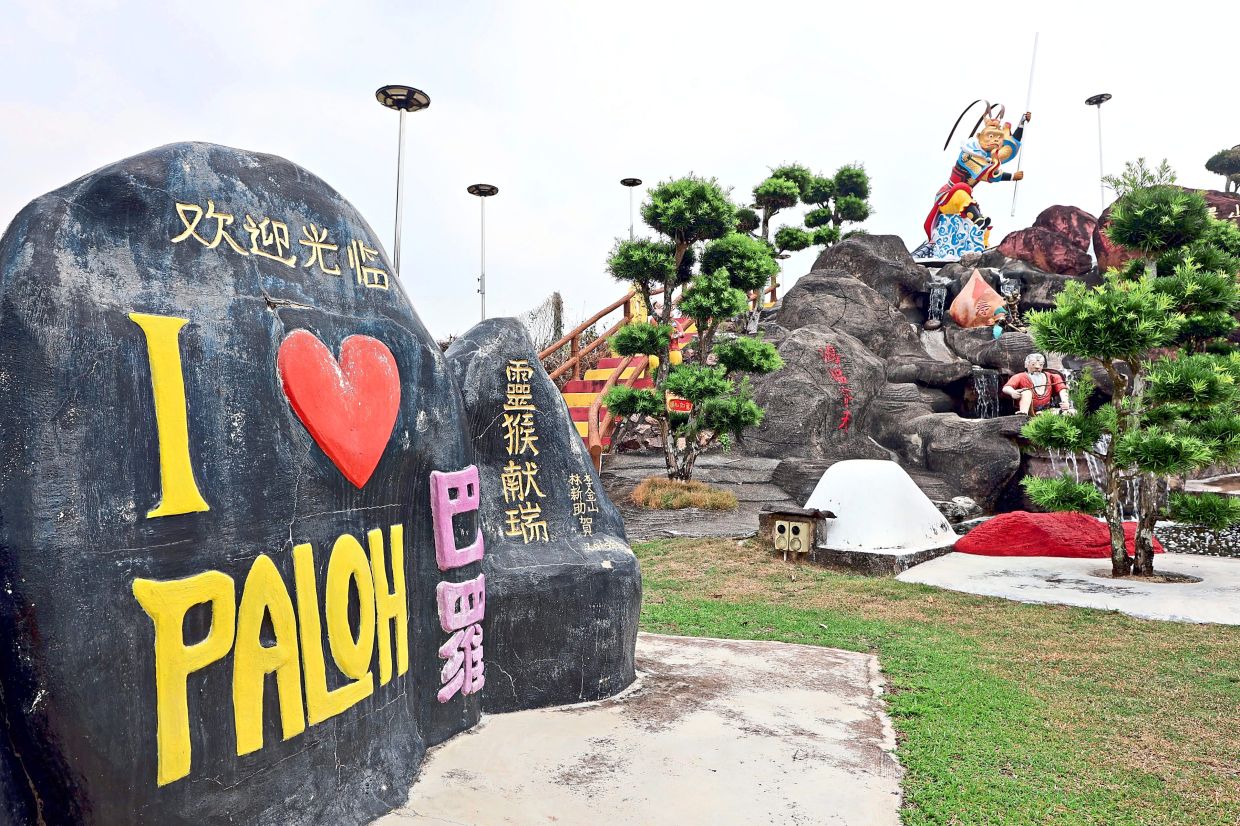
“For tourism to succeed, there must be a place where visitors can spend half a day or a whole day. Only then, will people make the drive here.
“At the moment, Paloh lacks that kind of attraction. Some visitors may come for coffee and leave soon after because there is not much else to do.
“With this project, people may come for sunrise or sunset and spend more time here. From there, we can build other tourism packages.”
Lee said the Bukit Liberica project was privately run but had received state support because of its potential to generate wider economic benefits for Paloh.
“We identified it as an eco-tourism project, which allowed us to apply for the allocation to build the access route.”
He said the project could also complement other attractions in the Paloh-Bekok area.
“Paloh and Bekok have durians, waterfalls and other natural attractions.
“Once the road connection is ready, visitors can have multiple stops instead of coming to just one place.”

Lee said the long-term aim was to link agriculture, nature and local heritage into a stronger tourism package for Paloh.
“We hope this will not only remain an agricultural project, but also become part of agro-tourism and eco-tourism in Paloh.
“Visitors can see how coffee beans are processed, fermented and eventually turned into the coffee we drink.”
Paloh resident Kek Wan Ling said, “This area has a lot of history with regard to coffee plantations but over the years, quite a lot of areas have been planted with durian trees.”
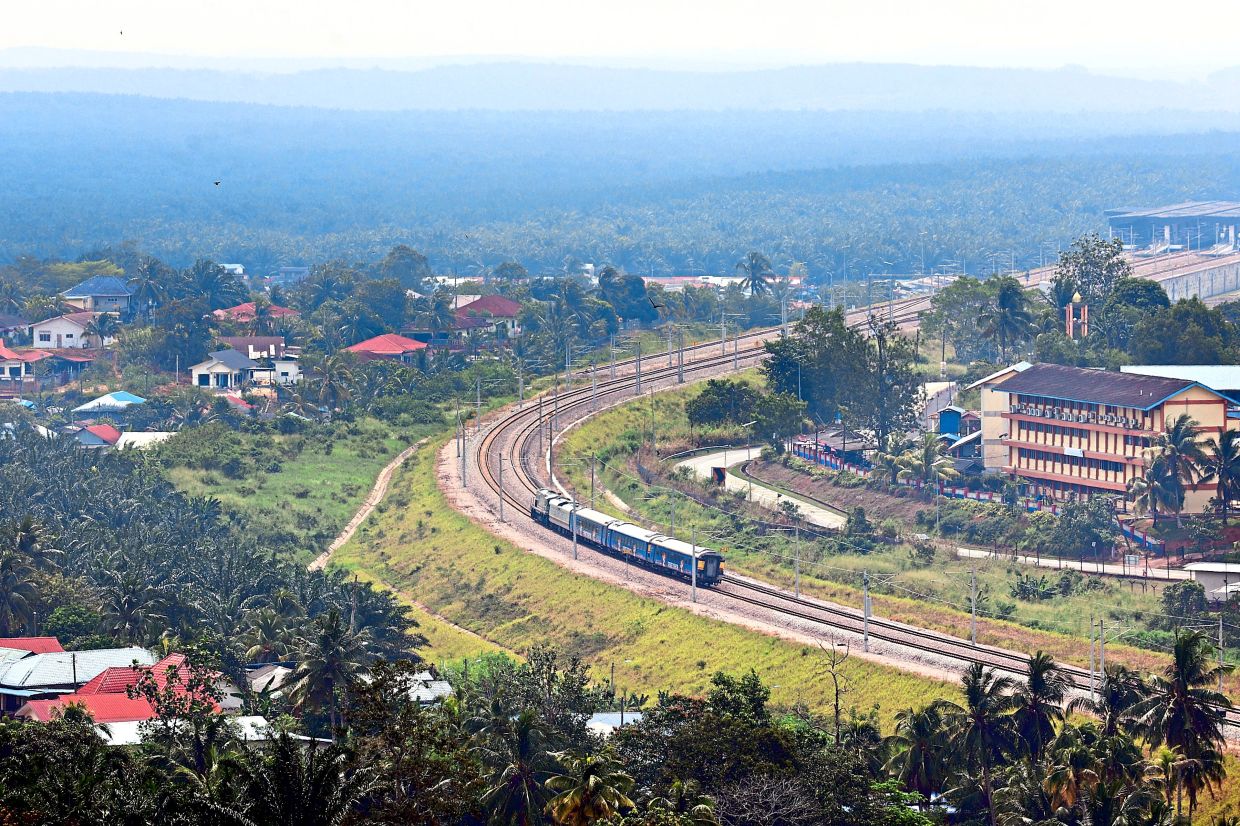
Kek said that the arrival of the ETS train service to the area was good as it helped to bring more visitors to the town.
“However, we need to have better connectivity as we do not have e-hailing or taxi services here.
“We should also have a small resort here to attract people to spend the night here enjoying nature.”
Kek said she hoped more development in the area would spur the people to work locally instead of moving to bigger cities for jobs.

Businessman Zainy Jamil, from Kluang, said travelling to Paloh at least twice a week was a must for him to have his favourite cup of coffee.
“I also like travelling up to Bukit Liberica as it is very peaceful and the scenery is breathtaking,” he said, adding that he usually visited with his friends or family.
Zainy also hoped a resort could be built to spur more visitors to spend time there instead of just making day trips.
“It is also nice to see the ETS trains coming and leaving the station,” he said, adding that more effort needed to be made to promote Paloh as an eco-tourism destination.