ACROSS Kuala Lumpur, residential streets are steadily losing their quiet suburban character and taking on the feel of commercial zones.
Take a trip down almost any residential street today and the change is hard to miss. Delivery lorries park across driveways, hand-painted signs hang from front gates, and a steady stream of cars arrives day and night.
In fact, turning a house into a business no longer requires a shopfront – just a CCTV camera, an electric gate, a smartphone and a QR code.
From restaurants and cafes to childcare centres, short-term rentals and wholesale warehouses, residential properties are rapidly being repurposed.
Kuala Lumpur City Hall (DBKL) says small-scale commercial activities can be allowed in residential areas, provided they meet planning rules and secure approval (see sidebar).
But residents argue that the situation has gone far beyond the occasional home business, leaving planners and enforcement officers with this question: at what point does a house stop being a home?
Complaints about businesses operating from residential properties have tripled in recent years, with new cases being reported almost daily.
Seputeh Residents’ Representative Council (MPPWP) Zone 6 chairman Alvin T. Ariaratnam said the trend accelerated during the Covid-19 pandemic, when lower rents and utility charges made homes an attractive alternative to commercial premises.
“What may have started as a practical solution during the pandemic has since evolved into a much bigger problem,” he said.
Residents face a daily barrage of disruption, with complaints centring on noise, gridlocked roads, double-parked cars, mounting rubbish and bitter disputes between neighbours.

Although the operators claimed prayers took place only occasionally, council inspections and video evidence proved the property was operating as a full-time place of worship.
The dispute was eventually handed over to DBKL to take enforcement action.
Behind many of these cases is a simple shift in who actually lived in the house.
In several affected neighbourhoods, original owners have long since moved out, letting out their properties to tenants who live in a single room while turning every remaining square metre, be it the porch, garage or spare bedrooms, into commercial spaces.
Others treat these homes purely as investment vehicles: existing business owners buy up residential properties with sole intent to convert them, while absentee landlords lease entire houses to third parties running everything from kindergartens to wholesale storage.
Without an owner on site – and with no personal stake in the neighbourhood – operators treat these homes as pure commercial assets.
When problems inevitably arise, desperate neighbours are left with no one on the ground to hold accountable.
Residents pay the price
For 22 years, Low Kim Boon, 70, called his semi-detached house in Taman Yarl home.
He paid more than RM700,000 for it, believing he was buying the peace and privacy of an established neighbourhood. Today, he says that peace is gone.
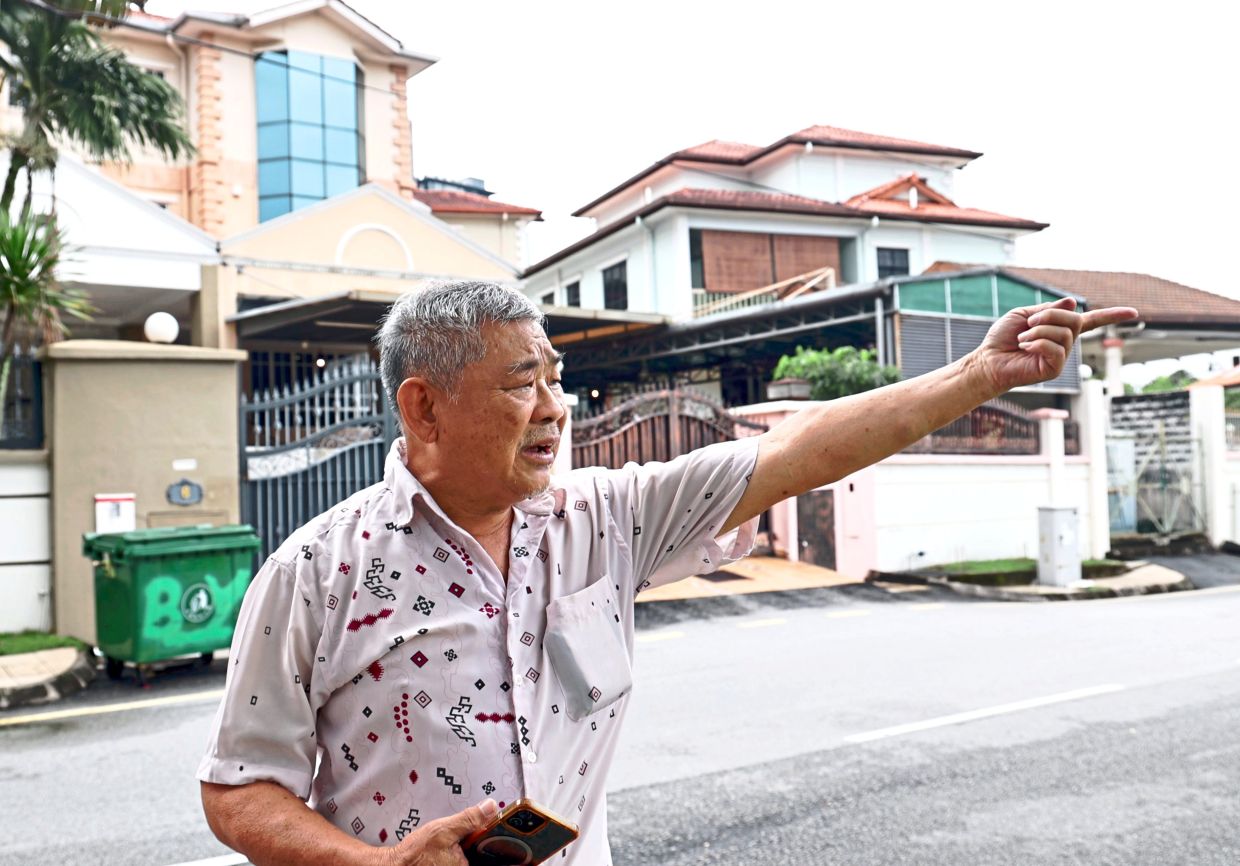
Low claimed the house next door was frequently used for private functions, resulting in loud music, rubbish, congestion, indiscriminate parking and even fireworks, with tents along the road and outdoor cooking.
He had lodged about 20 police reports, but said they had grown reluctant to take further ones, saying that he should refer the matter to DBKL.
“When I bought this house, I never imagined that one day I would be living next to what feels like an event venue. You don’t know when the next event will happen.
“Suddenly, the cars arrive, the tents go up and there is music, shouting and fireworks. How are we supposed to rest? People say it is only one party. But when it happens repeatedly, year after year, it becomes your life.”
For S. Devi, 80, the anxiety began when the house next door in Taman Bukit Indah changed hands and was used to store and sell cocopeat, a growing medium made from processed coconut husk fibre.
Bags piled up on the porch and along the back lane, and lorries unloading stock, while a steady stream of pickup trucks, cars and strangers came and went.
As the property was listed as a business address, customers sometimes knocked on Devi’s door for directions.
“Your home should be where you feel safest. Instead, I became frightened whenever a stranger came to my gate,” she said, adding that she also worried about loose fibre washing into the drains.
Although the goods were removed and the owners fined after her complaint to DBKL, Devi is far from happy.
“I should not spend my days worrying about lorries, strangers and goods stored next door. I only want to live peacefully in my home.”
For Emily Tan, the trouble began when a corner house in Happy Garden became a restaurant.
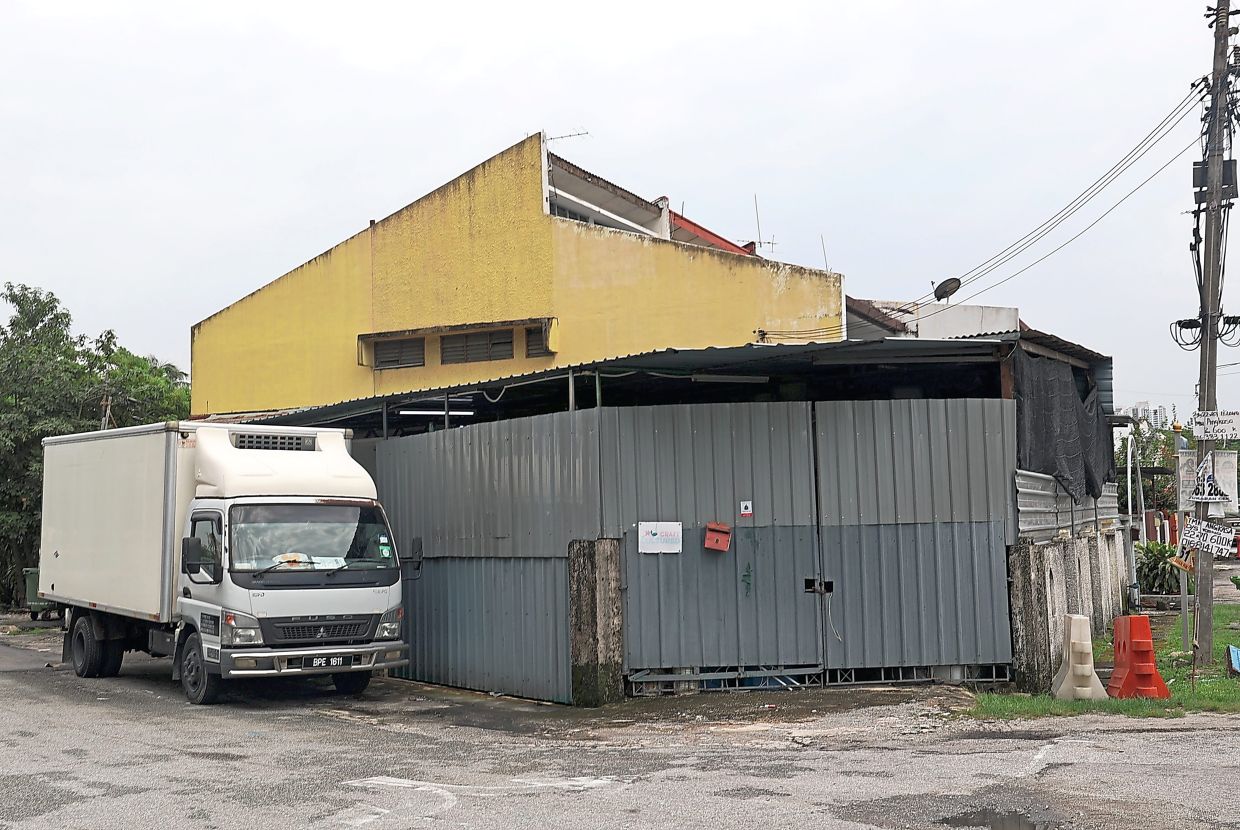
She said customers arrived throughout the day and into the night, their cars taking up spaces normally used by residents and blocking junctions and gates.
Cooking odours drifted into neighbouring houses, forcing residents to keep doors and windows shut, while food waste and overflowing bins drew flies and rats.
“People were coming and going at all hours. Sometimes, we could not even park near our homes. We did not have these problems before,” she said, fearing the congestion could one day block an ambulance or fire engine.
“When you buy a home in a residential area, you expect to live beside other homes.
“You do not expect a restaurant to bring its entire operation to your doorstep.”
The issue, she said, was not opposition to businesses, but whether residents should lose their peace, cleanliness and security when a neighbouring home turned commercial.
Homes to wholesalers
In Taman Angkasa, Taman Pandian and Taman Puchong Indah, three neighbourhoods covered by a single residents’ association representing about 200 houses, residents complained of a corner house being used to store fruit for wholesale.
“Residents are unhappy that a residential unit at the entrance to Taman Angkasa has been used as business premises for more than a decade.
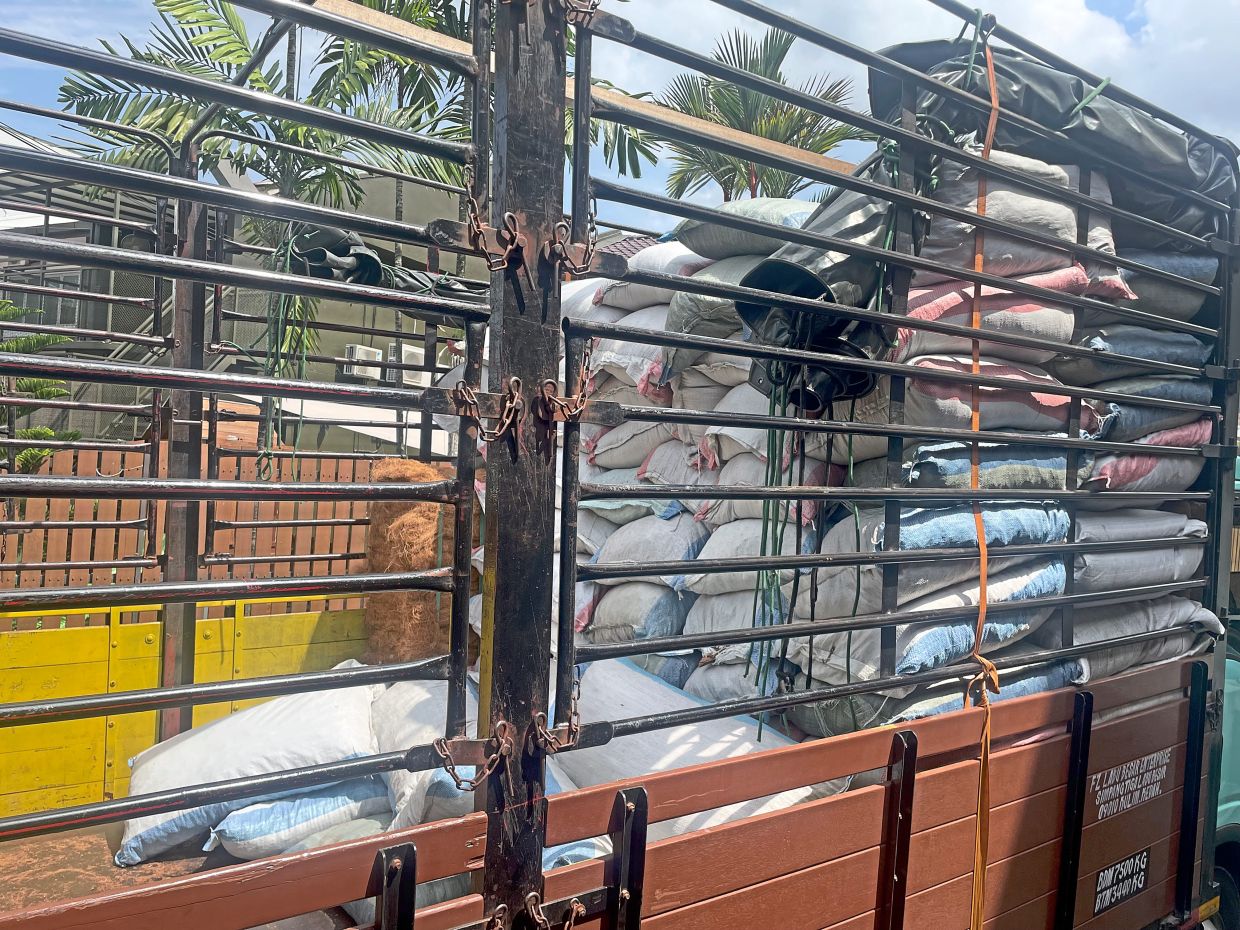
“Its unsightly appearance has significantly depressed property values in the area. The premises have also become a breeding ground for rats and monitor lizards,” a Taman Angkasa spokesperson said.
Cheras MPPWP Zone 4 chairman Tanabalan Sinniah said similar cases were also cropping up in the area, particularly near Jalan Cheras where proximity to commercial hotspots drove business owners to rent nearby houses for storage, eateries and small cafes.
“We are aware and concerned as this could disrupt the surrounding neighbours,” he said, adding that they would be highlighting the issues to DBKL.
Properties being used for business activities are causing similar problems for residents in Taman Batu View, near the Kuala Lumpur Wholesale Market, where many houses have been converted into storage facilities.
Stacks of boxes filled with fruits and vegetables fill house compounds, while rubbish bins overflow with discarded produce.
A homeowner, identified only as Hisham, said the problem was worsening as most owners havemoved out and rented their property to foreigners working at the nearby market and shops.
“There is occasional enforcement action, but it has not deterred them from continuing to use the houses for storage and sorting.
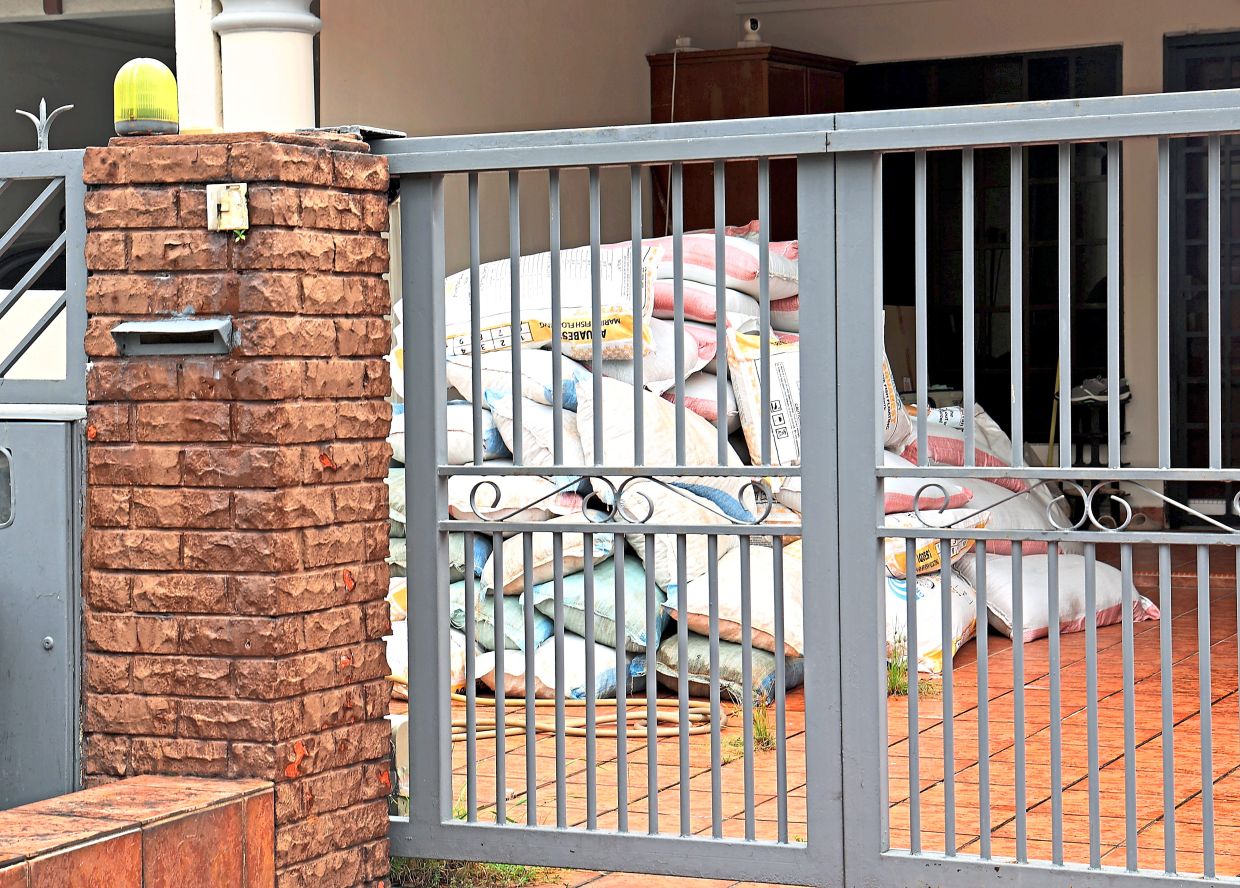
“Many also install high, covered gates to keep the activities out of sight,” he claimed, adding that property value in the area had fallen sharply because of the deteriorating conditions.
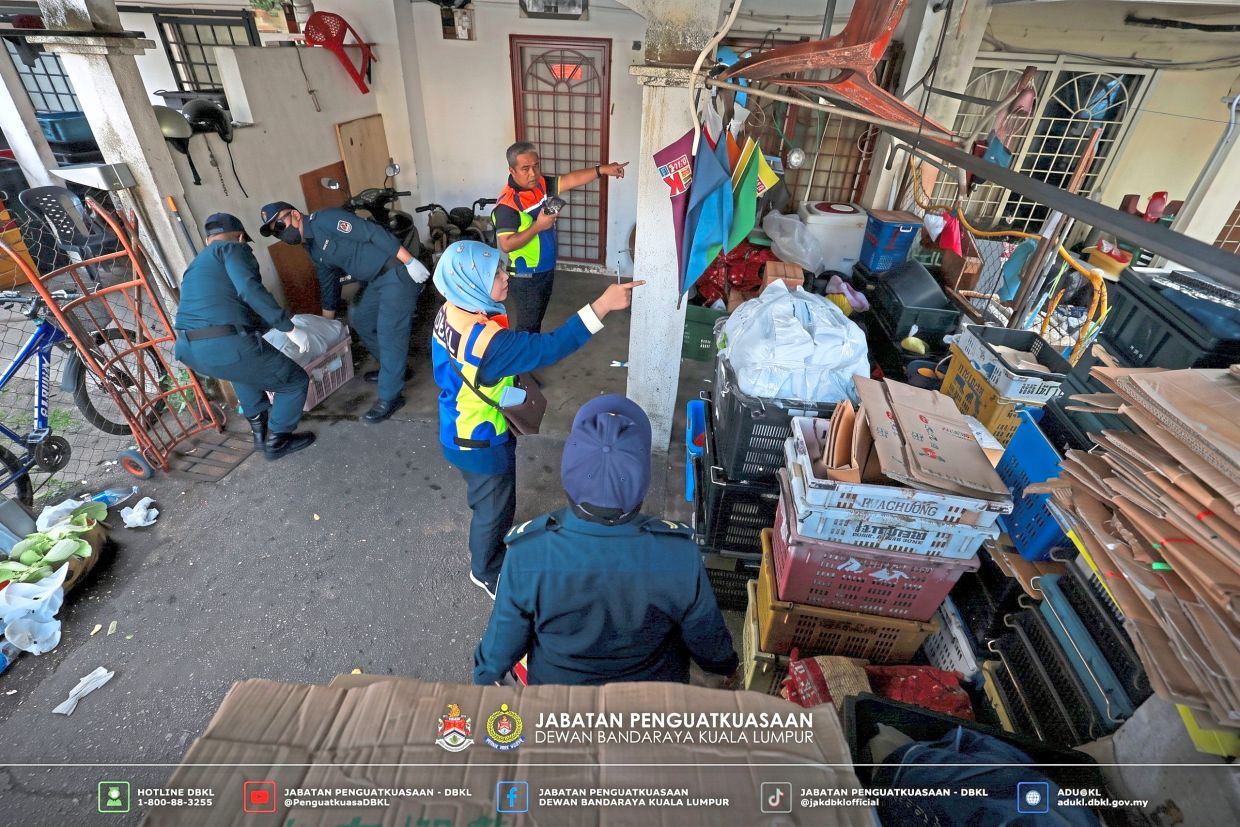
In a DBKL enforcement operation in May, 10 properties in Taman Batu View were found to have been converted into wholesale storage warehouses without Development Orders, an offence under Section 26 of the Federal Territory of Kuala Lumpur Planning Act 1982.
Authorities seized the produce and business equipment at the premises.
While Section 26 gives DBKL the power to shut down illegal conversions, occasional raids do little to stem a city-wide trend.
Without tighter controls on absentee landlords and commercial leases, quiet residential streets will keep turning into business hubs.