Clean public toilets are essential but accessibility, safety and ease of use are equally important in ensuring the facilities meet needs.
As Johor Baru City Council (MBJB) steps up efforts to improve public toilets under its management, consumer and business groups say cleanliness alone is not enough.
They call for better accessibility, consistent maintenance and greater consideration of the needs of different user groups.
Johor Indian Business Association (Jiba) president P. Sivakumar said MBJB should also increase the number of public toilets, for the convenience of residents and visitors.
“We need more public toilets in the city, but providing them is only one part of the solution.
“It is important for the facilities to be clean, pleasant and properly maintained,” he said.
Sivakumar said the city council had to ensure regular cleaning, proper maintenance and adequate funding to keep the facilities in good condition.
“MBJB and the public must work together,” he said.
“The city council has a responsibility to maintain the facilities, while the public also has a role to play in keeping them clean.”
He said clean public toilets were important for public health.
Sivakumar suggested putting up signs reminding users to flush toilets after use, wash their hands and keep the facilities clean.
“Simple reminders can encourage people to be responsible when using public toilets.
“Everyone should help keep the facilities clean for the next person,” he emphasised.
He said the association had received complaints about the condition of some public toilets, particularly those at eateries.
“Among the complaints we received are about broken toilet fixtures, poor lighting, leaking taps and blocked toilets,” he said.
Sivakumar said people also reported on insufficient water, soap, disinfectant and toilet paper, as well as a lack of hand-drying facilities.
“These are basic necessities that should be made available.
“Even if a toilet looks clean, it will not serve its purpose properly without water, soap or other basic amenities,” he said.

He added that regular inspections and prompt repairs were necessary to keep public complaints at bay.
Malaysia Budget Hotels Association (MyBHA) Johor chapter chairman Jarod Chia said public toilets in Johor Baru had improved considerably over the past few decades.
“Public toilets are better than they were 10 or 20 years ago, but we should not be complacent because there is still room for improvement,” he said.
He stressed that cleanliness was important because Johor Baru was the southern gateway into Malaysia and it welcomed many foreign tourists.
“When tourists arrive in Johor Baru, public facilities are part of their experience.
“Clean toilets help improve not only the city’s image but Malaysia’s image too,” he said.
He added that maintaining clean public toilets would demonstrate that hygiene and cleanliness were priorities, as was the expectation in developed countries.
Chia also applauded MBJB’s grading system for toilets in hotels, restaurants and shopping centres, which encouraged businesses to maintain their facilities.
“Although the grading system is not compulsory, businesses understand that a clean toilet can attract customers and contribute to a better experience.”
He said the same principle should apply to public toilets managed by MBJB.
“If MBJB maintains the cleanliness and ensures that its public toilets are operational, this will help make the city more welcoming to tourists,” he added.
Chia also welcomed the use of technology to make public toilets more convenient, particularly quick response (QR) code payment systems for entry.
“QR code payments are useful because not everyone carries coins or small change these days,” he said.
“Having this digital option makes it easier for people to use the facilities.”
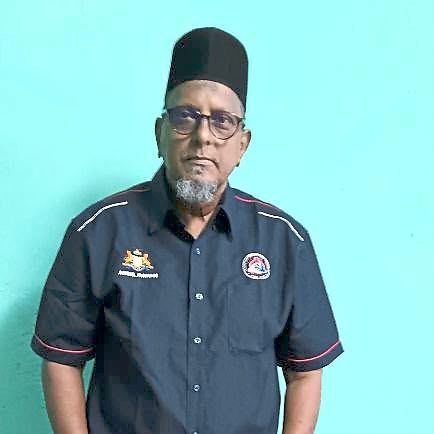
Persatuan Bersatu Hak Pengguna Johor chairman Abdul Rahman Kunju Mohamed said MBJB should do more to publicise the locations of its public toilets.
“Not many know the exact locations of public toilets, so better promotion is needed to raise awareness,” he said.
He noted this was needed because some eateries did not allow non-customers to use their toilets.
He also suggested that MBJB placed its personnel at public toilets to improve security, particularly for women.
“Public safety must also be taken into consideration.
“Having staff at these facilities can help safeguard users, especially women,” he said.
While welcoming MBJB’s efforts to improve the city’s image, Abdul Rahman said the challenge was ensuring that the improvements were sustained over the long term.
“It is good that the local council is taking steps to improve our city’s image, but maintaining and sustaining these standards will be key to meeting public expectations,” he added.