
Community-led cultural initiatives are transforming Jambatan Kota in Klang, Selangor, into a public space for culture, recreation and community markets.
Known as Malaysia’s first double-decker bridge, it was built by Dorman Long Engineering Ltd between 1958 and 1960.
Its upper deck was used by cars, while the lower deck catered to pedestrians and two-wheelers.
However, unable to cope with heavier traffic, Jambatan Kota was closed to motorised traffic in 1992.
A new Jambatan Kota was built alongside the old bridge to accommodate modern traffic and opened the same year, while its predecessor was retained as a link to the city’s past.
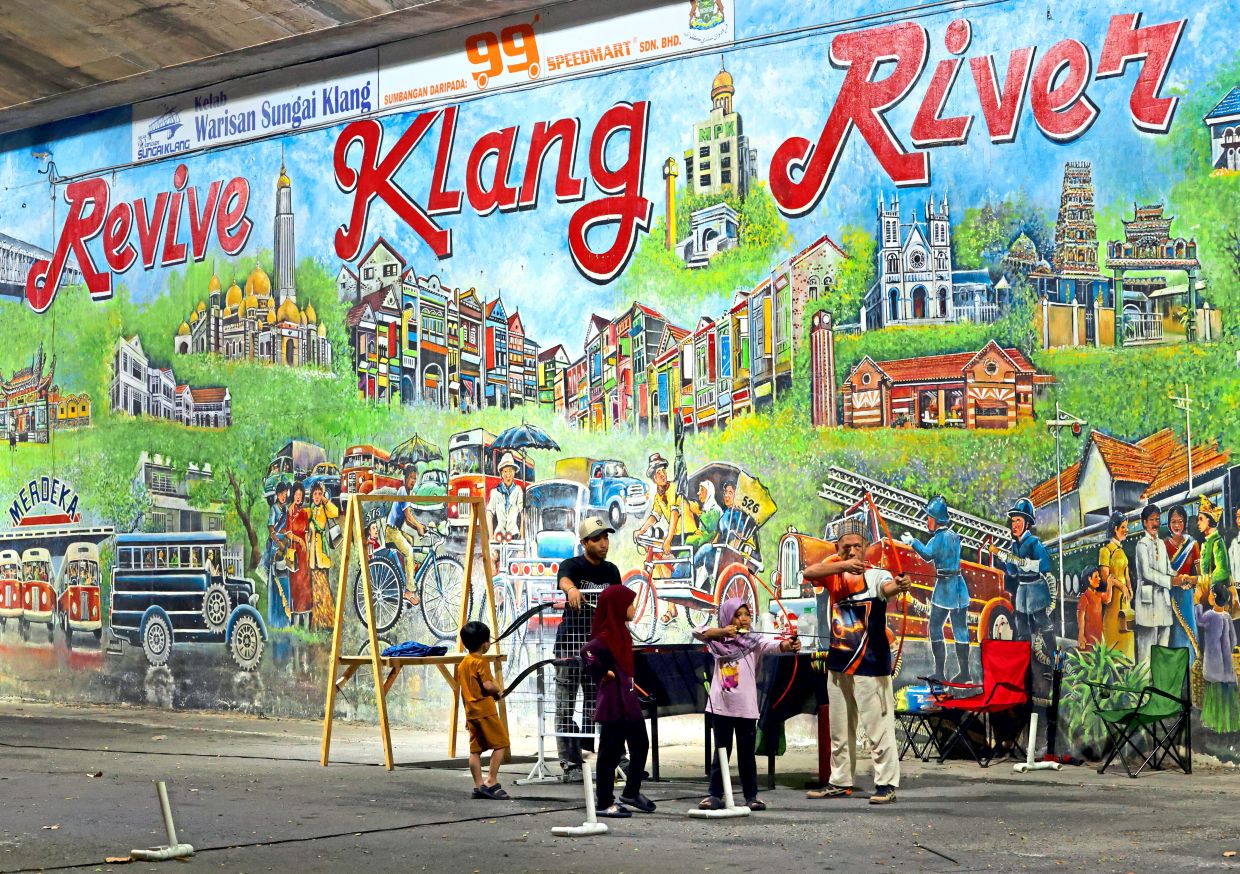
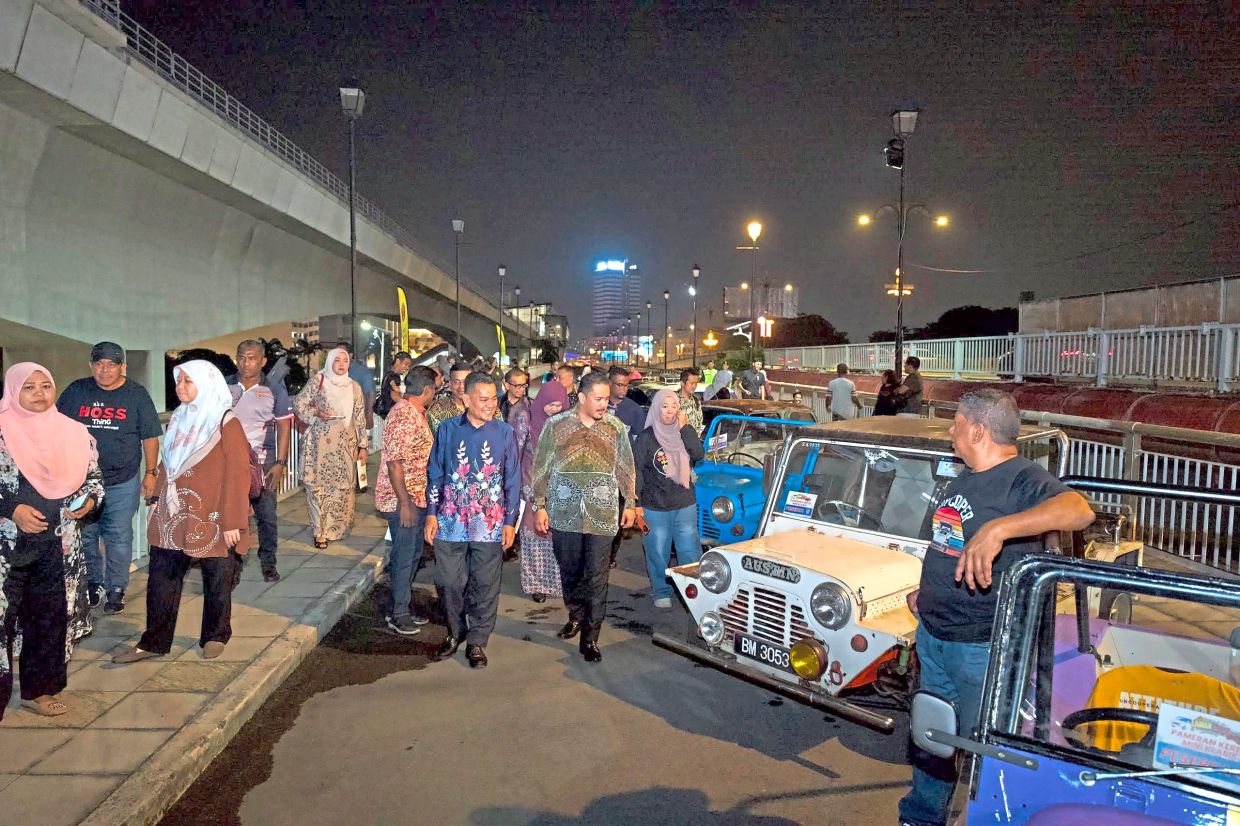
As part of the revitalisation effort, Klang Royal City Council (MBDK) has breathed new life into the historic double-deck bridge with a Saturday market, cultural activities and riverside picnic areas.
Today, Jambatan Kota’s lower deck is open to pedestrians, bicycles and motorcycles.
Building a public space
Klang mayor Datuk Abd Hamid Hussain said the project aimed to reconnect residents with the historic bridge while creating new economic opportunities for local entrepreneurs, artisans and food vendors.
“Consultations with urban planners, councillors, teenagers and young adults showed a preference for improving public spaces through community participation rather than large-scale development,” he said.
Jambatan Kota, he said, was an important historical crossing that had witnessed generations of social and economic activities.
“Changes in travel patterns and urban development gradually reduced the bridge’s significance,” he said, adding that anglers were now a common sight fishing from the bridge over Sungai Klang.
Abd Hamid said MBDK planners had used the feedback to give the bridge a renewed purpose as a community space.
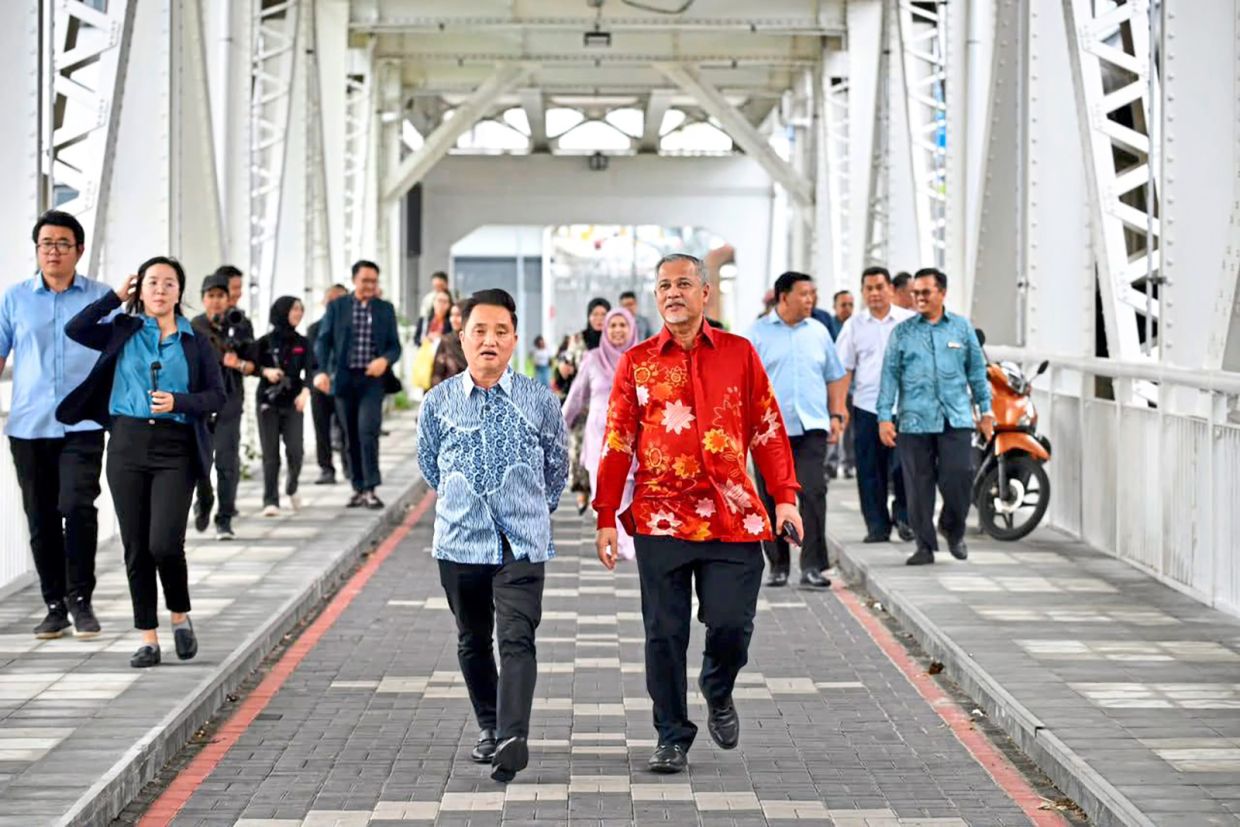
The aim, he said, was to transform the bridge and surrounding riverfront into an inclusive space where history, culture and everyday life came together.
“Under MBDK’s placemaking project, the Jambatan Kota area will host a regular weekend market featuring local crafts, traditional delicacies and creative products,” he said, adding that young people had also contributed many innovative ideas.
Abd Hamid said the market on the lower deck of Jambatan Kota provided an accessible platform for youth-led enterprises, community organisations, and home-based entrepreneurs to showcase their products.
“Beyond knick-knacks, the initiative places strong emphasis on cultural expression.
“Community performances, heritage exhibitions, buskers, storytelling sessions and art exhibitions are among the featured activities at Jambatan Kota.
“I have taken a stroll from my official residence at Jalan Raya Barat and seen people spending time at the bridge on Saturdays. It is wonderful.”
He said the initiative could help build stronger community ties by bringing people together.
Abd Hamid said the placemaking project could also make heritage a more visible part of everyday life.
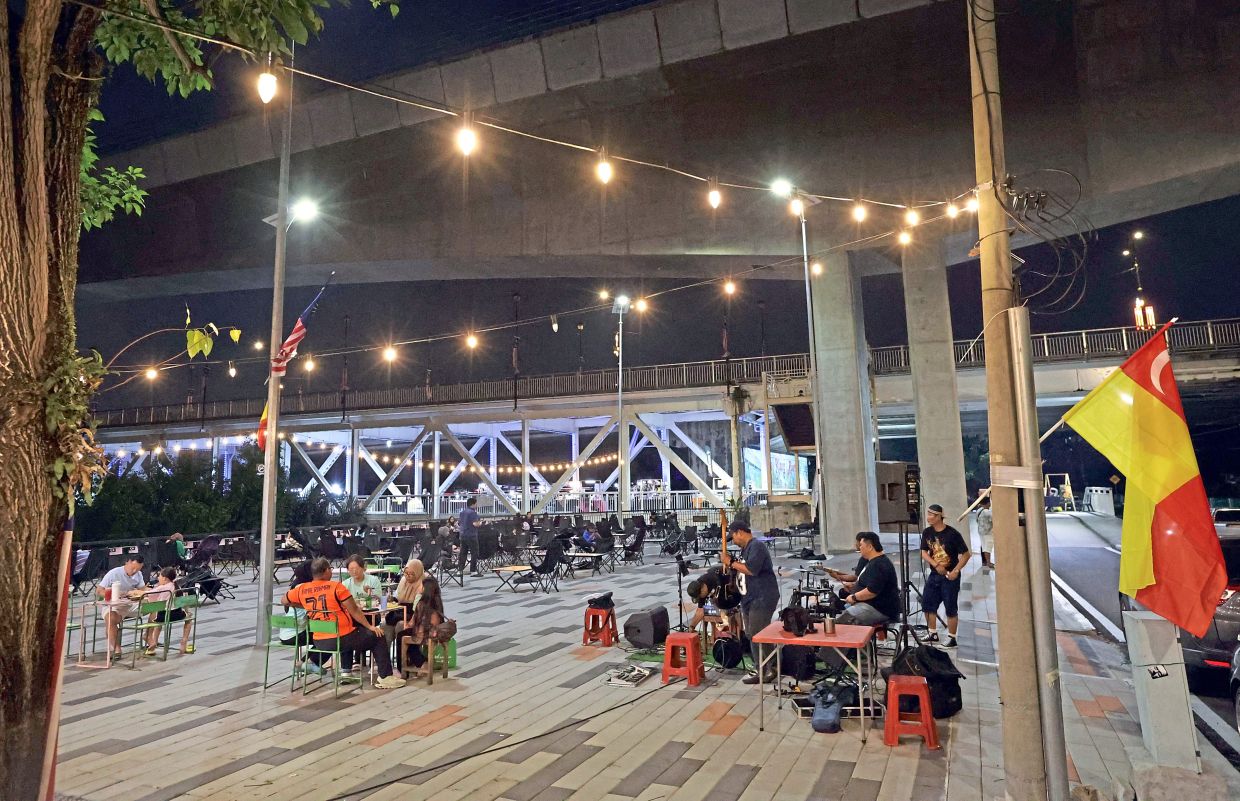
“Instead of just preserving heritage, the Jambatan Kota project aims to make history part of everyday life by encouraging people to visit, learn and participate,” the mayor added.
Improving visitor experience
VolunHeritage founder Shaiful Azli Muhamad Surol, who manages the Saturday market and events at Jambatan Kota, said a key component of the revitalisation plan was the creation of picnic zones to make the riverside more welcoming.
“Landscaped green spaces, shaded seating areas and improved pedestrian accessibility are expected to enhance the overall visitor experience at Jambatan Kota,” he said.
Shaiful Azli said the picnic areas were safe and conducive to family outings, informal gatherings and community events.
“MBDK has combined recreation with heritage conservation to make Jambatan Kota a destination for history enthusiasts, families, students, cyclists and other visitors,” he elaborated.
Shaiful Azli said MBDK planners recognised that good community spaces should cater to people of all ages and encourage regular use.
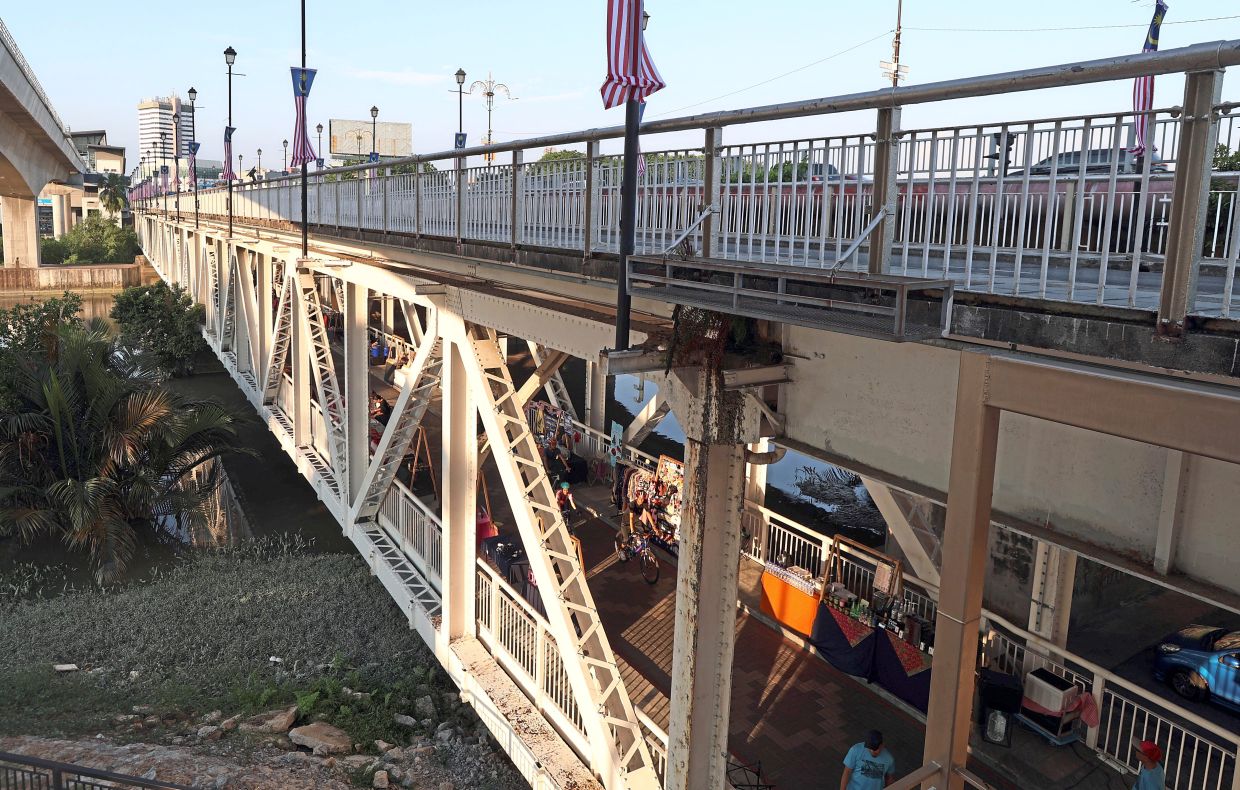
“A combination of cultural events, recreational facilities and weekend markets helps create continuous activity that supports both social interaction and economic growth,” he said.
MBDK architect Imran Isma Adhha said the placemaking initiative was in line with broader efforts to promote sustainable urban development.
This, he said, could be achieved by prioritising walkability, community engagement and adaptive reuse of heritage assets.
“MBDK has incorporated feedback from stakeholders into the project, focusing on existing public spaces and community participation,” he said.
“Local entrepreneurs at Pasar Jawa, along Jalan Pasar, as well as in Little India along Jalan Tengku Kelana, stand to benefit significantly from the weekend market.
“Increased visitor traffic will also provide affordable opportunities for small businesses.”
Imran Isma said the project gave craft makers, artists, food vendors and creative entrepreneurs a chance to connect directly with consumers.
This, he said, helped create a lively and diverse marketplace.
“Local groups and residents are also expected to help plan cultural events, festivals and educational programmes so that the revitalisation reflects the community’s identity and aspirations,” he added.
Healthier lifestyles
Selangor local government and tourism committee chairman Datuk Ng Suee Lim said environmental considerations were integral to Jambatan Kota’s revitalisation.
“Increased landscaping, improved pedestrian connectivity and greater use of open green spaces, like the picnic area, will contribute to a more comfortable urban environment.
“These improvements will
also encourage healthier lifestyles through walking, cycling and outdoor recreation,” he noted.
Ng said the Saturday market would attract domestic and international visitors seeking authentic experiences rooted in local heritage.
“By bringing together history, local food, pre-loved goods, arts and recreation in one destination, Jambatan Kota has the potential to become a signature riverside attraction,” he said.
“It also supports Klang’s broader tourism strategy.”
He further said the project could also serve an educational purpose, with heritage interpretation and storytelling helping younger generations understand Jambatan Kota’s history.
“MBDK’s initiative ultimately seeks to demonstrate how heritage conservation and modern urban life can complement one another.
“The city council aims to keep Jambatan Kota relevant and meaningful for future generations,” said Ng.