DBKL stall revamp disrupts businesses as some await relocation to new sites
PLANS to modernise and improve the livelihood of hawkers under the Lestari Niaga@Kuala Lumpur programme has not been totally successful.
While the initiative aimed to benefit 11,000 traders by year-end, the reality on the ground tells a story of sudden demolitions, bureaucratic confusion and declining sales as some displaced hawkers struggle to survive in temporary locations.
ALSO READ: Groups call for transparency in stall makeovers
The programme, launched in September 2023, aimed to upgrade and beautify stalls across the Federal Territories, and provide traders with more conducive and comfortable spaces to operate in.
The upgrades would involve turning stalls into modular kiosks or lockable stalls and improving lighting.
Under Kuala Lumpur City Hall’s (DBKL) ambitious RM200mil programme, 287 hawker sites across the capital were set for major redevelopment.
Jalan Pudu Ulu
Following DBKL notices issued in May, stalls along Jalan Pudu Ulu that were deemed to be obstructing public spaces, were demolished to make way for upgrading works under Lestari Niaga@Kuala Lumpur.
Pudu Ulu Temporary Stalls Action Committee chairman Khairul Nizan Musa@Muslee said on June 1, the traders met resident representatives of nearby areas.
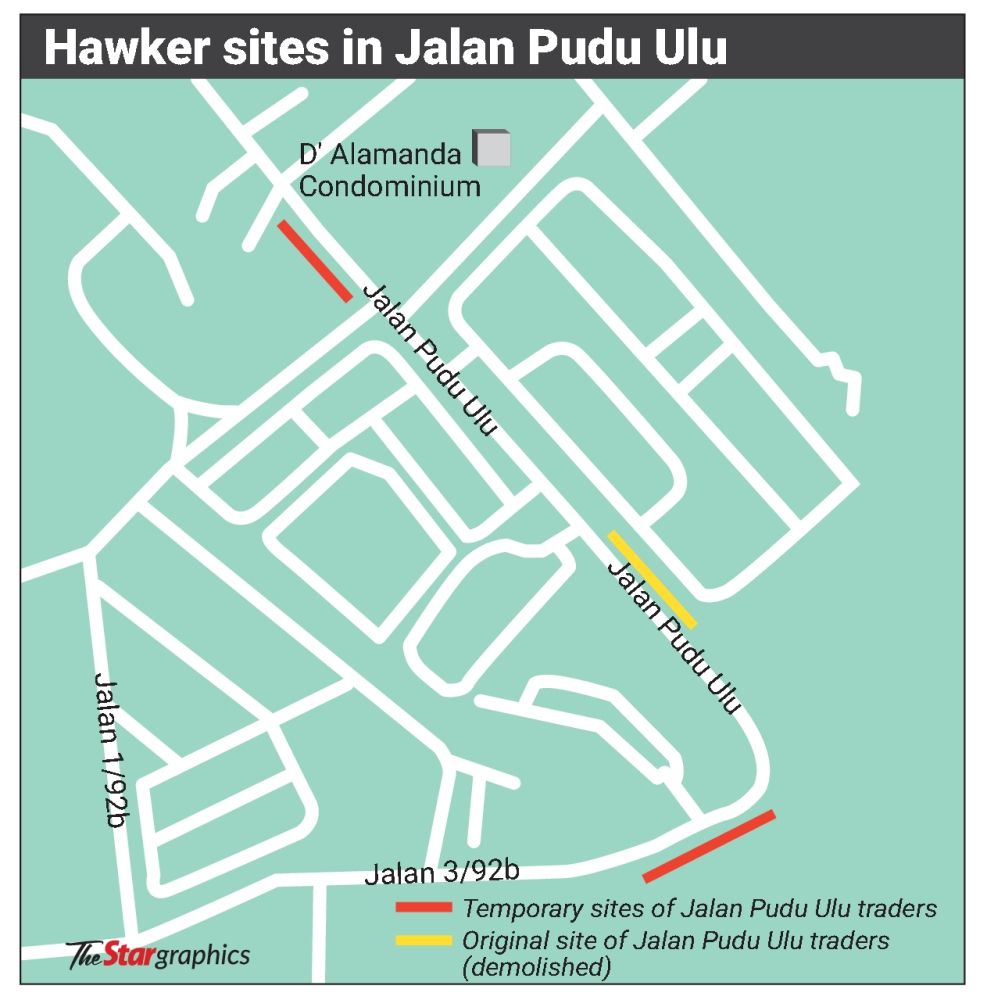
The meeting resulted in an agreement for traders to temporarily operate at two sites – a replacement site also in Jalan Pudu Ulu and another in Jalan 3/92b – until their new trading kiosks are completed.
He said the 22 affected traders were now at risk of being evicted from these temporary sites.
Although they received verbal approval to move to the temporary location at Jalan Pudu Ulu (see map), Khairul Nizan said enforcement officers approached the traders on June 4, citing public complaints.
The Jalan Pudu Ulu traders later faced another issue when the management corporation (MC) of a condominium opposite their temporary location asked them to relocate over safety, health and traffic concerns.
Khairul Nizan said traders then moved their stalls across the road on June 17 and 18.
In a letter to Cheras MP Tan Kok Wai dated June 18, the MC subsequently urged the authorities to shift the traders away from the residential area for the same reasons.
Meanwhile, traders operating temporarily at Jalan 3/92b received another DBKL notice on June 25 for obstructing public spaces, he said.
Khairul Nizan urged DBKL to issue temporary permits for traders to continue operating at the two locations until their new kiosks are completed.
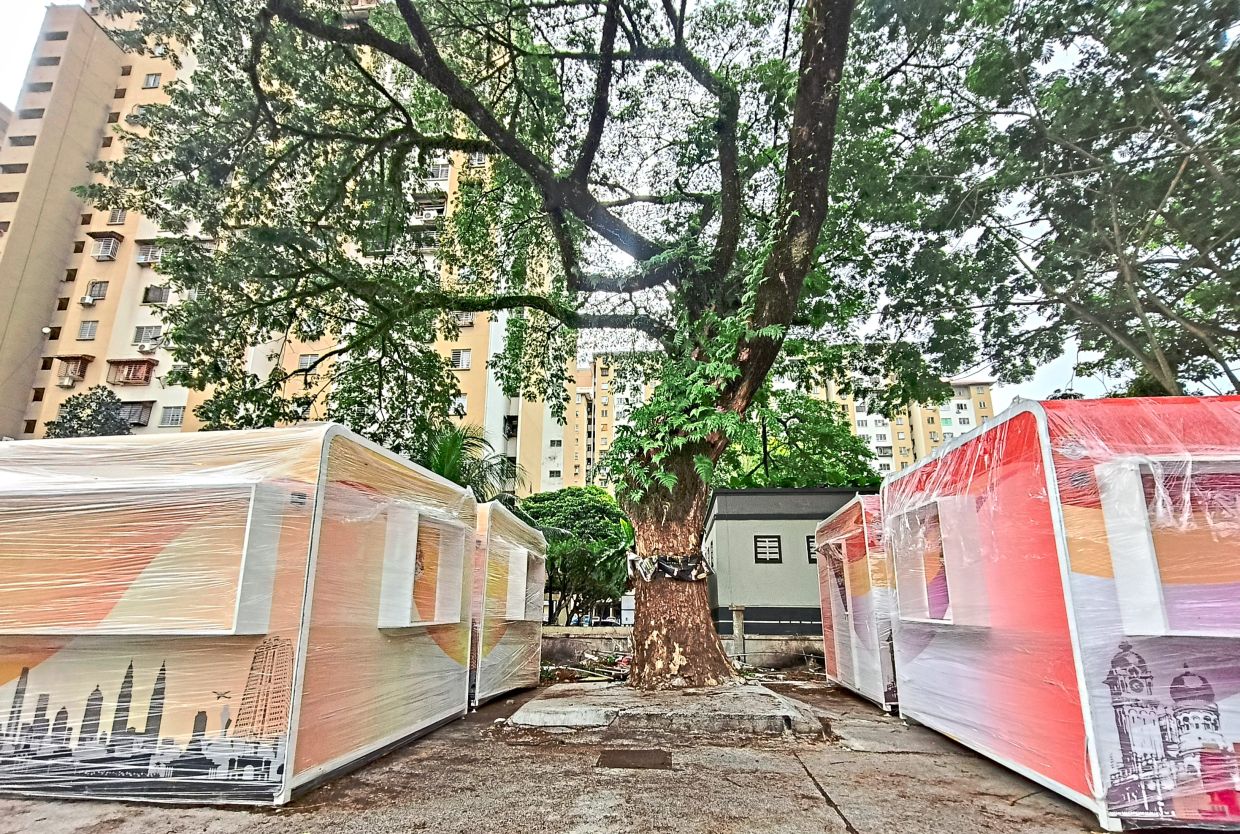
“However, DBKL told traders that their business licences would not be renewed until they move into the kiosks, which are expected to be ready by Dec 31.”
Khairul Nizan said many of the traders also experienced weaker sales since moving to the temporary sites.
“We rely heavily on food delivery services, but the temporary sites are not listed on maps.
“This makes it difficult for delivery riders to find us.
“The kiosks promised to us may also not be ideal as they are narrower compared with the open-concept structures we previously traded from.
“The kiosk rental is also higher,” he added.

The traders are also seeking aid to help them cope with the temporary loss of business.
During a visit to a demolished hawker site opposite Mini UTC Sentul on June 19, Kuala Lumpur mayor Datuk Seri Fadlun Mak Ujud was reported as saying that affected traders would receive monthly RM1,500 cash assistance while their stalls were being upgraded.
The Sentul site was also demolished to make way for Lestari Niaga@Kuala Lumpur upgrading works.
Fadlun had also said that the affected hawkers “would not be trading for three months”.
However, Khairul Nizan said the traders in Jalan Pudu Ulu have not received the assistance.
“We were not informed about this until we watched a video of the (mayor’s) Sentul visit,” he said.
Taman Miharja
At Jalan Palong in Taman Miharja, DBKL held three engagement sessions with traders on the programme.
Taman Miharja Small Traders’ Association (TMSTA) president Abdul Khabil Idris said DBKL gave two options for upgraded stalls during a May session – lockable stalls or kiosks – with traders opting for the former.
He said the existing hawker lots on four pavement islands would be demolished and upgraded.
Abdul Khabil said after the upgrade, three islands would have 10 lots each, while the fourth would have five.

Another 12 traders operating along Jalan Palong would be relocated to the islands too, he said.
“We were also promised that traders with valid licences would remain at their current lots after the upgrading works.
“We are currently operating under six-month temporary licences,” he said.
TMSTA secretary Ramalingam Veerappan raised concerns over the proposed size of the new stalls, which he said was too small for traders and their customers.
“We were told the new stalls would measure about 3.05m by 9.14m.
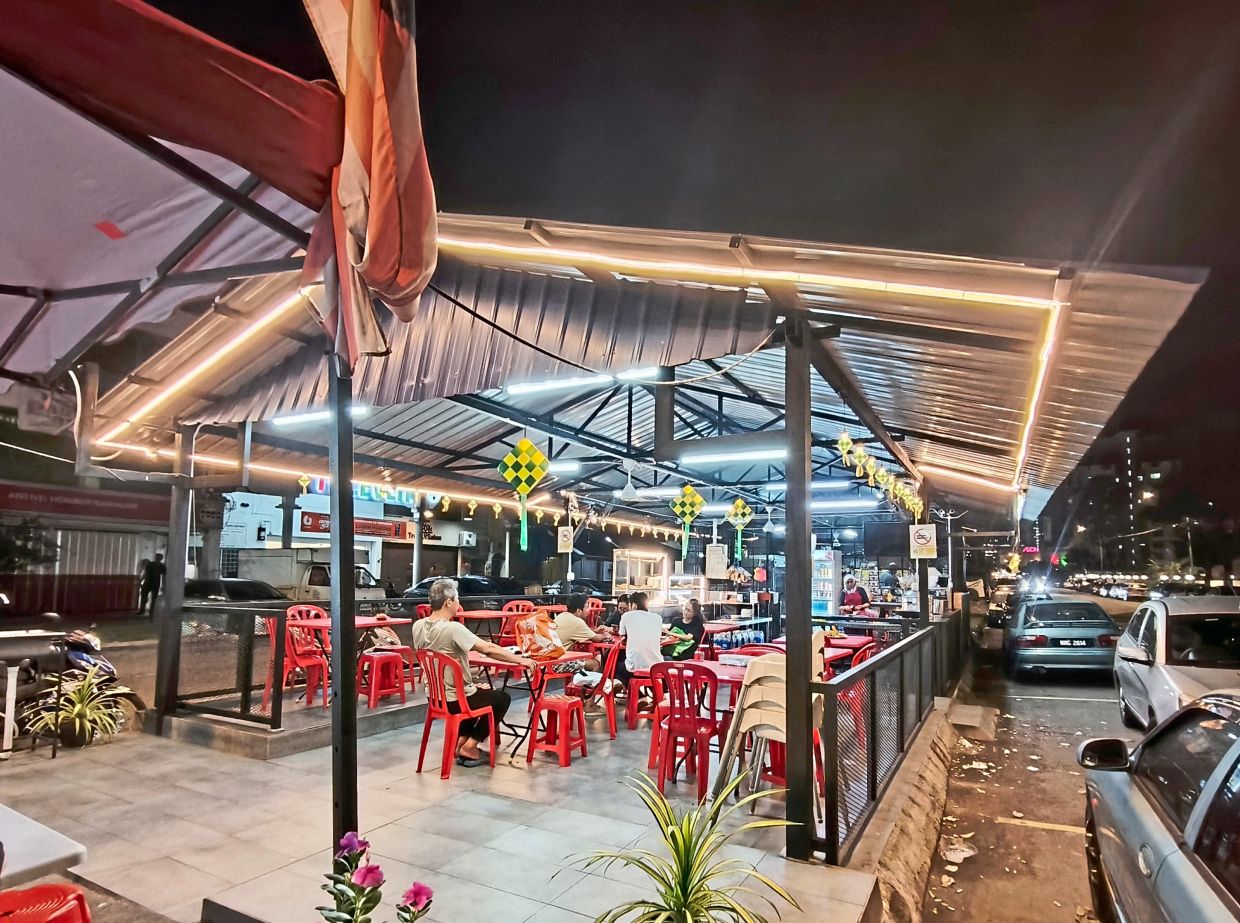
“This is too small for some of us selling multiple dishes.
“Our customers also need space to sit.
“We proposed stalls measuring 4.57m by 9.14m, but DBKL did not agree because we would be blocking the drain,” he said.
Trader Rahayu Rasyidi, who runs her stall outside the pavement islands, is reluctant to relocate.
“My current location is more strategic as it is near the main road and residential areas, making it easier for customers to reach us on their way back from work.
“Although there are vacant lots on the pavement islands, our business can still be affected if we are placed at the other end of the row,” said Rahayu.
Section 1, Wangsa Maju
Western food trader Sirajudin Abdul Jabbar said his stall, along with seven others on Jalan 2/27a in Section 1, Wangsa Maju, were demolished on June 22.
This was after DBKL and the traders held meetings about three months ago.
“We are now operating at a carpark managed by the joint management body (JMB) of a low-cost flat, which is beside our original spot,” he said.
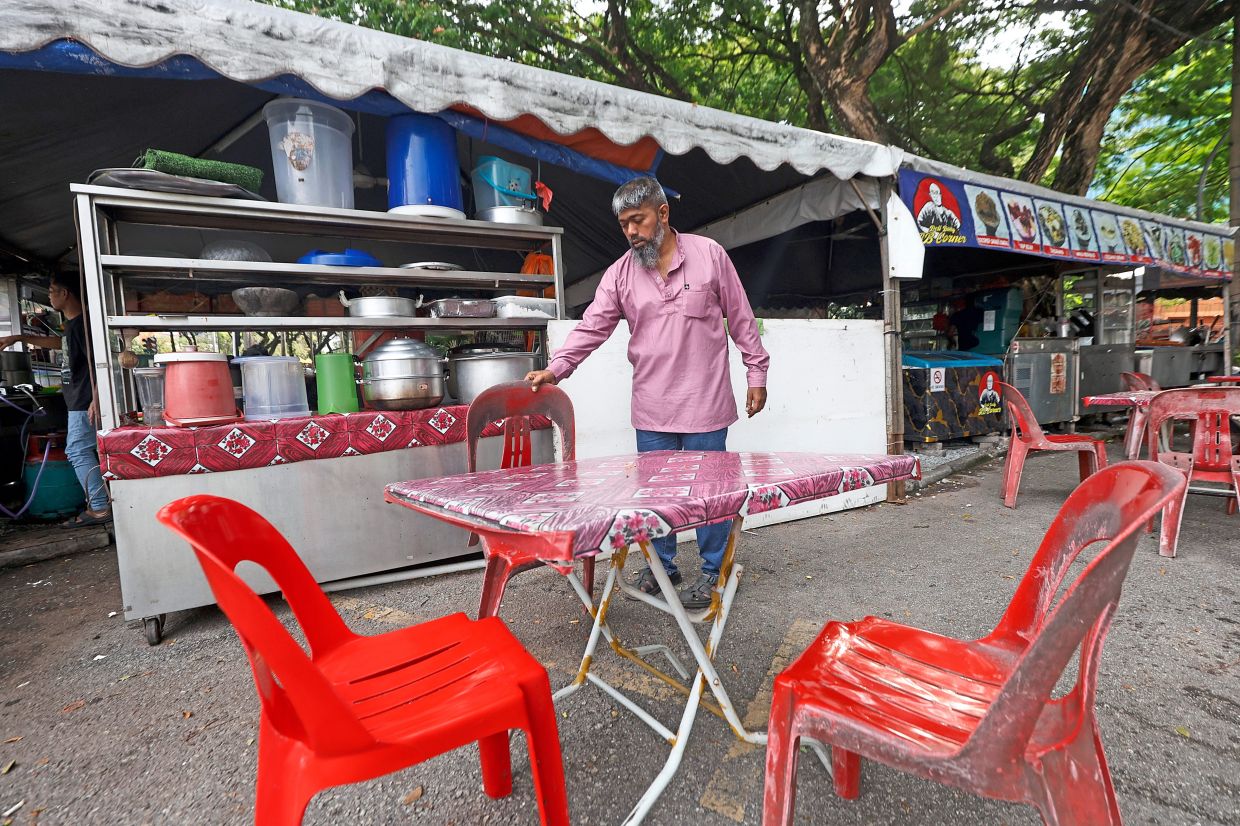
“The JMB permitted us to store our goods there.
“We applied for a temporary business licence but DBKL turned us down.”
Sirajudin said DBKL had promised traders that the new stalls would be completed in four months.
“I hope there are no delays as business is slow.”
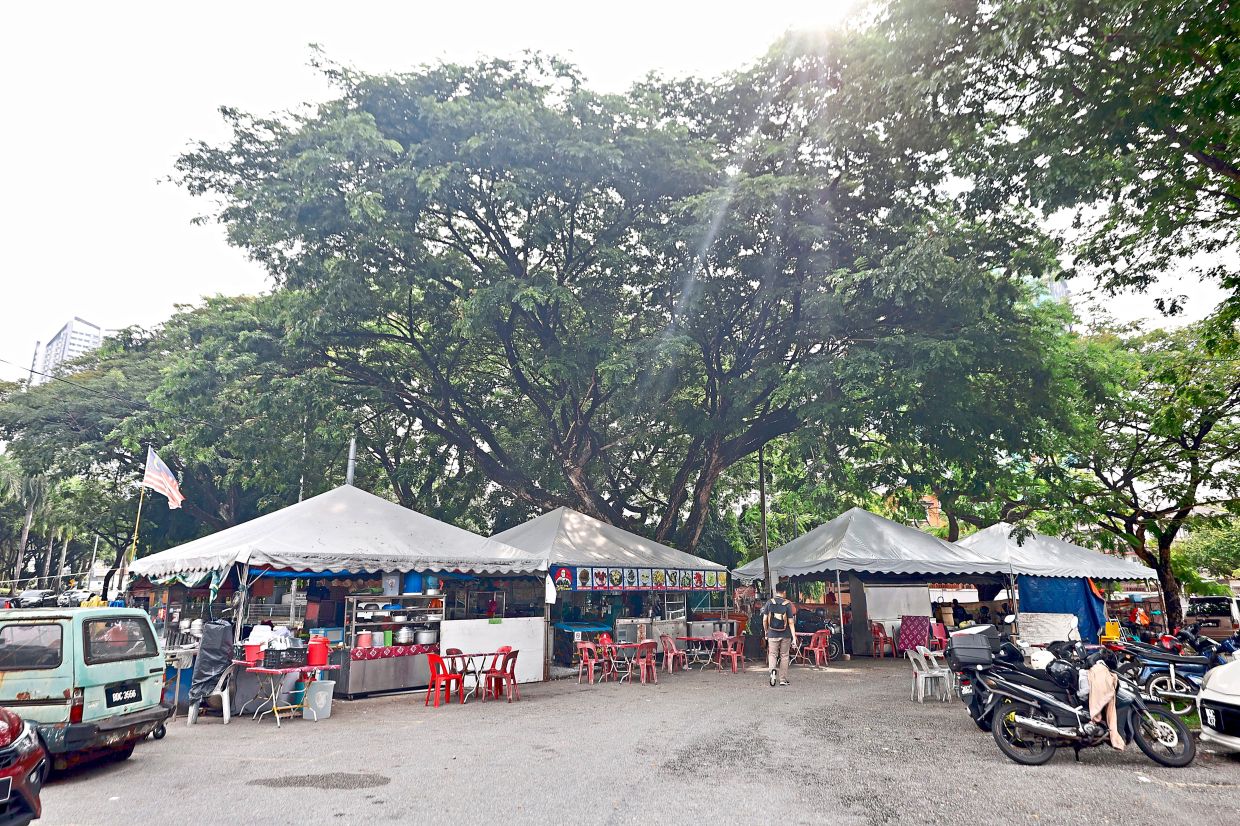
He added that the new premises measuring 3.05m by 6.1m was smaller than their earlier 6.1m by 9.14m stalls.
“This is the usual size of the lots in a food court, so we will have to adjust our businesses accordingly,” he said.
“Overall, Lestari Niaga@Kuala Lumpur is still a good programme as we get to remain where we were, with upgraded infrastructure.”
When asked about the RM1,500 monthly cash aid, Sirajudin said DBKL had not informed them about it.
DBKL response
In a statement to StarMetro, DBKL said the RM1,500 cash aid was a one-off contribution to those affected by the implementation of Lestari Niaga@Kuala Lumpur.
“Traders who are ordered to fully cease their operations without being provided a temporary site are eligible for the aid throughout the upgrade period of their stalls.
“The aid will be channelled to the traders after they abide by DBKL’s order for them to vacate their original site,” it said.
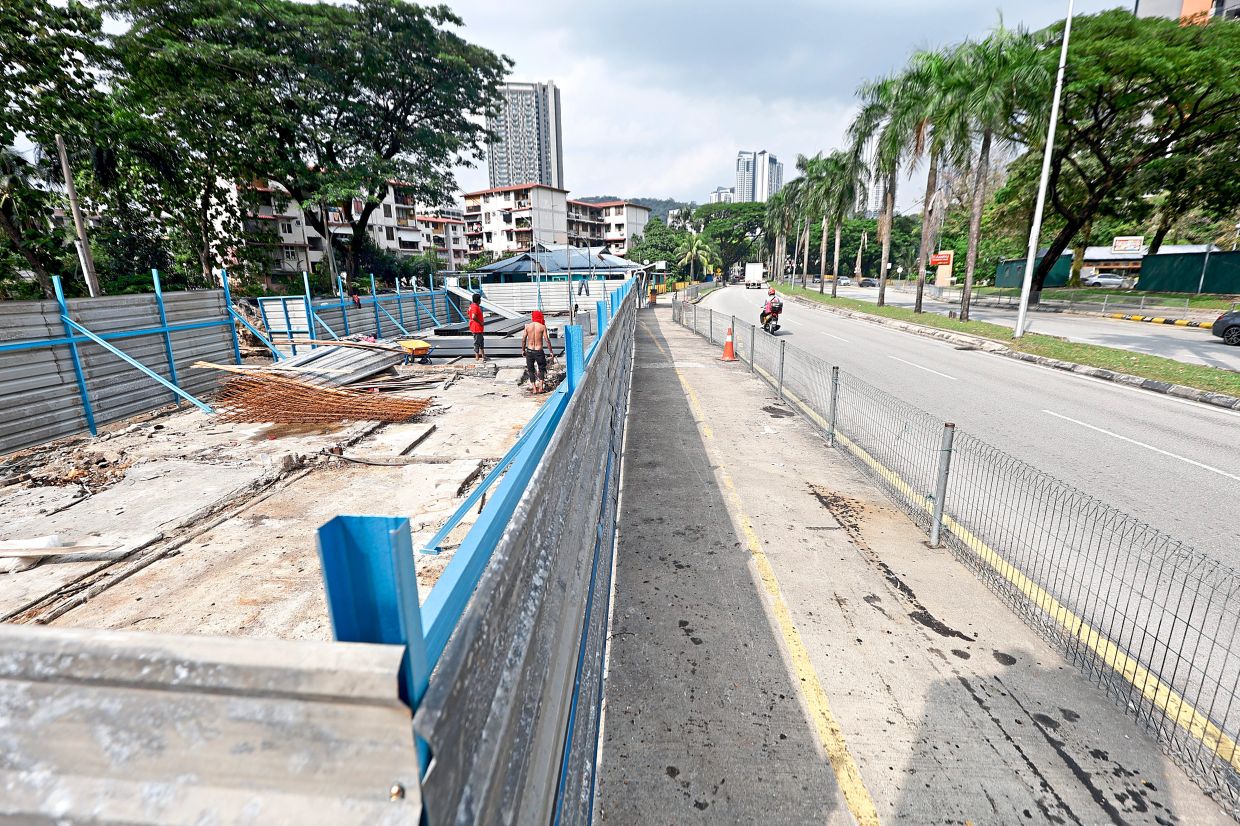
DBKL said the Jalan Pudu Ulu traders were allowed to operate at temporary sites designated by the local authority, but some had breached the conditions and obstructed public spaces.
It also confirmed that no temporary permits were issued to traders under the programme in all locations including Jalan Pudu Ulu.
“Their current licences will also not be renewed until the upgrading works are done as
the stall’s information on the licences need to be updated,” it said.
DBKL added that the upgrades at Jalan Pudu Ulu, Jalan Palong and Jalan 2/27a were expected to be completed by December.