

Surprisingly, it is a classic Scottish comfort food that can be found in cafes, restaurants, pubs and bakeries across that country.
The history of the dish is filled with anecdotes, myths and half-truths, many of which link its popularity to 18th-century British aristocrats.
According to one popular story, wealthy young British noblemen in the 18th century traditionally embarked on a Grand Tour of Europe upon coming of age to experience its art, cuisine and culture.
While in Italy, many developed a taste for pasta, then commonly known as “macaroni”.
When they returned to London, they became known as the “Macaronis”, a fashionable social set celebrated − and sometimes mocked − for their continental tastes.
The earliest recognised ancestor of modern macaroni and cheese, however, dates back much further.
The Forme of Cury, a medieval cookbook compiled around 1390, contains a recipe called “Makerouns”, often regarded as one of the earliest versions of the dish.
When macaroni and cheese became popular in Scotland, the Scots did what they do best – they turned it into a hearty, portable meal by encasing it in pastry.
The buttery crust transforms the creamy pasta into a sturdy, handheld pie that is as practical as it is comforting.
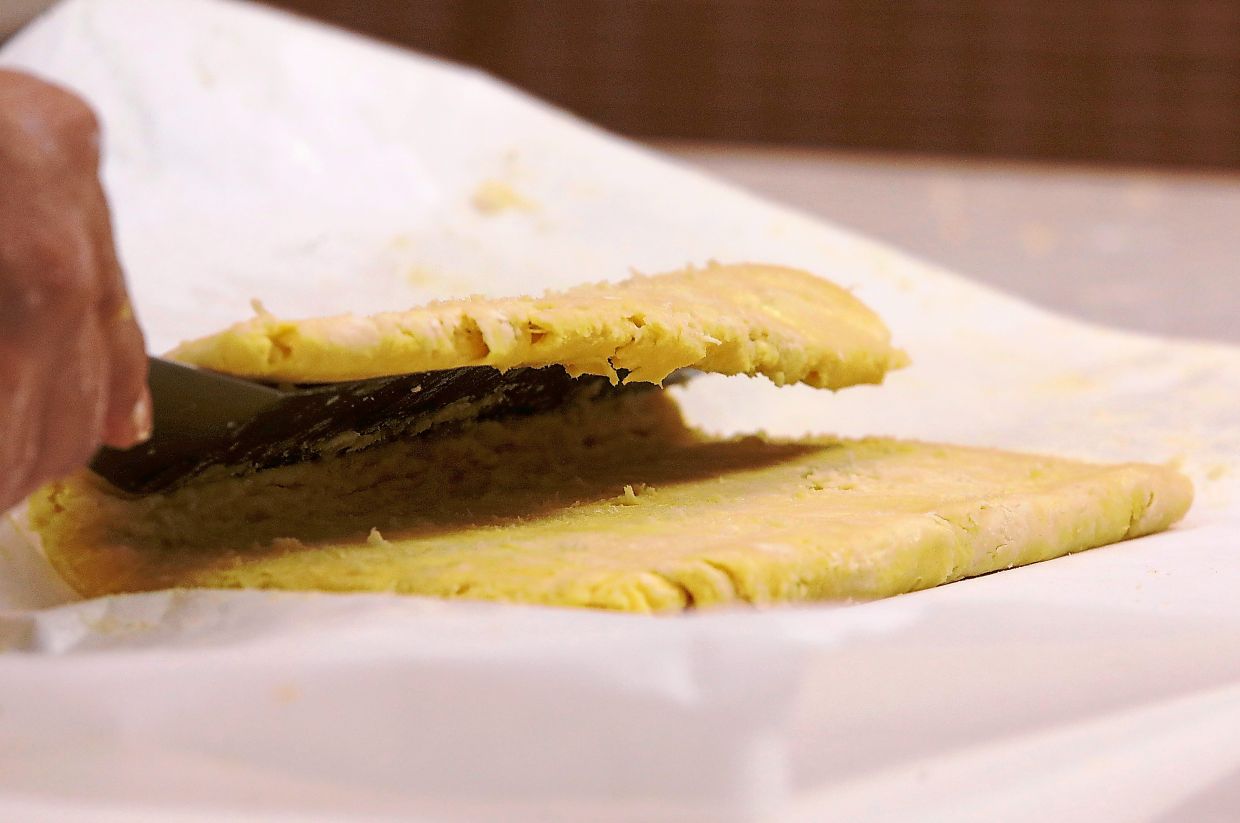
Traditional Scottish macaroni pie is made with a robust hot-water crust pastry, but modern versions often use shortcrust or puff pastry.
This recipe uses rough puff pastry, which offers much of the flaky texture of puff pastry while being considerably easier to make.
It combines the simplicity of shortcrust with some of the lightness of laminated pastry, making it ideal for home bakers.
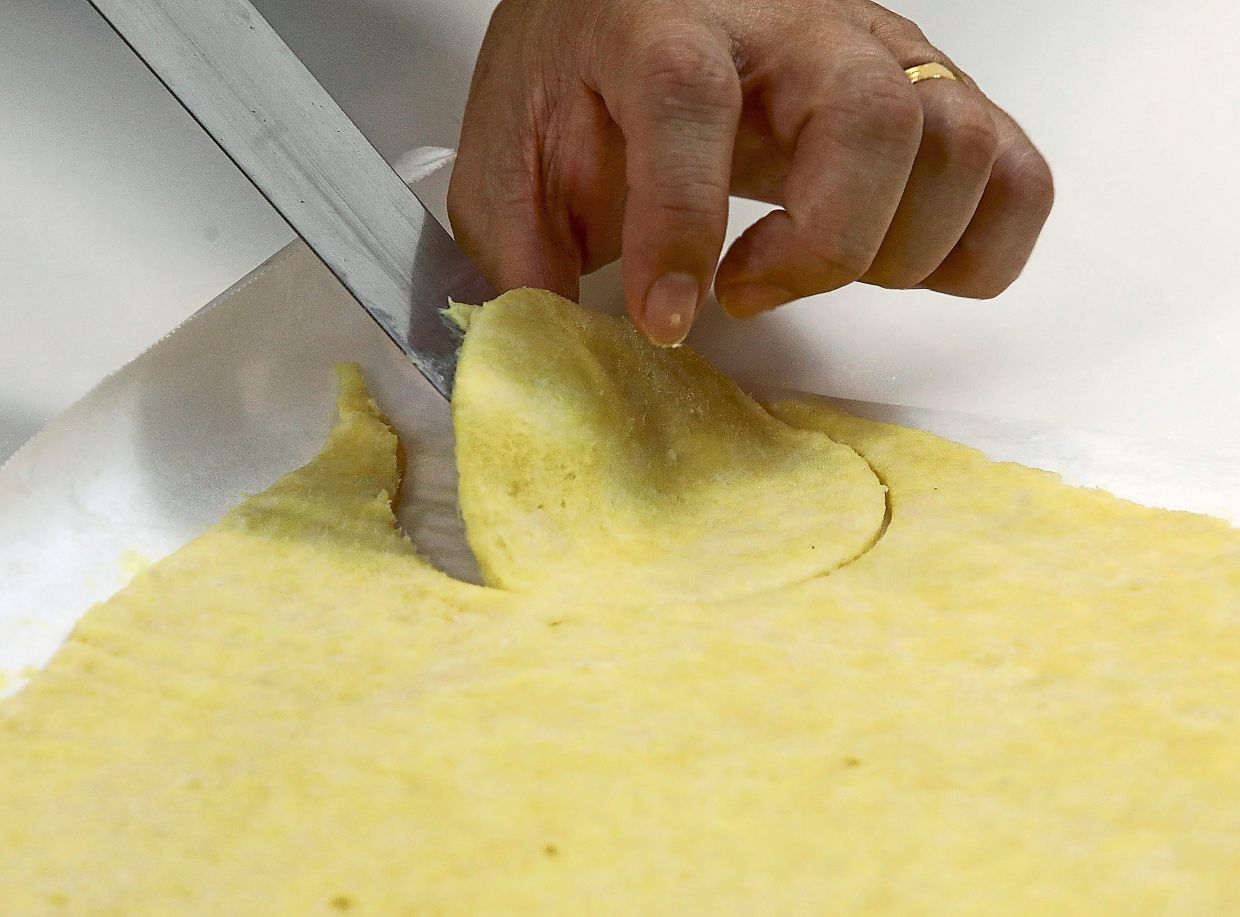
Do not expect rough puff to produce the dramatic layers of a classic puff pastry. It, however, works beautifully for this pie.
Keep the dough well-chilled throughout the process to prevent the butter from melting into the pastry before baking.
Since the filling is already cooked, bake the pies at a high temperature so the dough receives an immediate blast of heat, enabling it to rise before the butter melts.
Keep an eye on the pies towards the end of baking, to ensure the cheese topping does not brown too quickly.
Although they are best enjoyed warm from the oven, the pies keep well for several days and can be served cold or reheated.
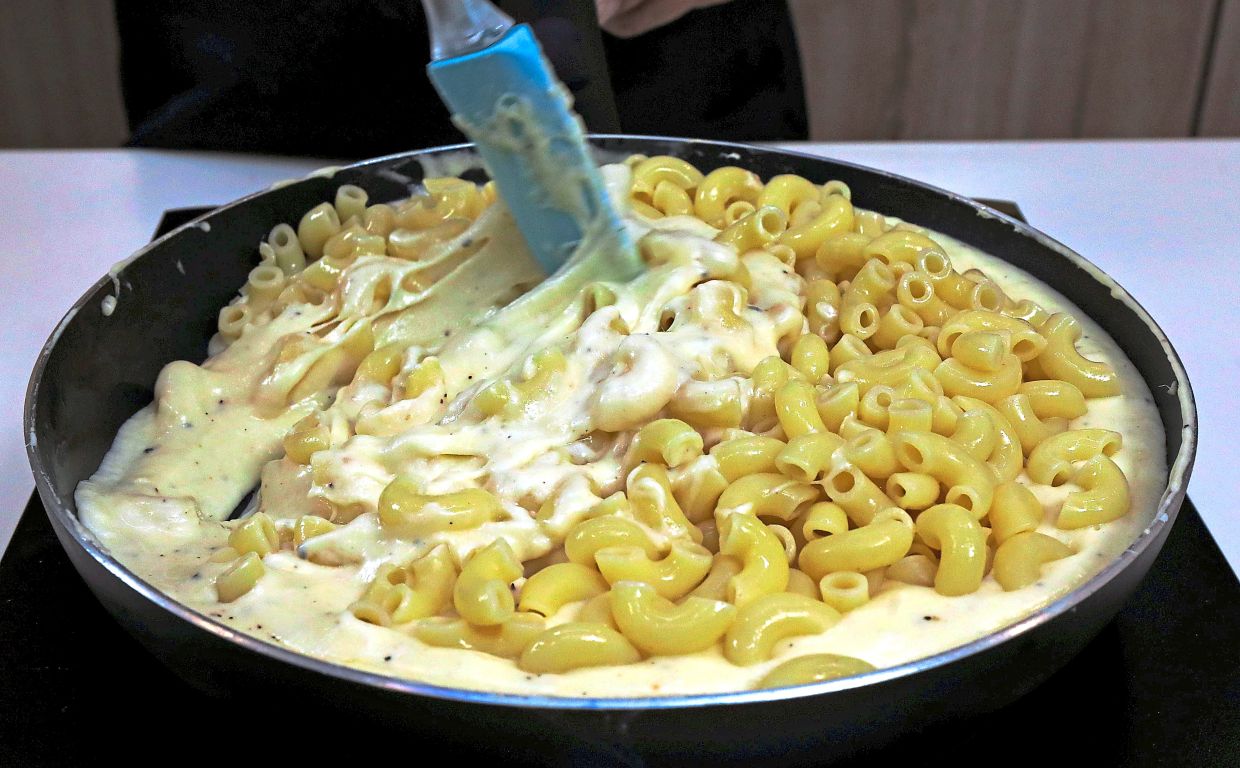
Macaroni pie
Rough Puff Pastry
225g cold unsalted butter
240g plain flour
½ tsp salt
10 tbsp iced water
Cheese Sauce
30g unsalted butter
30g plain flour
500ml whole milk
115g cheddar cheese, grated
55g unsalted butter
½ tsp salt, to taste
½ tsp black pepper, to taste
Mac and Cheese
200g dried macaroni
½ tsp salt, for the cooking water
Topping
2 tbsp grated cheddar cheese
Directions
Place the butter in the freezer until it becomes very firm. Chill a box grater and refrigerate the sifted flour and salt.
Grate the cold butter into the flour, tossing as you go to coat the butter evenly. Drizzle iced water, one tablespoon at a time, until the dough comes together.
Transfer the dough to a lightly floured sheet of parchment paper and shape into a rectangle. Roll to about 1cm thick, then fold into thirds like a letter. Rotate the dough 90°, roll out again and repeat the folding process.
Complete four folds in total. Wrap the dough and chill until required.
To make the cheese sauce, melt the butter over low heat. Whisk in the flour and cook for 2 to 3 minutes without allowing it to brown. Gradually whisk in the milk until smooth.
Bring to a gentle simmer and cook, stirring frequently, for about 15 minutes until thickened.
Remove from the heat and stir in the cheddar until melted.
Add the remaining butter and stir until incorporated. Season with salt and black pepper.
Bring a large pot of salted water to the boil.
Cook the macaroni for about 7 minutes, until almost al dente.
Drain and rinse briefly under cold water to stop the cooking.
Fold the macaroni into the warm cheese sauce.
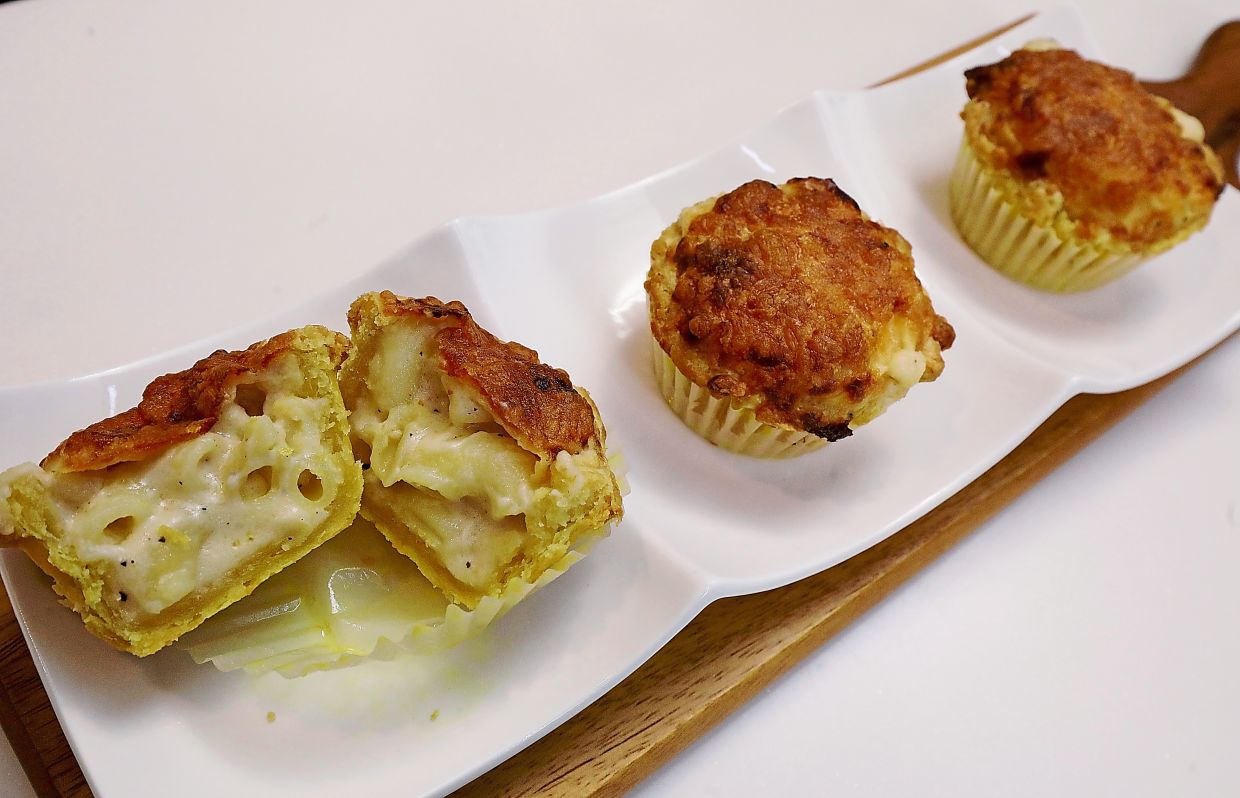
Line a muffin tin with paper cases. Roll out the pastry to about 4mm thick.
Using a 9cm cutter, cut out circles and press them gently into the muffin cups.
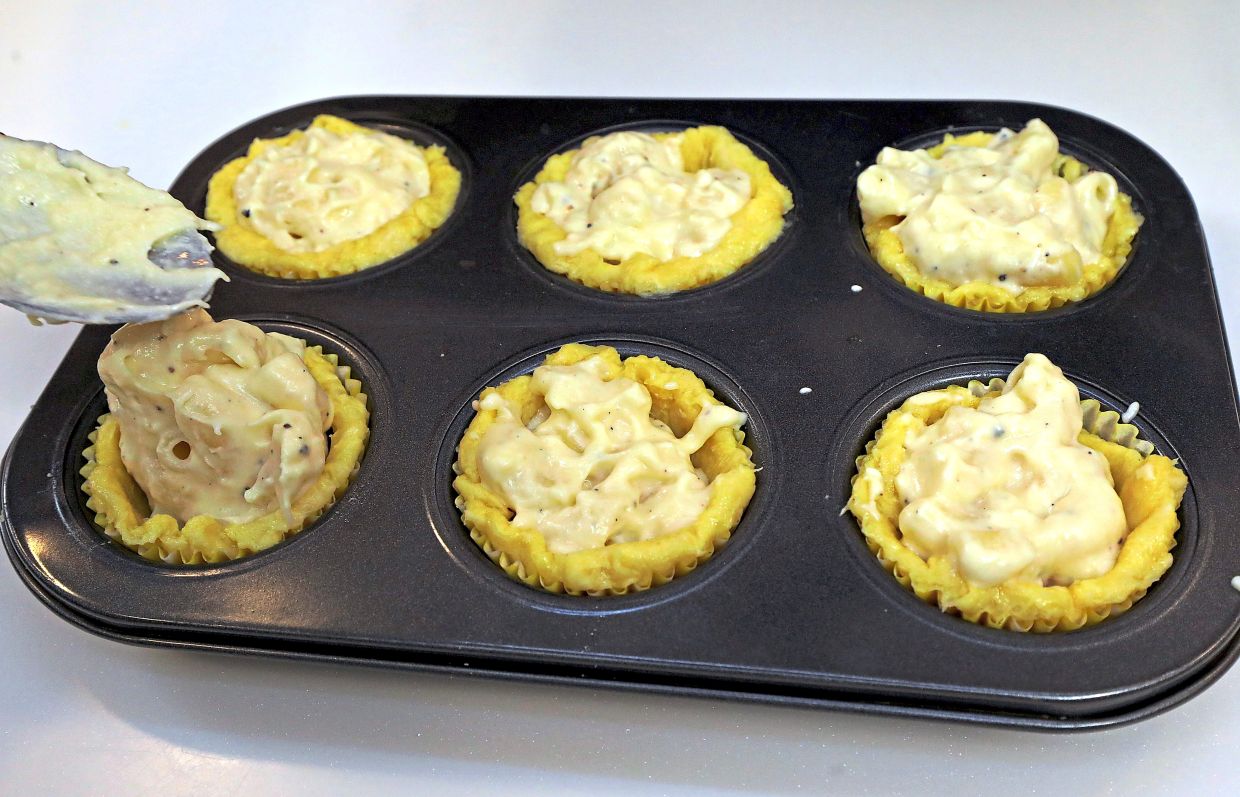
Scoop the macaroni and cheese into the pastry cases, pressing the filling down firmly and sprinkle with the remaining cheddar.
Bake in a preheated 250°C oven for about 25-30 minutes, or until the pastry is crisp, deeply golden and the cheese is bubbling.
Watch pies carefully during the final few minutes to prevent the cheese from over-browning.
Allow the pies to cool in the tin for 5 minutes before lifting them out.
Serve warm, or cool completely and refrigerate for up to three days.
Reheat in the oven to restore the crisp pastry.
You will have some macaroni and cheese left over, depending on the size of your muffin tin.
Bake the leftovers in a small gratin dish with extra cheddar, or refrigerate and turn it into another meal.