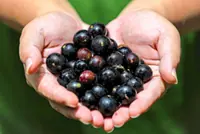
THE glossy black jaboticaba fruit, which grows directly from the trunk of its tree, is as striking as it is nutritious. Even more remarkable, the tree can live for an estimated 300 years.
Native to Brazil’s Amazon region, the jaboticaba or Brazilian grape tree is among the fruit trees cultivated at Superfruits Farm in Senai, Johor.
This farm is said to have Malaysia’s largest jaboticaba plantation, spanning 16.19ha.
Cultivating jaboticaba requires patience, as the tree takes about nine years to bear fruit.
However, its ability to produce multiple harvests each year in Malaysia has made it a high-value crop with strong potential in the country’s modern agriculture sector.
Superfruits Farm director Kelvin Ooi, 40, said jaboticaba was highly prized for its nutritional and health benefits.
“Jaboticaba contains vitamins B, C and D, a rare combination among commercially grown fruits,” he told Bernama.
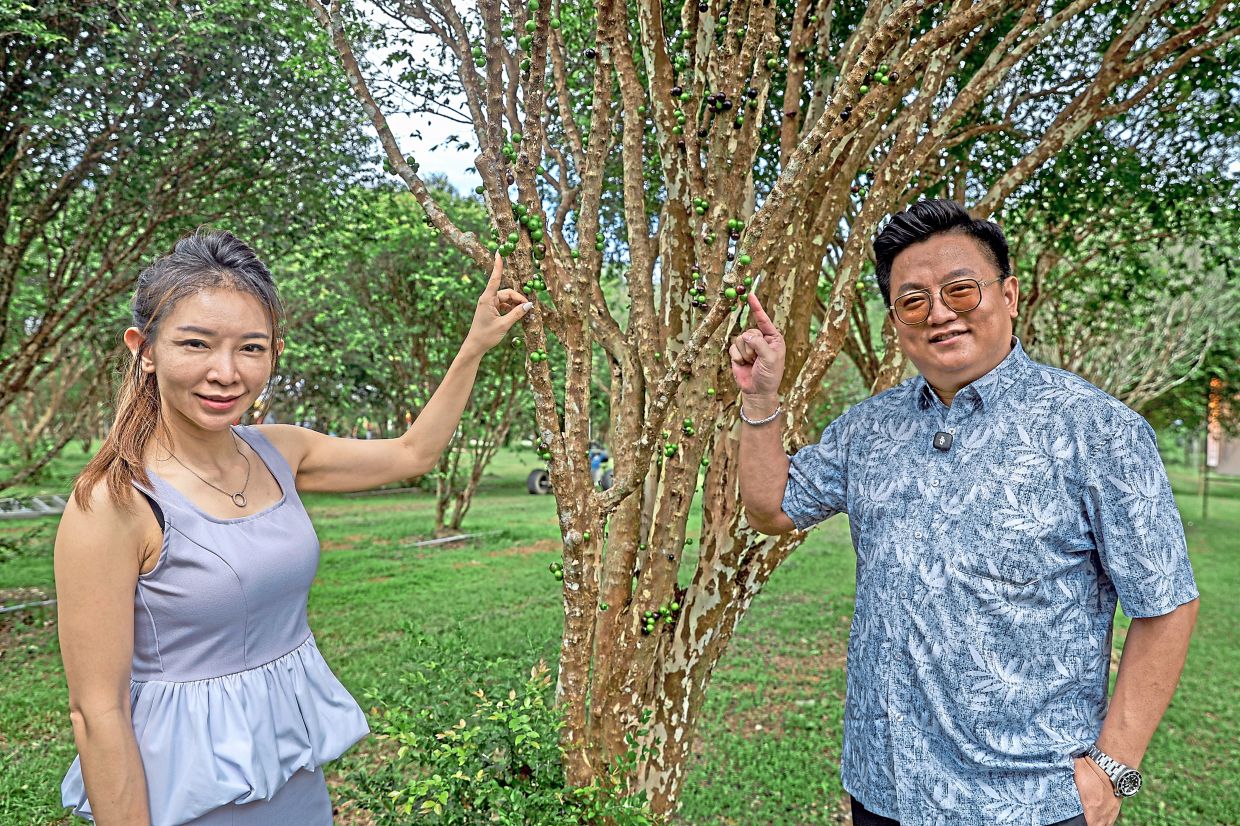
He said jaboticaba cultivation was a long-term investment, with the potential to generate attractive economic returns.
“The tree’s exceptionally long lifespan reduces operating costs because it does not need to be replanted like commercial crops such as oil palm or rubber.
“In fact, the older the tree gets, the more fruit it produces along its trunk.
“In its native habitat and in temperate countries such as China and Taiwan, jaboticaba produces fruit only once a year.
“But in Malaysia’s tropical climate, it can be harvested four to six times annually,” he said.
He noted, however, that the fruit required careful post-harvest handling because of its short shelf life.
Ooi said jaboticaba should be frozen within two days of harvesting, to preserve its quality as its high water and sugar content would cause it to soften quickly and oxidise.
To address this challenge, Superfruits Farm has partnered with Universiti Teknologi Malaysia on research to create jaboticaba-based value-added products, including vinegar, cosmetic products and skincare serums.
Besides jaboticaba, the farm also cultivates abiu, another exotic fruit from the Amazon region.
“The abiu flesh is soft and when chilled, has a pudding-like texture with a distinctive flavour,” said Ooi.
“However, abiu is also highly perishable and lasts only three to five days if not handled properly,” he said.
Jaboticaba currently retails at RM38 for 300g, while abiu sells for about RM8 per fruit.
The farm also offers agrotourism experiences through the luxury camping (glamping) concept.
“Visitors can see jaboticaba trees up close, sample stingless bee honey, go fishing and harvest organic vegetables.
“Our fully equipped glamping facilities also include campfires, barbecue sessions, and breakfast,” Ooi said.