
ROWS of lush sugarcane swaying along the banks of Sungai Klebang Selatan at the Kinta River Basin in Ipoh, Perak, stand as proof that abandoned land can be transformed into a source of livelihood through determination, community spirit and hard work.
Every morning, 66-year-old Abdul Razak Teh begins his day tending the 1.2ha sugarcane plantation he has cultivated for the past several years.
For the retired Public Works Department (JKR) officer, the plantation represents far more than a source of income.
It symbolises the collective spirit of the local community.
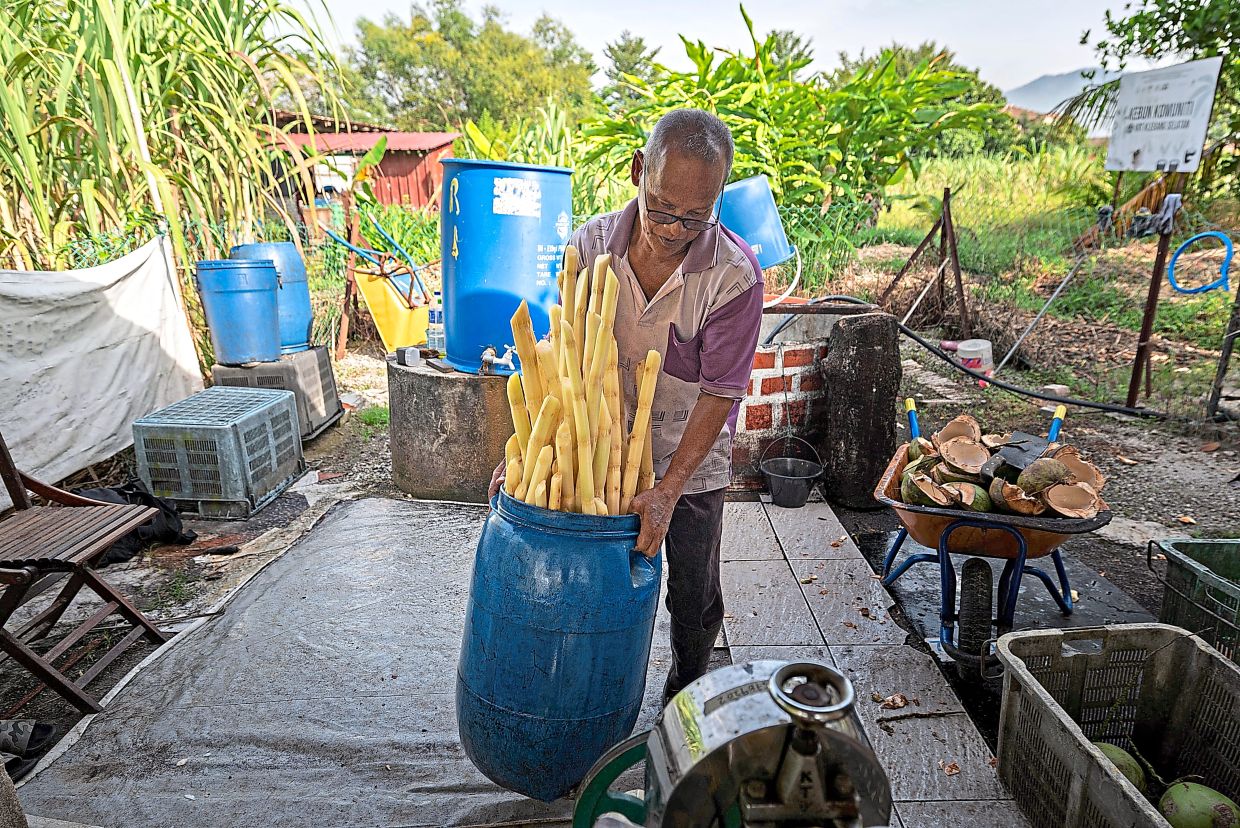
“The project began as a small initiative under the Klebang Selatan Rukun Tetangga (RT), when 21 community members joined hands in 2020 to clear and develop idle government land in Kampung Tersusun Batu Enam.
“With support from implementation partners such as the Global Environment Centre (GEC) and funding from Hasanah Foundation, the once-neglected site gradually evolved into a fully functioning sugarcane farm complete with a storage facility, a well and a solar-powered water pump,” he told Bernama.
Abdul Razak said the project, carried out with the approval of the Drainage and Irrigation Department (DID), enabled local residents to earn additional income by selling fresh sugarcane juice produced from land that had previously been left idle.
“Profits from the sale of sugarcane juice were distributed equally among members. At one point, daily sales reached RM300.
“However, over the years, many members withdrew from the project, leaving me to continue the effort on my own from 2023.
“Even so, I still contribute part of the proceeds to the RT as a gesture of appreciation to the community that initiated this project,” said Abdul Razak, who earns profits of up to RM12,000 during Ramadan.
To ensure the plantation remained operational, he invested about RM10,000 of his own savings to build a temporary storage facility to support farming activities.
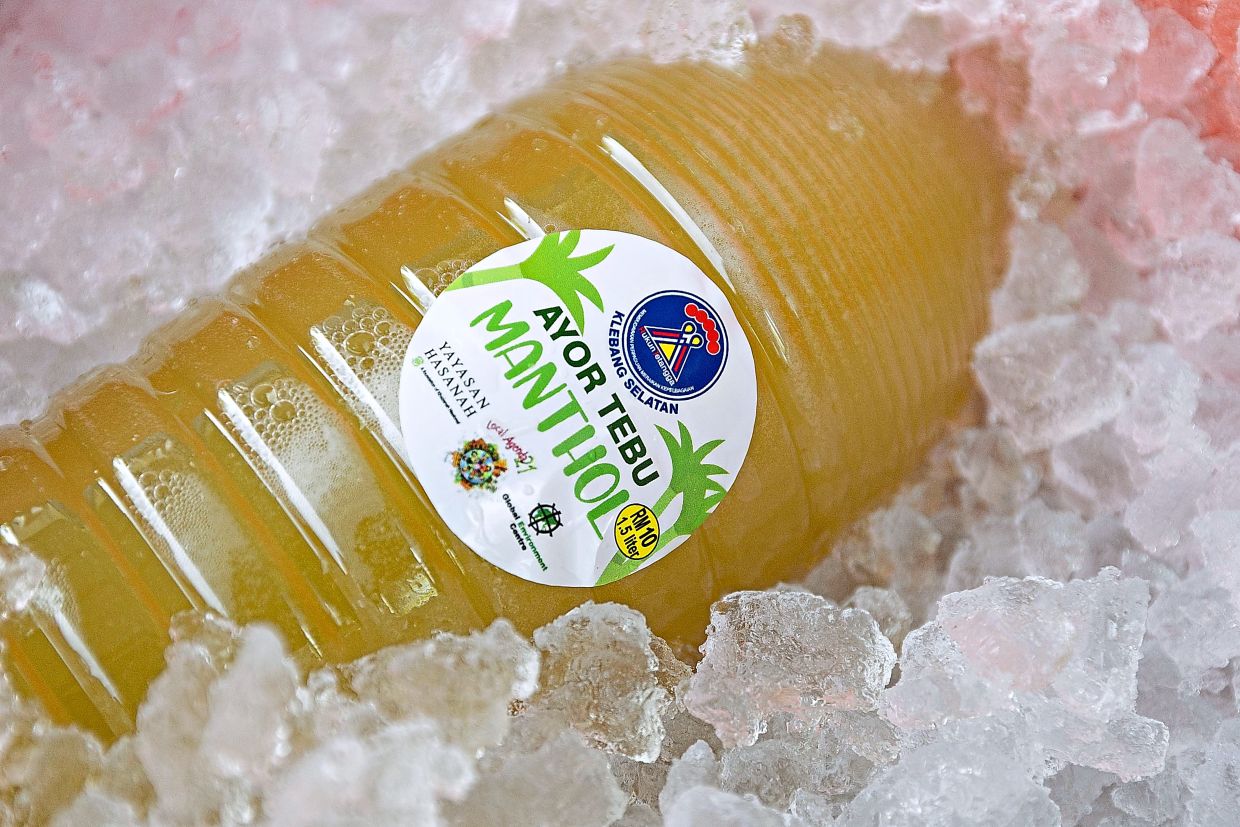
His Manthol-branded sugarcane juice has since been showcased at several expos, particularly those organised by National Unity Ministry under its RT entrepreneurship development programme, where it received an overwhelmingly positive response from visitors.
Beyond generating income, the sugarcane plantation along Sungai Klebang also serves as one of GEC’s initiatives to educate local communities on river conservation through its River Care Programme, making the project a win-win initiative that combines environmental stewardship with community empowerment.
Sustainability by river rangers
GEC River Care Programme senior officer Norazrin Mamat said the community-based river monitoring programme not only heightened public awareness of environmental conservation, but had also nurtured proactive communities committed to preserving rivers, particularly Sungai Kinta in Perak.
He said the Klebang Selatan RT was among the most active participants in the Kinta River Sustainability Monitoring Programme since 2019 through the River Ranger initiative.
“Under the programme, residents are trained to regularly monitor the condition of rivers near their homes by assessing physical, chemical and biological parameters.
“They conduct field inspections once every one or two months using monitoring guidelines and testing kits provided by GEC.
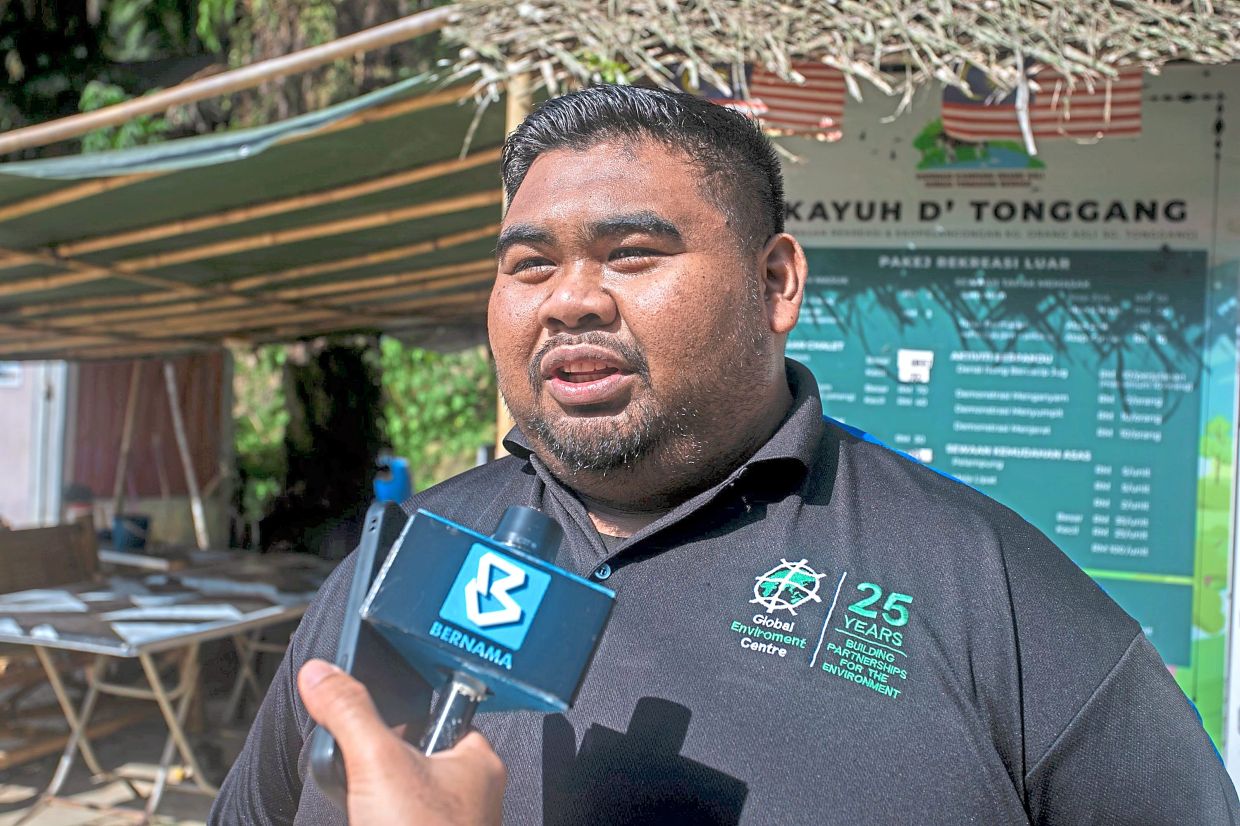
“Among the indicators assessed are litter, riverbank erosion, odour, dissolved oxygen levels, water temperature and the presence of aquatic life, all of which reflect the health of the river,” he said.
Norazrin, who is also GEC’s RCP Perak coordinator, said although the programme did not directly improve river water quality, it helped communities better understand the causes of pollution and the role they could play in protecting rivers.
“Communities that once knew little about river management are now far more aware of pollution issues and are able to contribute meaningfully to conserving Sungai Kinta.
“The programme also promotes green practices, including the proper disposal of household waste such as used cooking oil which can severely affect water quality if discarded irresponsibly.
“Although the efforts undertaken by the Klebang Selatan community may appear modest, they form part of a much larger initiative to safeguard Sungai Kinta, a vital water source for residents across the Kinta Valley,” he said.
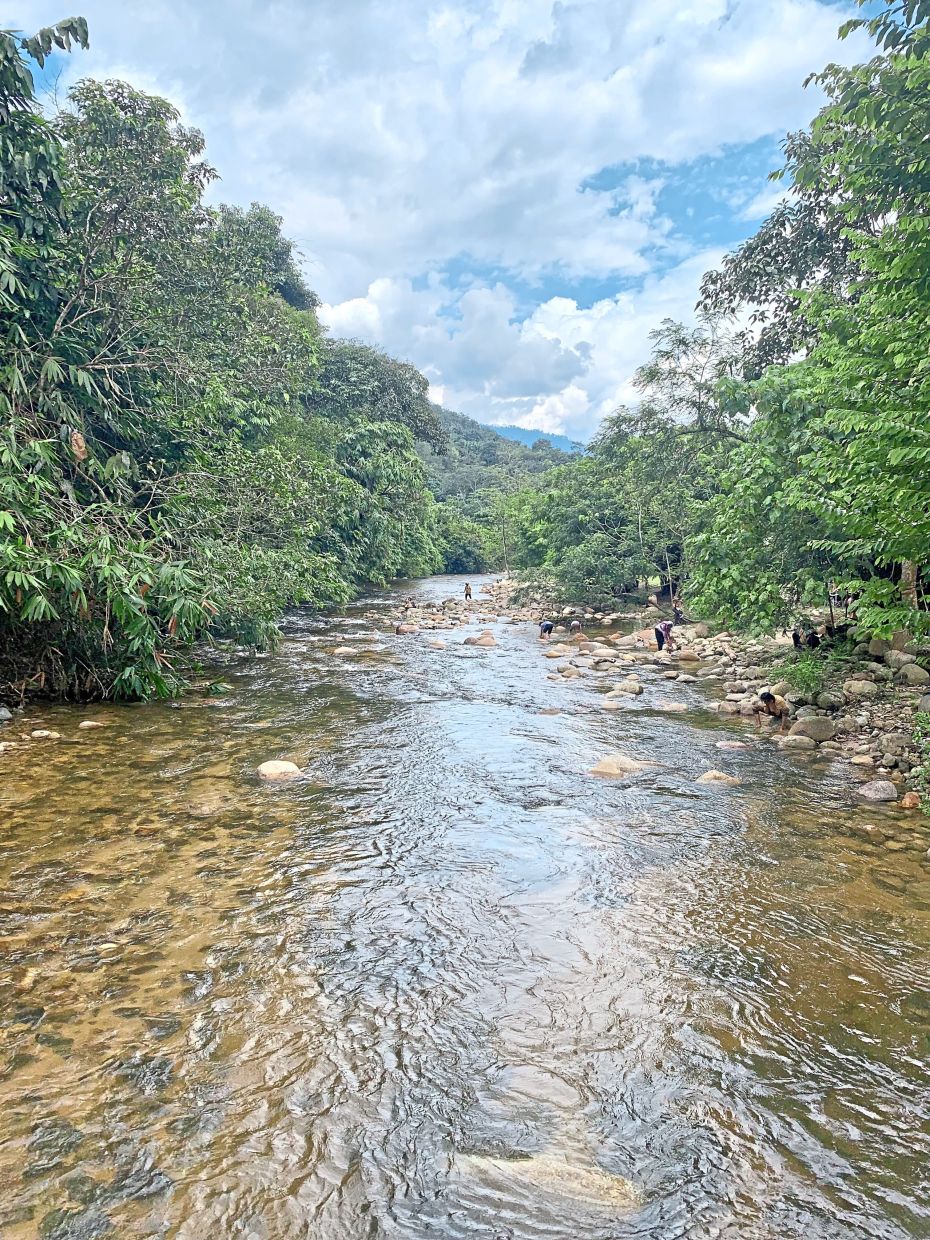
The section of Sungai Kinta monitored under the programme stretches across a catchment of about 110km, from the Cameron Highlands border in Pahang to Kampung Gajah in Perak, making it one of Perak’s most significant river systems.
Improving water quality
DID director-general Datuk Mohamad Radzi Abdul Talib said community-based programmes implemented by GEC played a crucial role in reducing river pollution.
He added that initiatives such as public awareness campaigns, river clean-up activities, water quality monitoring, riverbank tree planting, environmental education and the promotion of green lifestyles, allowed communities to contribute directly to river conservation efforts.
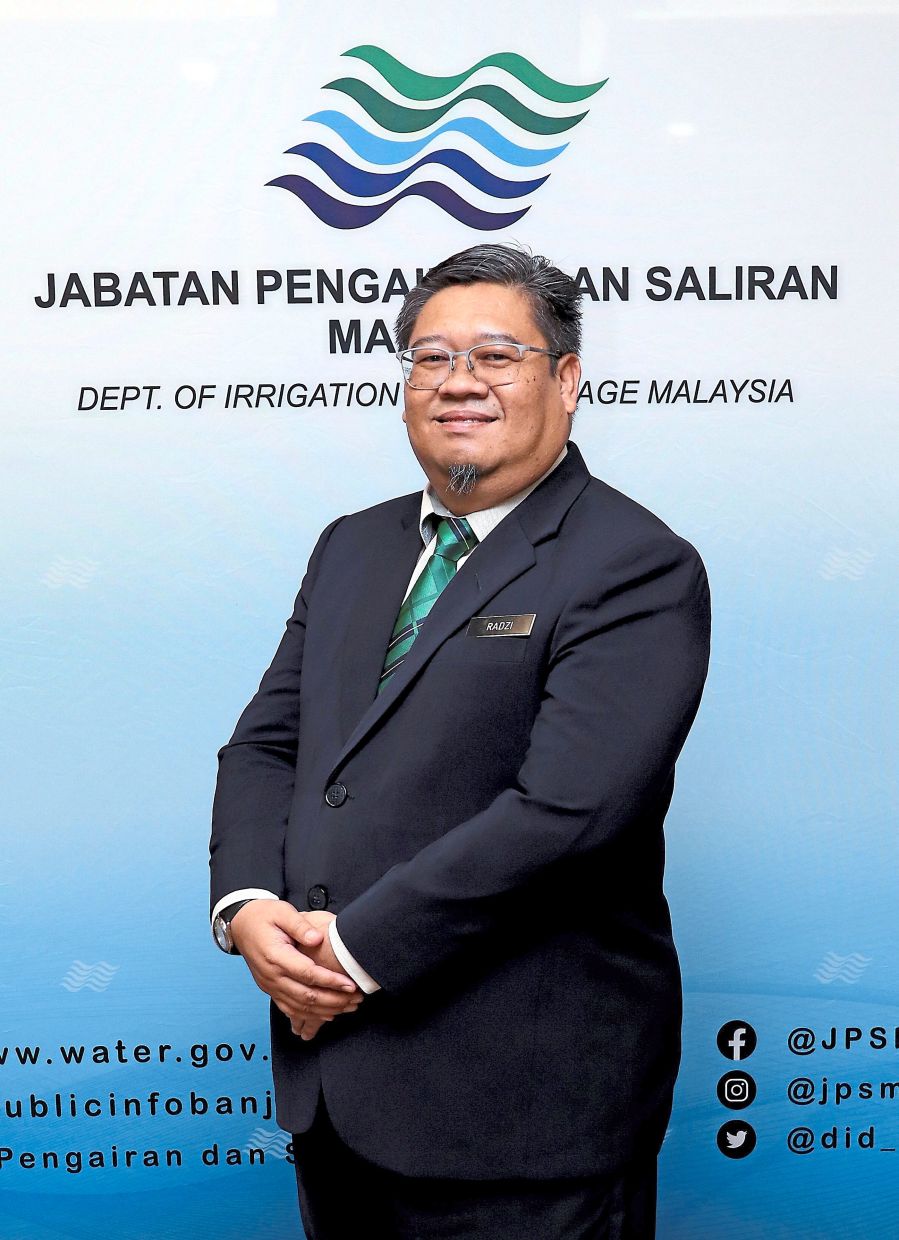
“DID and GEC regard community-based initiatives as an effective mechanism that complements government-led river management efforts.
“Active participation from communities throughout the river basin helps foster collective awareness and strengthens environmental stewardship,” said Mohamad Radzi.
“Communication, education and public awareness (Cepa) combined is an important non-structural component of the Integrated River Basin Management (IRBM) studies prepared by DID.
“It serves as a strategic tool to enhance stakeholder engagement, strengthen public participation and secure support from various agencies in river basin management.”
Mohamad Radzi added that such community programmes also produced immediate benefits by equipping communities with skills to adapt to environmental challenges such as floods and pollution.
The programme currently focuses on the Sungai Kinta catchment, covering nearly 2,686sq km.
Originating from Gunung Pass along the Simpang Pulai-Cameron Highlands Highway in Ulu Kinta at an elevation of 1,500m above sea level, Sungai Kinta flows through Ipoh before reaching Kampung Gajah near Teluk Intan.
Its catchment comprises 11 major tributaries, namely Sungai Penoh, Sungai Termin, Sungai Seno’oi, Sungai Pari, Sungai Pinji, Sungai Sindu, Sungai Tumboh, Sungai Chenderiang, Sungai Kampar, Sungai Klebang and Sungai Raia.
The collaboration also facilitates communication between district authorities and local communities or associations in managing and protecting nearby rivers.
Safeguarding water resources
Mohamad Radzi said the programme delivered multiple long-term benefits, including raising public awareness on river conservation, reducing pollution from local sources, improving river water quality, protecting water catchment areas and encouraging community participation in water resource management.
“In the long run, these initiatives help ensure that the nation’s raw water resources remain clean, reduce water treatment costs and support sustainable water supplies for future generations.
“The programme also demonstrates that river conservation is most effective when government agencies, NGOs and local communities work together through smart partnerships.
“It also supports the Integrated Water Resources Management (IWRM) and IRBM approaches outlined under the National Water Policy Action Plan to ensure clean, sufficient and sustainable water supplies for future generations.
“If these positive practices continue consistently, they will not only improve river cleanliness and water quality, but also benefit ecosystems and the well-being of surrounding communities.”
Mohamad Radzi added that direct community involvement also nurtured a stronger sense of responsibility and ownership towards rivers, helping reduce pollution on a sustained basis while complementing conservation efforts undertaken by the government and other stakeholders.
River health index
For decades, Malaysia has assessed river conditions using the Water Quality Index (WQI), which measures parameters such as dissolved oxygen, pH levels and pollutant concentrations.
However, as climate change places increasing pressure on water resources, experts believe a more comprehensive approach is needed.
To address this need, GEC is collaborating with DID to develop the River Health Index (RHI) that not only evaluates water quality, but also assesses the overall health of rivers as living ecosystems closely linked to people, biodiversity and national water security.
GEC River Care Programme manager Dr K. Kalithasan said the initiative reflected a global shift towards recognising rivers as living entities rather than merely channels for flowing water.

“Unlike the existing system, the RHI is built around four key components: physical, chemical, biological and community participation.
“The physical component evaluates river flow, riverbank conditions and hydrological characteristics, while the chemical component measures water quality parameters similar to those used in the WQI.”
Kalithasan said the biological component assessed aquatic life, which served as a natural indicator of river health, while community participation had been incorporated into the assessment formula.
“The role of communities in river conservation has long been recognised, but until now there has been no systematic way of measuring its impact on river management.
“Through the RHI, the level of community participation in river monitoring, conservation and pollution prevention can be translated into an overall river health score using GEC’s testing kits,” he added.
Although not every river serves directly as a source of drinking water, Kalithasan said every river within a basin was interconnected as water from tributaries eventually flowed into major rivers, reservoirs or water intake points.
The RHI, now in its final stage of development, is expected to be completed by the end of this year before being submitted to the Government for adoption as a national index, he said.
“If implemented, it will not only measure river health but also strengthen strategic planning for water management and the conservation of Malaysia’s water resources,” he added.