



LONG before Penang’s capital city became known for murals, its shophouses were home to artists of a different kind.
With expert hammer strikes, carving strokes and careful stitches, traditional craftsmen churned out everything from furniture to signboards, jewellery and ceremonial objects.
Though such businesses thrived for generations, changing times and economic challenges have seen them gradually disappear from the cityscape.
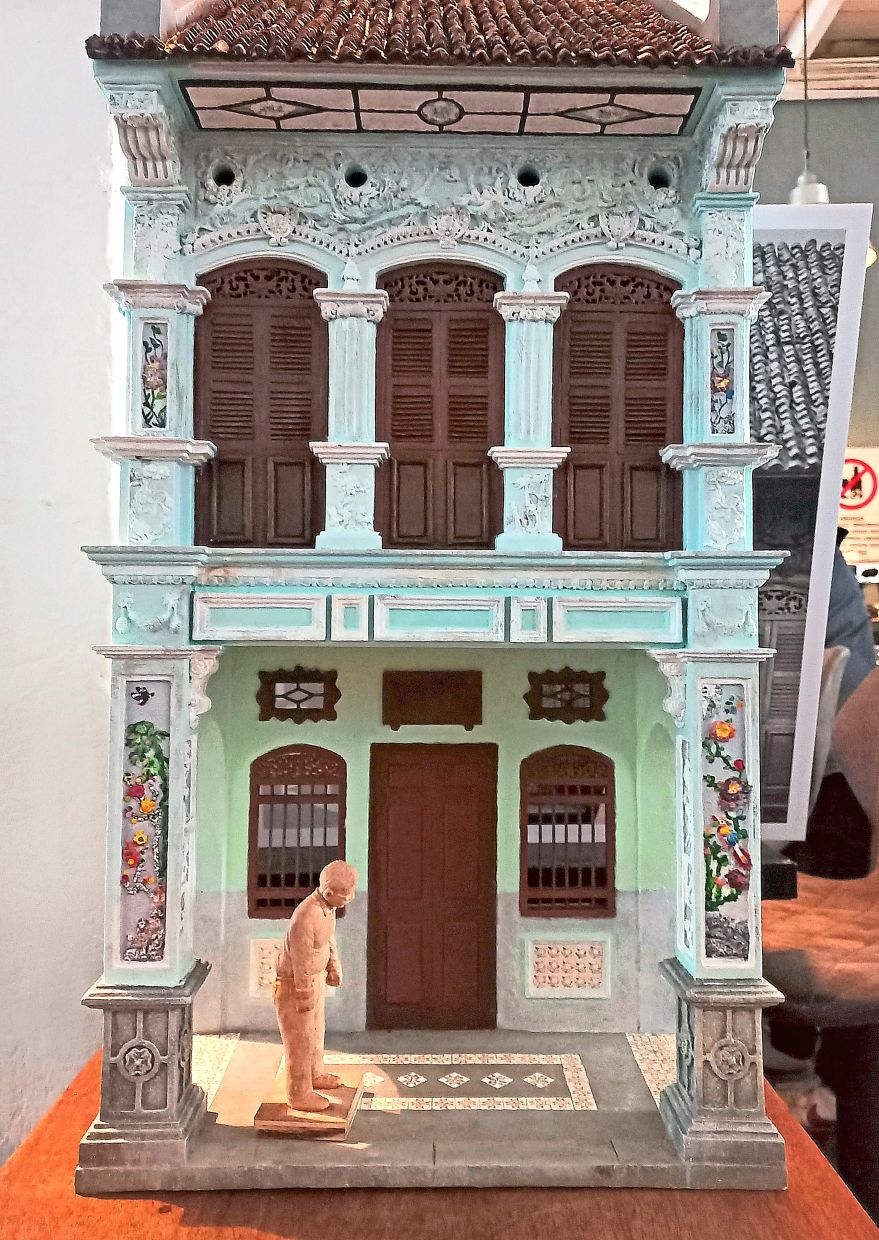
Their legacy lives on in “Artisan II”, an exhibition by Low Chee Peng at O Sculpture in Hin Bus Depot that is among the highlights of George Town Festival (GTF) 2026.
Each piece – measuring roughly 0.8m high and 0.5m wide and fashioned from materials like wood, metal and resin – recreates the facade of a shophouse and the traditional trade practised within.
“This is my second series and features a further 12 artisans, including a batik artist, traditional goldsmith, bamboo blind maker, altar maker and cobbler.
“Some of these shops don’t exist anymore and this ensures their memory lives on.
“Some pieces from my first series will also be displayed in a tribute section for artisans who have passed on,” Low said.
GTF 2026 is the event’s 17th edition and will run from Aug 1 to 9.
Themed “Beyond Boundaries”, it features more than 40 programmes.
These span visual arts, theatre, dance, music, public installations, workshops, films, community projects and family-friendly experiences.
Around 80% of the programme will be free-to-attend to ensure the arts remain accessible to everyone, according to state tourism and creative economy committee chairman Wong Hon Wai.
“A festival should be open, welcoming and connected to the communities around it, and not be limited to an exclusive group,” he said during a press conference.
It will be bookended by two major public events – the “Six to Eleven” opening weekend that will turn Padang Kota Lama into a canvas of art, music, light and community fun, and the closing “Control Arts and the City (CTRL A+C)” with various site-responsive performances across the city.
In between, there is “Street Fragments: Jalan Gurdwara” at COEX and Ruang Kongsi, which delves into the street’s history through archival materials and oral histories.
“Converge” by Taiwanese artist Kuei-Chih Lee at Taman Kejiranan Macallum will be a large-scale installation reflecting on the relationship among people, culture and nature.
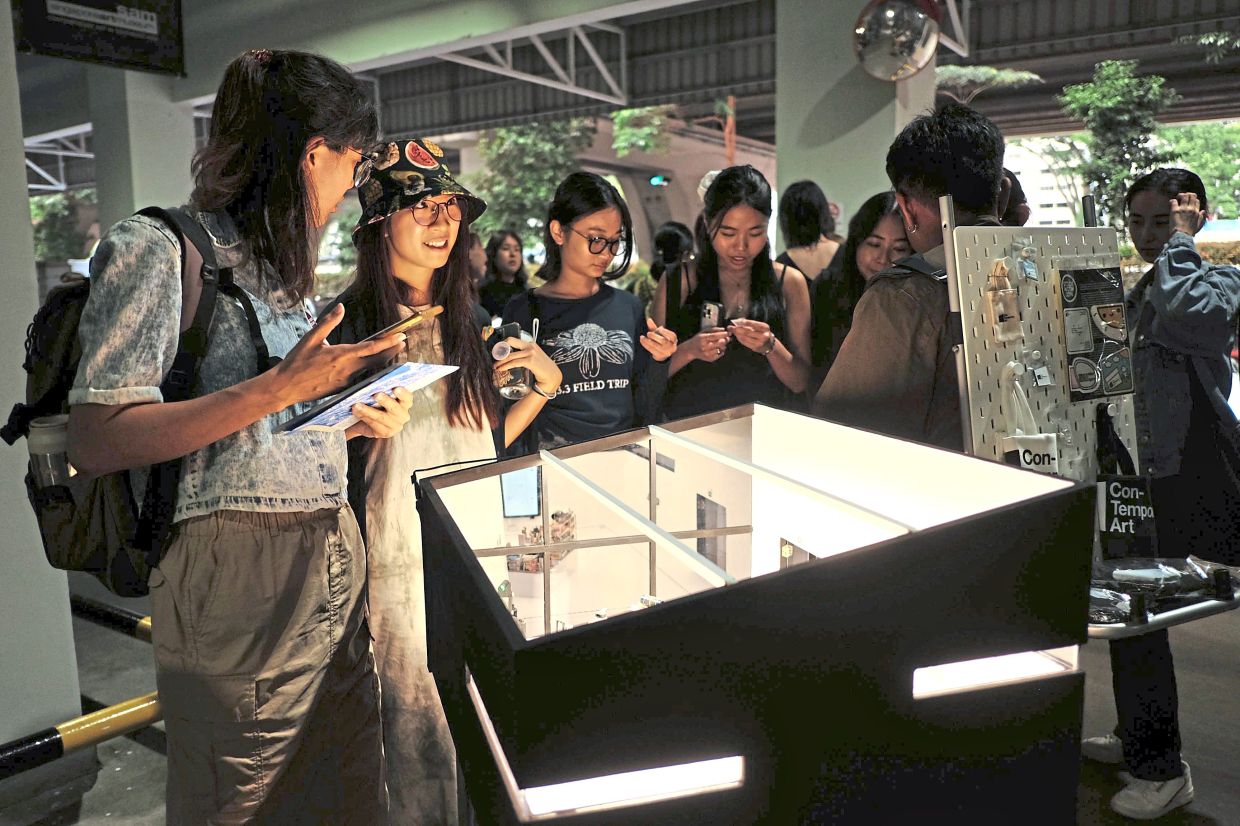
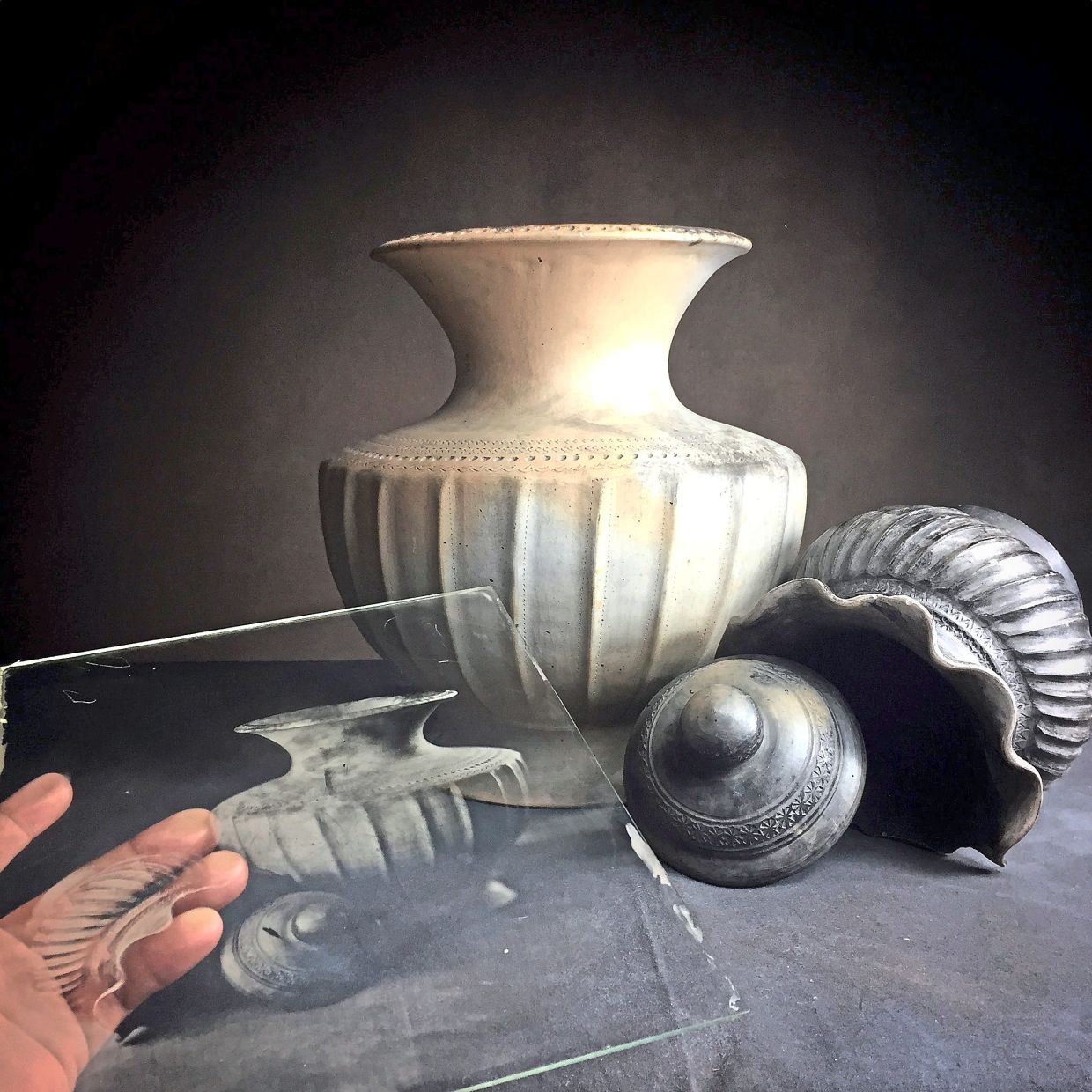
There is also the multi-disciplinary exhibition “Shifting Whispers” by Parallax; the “Con-Temporary Art (CTA)” miniature gallery by Joshua Kon and B. Arrvinraj; the “Collodion, Silver, Glass: Contemporary Wet Plate Photography” exhibition by Steve Tan; and “The Natural History Museum of Yeahnahnesia by Yok and Sheryo” curated by Deborah Lim and done in collaboration with SputnikForest.
Ticketed highlights include “When Spirits Meet: The Rainbow Bridge and Ocean Chants” that explores the traditions of Taiwan’s indigenous peoples through music, dance and ritual storytelling.
Festival manager Connie Chan said they would be extending the experiences beyond performance venues and galleries.
“Kopi and Karya” will see 10 participating cafes offer festival- inspired beverages and baked goods, while “Wayang Pacak” revives the nostalgia of open-air cinema with a selection of independent films, documentaries, animated works and feature presentations.
They will also unveil a merchandise collection with keepsakes such as disposable film cameras, stickers, postcards and socks.
“Together, these programmes encourage festival-goers to explore, learn and connect through shared cultural experiences,” Chan added.
Looking back, Hon Wai said GTF had come a long way.
It started in 2010 as a small local initiative to commemorate the city’s Unesco World Heritage listing two years prior.
“We set out with a clear vision – that heritage must be complemented by creativity and preservation matched by expression.
“Today, it is one of the most recognised contemporary arts festivals in the region,” he said.
Also present at the press conference were festival director Jack Wong and George Town World Heritage Incorporated (GTWHI) general manager Dr Ang Ming Chee.
Tickets for paid programmes are now open for purchase.
For details and updates, visit www.georgetownfestival.com or its official social media pages.
