Selangor city councils to implement quick restoration following mounting complaints from residents
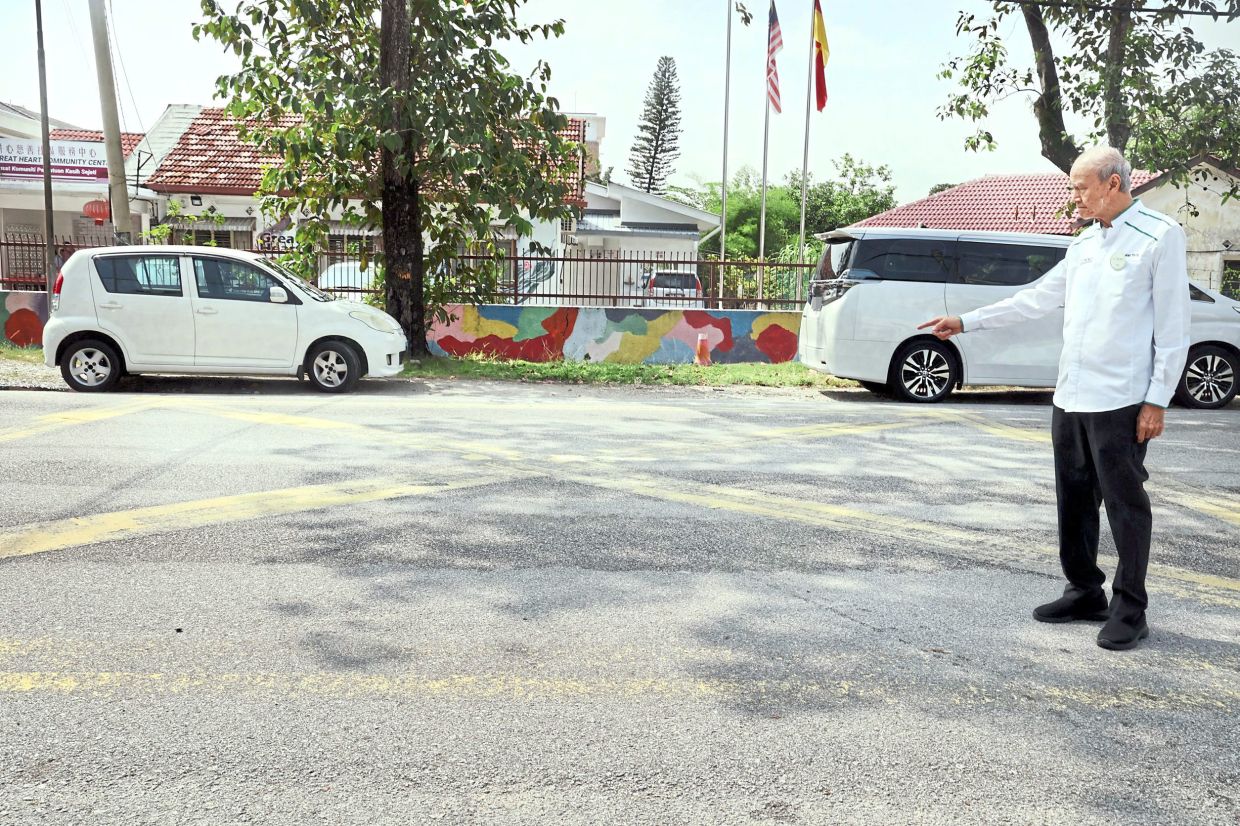
FADED road markings and neglected kerbs have turned local streets into a safety challenge for motorists, drawing calls from residents in several Selangor cities for immediate remedial action.
Motorists interviewed highlighted that deteriorated road markings compromised driver guidance and increased the risk of accidents.
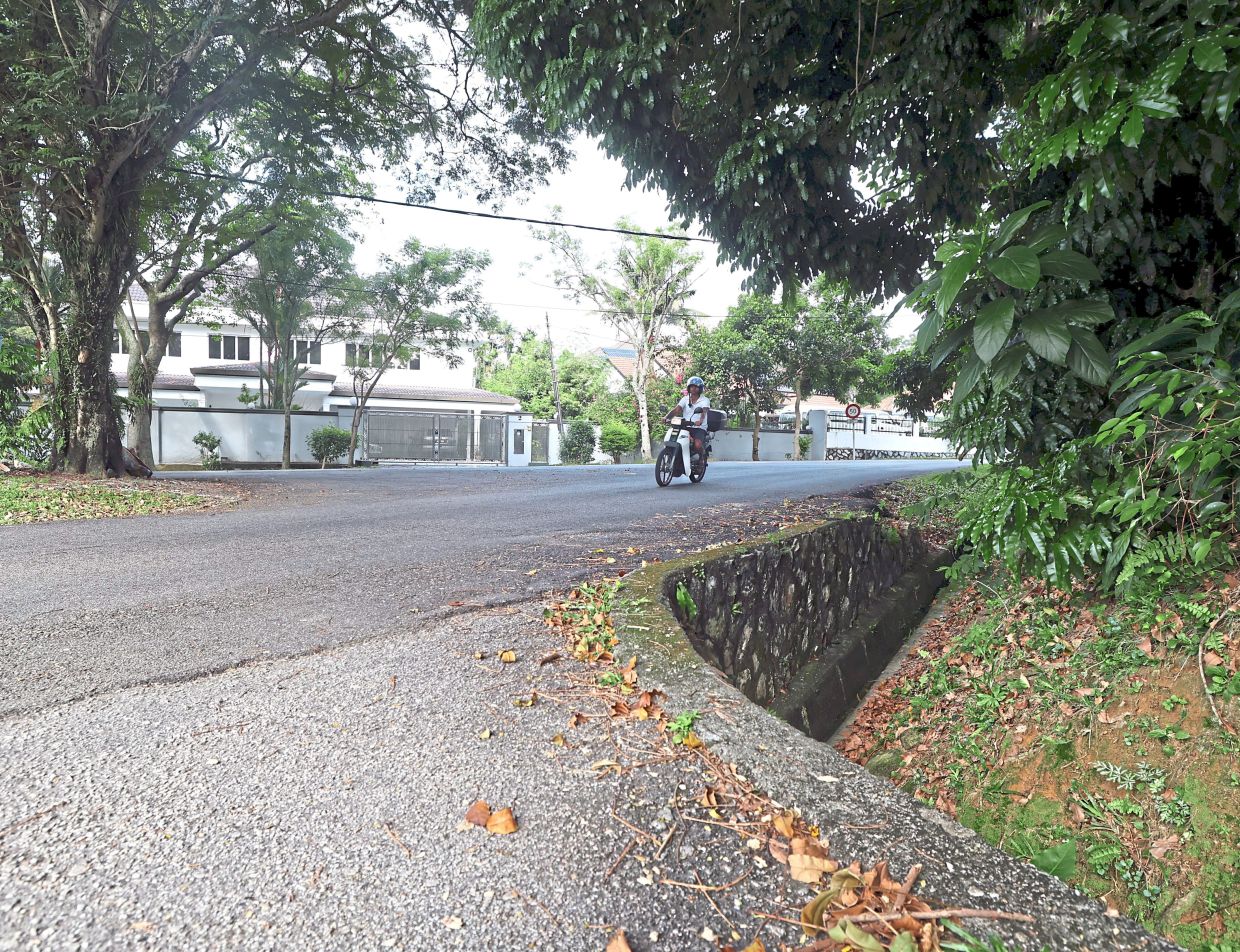
Resurfacing works have also buried kerbs, drastically reducing road-edge visibility.
The disappearing markings and neglected kerbs are painting a negative image for Petaling Jaya City Council (MBPJ), Subang Jaya City Council (MBSJ) and Klang Royal City Council (MBDK).
Former All Petaling Jaya Residents Association Coalition (Apac) adviser Mohamed Umar Peer Mohamed said faded road markings and a lack of kerb improvements increased the likelihood of motorists veering off the roadway.
“It is a major concern among motorists who say it is a potential danger.
“Reflective road lines and painted kerbs provide guidance, regulate traffic flow and ensure the safety of motorists and pedestrians alike.
“When these markings fade due to weather, poor maintenance or heavy traffic, they become a significant hazard,” he said.
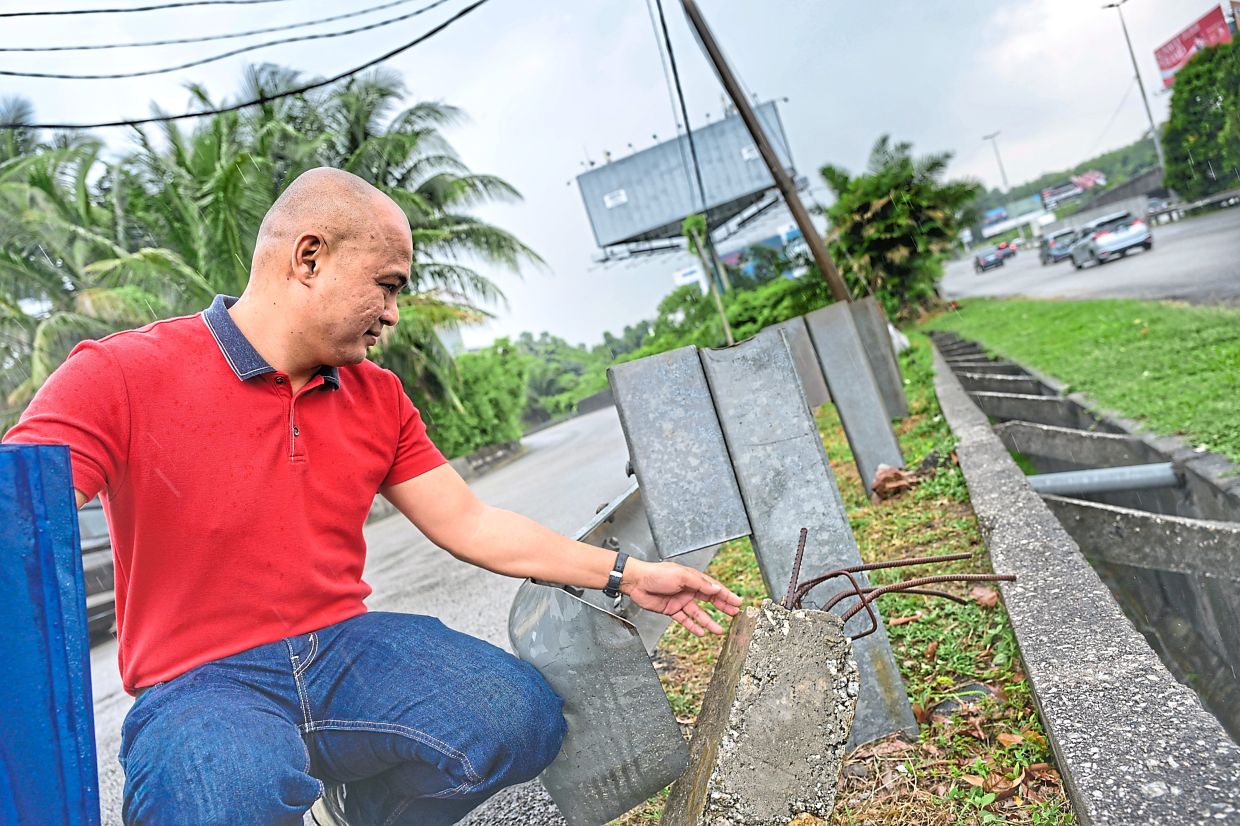
Mohamed Umar also said that faded road lines and buried kerbs created confusion among drivers while increasing the likelihood of accidents, traffic congestion and fatalities.
“Most of the time, the absence of road kerbs along bends increases the risk of vehicles’ rear wheels entering adjacent drains or encroaching into opposing lanes, potentially resulting in collisions with oncoming traffic,” he said.
He noted that faded lane markings and directional arrows made it increasingly difficult for motorists to identify the correct lanes, thereby heightening the risk of confusion and near-miss incidents.
“Faded or completely obliterated pedestrian crossings undermine pedestrian safety by reducing motorists’ awareness of designated crossing points.
“As a result, drivers may not anticipate pedestrians crossing at these locations, significantly increasing the risk of accidents,” he added.
Mohamed Umar said that under the Street, Drainage and Building Act 1974 (Act 133), local councils were legally empowered to maintain public roads and street furniture.

“Road stretches that need urgent attention are those branching out into neighbourhoods from the main roads of Jalan Gasing, Jalan Universiti, Jalan Changgai and Jalan Yong Shook Lin into the commercial roads.
“Reflective road paint, which was previously used to improve road visibility, should be reintroduced as part of road safety enhancement measures,” he said.
Petaling Jaya mayor Datuk Mohamad Zahri Samingon said the local council had accepted the community’s proposals to restore road markings using reflective paint and upgrade road kerbs, recognising their importance in improving traffic safety, roadway visibility and urban infrastructure standards.
“MBPJ will do it in stages.
“Residents may report instances where road kerbs have been partially or completely concealed due to successive layers of road resurfacing, enabling the council to undertake the necessary remedial measures,” he added.
In Subang Jaya, social activist CP Goh, 39, said faded road markings primarily compromised lane visibility.
“Clear lane markings help drivers maintain proper positioning, especially on highways and busy urban roads.
“City councillors in charge of an area must take the effort to get the faded road lines repainted,” he said.
He highlighted key routes – including Jalan SS16/1, the Subang Jaya exit into the Federal Highway and entry point into Subang Jaya, Jalan Kemajuan Subang, Persiaran Kewajipan, Jalan SS12/1 and Persiaran Jengka – requiring reflective road markings and properly maintained kerbs due to high traffic volume.
“Damaged and removed bollards along Persiaran Jengka must be reinstalled to re-establish effective traffic separation and enhance road safety at the road median,” he said.
Goh surveyed the roads and found there was a need for road lines to be repainted.
He urged MBSJ not to rely solely on residents’ complaints but to conduct continuous monitoring.
“I find that faint road markings or reduced kerb heights are a maintenance lag due to operational governance inefficiency.
“When these lines become indistinct, motorists may unintentionally drift into adjacent lanes, causing side-swipe collisions.
“This danger becomes even more severe during night-time driving or in heavy rain, where visibility is limited,” he said.
Without clear indications, he said, drivers might hesitate, make incorrect turns or fail to follow traffic rules.
“Such uncertainty disrupts traffic flow and heightens the risk of accidents.
“Inexperienced drivers, visitors unfamiliar with local roads, and elderly motorists are particularly vulnerable because they depend more on visible guidance,” he added.
Goh advocated for the immediate implementation of a lane-marking rehabilitation programme by the Public Works Department (JKR) on the Federal Highway, noting that widespread deterioration had diminished roadway visibility and compromised driver navigation.
Subang Jaya deputy mayor Mohd Zulkurnain Che Ali said MBSJ would repaint road markings with reflective paint, upgrade deteriorated road kerbs and reinstal bollards as part of safety upgrades.
In Klang, Bandar Botanic Residents Association (BBRA) vice-president Jacob Mathews said the economic consequences of neglected infrastructure should not be overlooked.
“Now we are seeing numerous traffic accidents.
“It leads to costly vehicle repairs, medical expenses, legal claims and insurance payouts.

“Authorities, like the local councils and JKR, may also face criticism and liability issues for neglecting infrastructure maintenance,” he said.
Klang’s Taman Meru Indah Rukun Tetangga secretary Nini Mahyuddin said contract-awarding authorities should enforce stringent quality-control measures to ensure that contractors utilised approved traffic-grade road paint.
She noted that the use of non-compliant materials such as household paint or lime wash could significantly diminish the effectiveness and durability of road markings.
“Neglecting quality-assurance standards may result in accelerated wear of road markings and compromised road safety.”
Nini said to address this issue, authorities must prioritise routine road maintenance and implement stricter safety standards.
MBDK mayor Datuk Abd Hamid Hussain said the city council would undertake the restoration of road markings using high-performance reflective paint and improve road kerbs.
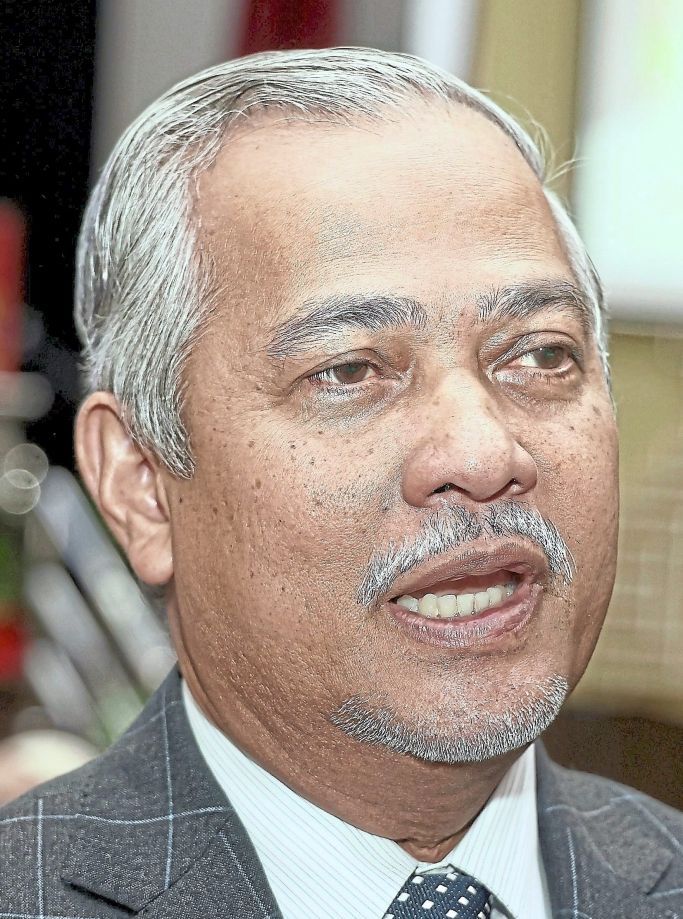
“The markings play a critical role in enhancing road safety, optimising visibility and upholding the quality and resilience of urban infrastructure,” he said.
Alliance for a Safe Community chairman Tan Sri Lee Lam Thye, who visited Klang, said clear road markings were indispensable for road safety and regulatory compliance.
“Faded markings increase accident risks. This necessitates efficient maintenance, monitoring and prompt restoration by local authorities.
“I urge the Housing and Local Government Ministry to direct all local authorities to promptly restore road markings and maintain road kerbs,” added Lee.
Selangor infrastructure and agriculture committee chairman Datuk Izham Hashim said faded road markings presented a serious threat to motorists and public safety.
“Clear and visible road markings are needed to maintain order, reduce confusion, and prevent accidents on roads.
“Selangor government recognises the importance of maintaining these markings and will take immediate action to ensure that council, state and federal roads remain safe for all users,” said Izham.