THE common practice of releasing fish into rivers and lakes as part of religious rites or personal vows can do more harm than good if the species is not native to local waters.
Johor Fisheries Department director Rosmawati Ghazali said non-native fish species were still being released into rivers despite repeated calls against it.
“Many people may have good intentions when releasing the fish, but non-native species can become predators, compete with native fishes for food and habitat or dominate the area, eventually affecting the food chain.
“Among the commonly encountered invasive species released into local waters are African catfish and sucker fish, commonly known as ikan bandaraya,” she said.
Rosmawati urged individuals, organisations and places of worship planning fish-release activities to consult the department beforehand to ensure only suitable species are released.
“If they are unsure whether a fish species is appropriate, they should seek advice from us first.
“We have conducted awareness programmes on this issue, but such releases are still taking place.”
She added that native species included ikan kelah, belida, lampam sungai and sebarau.
The department, she said, was also actively carrying out programmes to control invasive aquatic species to restore balance to the aquatic ecosystem.
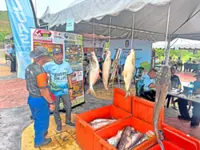
Last year, the department collaborated with local universities and other agencies to hold eradication programmes, including fishing competitions to remove as many invasive species as possible, she said.
Rosmawati added that the department conducted efforts to replenish freshwater fish stocks across Johor through its fish and prawn seeds release programme.
According to her, from 2021 to 2025, more than six million freshwater fish and giant freshwater prawn seeds were released into rivers and inland waters throughout the state.
“The annual releases are funded through both state and federal allocations and aim to conserve native species, restore fish populations and improve the livelihoods of inland fishermen.
“Freshwater landings in Johor have shown a steady increase over the past few years, thanks to consistent restocking efforts and conservation measures undertaken by the department,” added Rosmawati.