
PERAK government plans to develop walkways linking tourism hotspots in Ipoh and to hotels as a way to encourage longer stays among tourists.
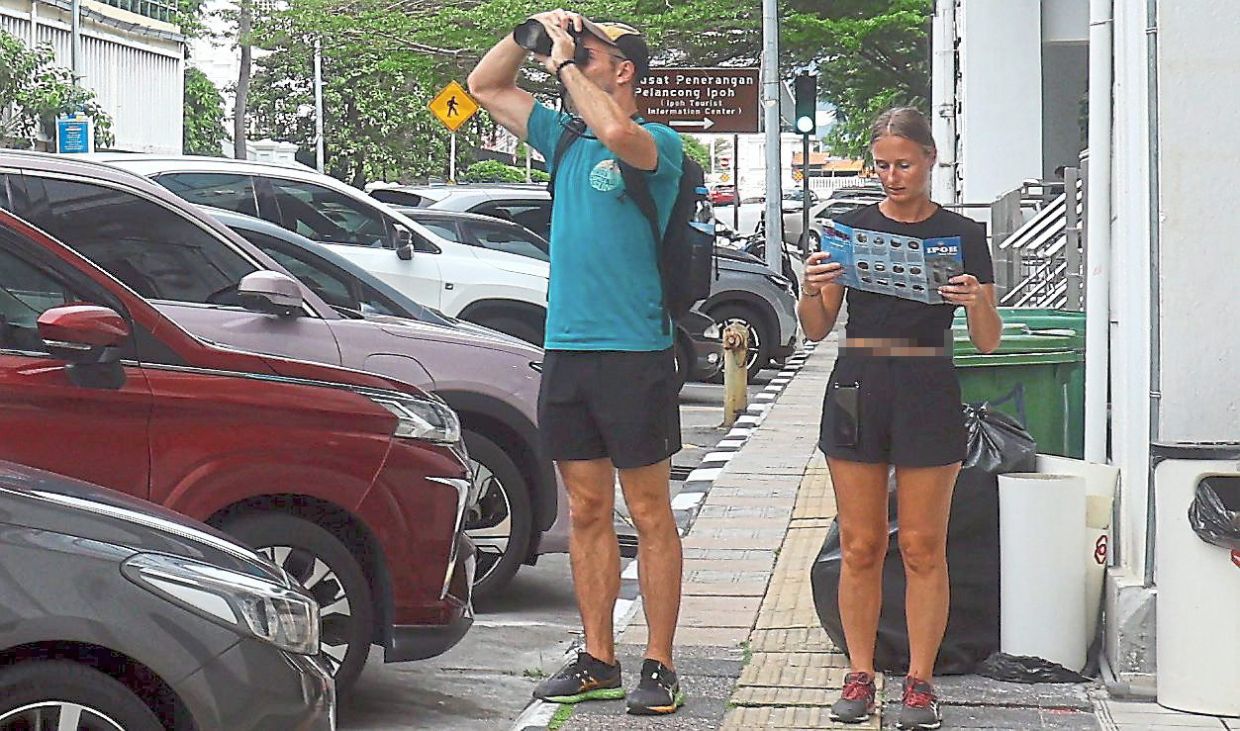
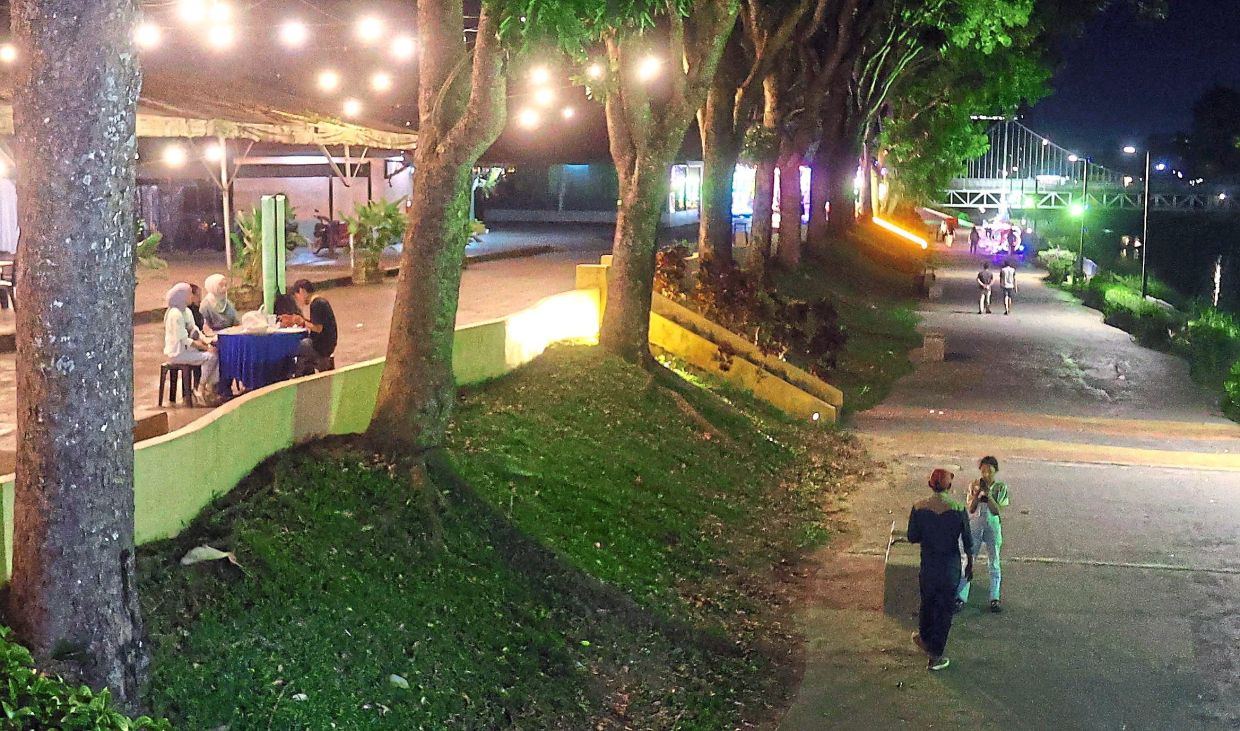
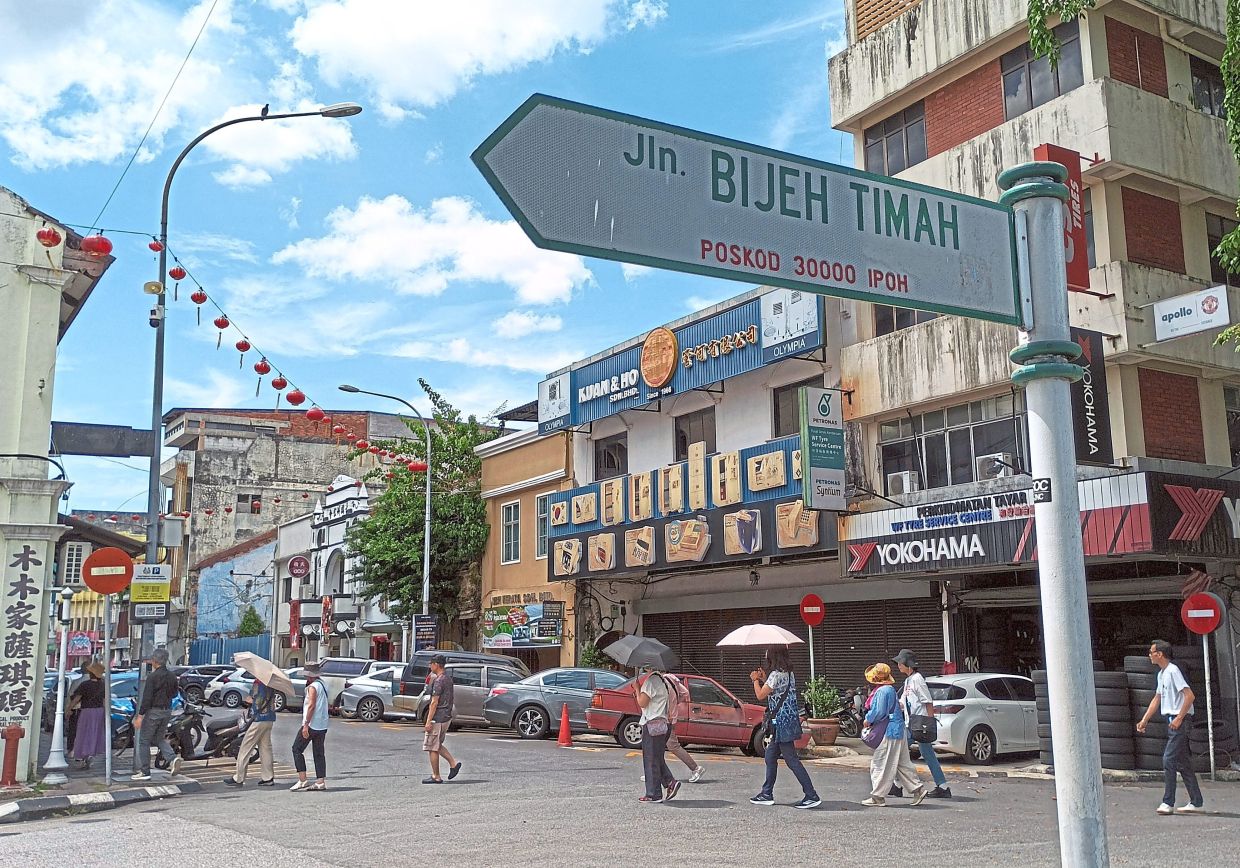
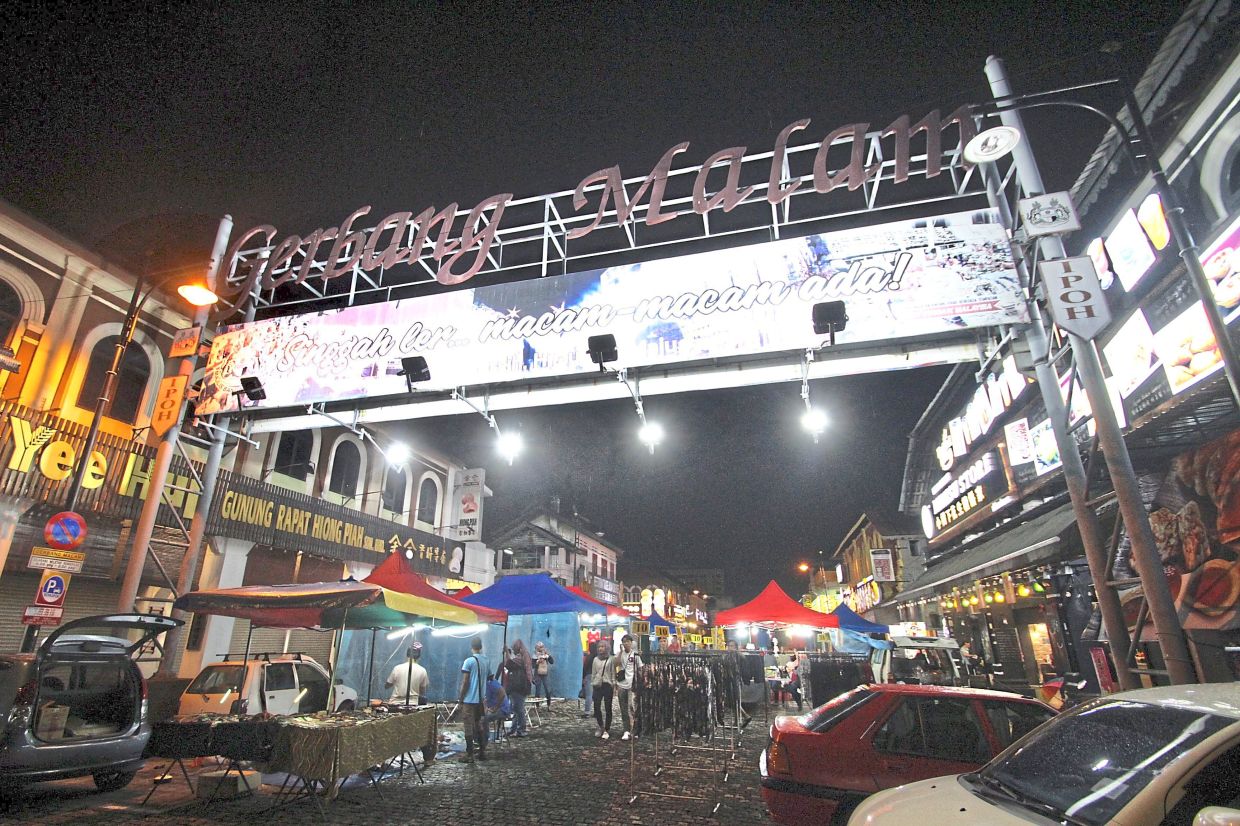
The proposal is to create continuous pedestrian-friendly routes connecting to areas like Kinta Riverwalk, Gerbang Malam, Ipoh Old Town and Dataran Ipoh.
It is also part of the state’s plan to make Ipoh a low-carbon and walkable city by 2030.
Perak tourism committee chairman Loh Sze Yee said this plan would be implemented by Ipoh City Council (MBI).
“We are looking into developing walkability initiatives, as it involves many components and pedestrian walkways are only one part of the overall concept.
“The design, scale and scope of the proposed walkability projects will be determined by MBI, which will act as the implementing agency,” he said.
Loh added that funding for such initiatives could potentially be sourced from various ministries and agencies.
“Most of these projects would have to go through a bidding process and be pitched against other proposed developments before allocations are approved,” he said, adding that the implementation would usually be carried out in phases.
“The walkways need to be in sync with the originality and vibes of Ipoh, especially lifestyle and historical values.”
He also said feasibility studies were a standard part of the planning process before any development was implemented.
“The state welcomes private sector participation or joint ventures,” he added.
Proper planning vital
Non-governmental organisation Ipoh City Watch called for the idea to be given a lot of thought before implementing it.
Its president Richard Ng said walking was not merely a means of getting around, but an experience in itself.
“When tourists find it easy to move around, explore deeply and enjoy their trip, they naturally choose to stay longer, spend more and return.
“The walking trail should create experiences through storytelling programmes, attractions along the route, as well as facilities such as benches for visitors to rest and public toilets.”
Ng said cities such as Melbourne in Australia had created vibrant laneway networks filled with cafes, art and boutiques with a strong emphasis on “discoverability” through easy walking between attractions, transport and hotels.
“Singapore has extensive covered pedestrian walkways to provide shelter from rain and heat, with seamless links between MRT, malls, hotels and attractions, alongside lively nighttime destinations such as Clarke Quay and Marina Bay.
“Cities like Kyoto (Japan) preserves walkable heritage districts such as Gion and Higashiyama where cafes, temple and shops are clustered within walking distance through street-level storytelling using signage and preserved buildings,” he said.
“Barcelona (Spain) has famous pedestrian streets like La Rambla with Superblocks to reduce cars and prioritise people with vibrant mix of food, shopping and street performances.
“Seoul (South Korea) is an example where walkable zones like Myeongdong, Hongdae and riverwalks in Cheonggyecheon were designed for day and night use with strong street food and retail culture,” he added.

Ng said the plan to link areas such as Kinta Riverwalk, Gerbang Malam, Ipoh Old Town and Dataran Ipoh was timely and strategic.
“It creates a cohesive tourism ecosystem rather than isolated attractions.
“It aligns well with global trends where cities prioritise walkability to improve visitor experience.”
Tourists are more likely to stay overnight when attractions are easily accessible on foot, as this encourages slower and more immersive exploration rather than rushed day trips, he said.
People-friendly designs are critical to the initiative’s success.
Among the important features, he said, were shaded walkways and tree canopies, seating and rest areas, drinking water stations, night lighting, safety features, green landscaping, cooling elements (misting systems) and clear signage and wayfinding.
“A well-connected walking route encourages slower and more immersive exploration.
“Tourists and even locals will rediscover Ipoh beyond just food stops, turning the city into a ‘walkable story’.”
Ng said pedestrian walkways should also be supported by night events like cultural shows, food fairs or festivals.
“Efficient last-mile transport like shuttle services or
e-scooters, plus strong destination branding and marketing are also important,” he added.
Challenges expected

The initiative, he said, would bring broader benefits beyond tourism, including healthier lifestyles, improved urban mobility, greater liveability and more business opportunities for locals.
“Local businesses stand to gain the most. Increased foot traffic translates into higher visibility, impulse spending and opportunities for small entrepreneurs, especially in food, retail and cultural products.
“Modern travellers increasingly value sustainability, authenticity and experiences. Walkability delivers all three,” he added.
Ng believes the overall framework is well-grounded and aligned with global best practices.
“The challenge now is no longer planning, but execution.
“Ipoh has everything that can attract tourists, but our promotion is still very much lacking with a poor execution.
“We have good food, good heritage, great hotels and rich cultural heritage which need to be promoted by government agencies,” he said, suggesting that all players be provided with incentives.
Mixed reactions
Local folk who spoke to StarMetro about the planned walkways agree that improved walkability can enhance the city’s tourism experience.
However, there are some who feel that more attractions and better maintenance works are equally important to encourage longer tourist stays.

“It is a very good move. Right now, we can already see foot traffic increasing as tourism picks up,” he said.
With stronger marketing and promotion, he believed the walkability initiative could further increase tourist arrivals.
“If the area is properly designed and attractive at night, more tourists will come and perhaps stay longer,” he added.
Radiographer Shahrin Abdul Hamid, 35, said improved walkability alone would not be enough to encourage tourists to stay overnight in the city.
“It is quite true that many people just stop by Ipoh before heading to Penang or Kuala Lumpur.
“Ipoh is often seen as a gateway to the northern region.
“I’m from Teluk Intan and come to Ipoh for work and I think this city needs more attractions if it wants visitors to extend their stay,” he said.

“We also have places like Lost World of Tambun, but most of these are still considered one-day attractions.”
Shahrin, however, said Ipoh’s current size and layout already made it walkable.
“I enjoy travelling and walking around myself, but for me, Ipoh can already be explored in a day.
“The city is not that big, so I don’t think additional walkways alone are necessary to make tourists stay longer,” he said.
He added that many foreign tourists arriving by train preferred walking around the city, especially within the heritage zones.
“If the purpose is to increase overnight stays, I feel that more attractions are needed rather than just more walkways.”
Shahrin said Gen Z visitors were often drawn to lifestyle elements and cafe culture, and believed cultural and educational attractions would leave a stronger impression on visitors.
“For me, museums would be more meaningful because tourists can learn the history of Ipoh instead of only visiting cafes.
“Cafes may appeal more to local visitors, but for foreign tourists, museums and heritage attractions would provide a better experience,” he added.
Pensioner R. Kumar, 69, said Ipoh’s existing walkways were already sufficient and pointed to Kinta Riverwalk as an example of the city’s current walkability.
“People can jog and walk comfortably at Kinta Riverwalk, and there are trees providing shade as well,” he said.
However, Kumar said authorities should prioritise repairing damaged and uneven pathways before expanding into new pedestrian projects.
“They should first repair broken and uneven walkways and improve safety by installing closed-circuit TV cameras.”
A retiree identified as Lee, 83, said cleanliness and proper maintenance should also be prioritised, such as repairing damaged pathways and improving the condition of the Kinta Riverwalk area.
“Parks and pedestrian areas in Japan and Singapore are very clean and beautiful.
“That itself becomes an attraction,” he said, adding that there should be better lighting at night, local food stalls and proper
public facilities along pedestrian areas.
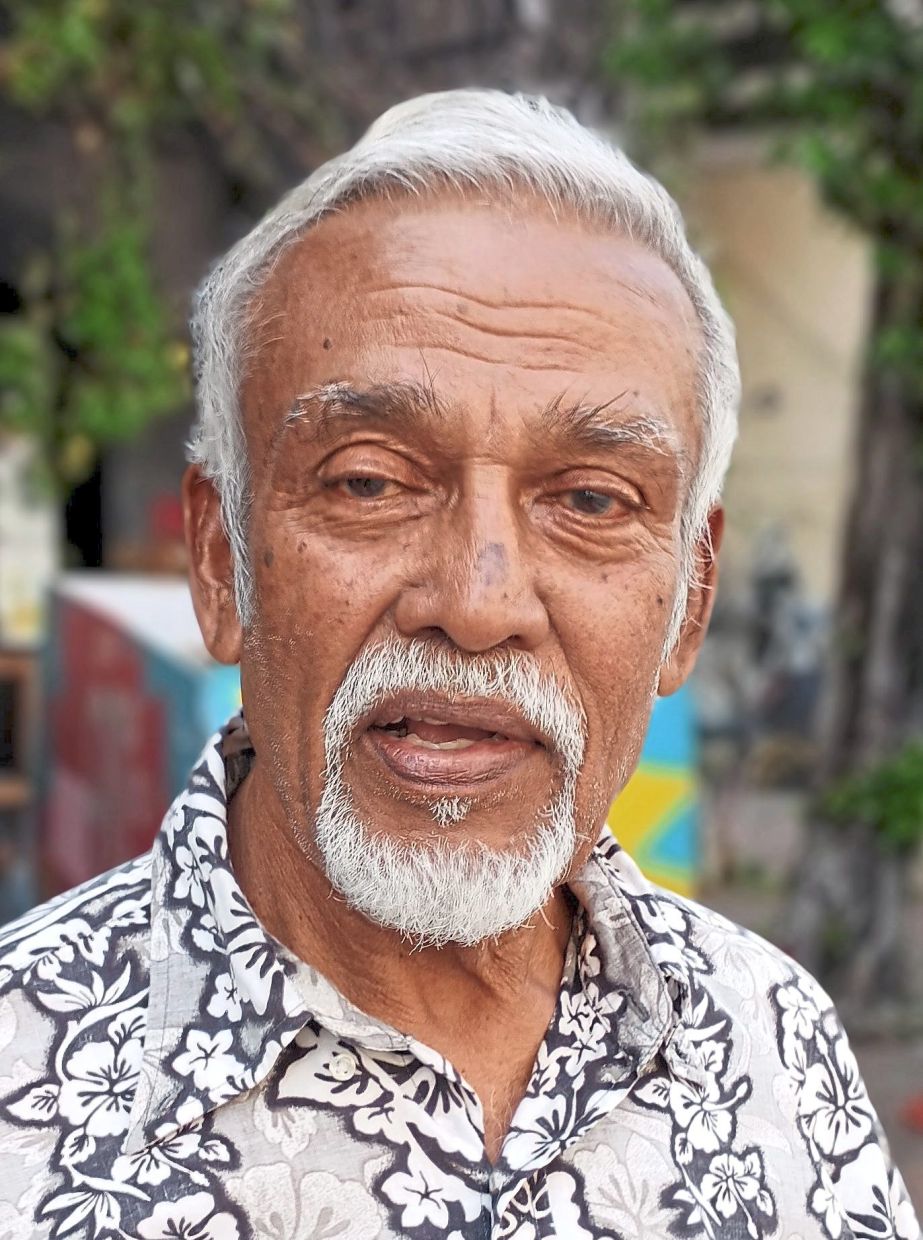
Tour guide K. Rajasegaran, 79, suggested building covered walkways linking Medan Kidd bus station with Ipoh Railway Station to help travellers without transport move around the city with ease.
He also suggested incorporating stalls selling foodstuff and local products along the route to create a livelier atmosphere.
“It would bring more life to Ipoh and create joy for those walking,” said Rajasegaran, adding that elevated or covered walkways with cooling features and business spaces should also be considered.