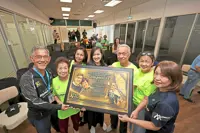
COMMUNITY spirit was on display at the National Cancer Society Malaysia (NCSM)-Biocon Relay for Life 2026 which saw the participation of survivors, caregivers, healthcare professionals, students and the public.
The cancer awareness and advocacy campaign was organised by NCSM and Biocon Malaysia, and supported by Newcastle University Medicine Malaysia (NUMed) in Iskandar Puteri, Johor, as venue host.
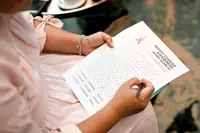
The event included a community run, cancer screenings and games promoting a healthy lifestyle, early detection and collective action against cancer.
NUMed lecturer and organiser Ainul Farhana Abdul Razak expressed pride in the university’s involvement, saying, “Being a Relay For Life venue partner reflects our commitment to community engagement and health advocacy.”
The event translated academic work into tangible societal impact with meaningful benefits for society and the wider Asian region, according to a NUMed press statement.
Emphasising the educational value of the Relay for Life event, Ainul Farhana said it provided students and staff the opportunity to better understand real-world health challenges while fostering empathy, professionalism and collaboration, enriching the overall educational experience.
“The event aligns closely with our mission to produce excellent doctors and graduates who are compassionate, skilled and socially accountable.
“By hosting and engaging in community health programmes, we deliver high-quality learning experiences that extend beyond the classroom while addressing the needs of our students and the health landscape,” she added.
NUMed academic affairs acting dean Dr Vivian Andaya Verbo, who launched the community run, stressed the importance of cancer awareness and early detection.
From NUMed’s perspective, she said, raising awareness about cancer screening is essential, as early detection significantly improves patient outcomes, allows for less invasive treatments and reduces the burden on the healthcare system.
She said community outreach initiatives helped reduce health inequalities and supported NUMed’s emphasis on preventive care.
“Encouraging screening empowers patients to take a proactive role in their health rather than relying solely on reactive treatment.”
She also said that cancer screening programmes relied on multidisciplinary collaboration involving doctors, nurses, public health practitioners and community workers, which was actively promoted through NUMed’s interprofessional education model.
“Such initiatives help students develop communication skills, cultural sensitivity and a deeper understanding of population health challenges in Malaysia,” added Dr Vivian.