SELANGOR is accelerating its shift toward green mobility following global energy disruptions that have resulted in significant hike in fuel prices.

DRT subsidy
Ng said the state government would provide a RM30 monthly subsidy to demand-responsive transit (DRT) service users.
He hoped to start the initiative in June this year.
Although the exact mechanism of the subsidy was still being finalised, he said it was expected to function like Budi95.
“It will be distributed to the users via e-wallets and they can top up the amount after finishing their monthly entitlement.
“It can fill up the gap in the service, since Rapid KL ended the coverage of the My50 travel pass on its Rapid On-Demand service on Feb 1,” he said, adding that the state allocated RM5.4mil for the subsidy initiative this year.
In January, Prasarana Malaysia Bhd (Prasarana), Rapid KL’s parent company, announced that the promotional fare of RM1 for Rapid On-Demand will end on Jan 31.
Starting February, the fare per trip for Rapid On-Demand is RM2 and it also applies to holders of the My50, Rapid Kota, Rapid Kembara and Rapid Keluarga travel passes.
When asked whether the Selangor government would hand over DRT’s operations to Rapid KL completely, Ng said the state would focus on facilitating the service’s implementation from now on.
“I strongly believe that we should not compete with each other in operating public transport services.
“Rapid KL has bigger fleets, teams and budgets compared to the state government, so we should work together with them.
“Nevertheless, I believe that we should also remain open and welcome all those who are interested in venturing into the market,” he added.
The state government, through the Selangor Mobility initiative, ran a DRT service trial from Nov 21, 2023 to July 31, 2024 in eight zones.
It was separate from Rapid On-Demand, which operated in different zones across the Klang Valley.
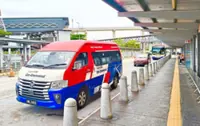
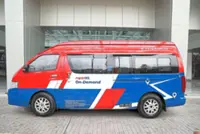
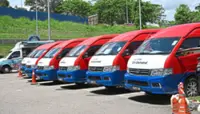
Ng said the Rapid On-Demand’s expansion in Selangor was seeing great progress.
“Starting with four zones in Ampang, Puchong, Subang
and Bandar Utama, Rapid On-Demand is now operating in 87 zones across the state, with 237 vans being deployed.
“This indicates that DRT can really strengthen first- and lastmile connectivity,” he said.
Green buses
To further promote sustainable travel, the Selangor government is prioritising the deployment of green-energy buses.
Ng hoped to roll out hydrogen-powered buses in Selangor by the end of this year or even earlier.
“To operate hydrogen-powered buses, we must ensure the readiness of three main components, which are hydrogen electrolysers, refilling stations and the buses themselves,” he said.
He also said WorldWide Holdings Bhd (WHB), a wholly owned subsidiary of the Selangor State Development Corporation (PKNS), is currently constructing a hydrogen electrolyser in Batang Kali to produce hydrogen fuel.
“The first unit of hydrogen-powered bus has also arrived. It is a 12m bus with a capacity of about 40 passengers.
“For the refilling station, we are working with the Science, Technology and Innovation Ministry. WHB has proposed to build one station in Puchong Utama,” he said.
Ng also said the state government would continue electrifying its existing bus fleets.
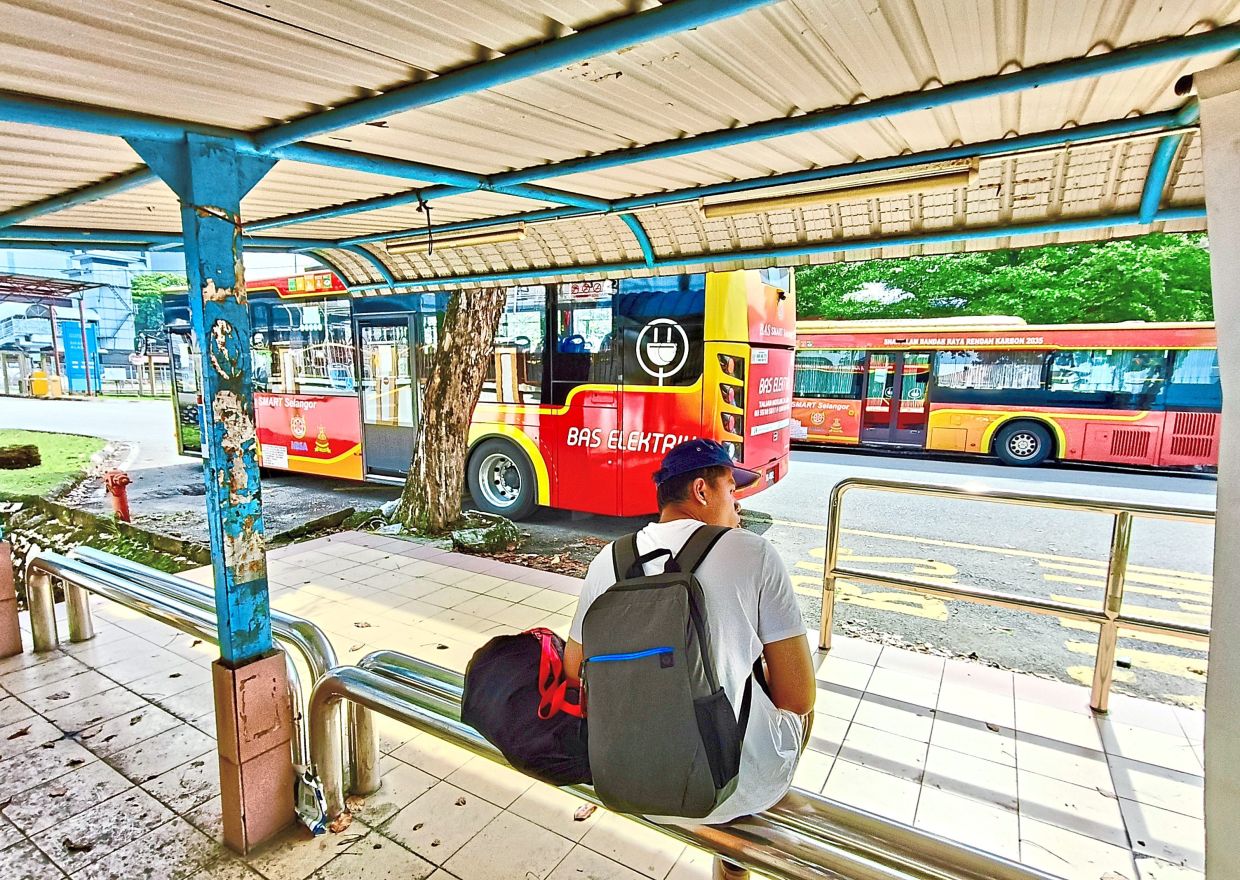
“Currently, we have 160 buses and 26 of them are electric buses. We target to electrify all of them by 2030,” he said.
Walkway upgrades
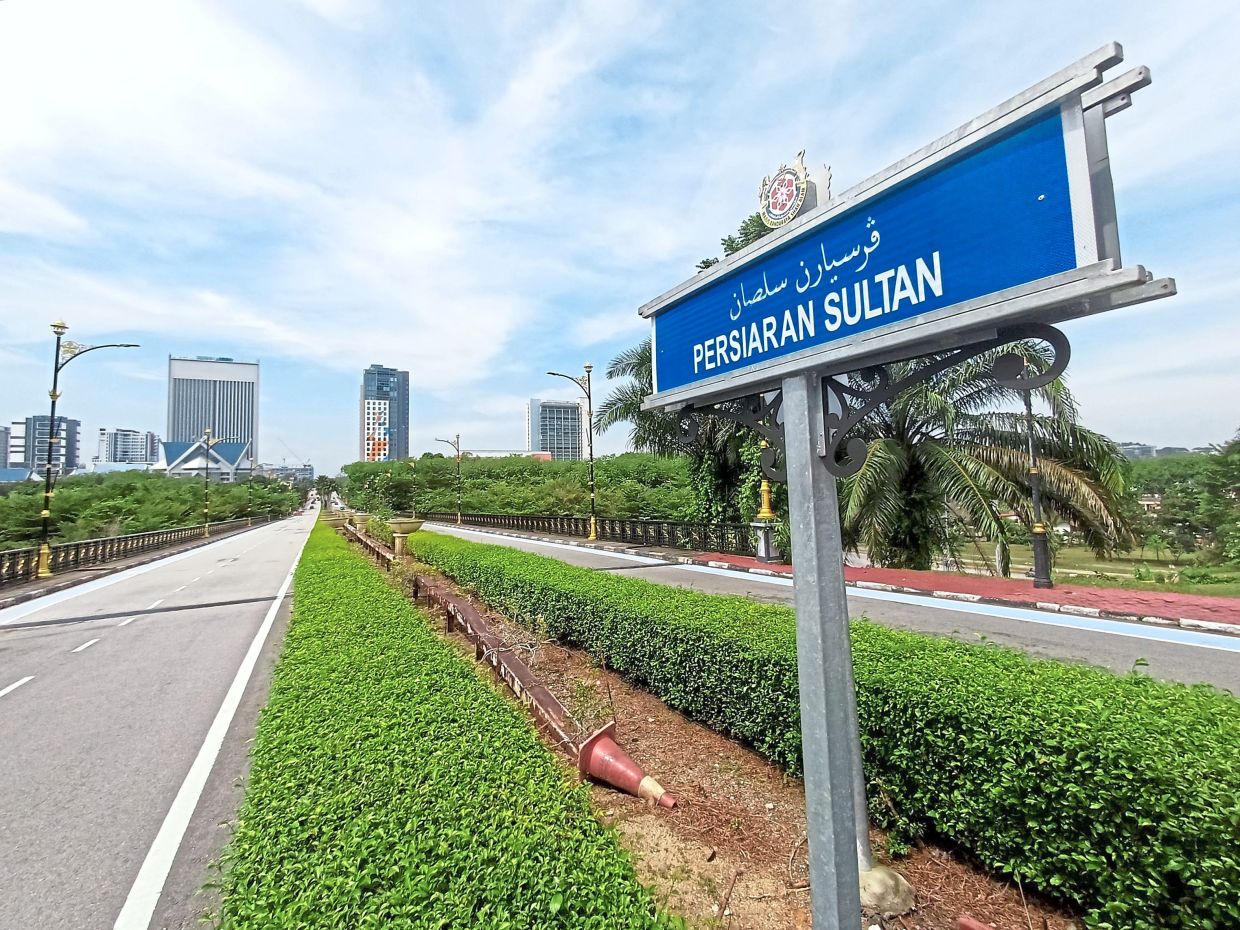
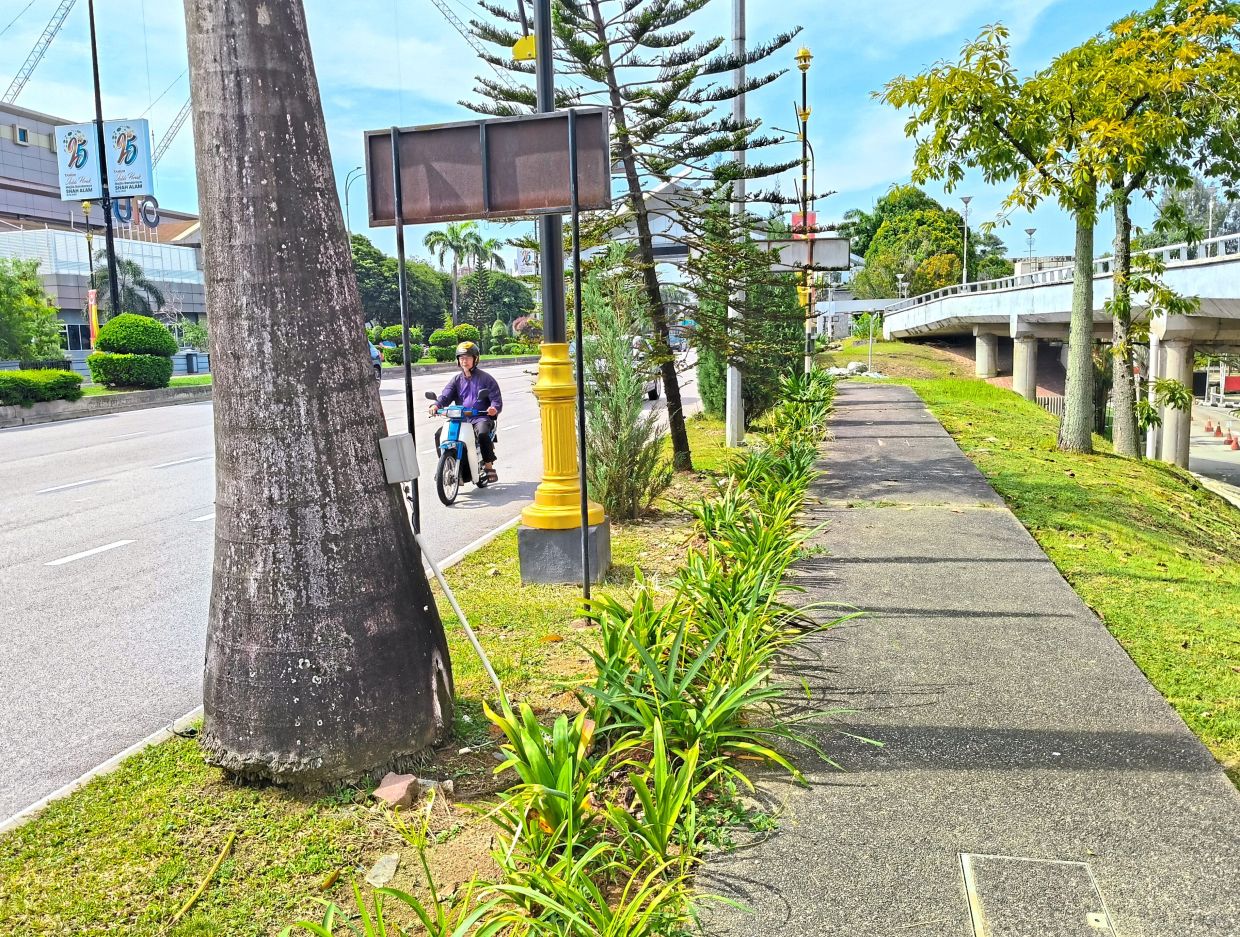
Ng said the covered micromobility lane along Persiaran Sultan in Shah Alam, which is currently under construction, would serve as an example for other places in Selangor in terms of safe, comfortable and well-connected walkways.
“The initial phase of the walkway, which is expected to be completed by the third quarter of this year, will connect Bangunan Sultan Salahuddin Abdul Aziz Shah to Shah Alam city centre, covering places such as the Shah Alam state mosque and the Aneka Walk.
“In the subsequent phase, the walkway will be extended to the Dato Menteri LRT station, which is part of the LRT3 Shah Alam line,” he said.
With the LRT3 slated for a June launch, Ng said seamless connectivity – via upgraded walkways and feeder buses – was vital to the line’s success.
“LRT3 cuts across three localities, namely Petaling Jaya, Shah Alam and Klang. We have already held several rounds of meetings with Prasarana and the local authorities to discuss the line’s connectivity.
“Rapid KL has also planned to roll out the Rapid On-Demand service in 10 zones, connecting 10 of the stations, after LRT3 is officially launched,” he added.
Master plan
Moving forward, Ng said the state government was also drafting the Selangor Mobility Master Plan to act as a master mobility guideline for all local authorities and public transport operators in Selangor.
“Public transport needs to operate as a whole. We cannot separate different cities and areas with different sets of rules and regulations.
“The master plan will connect all the local authorities together. All of them can refer to it when considering new developments in their areas.
“It is expected to be completed by the end of this year and launched early next year,” he said.
He added that the state was also seeking feedback from the public, especially those living in urban areas, on the missing links in the current mobility framework in Selangor.
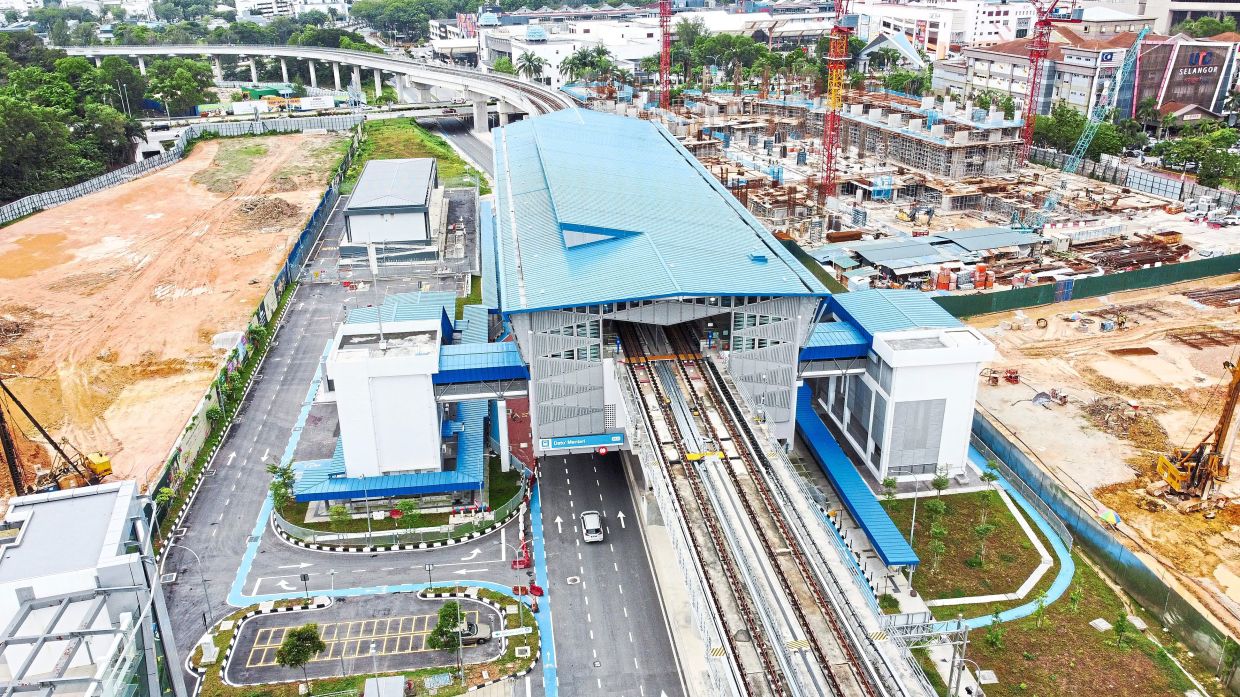
A view of the Dato’ Menteri LRT station. Rapid KL plans to launch its DRT service across 10 zones once the LRT3 line begins operations.
An overview of Persiaran Sultan, Shah Alam, where a new covered micromobility lane will link the state administrative centre to the city. The project will set a state-wide standard for safe, well-connected walkways.
A passenger waits next to an electric Smart Selangor bus at a bus stop in Shah Alam.
Ahead of the LRT3’s June debut, Ng emphasises the need for enhanced walkways and feeder buses to ensure seamless station connectivity.
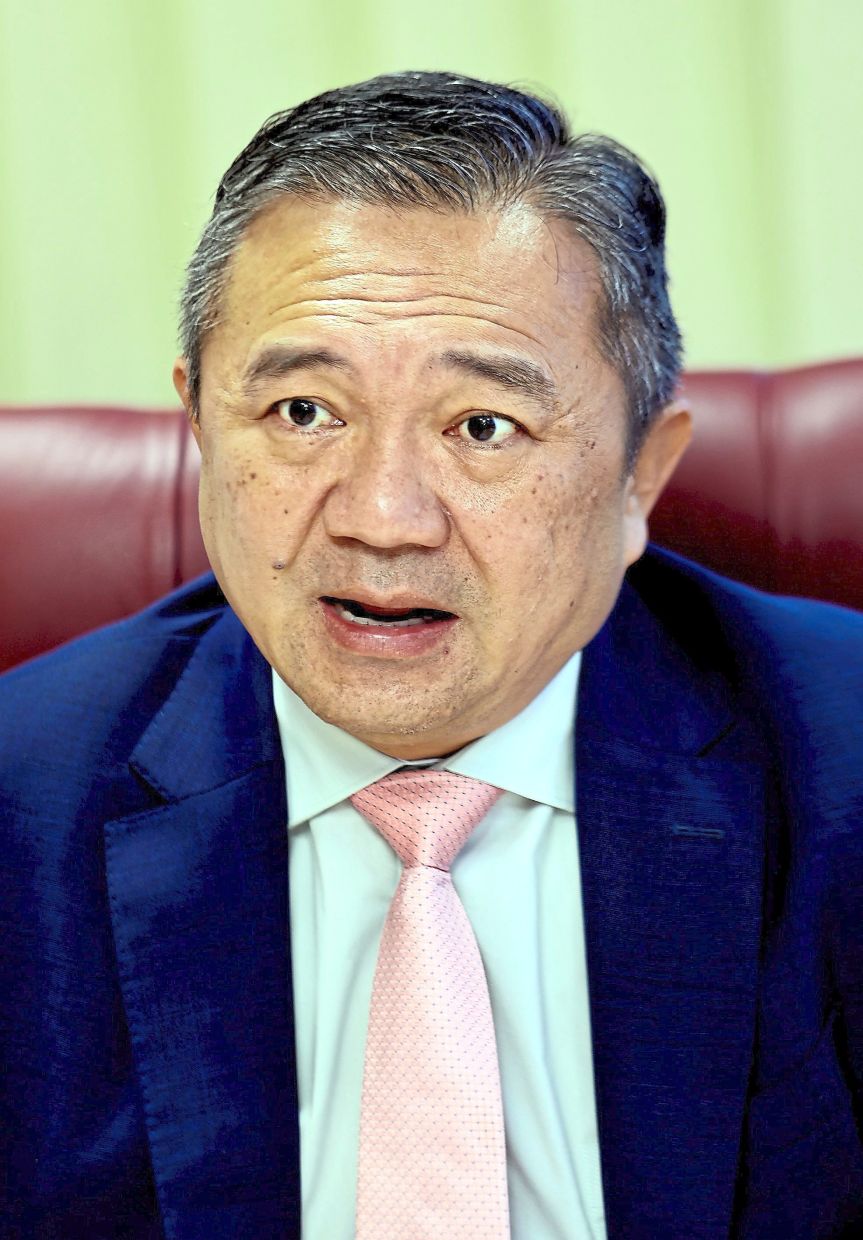
Ng says Selangor is seeking public feedback to identify and bridge missing links within Selangor’s current mobility framework.