
Generation Z (Gen Z) are often perceived as entitled and demanding at the workplace.
However, many entering the job market are responding to such labels with quiet determination to disprove them.
According to britannica.com, Gen Z refers to those born in the late 1990s and early 2000s.
Some studies define the cohort more narrowly as people born between 1997 and 2012.

Gen Z succeeds Gen Y (the millenial generation) which in turn comes after Gen X.
Based on studies, Gen Z currently makes up between 25% and 30% of the Malaysian workforce.
The most common monikers for Gen Z are Zoomers, Digital Natives, iGeneration and Centennials.
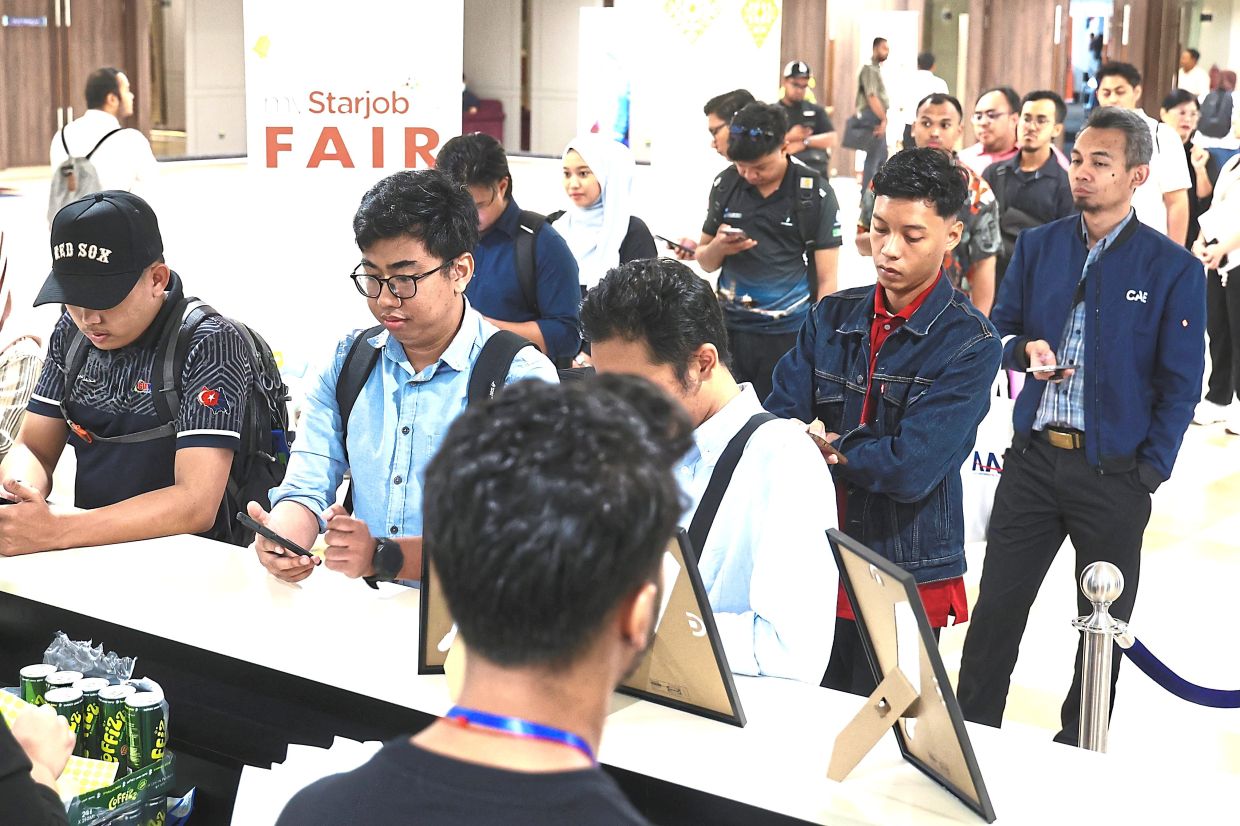
In conjunction with Labour Day, StarMetro engages with Digital Natives on how financial pressures and mental health concerns are reshaping their workplace expectations.
Communication clash
For some, the first hurdle is not technical competence but communication across generations.
Muhammad Irfan Musa, 25, a technician, said misunderstandings with older colleagues were common but rarely intentional.
“We simply have varied ways of expressing our thoughts, which sometimes may be perceived differently by the older generation.
“Different generations communicate distinctively and that gap can lead to misunderstandings at the workplace,” he said.

Muhammad Irfan graduated from Politeknik Sultan Mizan Zainal Abidin in Dungun, Terengganu, in 2023 with a Diploma in Electrics and Electronics.
He is working for a company in Shah Alam, Selangor.
Muhammad Irfan said his generation were facing a more difficult economic landscape than expected.
He said rising living costs and stagnant entry-level wages were taking a heavy toll on many young people.
“Degree holders expect at least RM2,500 a month for a starting salary, with diploma holders slightly below that,” he said.
“However, many employers are offering diploma holders the same pay as SPM leavers, which is around RM1,700.
“This is disheartening for diploma holders, who feel their qualifications are undervalued.”
The RM1,700 figure corresponds to Malaysia’s minimum wage policy (excluding domestic workers) introduced last Feb 1.
On the trending topic of working from home, Muhammad Irfan said hybrid work should be expanded to non-technical roles.
“Requiring employees to be in the office and tracking attendance hour by hour is outdated.
“Productivity should be measured by output, not time spent at work,” he said.
Freelance path
While some Gen Z workers are finding their footing in traditional roles, others are choosing alternative paths altogether.
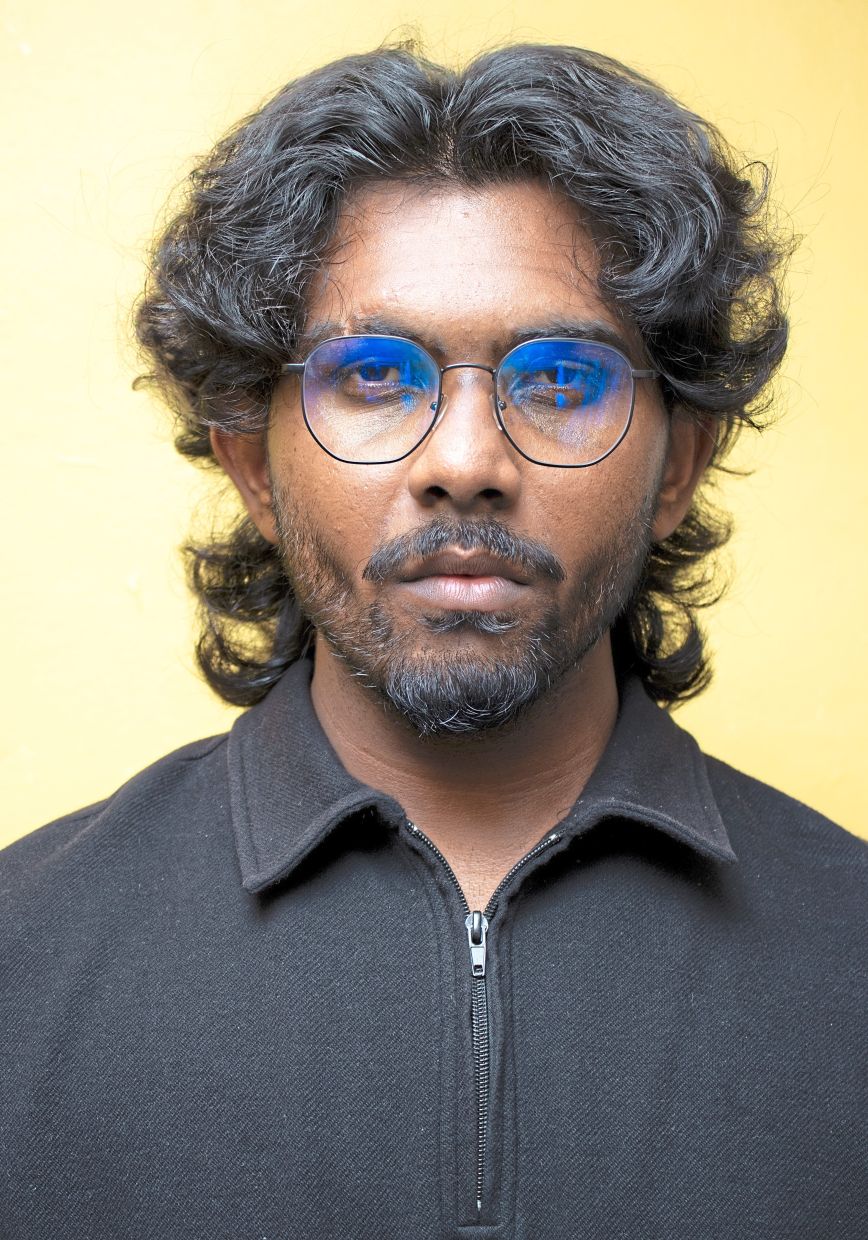
William Gary Dominic, 23, turned to freelance photography after completing his Diploma in Photography Technology at Universiti Selangor – a move that has proven more demanding than expected.
“I thought getting customers would be easy, but the reality was far more brutal,” he said.
“Three months in, I realised how much work is involved.
“Besides setting up a website to promote my services, I also had to build my reputation from scratch.
“I placed advertisements on social media, but they were not as effective as I had hoped.”
He has since enrolled in a Creative Videography and Photography degree programme, and is funding part of it himself.
“My parents cover half the cost while I foot the rest, as I do not want to burden them,” he added.
Balancing his studies with freelance work has not dampened William’s ambition.
“I am young and energetic. I am willing to work hard now as I may not be this fit later in life,” he said.
Like many of his Gen Z peers, he rejects the idea that his generation is disengaged.
“We are often unfairly labelled as lacking commitment or focus, lazy and unwilling to step out of our comfort zones,” he said.
“That may be true for some, but not all of us.
“I know many people younger than me who are working just as hard to earn an income,” he said.
William is also sceptical of the traditional 9am to 5pm work structure, particularly for those in creative fields.
“It is outdated, especially in the creative industry, where we need time and space to reflect, think and produce.
“A rigid 9-to-5 schedule disrupts that creative process and reduces work to something that simply needs to be done.
“Eventually, it wears you down and the passion fades,” he said.
Financial freedom
For some Gen Z workers, the shift into working life begins long before university.
Hailey Jayne Koh, 20, started working part-time at a dessert place in Bukit Jalil, Kuala Lumpur, just months after completing SPM.
She is still working there while pursuing a diploma in Mass Communications at a private college.
Her motivation, she said, was financial independence.
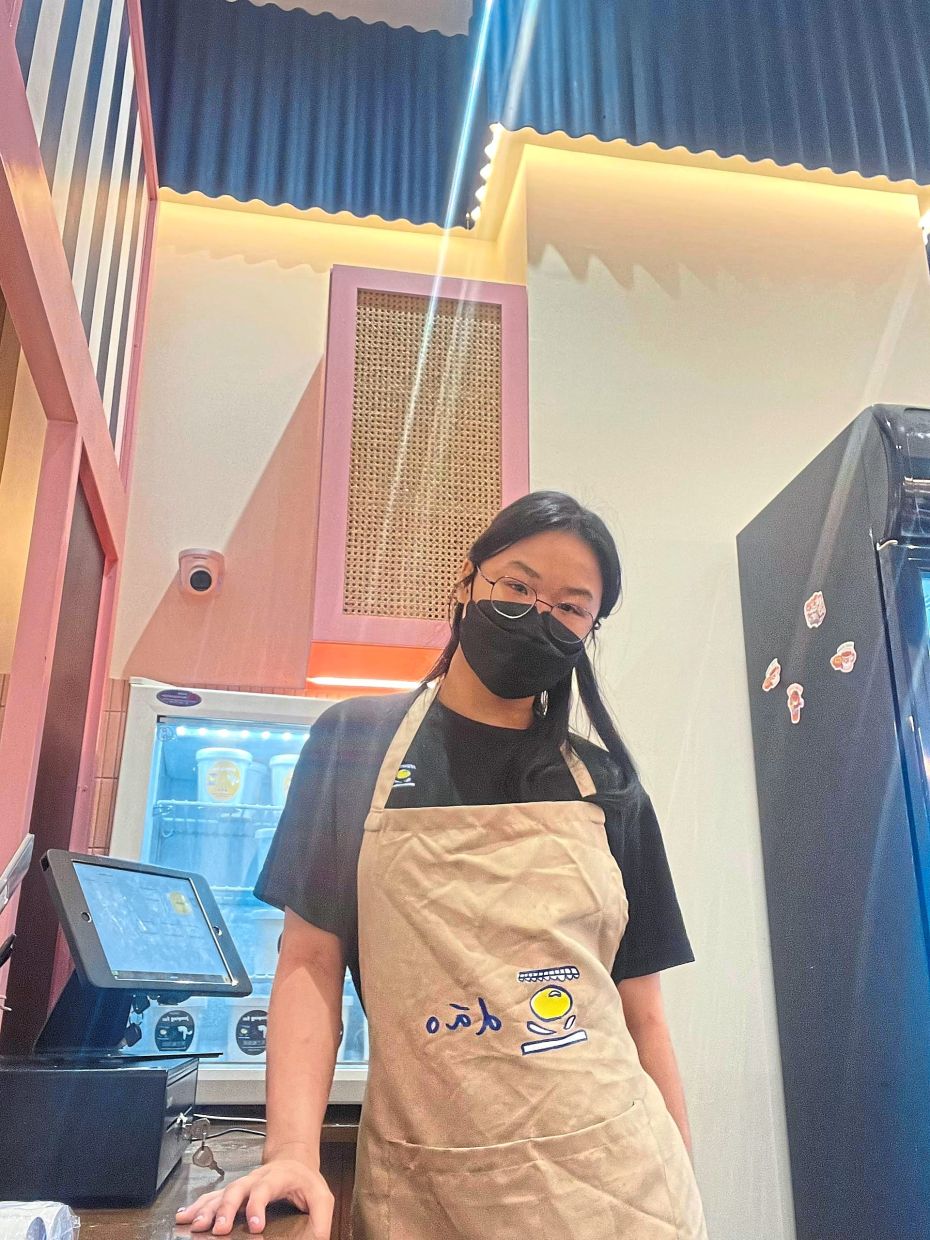
“I do not like asking my parents for money for food and transport,” Koh said.
“I prefer paying for my own expenses, like going to a concert for example.”
Balancing work and study, however, is demanding.
Koh, from Seputeh in Kuala Lumpur, works two to three shifts a week, each lasting seven hours.
“My parents know I work part-time.
“They are supportive, but they remind me to manage my time properly,” said the younger of two siblings.
At work, Koh said younger employees were often judged too quickly, not only by older colleagues but also customers.
“People need to understand that we are still new and doing our best to catch up.
“We need understanding and guidance, not judgement or criticism,” she said.
She also questioned conventional productivity norms.
Koh argued that long hours do not guarantee better outcomes, echoing growing calls by younger workers for more flexible work arrangements.
She advised young job-seekers to research and start early when applying for jobs.
“Before applying, do some research about the company and look at reviews posted by former employees.
“That will help you decide if the employer is a good fit.
“Starting your job search early helps as it may take time for applications to be reviewed.”
Mental health focus
Some Gen Z workers are turning to independent work for greater flexibility.
Raudhatul Husna Rifaaida, 25, left an administrative role to become a private English tutor.
The eldest of four siblings from Kuala Lipis, Pahang, graduated with a degree in English for Professional Communication from Universiti Teknologi Mara (UiTM) Lendu, Melaka in 2022.
“I found regular employment was not for me,” she said.
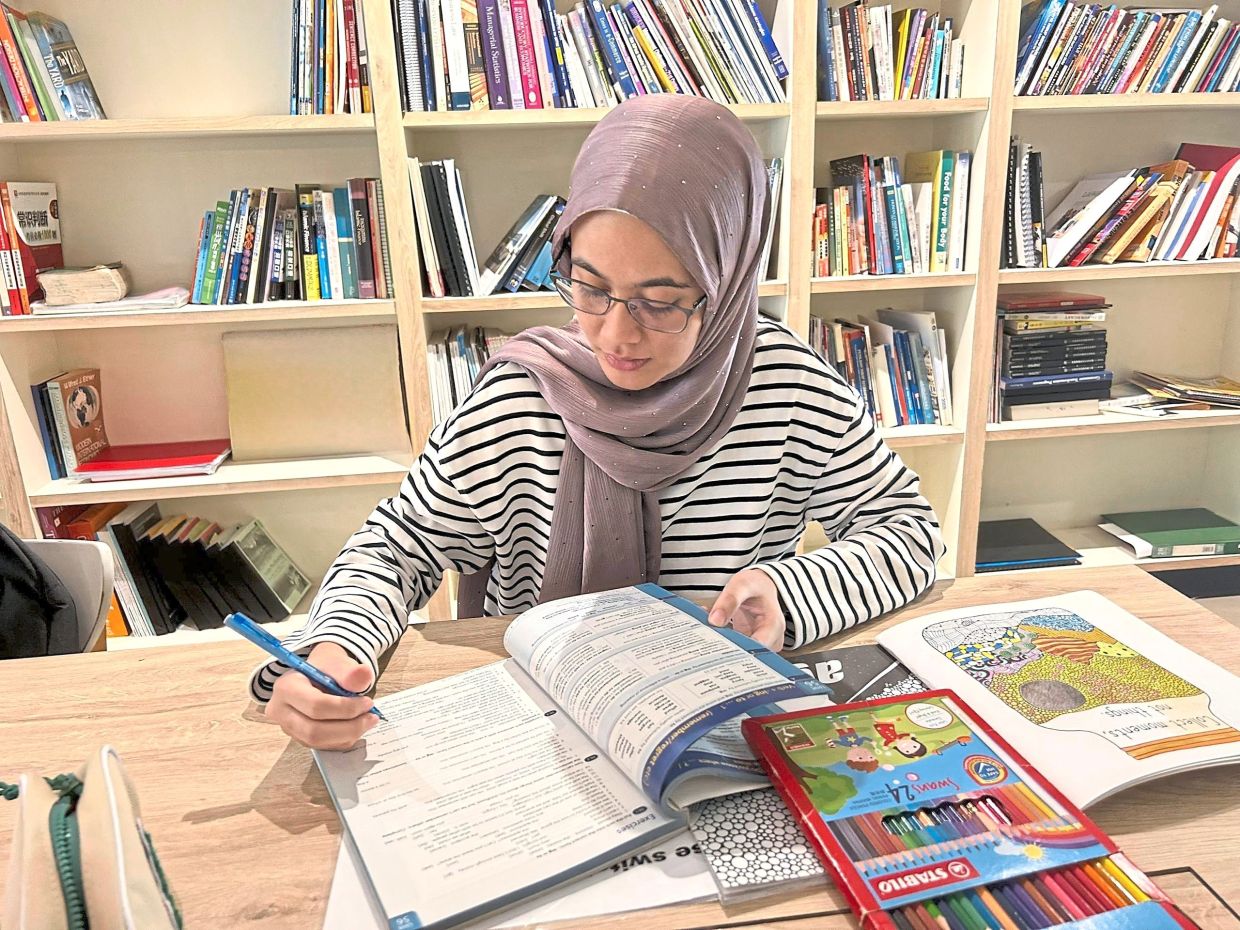
“Having to clock in and out every day felt restrictive. After more than two years, I quit.”
Now based in Cyberjaya, Selangor, Raudhatul Husna structures her work day on her own terms.
“I usually work between 10am and 3pm on weekdays. I enjoy the freedom of setting up my own schedule,” she said.
That shift, however, comes with its own demands.
Working independently demanded consistency and self-discipline, she said.
“It is alright to make mistakes but you need to learn and not repeat them.”
Raudhatul Husna also disputed the idea that Gen Z workers were overly demanding, citing greater focus on emotional well-being.
“I have seen people online accuse Gen Z of being weak-willed and quick to quit when things get hard,” she said.
“We are simply more aware about mental health and less willing to tolerate bad practices.
“Gen Z people are not lazy or demanding; we just want better treatment and improved welfare for workers,” she added.