
BEYOND the bustling island life and world-famous heritage streets, there is a greener side of Penang that remains largely undiscovered.
Across the channel, Seberang Perai unfolds at a different pace – with laid-back charm in place of urban buzz and authentic experiences rather than curated ones.
For travellers seeking adventure beyond well-trodden paths, the mainland has many hidden gems – from historic sites to natural wonders, rural attractions, and cultural enclaves.
They are quietly reshaping how visitors experience Penang.
It also broadens the state’s tourism narrative, which has long revolved around Penang island.
With many repeat visitors, particularly domestic ones, there is growing appetite for new experiences.
State official tourism bureau Penang Global Tourism (PGT) chief executive officer Ooi Chok Yan described the shifting interest as an opportunity to better balance visitor flows.
“While George Town remains the core of Penang’s tourism identity, Seberang Perai is positioned as a complementary destination that offers a different, more localised experience.
“Through initiatives like ‘The Opposite Side of the Island’, we are highlighting its strengths in food, nature, family-oriented attractions, and new developments,” he told StarMetro.
“This also encourages visitors to stay longer and explore Penang more meaningfully and comprehensively,” he said.
State tourism and creative economy committee chairman Wong Hon Wai echoed the sentiment, describing the mainland as key to a more diverse and balanced Penang experience.
He said targeted campaigns could reframe existing perceptions of Seberang Perai as merely the other side of the bridge.
“It brings Seberang Perai’s attractions to the fore, encouraging visitors to explore beyond
the familiar,” he said, adding that the mainland’s differentiators were more community-oriented and less commercially driven experiences.
“This creates an enticing duality. While the island thrives on density and dynamism, the mainland offers a sense of space both physical and experiential.
“Visitors can trade traffic for tranquillity and swap crowded city streets for natural surroundings that resonate on a different level,” said Wong.
He said Seberang Perai shone in eco, agro and community-based tourism, allowing visitors to engage more meaningfully with the local culture and natural environment.
These, he said, complemented key island attractions such as its colonial architecture, scenic beaches and diverse cuisine.
Ooi said niches such as prehistory, ecology, agriculture and traditional ways of life held strong potential as compelling tourism products.
“While the island’s heritage cityscape and street food tend to draw first-time visitors, PGT has found that the mainland’s nature-based and lifestyle attractions hold particular appeal for eco-tourists and repeat travellers, especially domestic ones entering Penang by road,” added Ooi.
One of the main challenges facing Seberang Perai’s tourism industry is accessibility, particularly the lack of direct public transport connections.
Unlike the island’s major hotspots well-linked by bus routes, many mainland attractions are spread across rural areas and require private vehicles or ride-hailing services to get to.
Some nature spots are also tucked away behind plantations or smaller local roads, making them difficult for first-time visitors to find or navigate.
To mitigate these factors, Ooi encouraged industry players to consider packaging such attractions into themed itineraries that include transportation and other logistical arrangements.
“This would make it more accessible and encourage visitors, especially those from other countries, to explore beyond George Town.
“We see strong potential for the mainland’s tourism sector.
“There are untapped opportunities and with continued development, better promotion and improved connectivity, the mainland can become an equally compelling part of the overall Penang experience,” he said.
This would bring economic opportunities to new areas, increase local spending, support small businesses, create jobs and encourage community-led tourism initiatives, he elaborated.
“Over time, it will drive infrastructure improvements and sustainable development, ensuring local communities directly benefit from tourism growth.”
Meanwhile, Wong believes recent and upcoming developments, such as the planned Penang Light Rail Transit Mutiara Line to Seberang Perai, and upgrade of the Butterworth KTM station, would significantly improve accessibility.
His office has also relocated signature events like Penang Bridge International Marathon to Batu Kawan, bringing crowds to the mainland and creating new opportunities for the hospitality and services industry.
“Seberang Perai is a strong complementary destination, with niche markets that are distinct from the island’s heritage-centric urban core,” Wong added.
Some of the mainland attractions are:
Guar Kepah historical site
Located north of Kepala Batas near the state’s border with Kedah, the Guar Kepah site was discovered in the 1840s and subsequently turned up Neolithic skeletons, stone tools, pottery and shell middens.
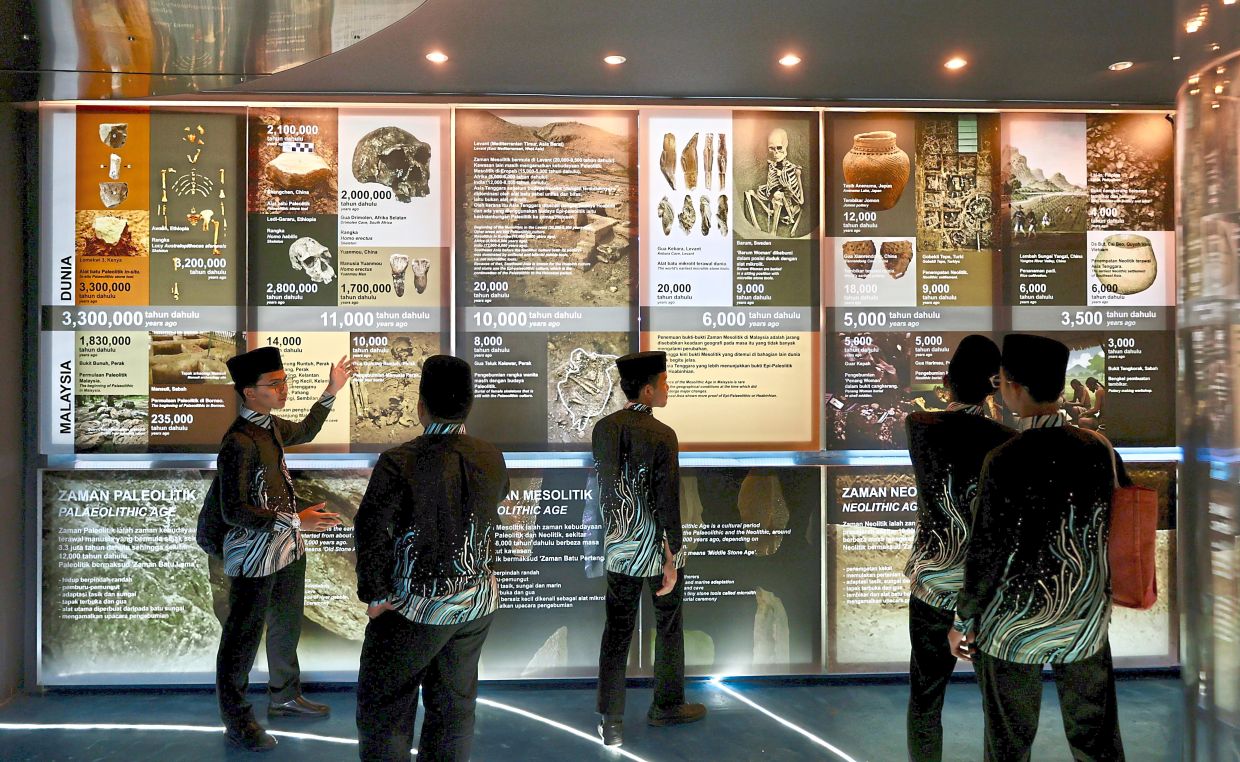
These are now conserved and displayed at the new Guar Kepah Archaeological Gallery.
Its centrepiece is the Penang Woman – the first complete Neolithic human skeleton ever discovered in Malaysia, dating over 5,700 years old.
Emphasising its significance, Ooi said, “The archaeological gallery provides a deeper, research-based narrative on early coastal human settlements in the region, making it especially useful for students and researchers.
“It allows visitors to connect with a lesser-known chapter of Penang’s history, enriching the overall heritage experience.”
The gallery’s interactive and easy-to-understand exhibits and storytelling ensure it is accessible and engaging to all.
Cherok To’kun Forest Reserve
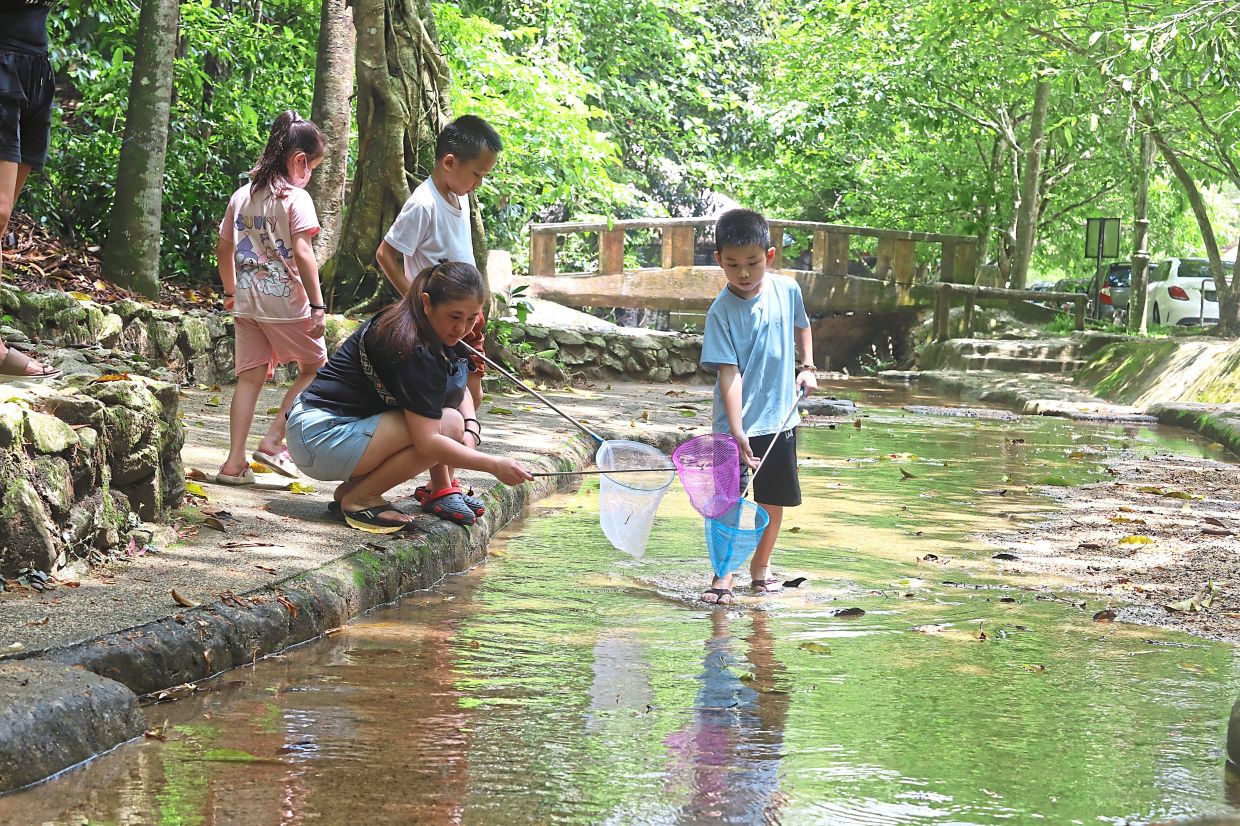
Also called Bukit Mertajam Recreational Forest, it envelopes the area around To’kun Hill and is a popular escape among nature lovers and hikers alike.
The forest reserve has well-marked trails enveloped in greenery, where families can enjoy picnics or shaded walks.
Fitter ones can try challenging uphill hikes that lead to scenic viewpoints at the peak – the mainland’s tallest point at 545m above sea level.
A giant mengkundur tree – estimated to be over a century old with trunk buttresses several times the height of a person – is a popular photo spot.
Wong said the forest could be easily accessed from nearby Bukit Mertajam town.
“The trails are suitable for beginner to intermediate-level hikers, and you are rewarded with great views of the surrounding plains,” he said.
Berapit Hill
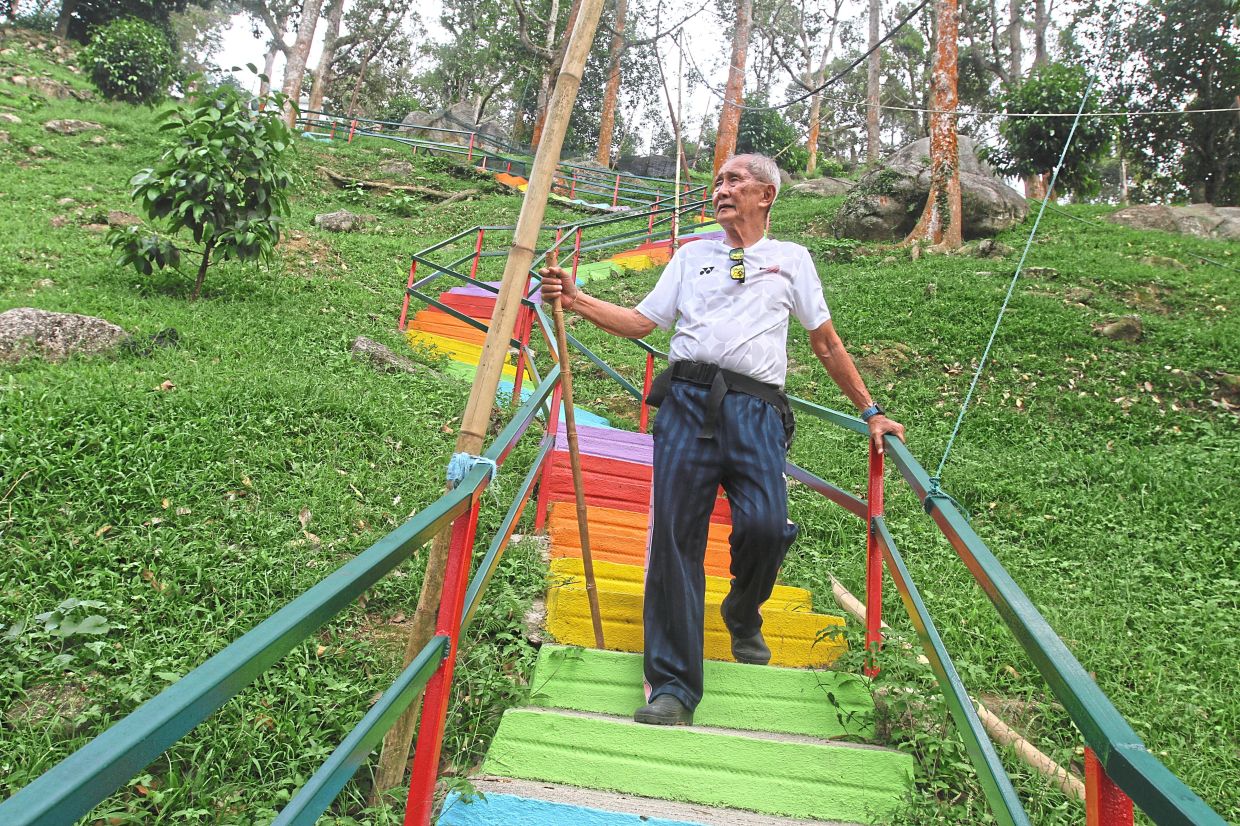
Located west of To’kun Hill, the hiking trails at Berapit Hill begin near residential areas and gradually wind upward through forested terrain.
It offers a moderately challenging hike, with occasional viewpoints overlooking townships and beyond.
The hill is especially popular during morning and evening hours, when cooler temperatures afford a more comfortable climb.
“While the island’s Penang Hill Biosphere Reserve anchors ecotourism, mainland sites like these offer strong complementary alternatives for outdoor exploration.
“Continuous conservation efforts, community involvement and eco-education are vital to ensure these natural spaces are protected and their charm is preserved in the long term,” said Ooi.
Bukit Katak
This abandoned quarry near Kampung Guar Petai, Tasek Gelugor, is a viral tourism hotspot thanks to its surreal, blue-coloured ponds framed by striking reddish cliffs.
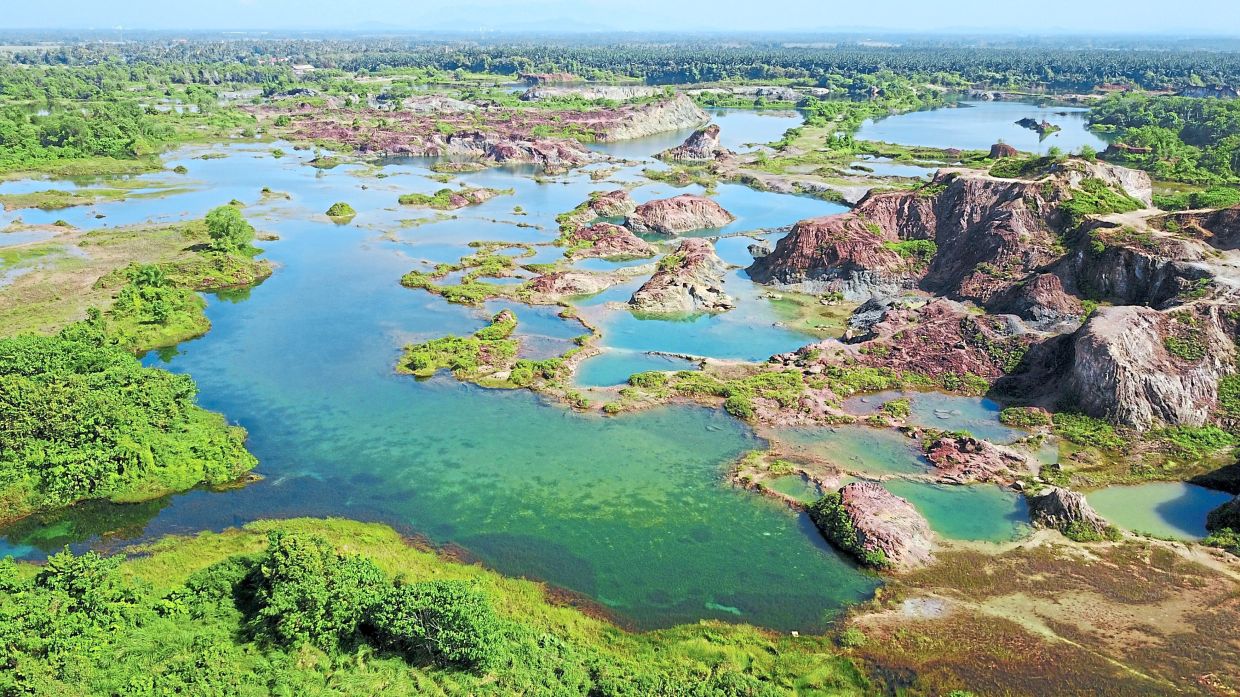
It is 15km from Butterworth town and accessible via an exit from Jalan Arumugam Pillai in Bukit Mertajam.
A short drive on dirt roads leads to a 15-minute hike to the 50m high ridge where panoramic views of the ponds come into view.
With changing light and passing clouds, the water’s hues transform continuously, offering a constantly evolving view.
It has been likened to the “Jiuzhaigou of Penang”, drawing many photographers and social media content makers.
Pek Kong Cheng
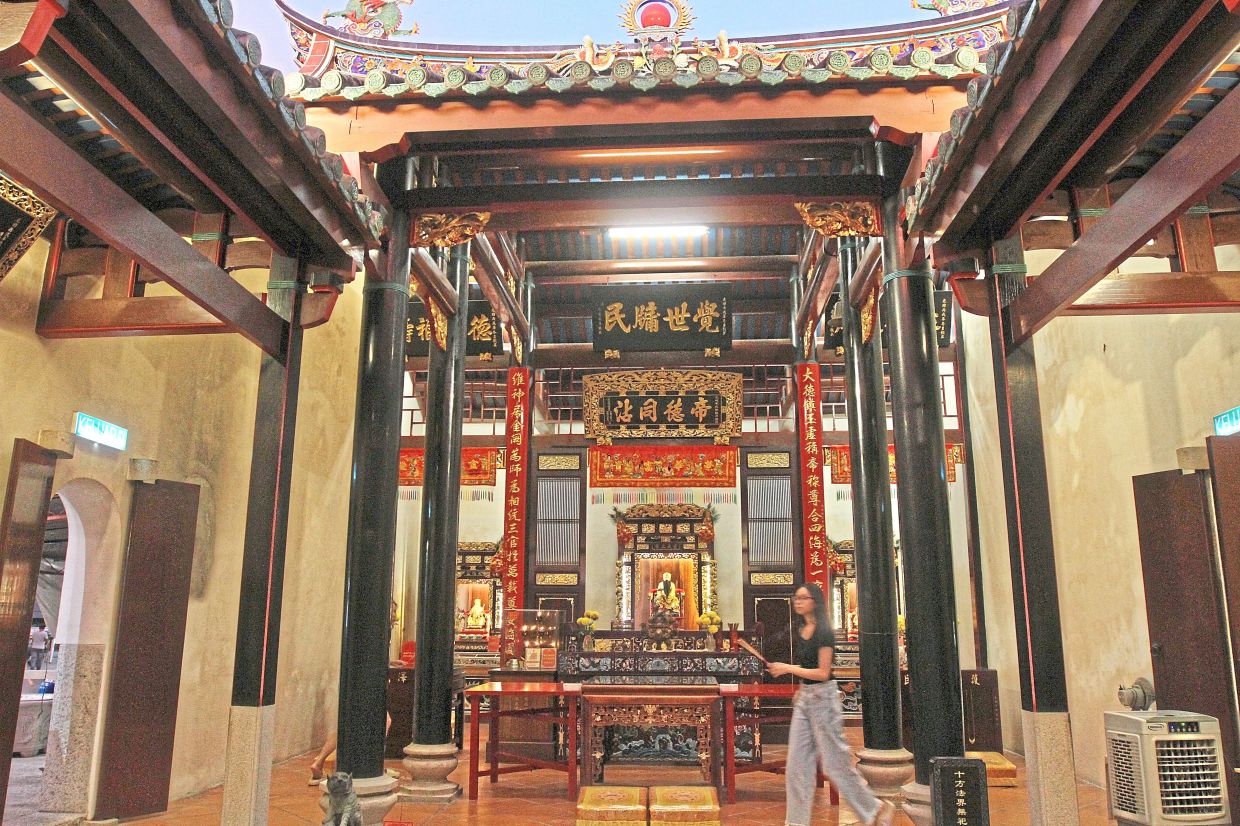
This well-known Chinese temple on Jalan Pasar in the heart of Bukit Mertajam is dedicated to the deity “Tua Pek Kong”.
Starting as a humble shrine built by early settlers around 1886, it gradually expanded over the decades until it was razed by a fire that started in an adjacent food court in 2019.
Artisans from China were brought in to help with the rebuild, recreating the ornate architecture, intricate carvings and traditional aesthetic.
It reopened in 2022. Ooi said the temple’s annual Hungry Ghost Festival ritual, where the country’s tallest “Tai Shu Yeh” effigy is burned, is a striking spectacle.
“This makes it both a cultural and living heritage site and not just a place of worship.”
Remember to stop by the food court next door for hawker specialities from noodles to snacks.
Minor Basilica of St Anne
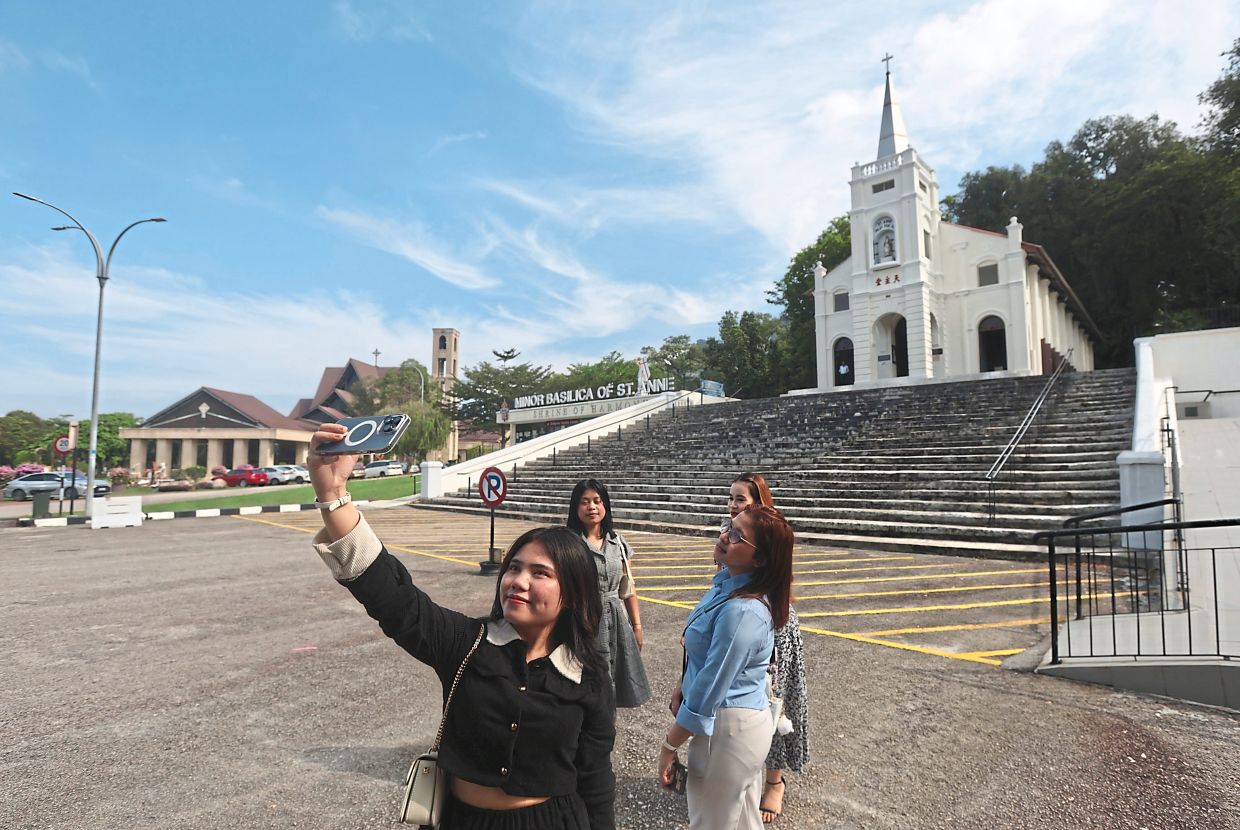
This important Catholic pilgrimage site in Malaysia attracts hundreds of thousands of devotees each year, especially during the annual St Anne’s Feast Day.
The 8.1ha complex includes the old premises built in 1888, now known as the Shrine of Harmony, and the new church with Minangkabau roof features dedicated in 2002.
There are also the Stations of the Cross, St Anne’s Grotto and St Anne’s Square.
Meanwhile, a hilly area in the rear still bears the foundations of the original chapel from 1846.
Ooi said these houses of worship could be positioned within regional and religious tourism circuits alongside other key Catholic sites across Malaysia or South-East Asia.
“It can be part of a multi-destination pilgrimage route.
“Outside of major celebrations, St Anne’s could also be a place for quiet reflection and appreciation of heritage and architecture.
“This can be done through guided tours, historical storytelling, and community-led activities and events,” he added.
Pulau Aman
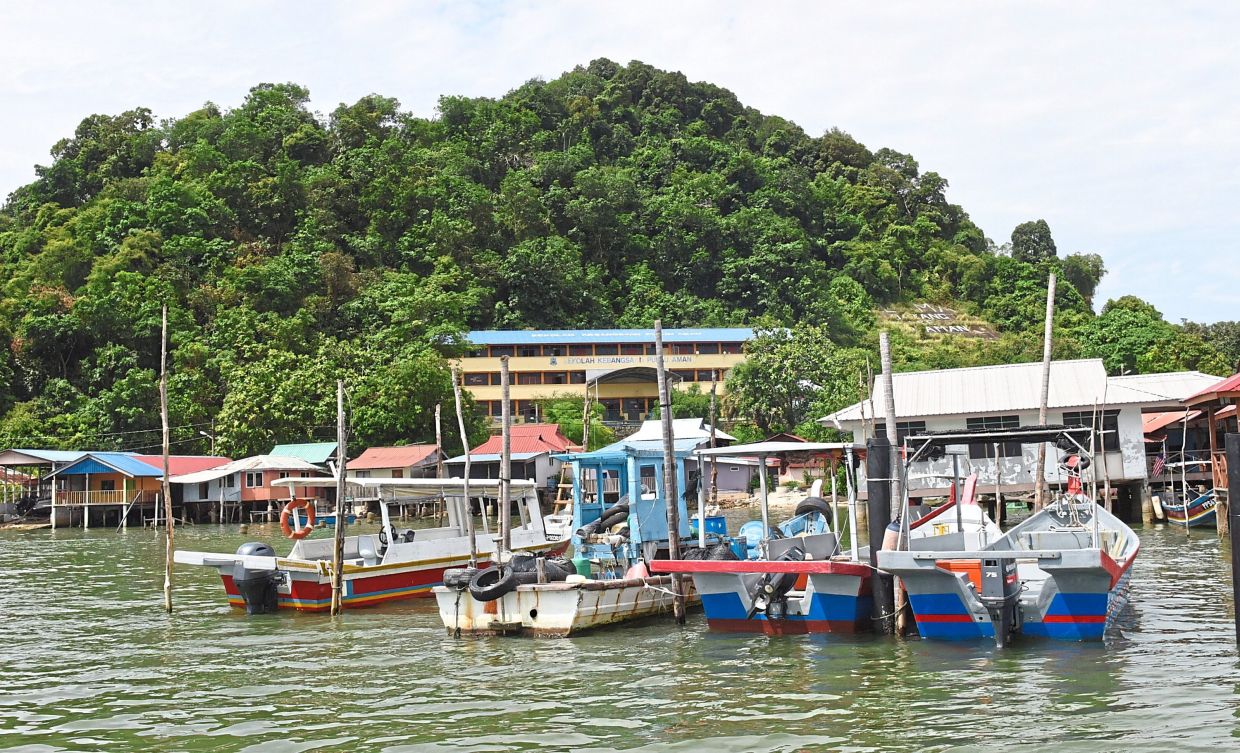
This small island off Seberang Perai offers an off-the-beaten-path escape steeped in rustic charm and maritime heritage.
Accessible via a short boat ride from Batu Musang Jetty, the island is known for its fishing village, scenic coastal paths and laid-back atmosphere with minimal development.
“Also famous is its fresh seafood.
“This brings a farm-to-table, origin-driven dimension to Penang’s vibrant food scene.
“There are also homestays, village walks and fishing activities highlighting the traditional way of life,” Ooi said.
Kampung Agong
This popular agrotourism-themed park showcases traditional Malay kampung life set against expansive padi fields.
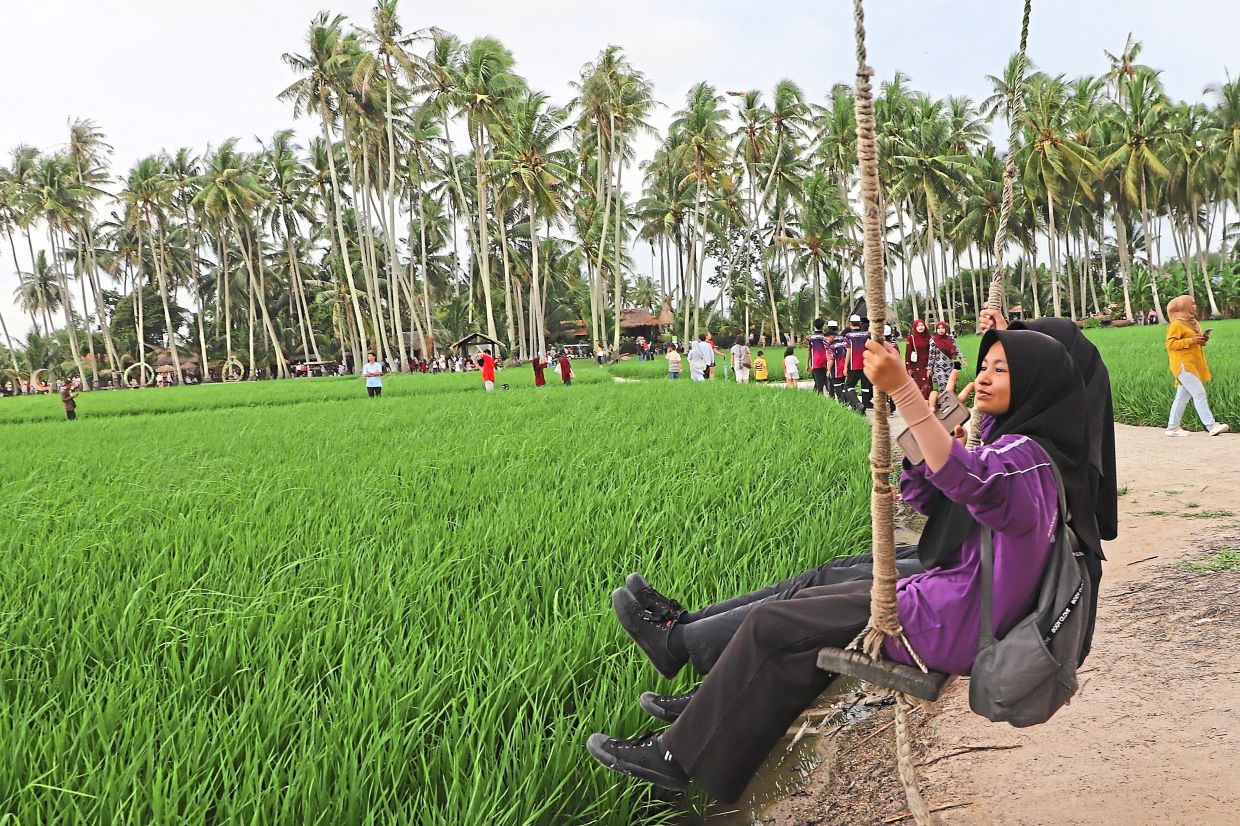
The site has stilted wooden houses, bamboo structures, coconut groves, lily ponds and thoughtfully designed photo spots such as padi field swings.
Visitors can experience homestays, try padi harvesting, kite flying and classic games, visit the mini animal farm or take a tropical fruit farm tour.
Pantai Bersih
Coastal areas like this grassy beach at Bagan Ajam offer amazing views across the channel toward Penang island and its ever-changing skyline.
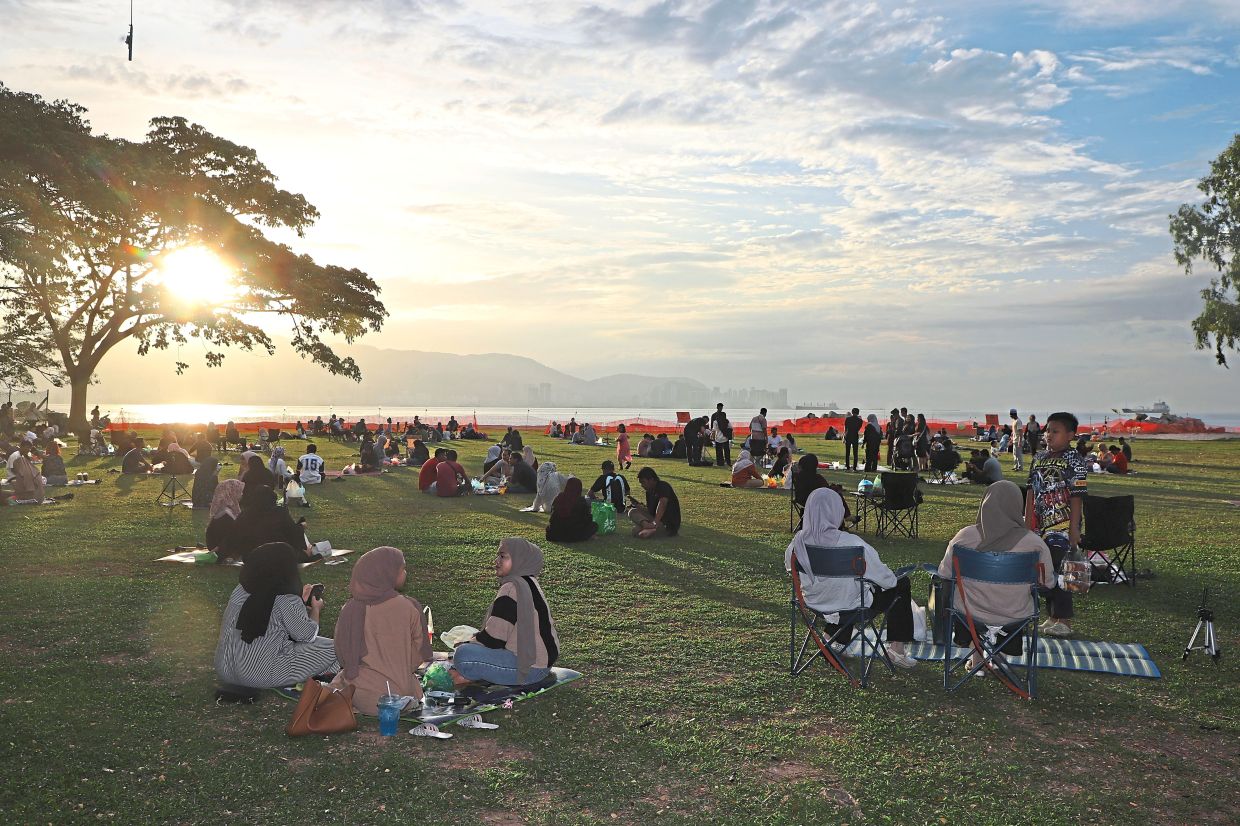
Visitors will be able to spot the iconic Komtar Tower juxtaposed against a hilly hinterland.
As it faces west, there can also be majestic sunsets on clear days.
The giant gantry cranes of nearby North Butterworth Container Terminal add visual interest.