
Dog complaints to city council reduced by almost half in five years
THE number of complaints to Petaling Jaya City Council (MBPJ) over stray dogs has dropped by almost half over the past five years.
This reduction can be attributed to the close collaboration between MBPJ, dog feeders and animal-related non-governmental organisations.
In 2020, the city council received about 900 complaints from the public related to stray dogs.
In 2024, this figure dropped to 702 and last year, it decreased to 472.
ALSO READ: Subsidised programme neuters 160 cats, dogs in Shah Alam
“When we embark on collaborative efforts, we see positive results,” MBPJ councillor Nalina Nair said at a recent full board meeting.
She said that some of the complaints received were related to inappropriate dog-feeding activities.
“Some animal lovers who sympathise with strays will feed them regularly.
“However, feeding should not take place at sensitive locations such as near schools, highly populated residential areas and other crowded places.
“The strays could pose safety and hygiene concerns.
“While the intention of feeding is noble, it has to be done in the right manner,” Nalina reminded.
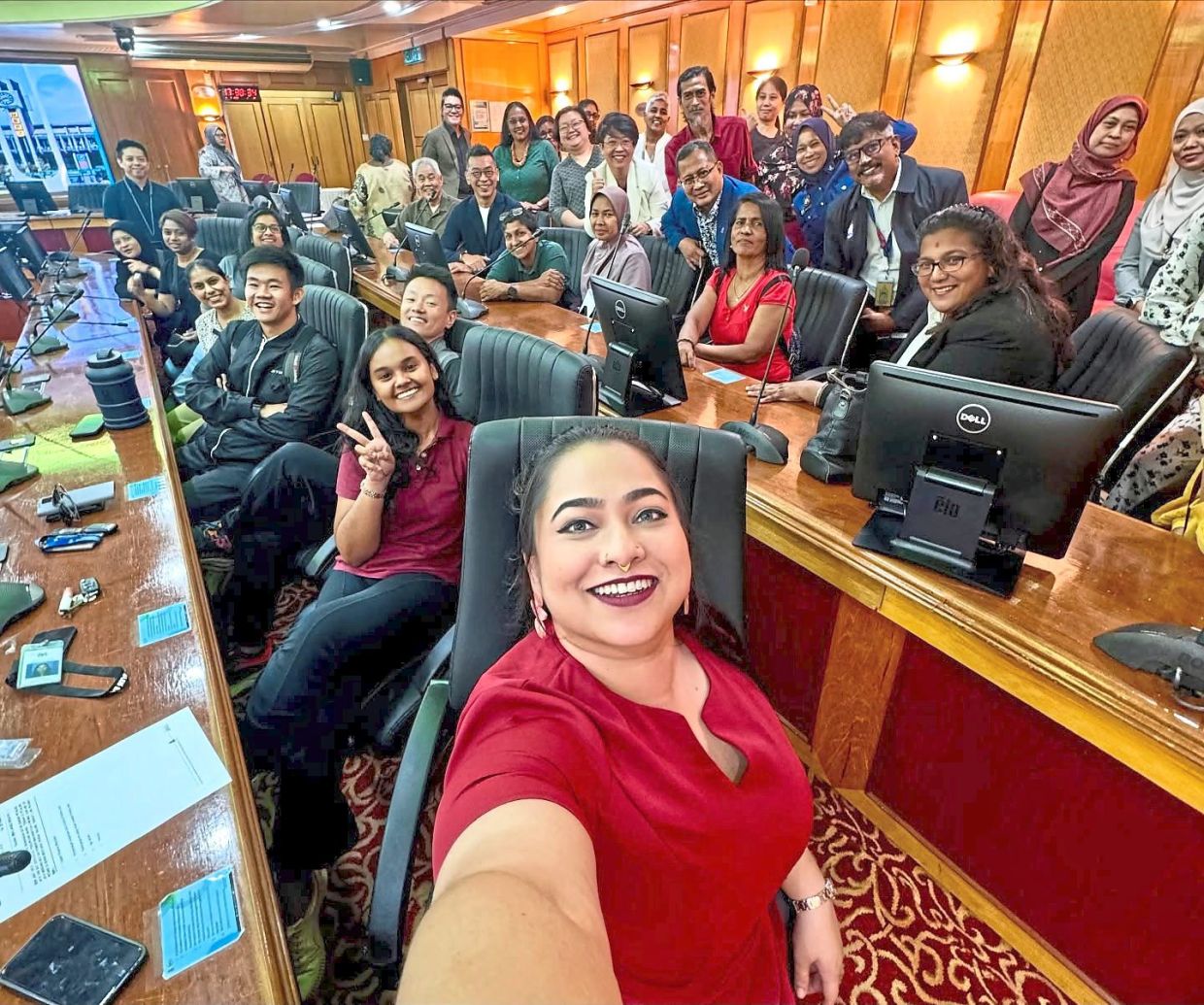
She said MBPJ hosted a discussion last month that was attended by feeders and animal rights groups to streamline the feeding process.
“The three-hour discussion looked into matters such as animal feeding and the need to take care of the overall well-being of strays without jeopardising human safety,” said Nalina, who has been MBPJ’s cleanliness and public safety committee chairman since 2023.
Among the issues raised at the meeting was the need to increase public awareness and education on animal feeding.
“There were suggestions to place infographic posters at bus-stops in the city.
“I hope the mayor will support this idea,” she said.
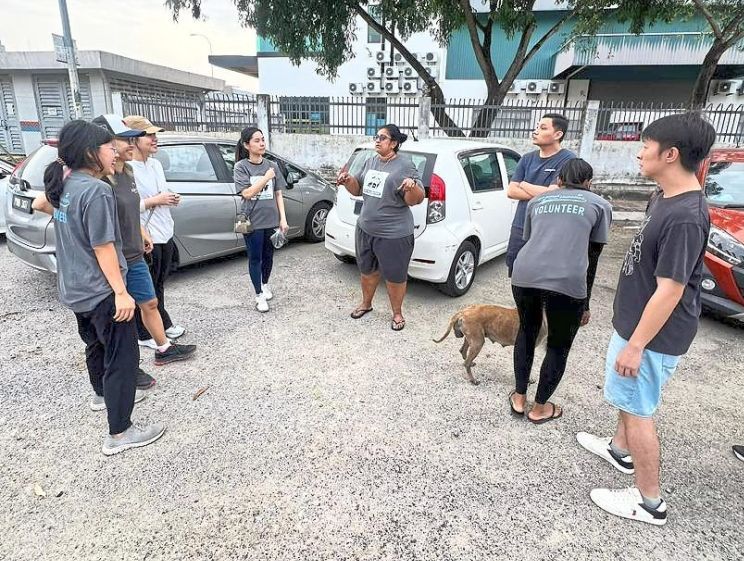
Nalina said attendees also highlighted the need to address the issue of dogs at construction sites, raising safety concerns for both humans and animals.
“When there is no system in place, all parties face risks.
“At the moment, only pet owners at landed properties can apply for dog licences.
“However, stray dogs in open spaces, construction sites and industrial areas remain unlicensed.
“These dogs are cared for by workers or individuals from the community.
“There are risks to the public if these dogs are unvaccinated.”
During the discussion, MBPJ agreed to review ways to expand dog licensing to areas such as construction sites, she said.
“We need a clear plan instead of an ad hoc approach.
“To ensure the plans are impactful, I have suggested that MBPJ develop a timeline, implementation mechanism as well as enforcement and surveillance at locations with strays,” she added.
Nalina said the discussion was a step in the right direction.
“It opened a dialogue between the feeding community and MBPJ, strengthening understanding and trust to ensure that each policy created is inclusive and practical.”

She urged feeders to practise responsible feeding and choose appropriate locations.
“Please stay away from areas such as schools and housing areas.
“Have a consistent feeding schedule and clean up the area after feeding.
“With more discipline, animal welfare can be protected while ensuring harmonious living for the public.”
MBPJ councillor John Leong, who is also in the cleanliness and public safety committee, said the local council must first acknowledge dog feeders in order to develop a responsible practice.
“When the council recognises feeders, there will be proper dialogue and discussions to develop guidelines and a monitoring mechanism.
“Then we can further improve stray management in a more
collaborative manner with the community,” said Leong.
Petaling Jaya mayor Datuk Mohamad Zahri Samingon, who chaired the meeting, told StarMetro: “We will work together on what was brought up at the meeting and will continue to engage with NGOs and feeders.”
NGOs give feedback
Animal Kindness Coalition (AKC) president Asther Lau said more venues, such as farms, shoplots and construction sites, should be recognised for dog licence applications.
“This will enable more people to take responsibility for the dogs they care for.
“We had a case of a man in Petaling Jaya who cared for stray animals while operating a workshop from a shoplot.
“He grew fond of the animals and fed them. However, there was a public complaint.
“Although he was willing to have the dogs vaccinated, spayed and to continue caring for them, the system does not recognise shoplots for licence applications.”
Lau said the man was given a summons for feeding the dogs in a commercial area and he was unable to apply for dog licences due to the location.
She said it was also time for construction site operators to take responsibility for the welfare of the dogs there.
“These dogs are kept by the workers to protect the vehicles, machinery and equipment on site.
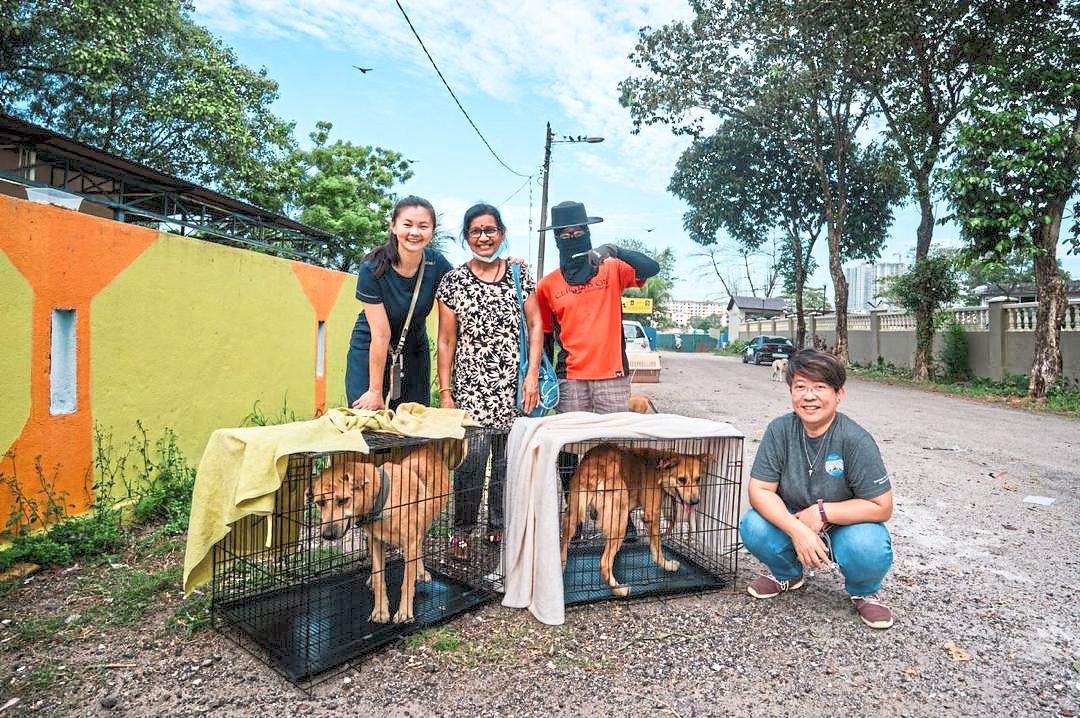
“These dogs should be licensed and local councils can impose regulations such as making it compulsory for the animals to be vaccinated, spayed and properly cared for even after a construction job is completed.
“MBPJ can make neutering compulsory as part of the licensing requirement, which will help control the stray dog population,” she pointed out.
Lau noted that people often became attached to the strays they fed.
Her organisation champions what she terms as a humane, effective and scientifically proven approach: trap-neuter-vaccinate-return-manage (TNVRM).
“In 2025, we spent RM120,000 on trap-and-neuter programmes.
“Over the past two years, we have helped neuter about 280 dogs and cats.
“The money is raised through various fundraising activities,” she added.
Housewife Visalatce Ramachandran, who assists NGOs as a feeder, also attended the meeting and was pleased that MBPJ listened attentively to their suggestions.
“Stray animals should be located in designated areas, which would make feeding easier.
“Small sheltered spaces can be created for them to rest, away from busy public areas.
“This would reduce their movement from one location to another too,” she said.
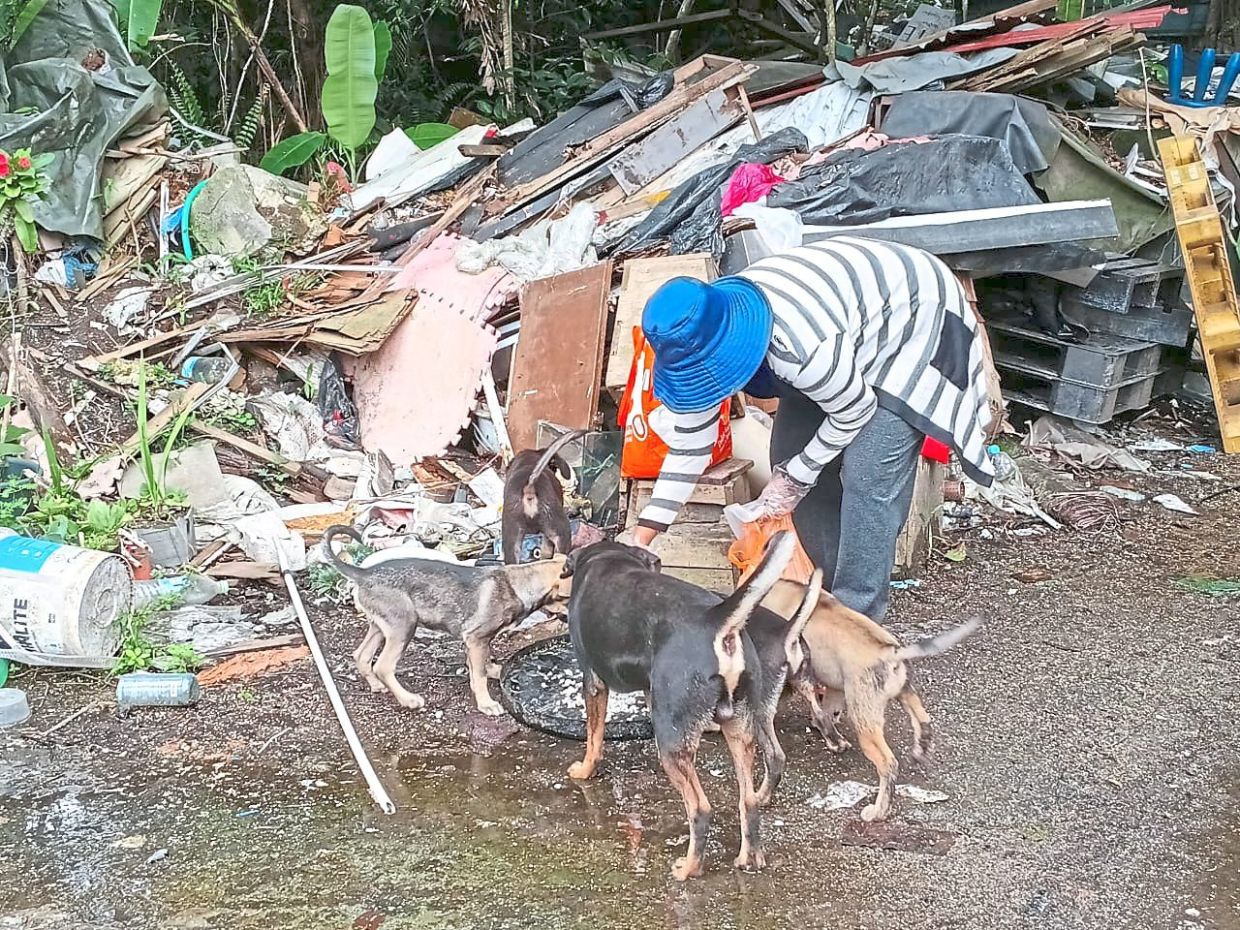
Visalatce has been feeding dogs at construction sites in Petaling Jaya for the past two years with support from NGOs.
“The NGOs provide canned food, and I also buy chicken heads and rice to feed the dogs.
“I love dogs because they are loyal and affectionate,” she said.
PAWS Animal Welfare Society public relations officer Jonathan Yeoh agrees that issuing licences for dogs at construction sites is important.
“With proper licensing, the local council can monitor the status of these dogs and exercise its authority more effectively.
“Common complaints from the public include rubbish left behind after the strays are fed, as well as the abandonment of dogs once construction projects are completed,” he said.

Filbert’s Foundation For Furry Friends vice-president Helena Hema Ann, who also attended the discussion, said removing dogs from former construction sites was not a solution.
“New dogs will move in and the problem does not get resolved.
“Instead, there should be clear guidelines for construction companies.
“Dogs on-site should be neutered, vaccinated and properly managed,” Helena stressed.
“There must be responsibility and accountability, including basic licensing where necessary.
“Most importantly, when construction ends, these dogs should not be abandoned.
“There must be a plan to relocate or rehome them safely.”
She said involving residents in managing strays would be the most effective solution.
"There are successful such activities in neighbourhoods such as Section 22, 16, and 17 in Petaling Jaya," she added .