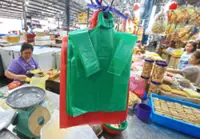
PETTY traders in Johor Baru are feeling the pinch from the plastic bag price hikes due to geopolitical tensions in the Middle East, which in turn caused petroleum prices to surge.
Naphtha, a petroleum-derived chemical, is used in the production of plastic and vinyl products, ranging from garbage bags to food packaging and polyethylene terephthalate (PET) bottles.
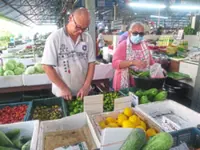
Vegetable seller Phua Ming Hui said that while there was no obvious shortage, the price increase was eating into his profits.
“Petty traders like us have no other option but to continue buying plastic bags,” he said when met at Perling market in Taman Perling.
Phua said the price of a 1kg plastic bag roll was RM9 in March, but the price had shot up to RM11.70 since April.
Meanwhile, smaller plastic bags were now RM4.20 per kg, up from RM3.80 previously, he said.
“We use 5kg of both types of plastic bags, on average,” the trader said, adding that prices were unlikely to come down even if oil prices eased.
Phua said he could not pass the costs onto consumers either, as vegetable prices in Johor Baru had been stable since the fasting month.
“Customers might have to bring their own bags or containers to buy greens if sellers start reducing their use of plastic bags,” he said.
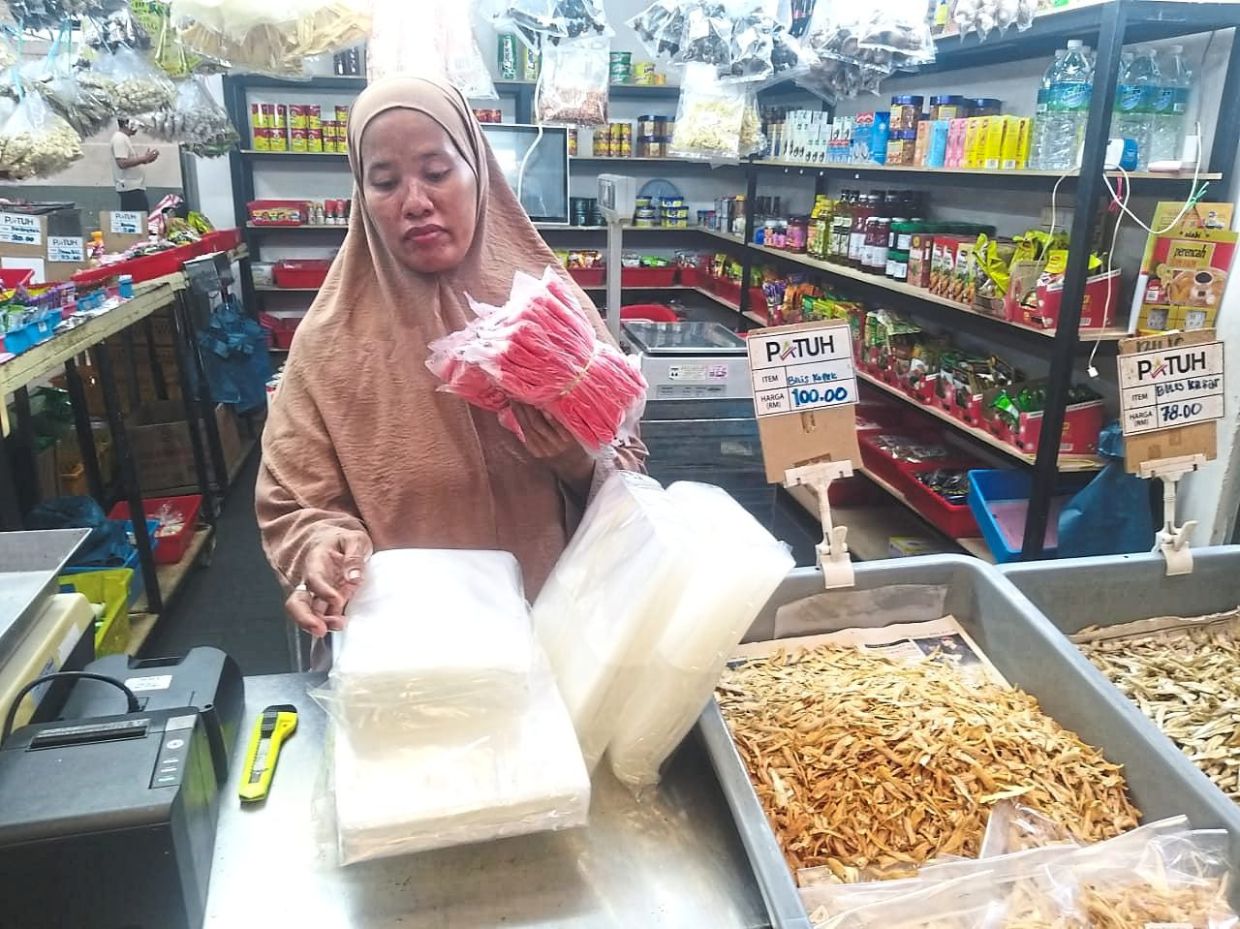
A sundry shop assistant, who wanted to be known only as Maria, said her employer had no choice but to fork out more money for plastic bags of different sizes, used in bagging items such as anchovies, salted fish, legumes and salted eggs for customers.
“It now costs RM160 for 20kg of plastic bags, compared to RM125 in March.”
She said small traders might soon have to emulate supermarkets and hypermarkets that were no longer giving out plastic bags.
Shoppers would then have to bring their own bags or pay a fee if they insisted on using plastic bags.
Malaysian Plastic Manufac-turers Association chairman Mike Tan was quoted in news reports as saying that the situation might worsen if the conflict dragged on.
The knock-on effects are already showing, with industry players warning that shortages could soon hit consumers directly.