IN MANY Orang Asli villages in Malaysia, the arrival of a new teacher is often followed by the inevitable departure of another.
This “revolving door” of visiting educators creates a cycle where lessons are interrupted, trust needs to be reset and educational continuity becomes a casualty of geography.
Seeking to break this pattern, SOLS Foundation has launched SOLS Asli Women Academy (Sawa), a programme that stops looking for outside solutions and starts investing in women already living within these communities.
Launched in January this year, Sawa is a scholarship programme designed to transform Orang Asli women into professional educators and community leaders.
Unlike traditional workshops, the Sawa programme was built on a foundation of guaranteed employment, SOLS Foundation said in a media release.
Upon completion of the course, each graduate is secured a teaching position in her own village.
It also comes with a contract ranging from one to three years, and a starting salary of RM1,700 per month as well as Employees Provident Fund and Social Security Organisation benefits.
The programme targets women aged 21 to 40, specifically encouraging mothers to apply.
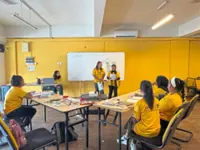
The journey begins with a six-to-12-month intensive training residency at SOLS Foundation headquarters in Kuala Lumpur.
While the move to the city was a significant commitment, the foundation said, the participants would be provided comprehensive support.
This comprises monthly allowances that increase as participants move into practical teaching phases, full accommodation, meals and a travel allowance to return home for a week every three months, besides essential equipment including tablets, Internet access and teaching materials.
The foundation said the Sawa curriculum was structured towards employability, with training in teaching methodologies, communication skills, administrative capabilities, digital literacy, community engagement and professional readiness.
The goal, it said, was for the women to return to their villages not just as local leaders, but as trained professionals rooted in their own culture.
SOLS Foundation said a key aspect of the Sawa model was the social capital of the educators.
“When a teacher is ‘one of us’, the cultural and linguistic barriers that often hinder rural education will vanish.
“Families are more likely to engage with a neighbour they trust than a stranger from the city.
“Meanwhile, children will see a woman from their own community occupying a role of authority,” the statement said.
By shifting the educator’s role from a temporary external placement to a permanent internal career, SOLS Foundation is betting on long-term retention.
Education in these villages was no longer an “imported” service – it was becoming an embedded, sustainable community asset, it added.