



ON TELUGU New Year’s day –Ugadi – households across the community traditionally prepare the festive delicacy known as ugadi pachadi.
For the Telugu people, the festive dish is more than just food as it symbolises the different experiences of life.
Telugu Association of Malaysia (Penang branch) chairman Rama Rao Perappa said ugadi pachadi is a special chutney-like mixture made from six key ingredients, each representing a different taste and emotion.
“We add neem (bitter), raw mango (tangy), tamarind juice (sour), green chilli or pepper (heat), jaggery (sweet) as well as a pinch of salt to make the ugadi pachadi.
“These six tastes symbolise life as a blend of different experiences – sorrow, joy, anger, fear, disgust and surprise – which should all be accepted in the journey of life,” he said.
Ugadi is celebrated on the first moon of the month of Chaitra in the Hindu lunar calendar.
“Families wake up at the crack of dawn to take an oil bath (a mix of castor, coconut and mustard oil). They then wear new traditional attire and gather at the prayer room for the prayers,” said Rama Rao said.
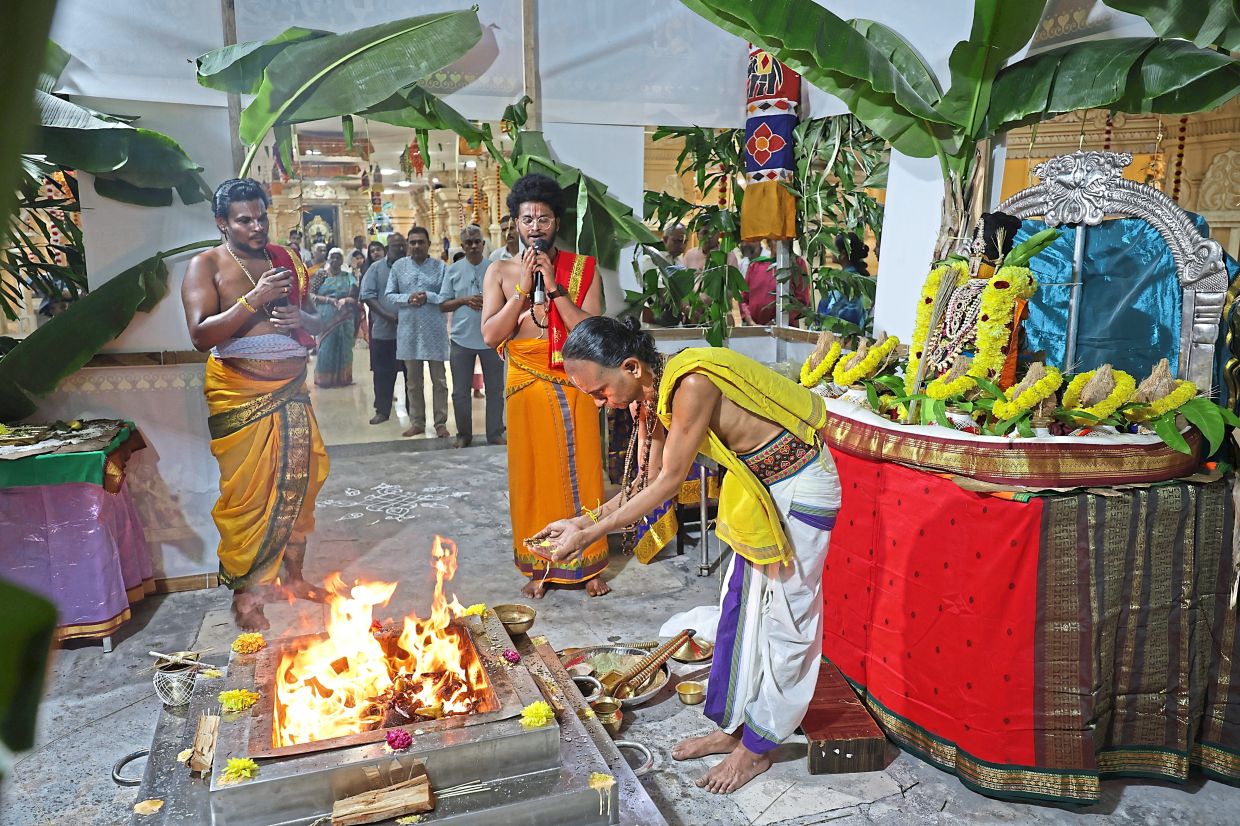
At the Sri Ramar Temple in Solok York, George Town, Penang, a prayer ceremony was held to welcome Ugadi before traditional performances such as the kuchipudi dance were showcased.
Rama Rao said a yagam (Hindu fire ritual) was also held every year at the temple for devotees to gather and celebrate.
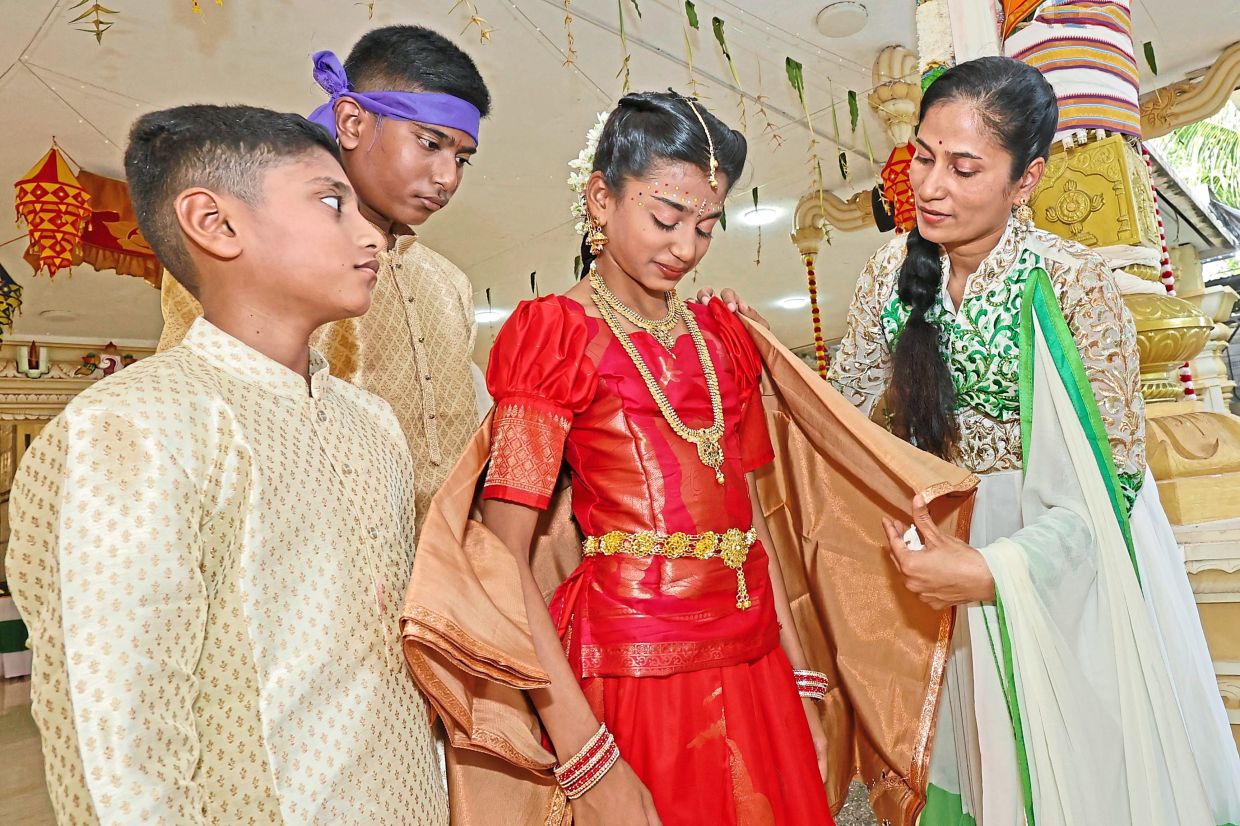
Suguna Ramachandra, 45, a housewife who attended the celebration, said welcoming Ugadi in a temple setting allowed her children to participate in traditional dance performances and festivities.
“I have made sure my six children learnt to speak, read and write in Telugu as well as picking up traditional dances.
“We are second generation Telugus in Malaysia. It is easy to lose touch with our mother tongue and culture.
“I send them for extra classes and ensure they participate in local events too,” she said.
Rama Rao said the association also offered Telugu classes for those keen to learn to read and write in the language.
Telugu Association of Malaysia honorary secretary-general Siva Soorianarayanan said there were about 500,000 association members in the country.
He said Ugadi marked the arrival of the spring season, also known as vasanthakalam, a time when nature renews itself with forming fresh shoots of plants and farmers prepare the land for cultivation.
“The word ‘Ugadi’ comes from the combination of yuga, meaning era, and aadi, which means ‘the beginning’ in Telugu.
“The day is considered auspicious for starting new ventures,” he added.
Siva said preparations for Ugadi begin with homes being cleaned and decorated, with loved ones wearing new clothes.
“On the eve, families perform special prayers called Nokalamma Panduga (Goddess Nokalamma Festival).
“On the new year’s day, fresh mango leaves are strung above doorways as a symbol of prosperity.”
He added that cultural elements played an important role in the celebrations, with some engaging in chanting of mantras, reading of literary works and religious scriptures, singing bhajan (devotional songs) and listening to classical music at homes or temples.
“One of the most anticipated rituals is the reading of the almanac at temples with predictions for the year ahead,” Siva said, adding that some temples arranged cultural performances.
“Like all festivals, prayers and feasts are important parts of the Ugadi celebrations.
“After the prayers are completed, everyone gathers to feast on a vegetarian meal.”
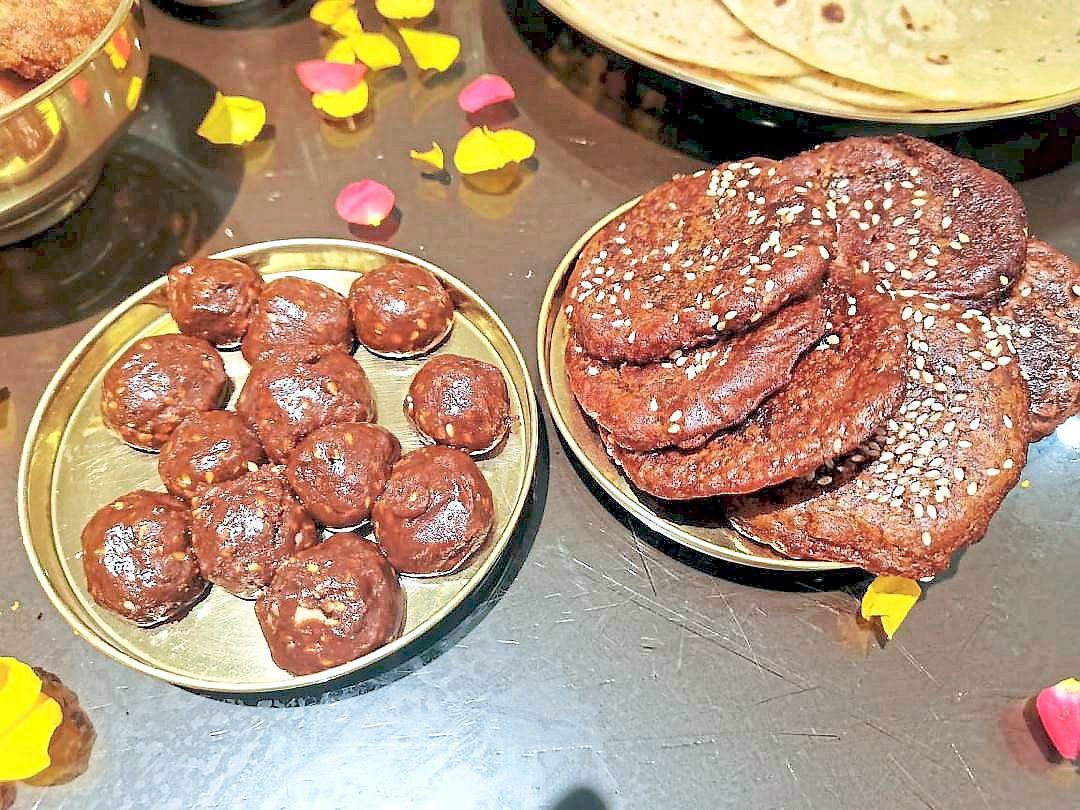
The meal comprising ugadi pachadi and other festive favourites such as teepu garulu (vadai dipped in jaggery), burulu (sweet made from green peas coated in flour and fried), arusulu (sweet made from rice flour, jaggery and sesame seeds) and bobbatu (sweet flatbread made of flour and jaggery) among others.
In Selangor, the spark of unity and devotional pride came alive during the Sri Prabhava Nama Ugadhi Community Prayers at Sri Ramar Temple in Selayang.
The prayers were jointly organised by Malaysia Telugu Foundation (MTF) and Malaysia Telugu Welfare and Cultural Association (PKKTM).
MTF president Datuk Dr R. Kantharao Ackunaidu said for the past 30 to 35 years, this annual celebration continued to serve as a meaningful platform for the Telugu community in Malaysia to come together in prayer and reflection.
The ceremony commenced with the sacred fire ritual amid the chanting of mantras and offerings made into the fire.
This is followed by the Maha Abishegam ceremony and adorning of the deities that enhanced the spiritual atmosphere of the temple.
A pooja (special prayers) was then conducted followed by devotees being blessed when the idols of Lord Rama and Seetha Devi was carried in a ceremonial procession around the temple.
Adding vibrancy to the celebration was a devotional performance combined with singing and dancing.
Devotees circled the deities while singing bhajan, creating an uplifting and energetic spiritual ambiance.
The event concluded with annathanam which is a cherished tradition of providing free food to all attendees.
While such rituals are not widely practiced in many places during Ugadhi, MTF and PKKTM have continued to preserve this important tradition.
The celebration was attended by Sentosa assemblyman G. Gunaraj, who in his address, expressed appreciation to both MTF and PKKTM for their dedication in preserving cultural and spiritual traditions.
He also extended his heartfelt wishes for a prosperous and harmonious New Year to the Telugu community.
