FOR decades, residents of Pangsapuri Bandar Bukit Tinggi 2 in Klang, Selangor, lived beside a river they could not see.
Hidden behind overgrowth and neglect, Sungai Aur became a dumping ground and a forgotten place.
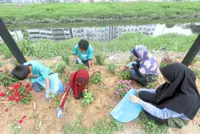
Today, a 500m stretch of the riverbank has been transformed into a thriving green space, with urban farming and flower gardens taking root where rubbish once piled up.
More importantly, an area once shunned because of filth and drug activity has become a welcoming community space.
Families now stroll along the riverbank in the evenings, while children help clean the area and plant shrubs.
The transformation is the result of an environmental initiative known as the Breezes of Aur Nature Group (BANG).
It was carried out by non-governmental organisation (NGO) One Community Social, Moral and Educational Organisation (One Community), in collaboration with the United Nations Development Programme (UNDP) through its Global Environment Facility Small Grants Programme (SGP).
One Community, founded by retired journalist Elan Perumal, 60, focuses on education and community development.
Exploring beyond classroom
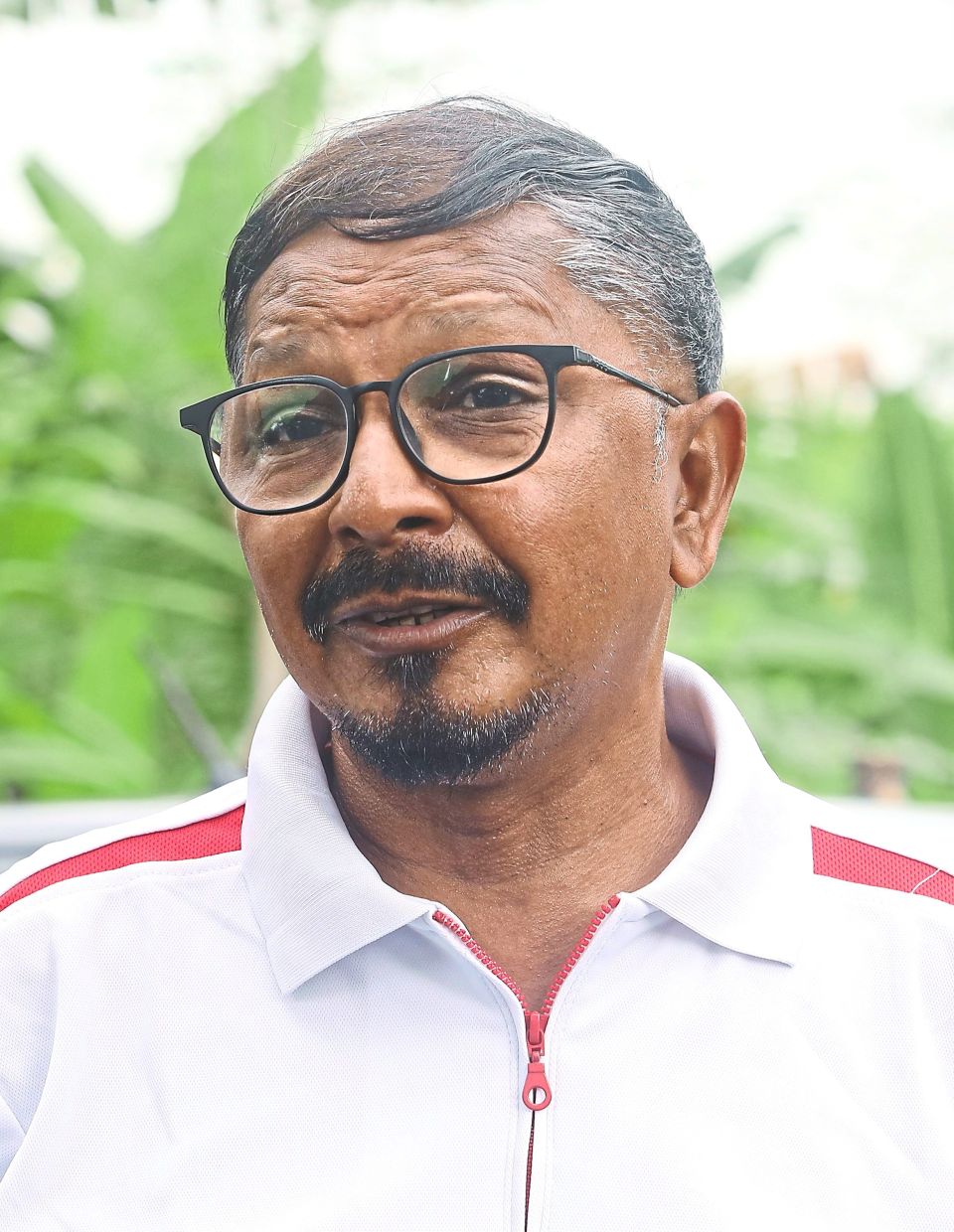
But as the programme grew, Elan, the founder and chief coordinator of One Community, began to see education in a broader sense.
“Education is not just about reading and writing.
“It is about teaching people to respect the place they live in, to care for nature and to feel that the environment around them belongs to them,” he said.
With about 20 volunteers, many of whom are qualified teachers involved in literacy programmes, Elan started exploring ways to extend the initiative beyond the classroom.
“Education cannot stop at the classroom.
“If we want the younger generation to grow into responsible citizens, they must also learn to respect the environment they live in,” he said.
Determined to expand the effort, he sought funding for an environmental programme.
After presenting his proposal to UNDP, programme officers visited the NGO’s education centre to observe its work.
“They realised this was not just an idea on paper.
“Although we were a relatively new NGO, they saw what we were doing and understood that we were serious on building something meaningful for the community.”
Once funding was approved, One Community launched the BANG project and began restoring the Sungai Aur riverbank near the flats.
SGP Malaysia National coordinator Siti Salwa Samsudin said community-driven efforts like the BANG project highlighted the impact of grassroots environmental action.
“Community initiatives like the Breezes of Aur Nature programme show how local action can drive meaningful and lasting environmental change.
“Through SGP, communities across Malaysia are restoring ecosystems, strengthening livelihoods, and building resilience to climate impacts in ways that are grounded in local realities,” said Siti Salwa.
She added that over the past 26 years, UNDP and SGP Malaysia had supported over 290 community-driven projects, benefitting over 50,000 people nationwide, more than half of whom were women.
“These efforts demonstrate that empowering communities is key to achieving sustainable and inclusive outcomes.
“The revitalisation of Sungai Aur is a strong example of how collective effort at the grassroots level can deliver lasting benefits for both people and the environment, while supporting Malaysia’s broader sustainability and climate goals,” she added.
Winning over the community
Convincing residents to support the project proved to be another challenge.
When Elan first proposed turning the neglected riverbank into a community farm and green corridor, the response was cautious.
“Some thought I was encroaching into their territory.
“Others could not understand why anyone would bother with a place they had already given up on. Some were even suspicious and asked us to leave.”
Undeterred, Elan and his team took a simple, personal approach.
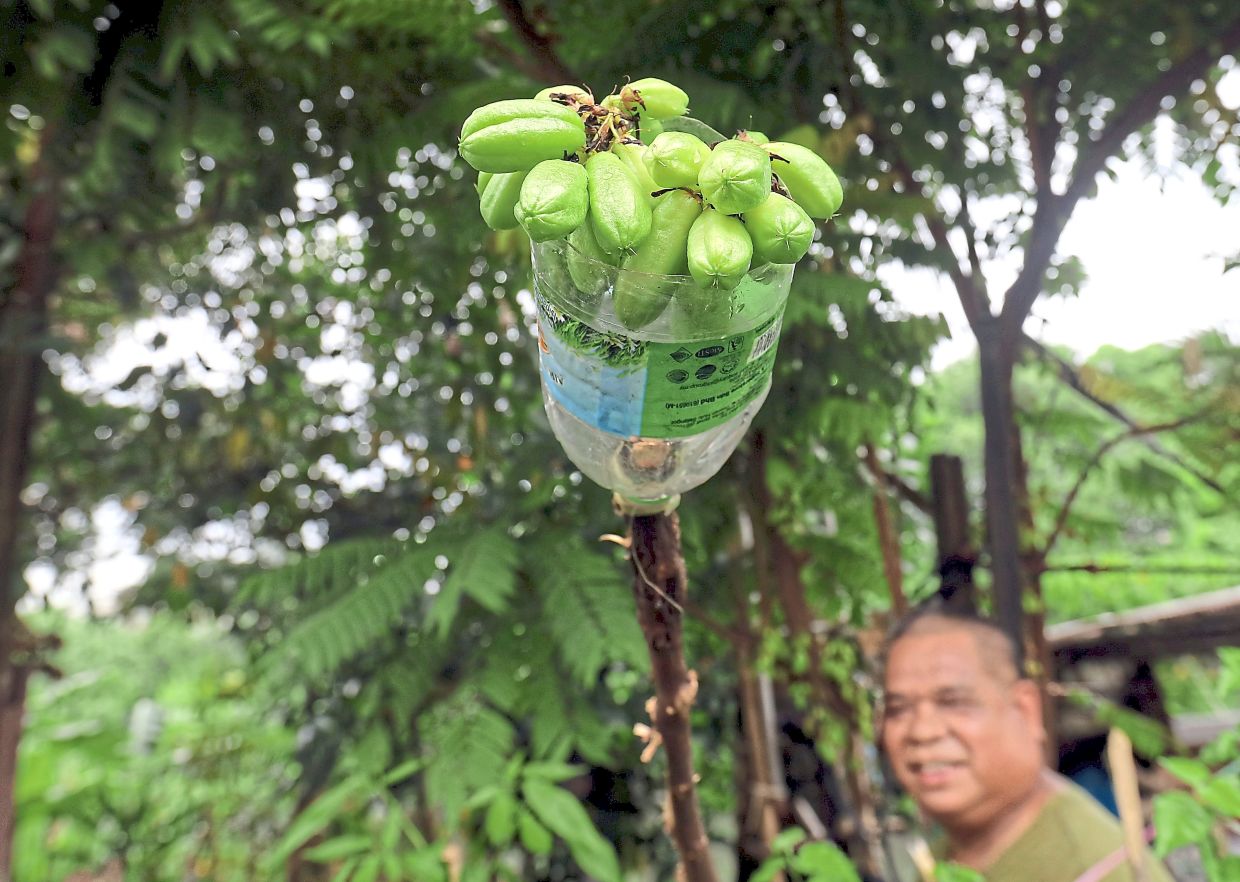
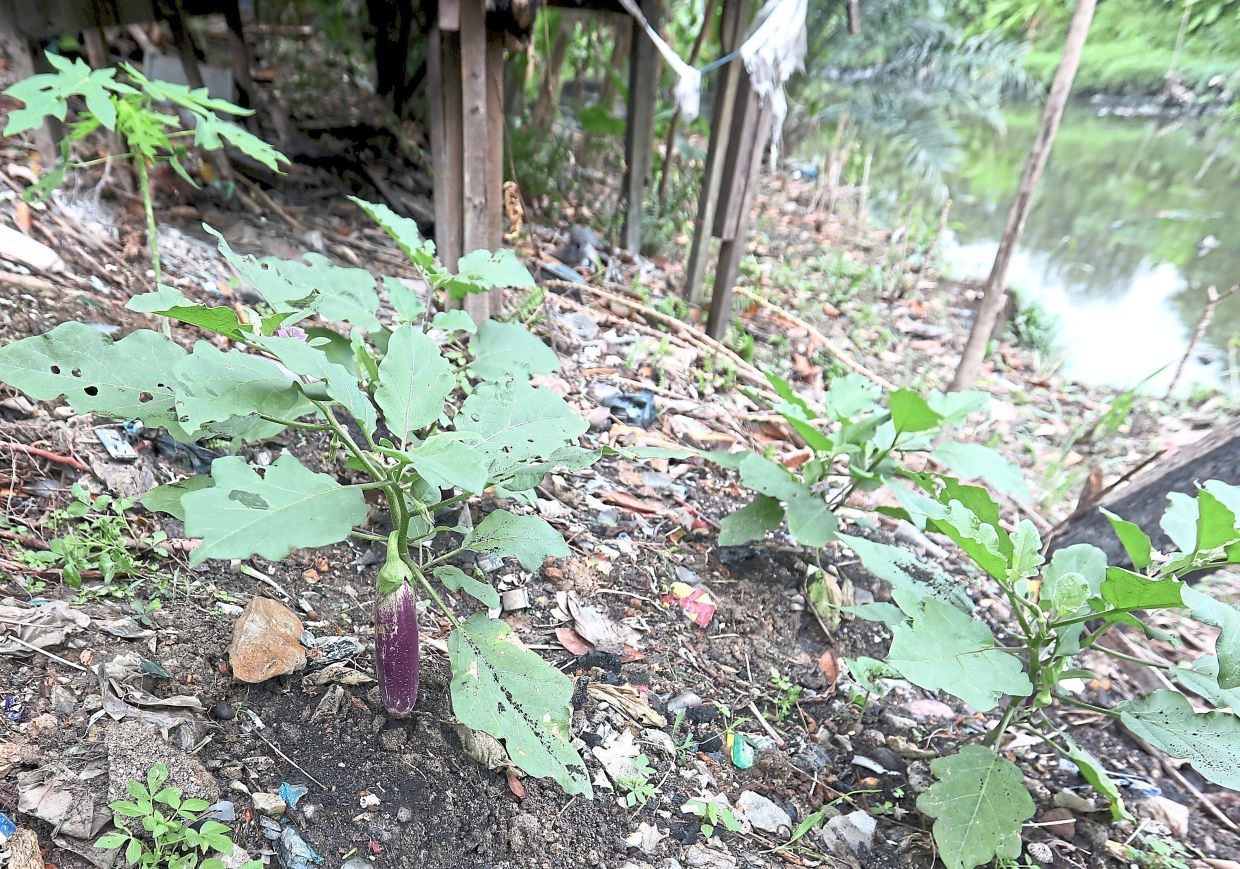
Carrying polybags with young brinjal plants bearing fruit, he went door to door, giving them away while explaining his vision of transforming the riverbank into a shared space.
The gesture, though small, helped to build trust and slowly change perceptions.
A significant portion of the UNDP funding was also channelled into community engagement, including workshops aimed at reshaping attitudes towards the environment.
Planting seeds of change
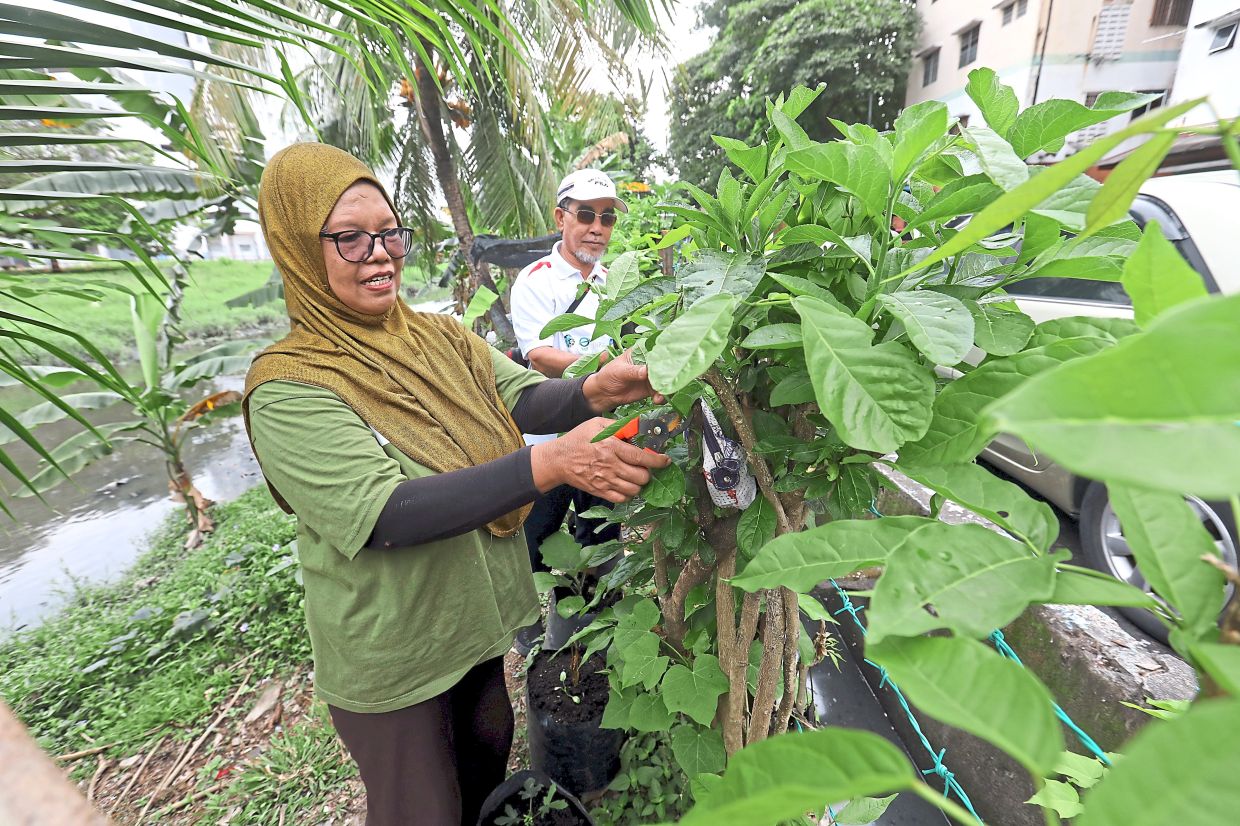
One Community organised sessions to introduce residents to sustainable farming methods, including the use of biofertilisers and organic pesticides, while discouraging harmful chemicals.
“We wanted them to understand that farming can be done in a way that protects the soil and the river,” Elan said.
Workshops on balcony farming and pot planting showed residents that vegetables could be grown even in small spaces, he said, adding that participants were given saplings such as stevia to get started.
“Many people think balcony farming is difficult, but it can be very simple,” he said.
Experts were also invited to conduct demonstrations and share practical urban gardening tips.
Another session focused on the use of planter boxes. Parts of the riverbank had previously been taken over by illegal workshops and covered with cement, making it impossible to plant directly in the ground.
“Using planter boxes allowed us to bring greenery back to areas where the soil had been damaged,” he said.
Participation grew steadily, with many women, including retirees and mothers, taking the lead.
“They wanted to do something meaningful and spend time outside their cramped flats,” Elan said.
“They came not only to learn, but to be part of something positive for their community.”
Their involvement soon influenced the younger generation.
“After seeing their parents take part, the children started following them to the riverbank,” he added.
About 20 children aged between 11 and 14 now help clean the area and plant seedlings.
They are part of a youth group known as Sahabat Sungai Aur, which supports efforts to keep the riverbank clean.
Building support
Alongside community efforts, Elan worked to secure support from the authorities.
He first approached officers from the Drainage and Irrigation Department (DID), who welcomed the initiative but advised him to apply for a Temporary Occupation Licence (TOL) to formalise use of the land.
He also sought guidance from the Selangor Water Management Authority (LUAS), which supported the effort.
“They told us that as long as we do not interfere with the river itself, they support activities that keep the riverbank clean and benefit the community,” he said.
Elan also met Klang mayor Datuk Abd Hamid Hussain to inform him about the initiative.
“The mayor was thrilled by the effort and expressed interest to officially launch the project.”
One Community volunteer Gregory Cheong said the project had helped residents reconnect with the river.
“What used to be an overgrown stretch of riverbank has now become a greener space with flowers and farming plots.
“Residents are beginning to appreciate the river and its surroundings, which many ignored in the past when it was hidden by thick vegetation.”
Cheong added that engaging with more than 50 students through the Sahabat Sungai Aur initiative was encouraging.
“We hope this programme will inspire the younger generation to care for the river and protect their environment.”
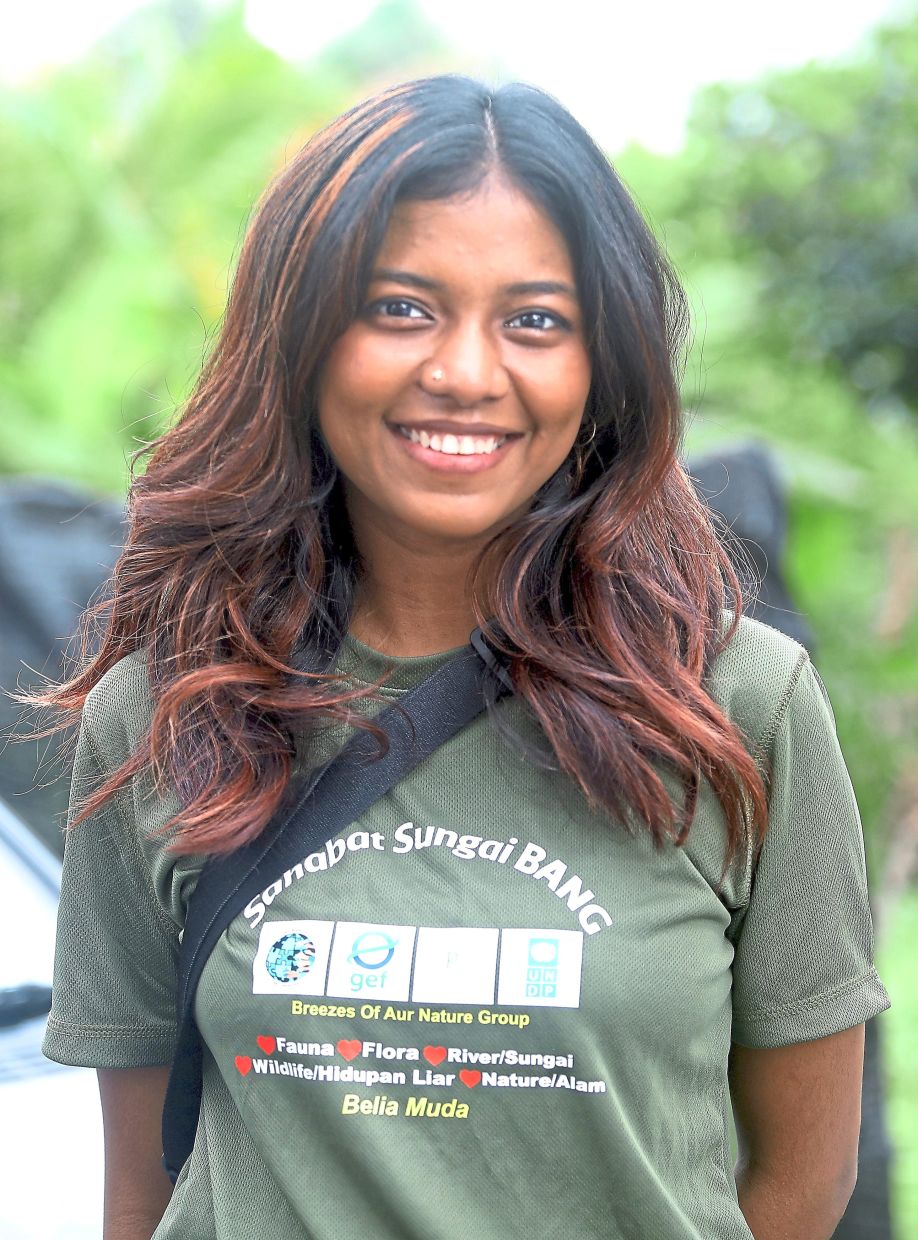
“Once they saw their parents getting involved, they became curious and wanted to help.
“Today, about 20 of them regularly come to clean and plant. What started as a small activity has grown into something they take pride in.”
Resident Mukkazainab Mustapha, 32, said the transformation had changed how families used the space.
“This place used to be avoided, but now I bring my six children here for evening walks.
“It feels safe and peaceful, and my 13-year-old son Muhammad Aidil Firdaus has even joined as a volunteer,” she said.
Klang Royal City Council (MBDK) councillor Pannir Selvam Gopal, whose zone covers Bandar Botanic Bukit Tinggi 1 and 2 as well as Pendamar Indah 2, welcomed the initiative.
“This project shows how residents can work together to reclaim and care for their surroundings.
“It also supports efforts to promote environmental awareness and community education, especially among the younger generation, so they understand the importance of protecting our rivers and public spaces.”