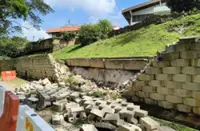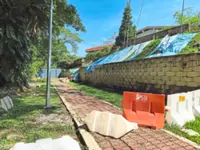
PRELIMINARY checks show material distress and water-related issues may have caused the collapse of the retaining wall at the Astaka field in Section 52, Petaling Jaya.
Geotechnical engineer Mak Wai Kin from Institution of Engineers Malaysia (IEM) said the segmental block retaining wall type was built using interlocking concrete blocks without the use of mortar.
Mak, who inspected the site with Lorong Utara Residents Association (Lura) members following the incident last week, said initial observations suggest that the retaining wall had reinforcement distress due to build up of water pressure.
“This type of retaining wall system is not uncommon for similar slopes and heights.
“Reinforcement distress is one of the possible factors, but whether any material rupture occurred can only be established through technical investigation,” he added.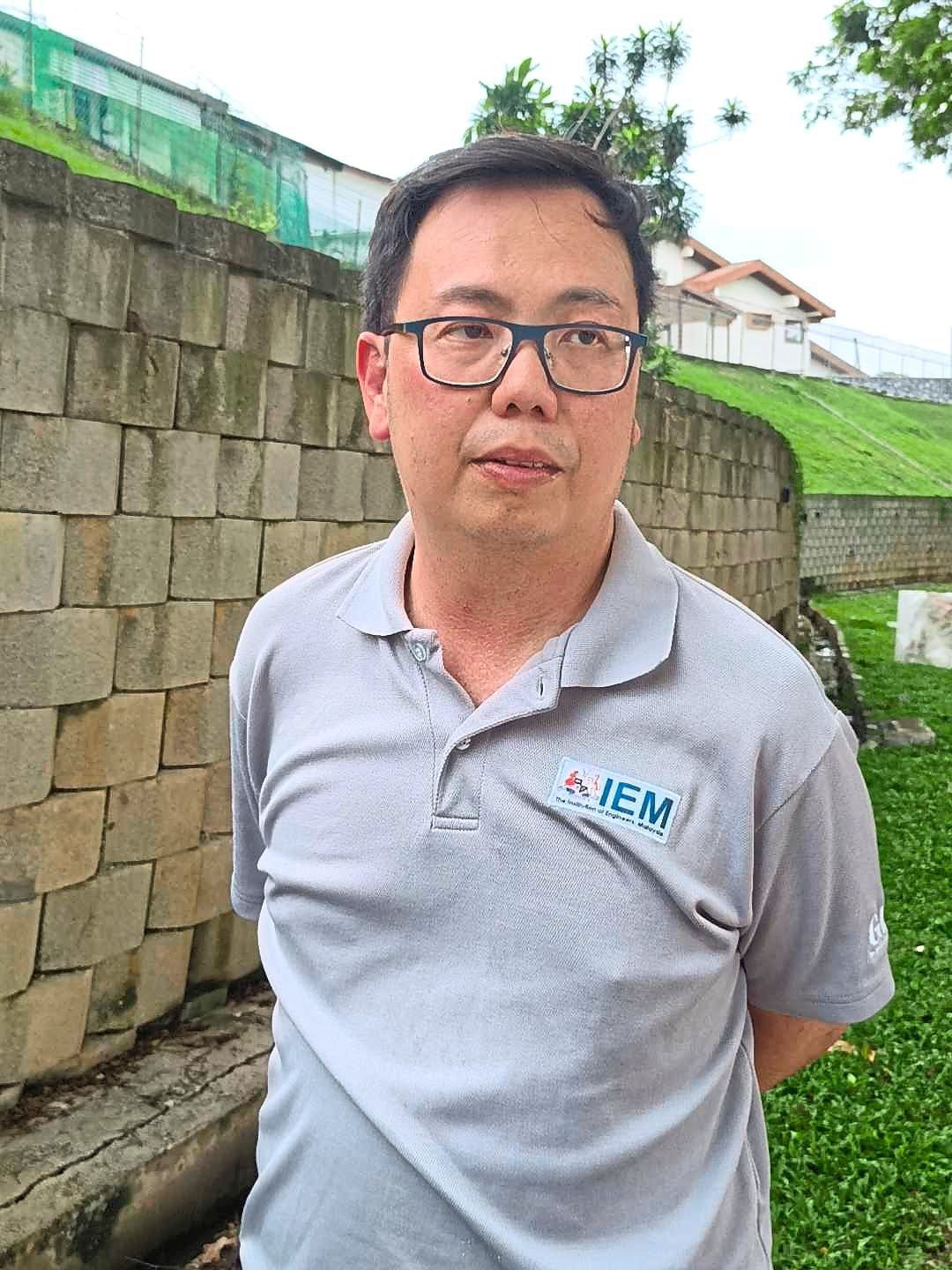
StarMetro reported on the wall’s collapse on Feb 24.
Lura’s committee had highlighted to MBPJ since July 2024 that the wall was more aesthetic than functional.
Mak said the wall lacked standard reinforcement support and that geotextile fabric was used instead of geogrid – a stronger mesh-like material to help hold the soil firmly in place.
He said material selection and design grade should be confirmed against the original specifications and testing data before making any conclusions.
He noted movement at the upper part of the retaining wall where drains were located immediately behind it.
“I see the drain is positioned closely behind the top rows of blocks, which typically prevents reinforcement elements from being extended at that level.
“This limitation, combined with soil pressure acting behind the drains, can contribute to movement at the upper portion of a retaining wall,” he said, adding that water often aggravated such failures.
Mak observed signs consistent with water movement at the lower part of the wall, where prolonged saturation could reduce soil strength.
He said water was discharged downward from Lorong Utara homes atop the slope, noting that without effective diversion and drainage, water could enter the retaining wall system.
Mak said a comprehensive engineering assessment of the wall, backfill, reinforcement and drainage along the affected stretch should be conducted to determine appropriate remedial actions.
“Depending on the findings, works may include reconstruction of sections to ensure reinforcement and drainage are integrated in line with design requirements,” he added.
Lorong Utara RA president Syed Izzuddin Alshahab said two years ago, the wall showed signs of distress with a 3cm tilt detected using a plumbline.
As at press time, Petaling Jaya City Council (MBPJ) had yet to respond to queries from StarMetro on the matter.