
“I make it a point to try a different bazaar every day. I enjoy checking out the variety at each location,” he said.
Hailing from Wangsa Maju, Kuala Lumpur, Mohd Shahrin has noticed that prices vary not just between bazaars, but even among traders at the same location.
“For example, murtabak may cost RM4 in one bazaar and RM7 in others, depending on the size and ingredients,” he said.
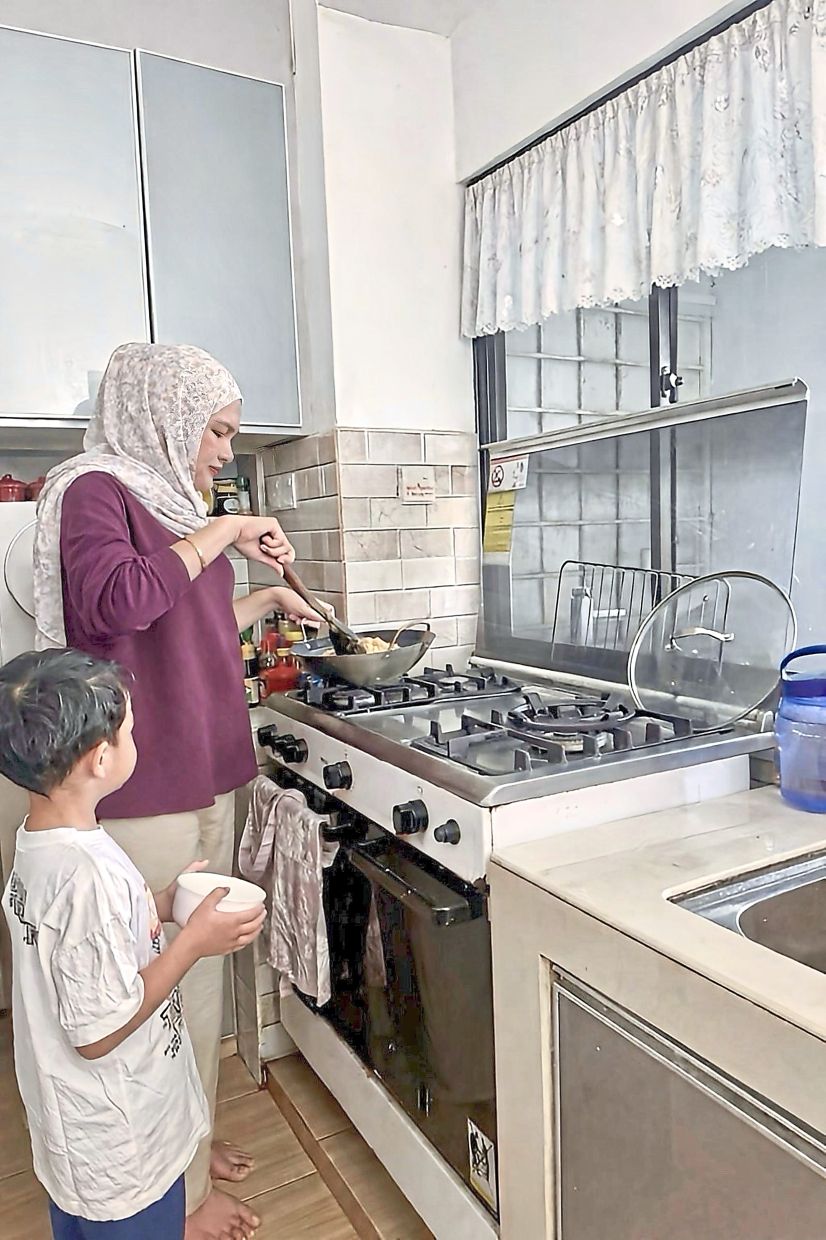
Although many Muslims and even non-Muslims share his enthusiasm for Ramadan bazaars, there are also some who prefer to prepare buka puasa and sahur meals at home.
Several couples in Klang Valley StarMetro spoke to say while they might stop by at Ramadan bazaars occasionally, the rising prices of dishes and necessities have prompted them to lean more towards home-cooked meals this year.
Frugal living
With the fasting month being near the start of the year – a period typically marked by heavier spending – many young families were tightening their purse strings.
Father of two Mohamad Faiz Moh Djamil, 39, from Sungai Buloh, Selangor, said his family would not visit bazaars as much this year as his wife Ku Nur Fadzilah Ku Abdul Latif would be cooking the daily meals during Ramadan.
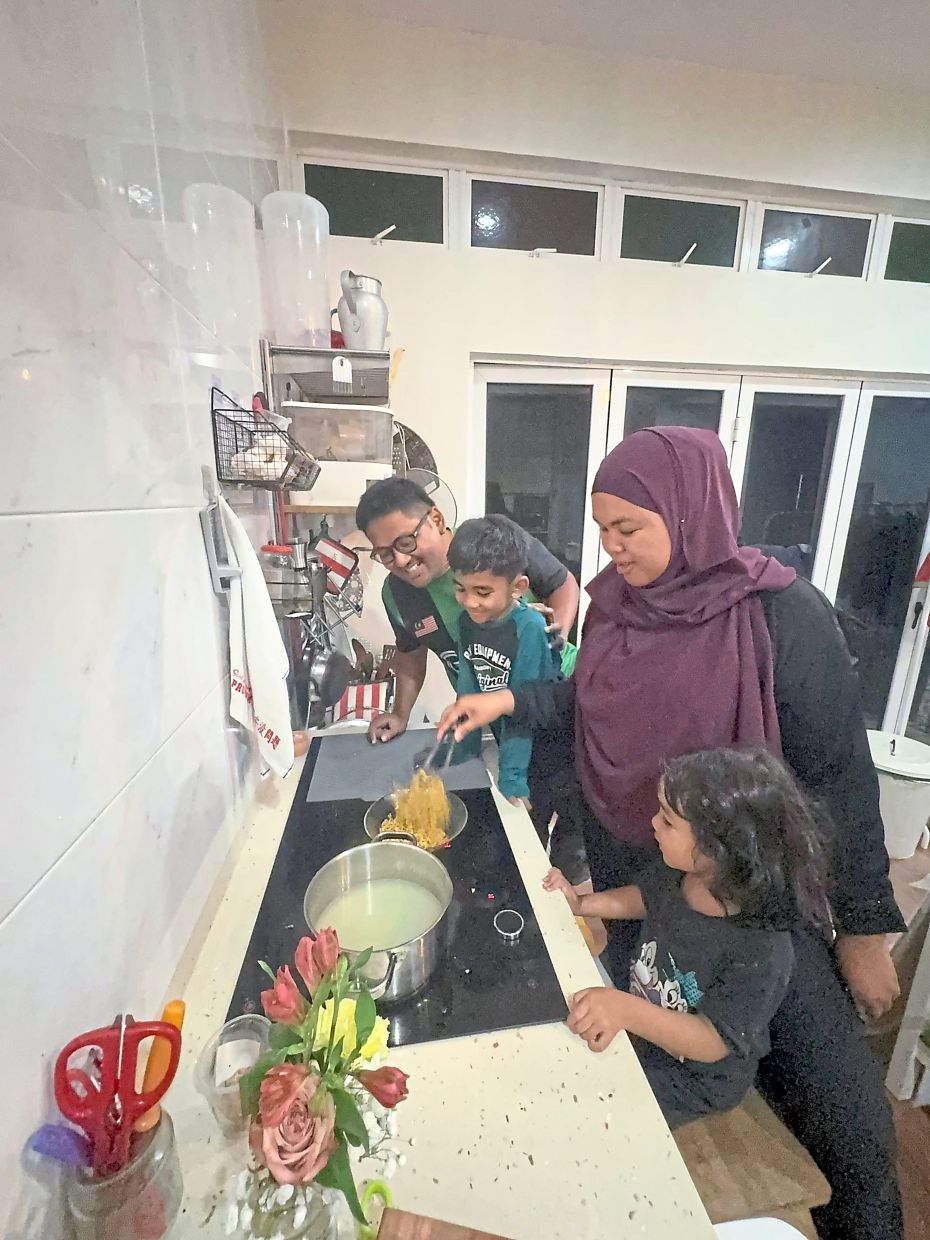
They have set aside between RM300 and RM500 for groceries during the fasting month, he said.
With Ramadan and Hari Raya Aidilfitri falling close to the start of the school term, they began buying baju raya and school supplies in phases from November last year.
Gombak resident and father of three Afiq Zulfikli, 39, said his family rarely visited Ramadan bazaars due to rising prices.
“Although some traders have maintained their prices, their food portions have grown smaller,” he said.
Instead, Afiq said they relied on ready-to-eat dishes such as serunding, bought from his hometown of Kota Baru, Kelantan, for breaking fast.
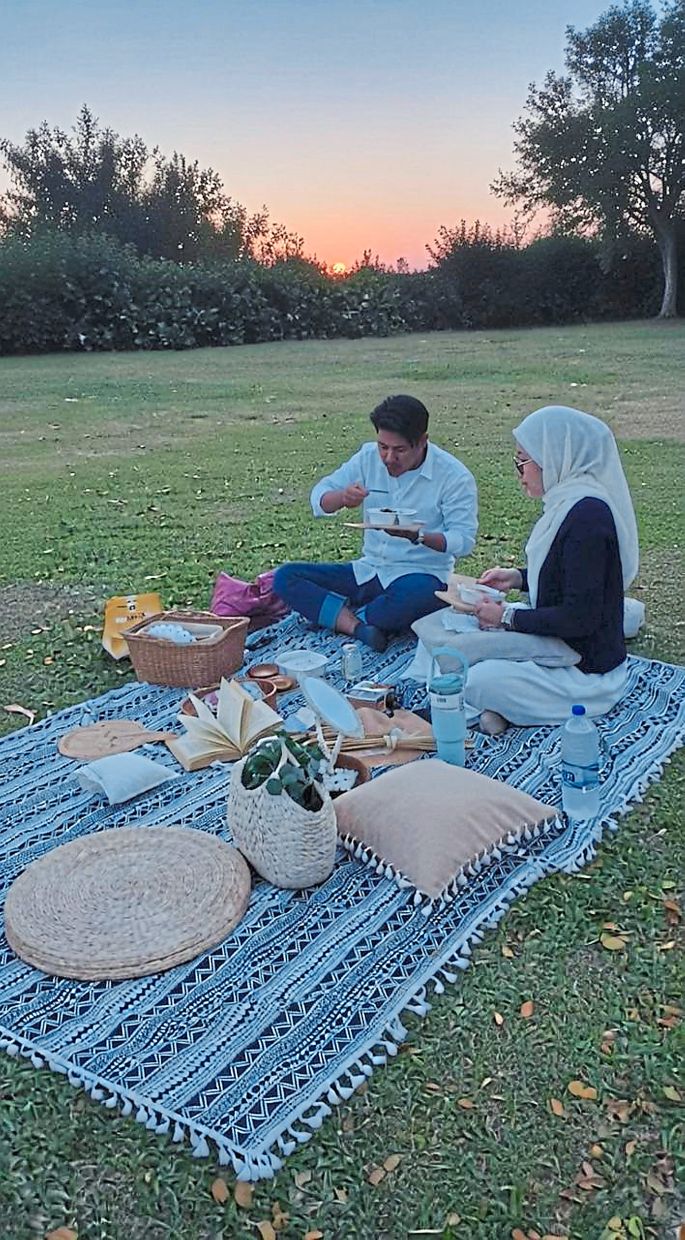
He also noted that their grocery spending typically rose by about RM200 during the fasting month.
“This mainly goes towards extra preparations for sahur and iftar, as well as buying food from Kelantan,” he said.
Newlyweds Siti Nur Zawani Miscon, 33, and husband Muhamad Asyraf Mahadi, 29, from Muadzam Shah, Pahang, said they were limiting trips to bazaars too.
“This is our first Ramadan together. We used to go almost every day when we were still single.
“But this year we plan to cook together and maybe go to the bazaars only once or twice a week,” added Siti Nur Zawani.
She was not expecting any changes to their monthly expenditure, noting that they usually shopped for groceries two or three times a month, spending between RM150 and RM180 each trip.
Prices of chicken, eggs and vegetables have remained relatively stable compared with cooked food, she added.
Health conscious
For some families, the fasting month is a time to adopt a healthier diet and monitor their calorie intake.
Mother of one Haleeza Hadzis, 33, from Kepong, Kuala Lumpur, said she would do this by scaling down on food bought at Ramadan bazaars.
“I used to go once a week in previous years, but this year I am focusing on home-cooked meals,” she said.
“I’m also trying to reduce sugar intake in my family by avoiding kuih and sugary drinks at bazaars.”
Haleeza said she prepared ingredients and planned what to cook days in advance.
Muiz Abd Wahid, 33, from Putrajaya, said he still enjoyed visiting Ramadan bazaars, but would opt for healthier choices.
“I usually stick to protein-rich dishes like ayam golek and grilled fish. I avoid fried and sugary stuff as much as possible,” he said.
Having lost 20kg over the past six years through regular exercise and careful diet, Muiz planned to maintain his workout routine during Ramadan.
“Fasting doesn’t mean giving up on fitness. I cut back on carbs, but I still enjoy the variety of food at bazaars,” he said.
Appeal of bazaars
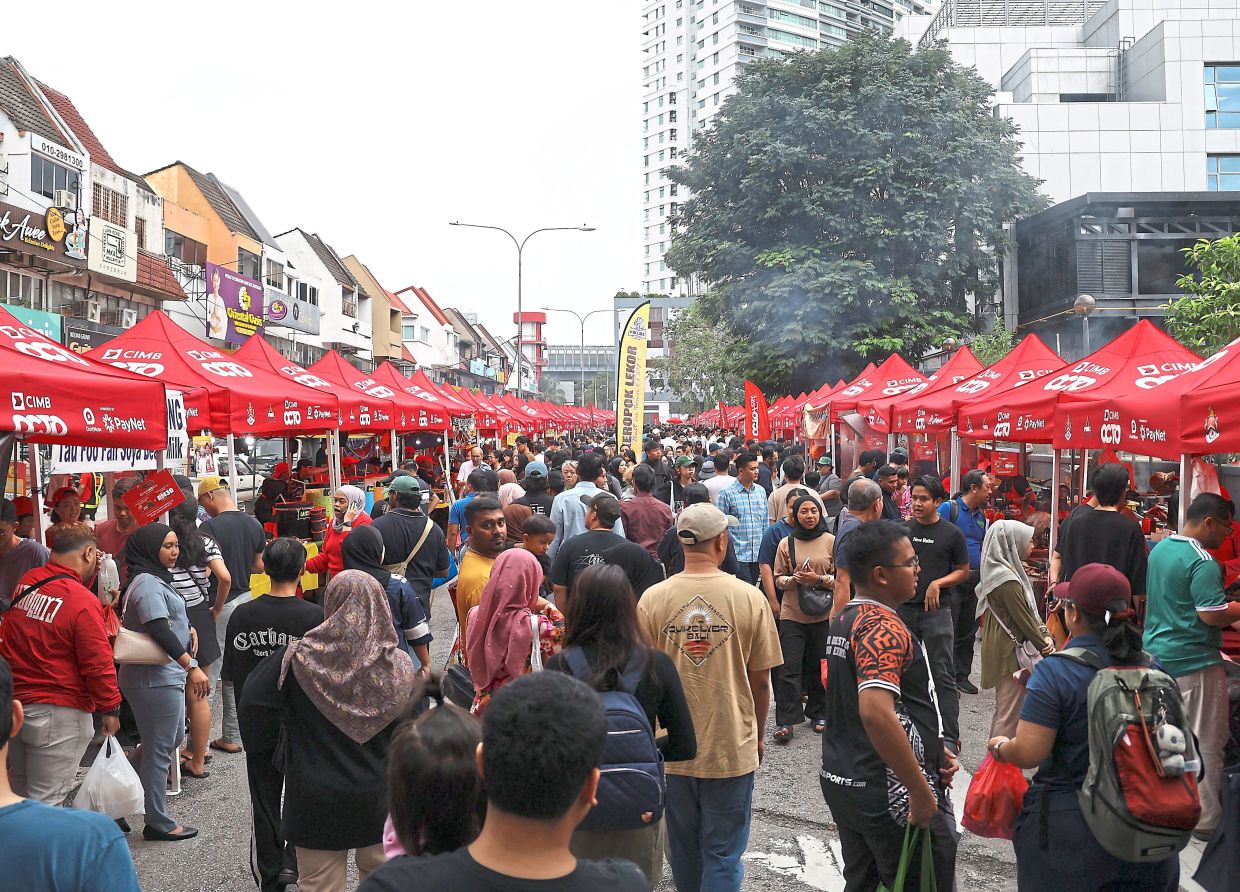
For many, the charm of Ramadan bazaars and their endless choice of dishes remain strong.
Alya Yasmin Zaini, 36, mother of three from Cyberjaya, intends on keeping her routine of visiting such bazaars daily.
“I only skip them for family gatherings or office events,” she said, adding that prices had definitely risen since last year.
To manage expenses, Alya only buys main dishes while cutting back on sugary treats and drinks.
She buys groceries twice a month, stocking up on snacks for her children and essentials for sahur.
Mohd Azlim Rahim, 29, from Setiawangsa, Kuala Lumpur, said he would visit Ramadan bazaars every day during the fasting month.
“I enjoy exploring different bazaars each day.
“I like trying kuih like tepung pelita, roti jala, murtabak and kuih bakar. You never know which stall has the best one.”
Azlim’s favourite bazaars are in Precinct 3, Putrajaya, and Kampung Baru, citing their wide selection and lively atmosphere.
He usually spends between RM15 and RM20 per trip, often driving but sometimes taking public transport.
“Besides the bazaars, I also occasionally break fast at hotels with my family and friends,” he added.
However, father of four, Razif Hakim, 41, from Petaling Jaya, said he would be simplifying his Ramadan routine this year by buying food from stalls near his housing area.
He added that given his work and children’s schooling schedules, they would have less time to go to bazaars.
“My priority is making sure we all eat on time without stressing over crowds or long queues,” he said.