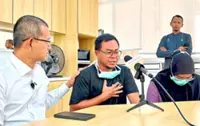
A JOHOR Baru City Council (MBJB) councillor has mooted a White Paper to address river pollution, especially in Johor Baru.
Fauzi Faizal, who oversees the Tiram zone, said a policy document was required to tackle pollution in a more coordinated and robust way.
“Several rivers in Johor Baru are in a worrying state, including Sungai Sengkuang, Sungai Sebulung, Sungai Skudai and Sungai Tebrau.
“These rivers are facing serious pollution issues largely caused by industrial waste and irresponsible human behaviour such as unlawful dumping,” he said in an interview.
Fauzi said MBJB was committed to making the city sustainable, but river pollution needed a more comprehensive and integrated solution.
“The White Paper will include a thorough assessment of pollution levels in rivers, including identifying sources and their impact, as well as phased guidelines for river conservation and rehabilitation.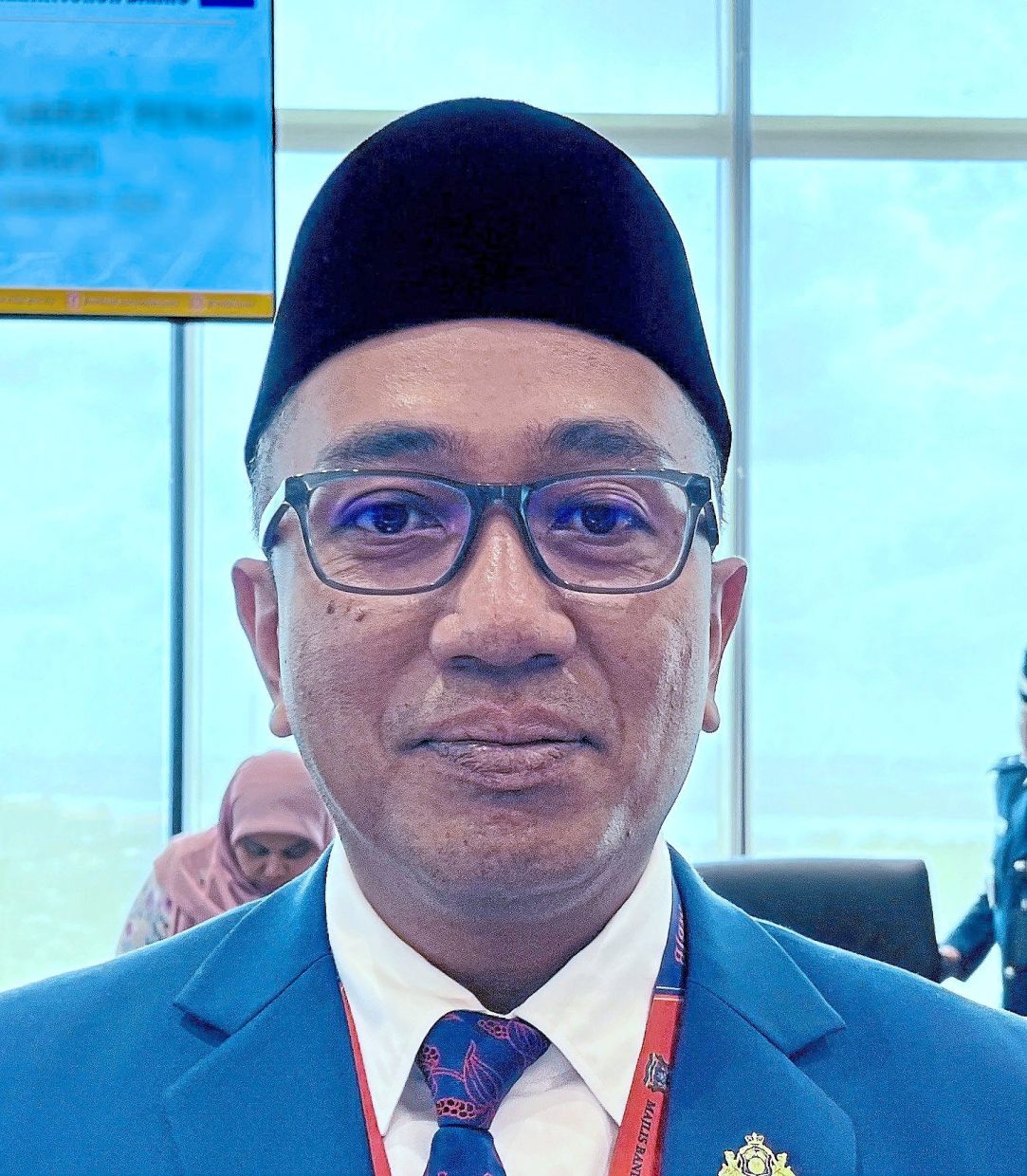
“The document should also outline the roles of relevant agencies to avoid overlapping functions and propose amendments or improvements to existing by-laws, particularly in terms of enforcement”.
It was mooted at a recent MBJB full board meeting.
Fauzi said enforcement must also be strengthened, with firmer action taken against parties found guilty of polluting.
He highlighted the need for the city council to take action against business premises, particularly food and beverage outlets, that failed to instal grease traps or neglect regular maintenance.
“These premises should not allow their grease to flow into drains which would end up in the river and cause pollution,” he said.
Rivers are not just a vital source of water and natural drainage system, but also create high- biodiversity habitats, economic resources and recreational spaces, he added.
“A clean river improves quality of life, reduces flood risk, ensures water security and supports local tourism and economic activities.
“On the other hand, polluted rivers pose a health risk, damage ecosystems and increase water treatment costs.”
Preserving rivers is a shared responsibility involving local authorities, government agencies, the private sector, non-governmental organisations, communities and individuals, he said.