KUALA LUMPUR City Hall’s (DBKL) decision to only release details of its 2026 budget next year is causing concern among stakeholders.
They express worries that the delay might affect operational continuity in January, particularly for services that rely on annual allocations, such as enforcement activities.
Other than the lack of transparency and accountability, city folk are also worried about the impact of the delay on ongoing projects.
The usual practise for local authorities is for next year’s budget to be tabled before the end of the preceeding year. However, DBKL’s 2026 budget has yet to be tabled.
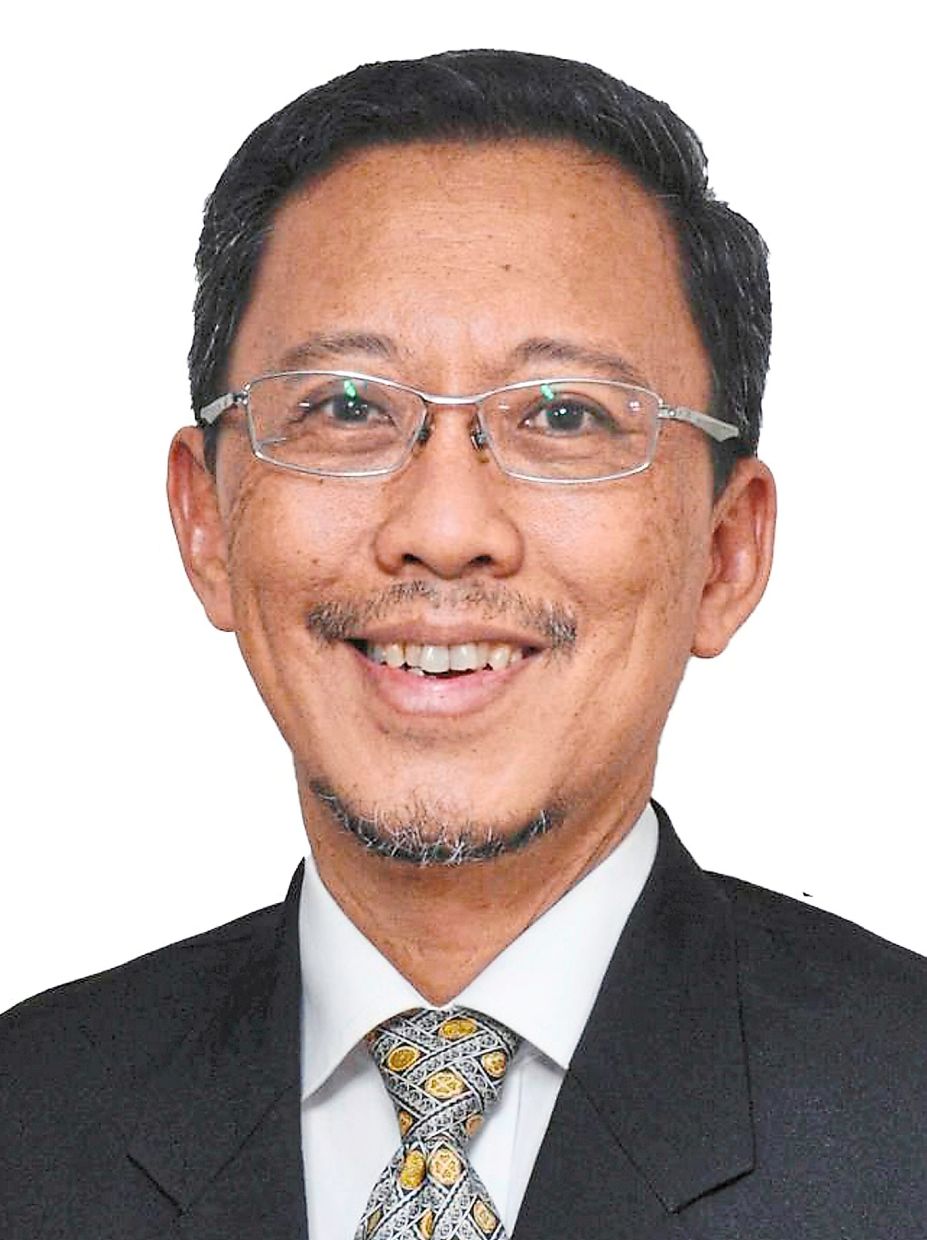
Wangsa Maju MP Zahir Hassan said uncertainty surrounding the budget exposed deeper structural weaknesses in the way DBKL was governed, warning that the delay could disrupt services and enforcement.
He said the sudden departure of former mayor Datuk Seri Maimunah Mohd Sharif could have contributed to the complication.
Regardless of the cause, the situation highlighted the need for systemic reform, he added.
“This is why we are pushing for a Private Member’s Bill to introduce a councillor system, to prevent such instances from recurring.”
Last month, Kuala Lumpur MPs submitted a Private Member’s Bill to amend Federal Capital Act 1960, seeking to overhaul City Hall’s governance by introducing a councillor system.
The proposal follows recommendations by the bipartisan Public Accounts Committee (PAC), which has called for stronger checks and balances at DBKL.
Under the proposal, the mayor would no longer wield near-absolute authority but would serve alongside councillors appointed by Kuala Lumpur MPs, aligning the capital with other local authorities under Local Government Act 1976.
The move is aimed at improving accountability and representation, particularly in light of DBKL’s RM2.83bil budget for 2025 and current limited oversight mechanisms.
In a press statement on Dec 23, DBKL said it would brief the Minister and Deputy Minister in the Prime Minister’s Department (Federal Territories), as well as all 11 Kuala Lumpur MPs, about the budget at an upcoming Federal Territories Ministerial Council meeting.
However, no date was given.
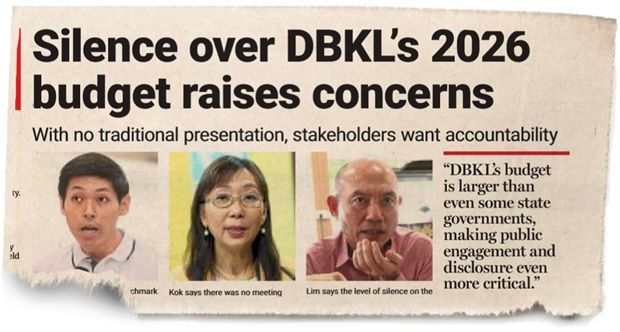
The statement followed a StarMetro report on Dec 22, “Silence over DBKL’s 2026 budget raises concerns”, which highlighted growing unease over transparency and accountability, despite a town hall session held in June to gather public feedback on the budget.
Happy Garden and Continental Park Residents Association secretary Evelyne Low said communities needed clarity on funding, especially for delivery of essentials such as public walkways.
“When the budget is delayed, we do not know whether we have enough funds or need to look for additional support,” she said, adding that this could ultimately result in higher costs.
Brickfields Rukun Tetangga (KRT) chairman SKK Naidu shared the sentiment, citing upgrading works along Jalan Sultan Abdul Samad that took off recently after months of delay.
“When something as important as a budget is not presented, it creates an impression of a lack of transparency and that is not good for the city,” he said.
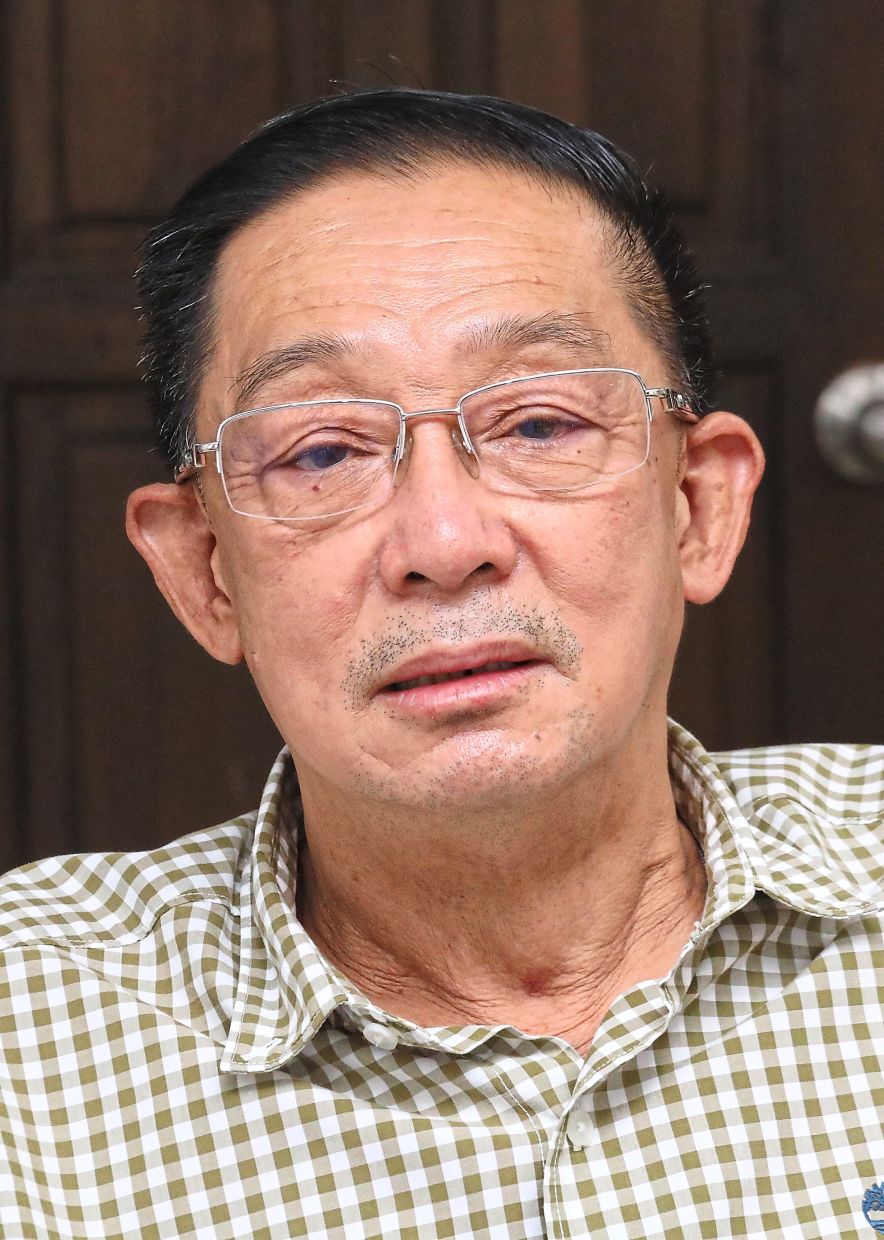
Taman Desa Residents Association chairman Wong Chan Choy said such an uncertainty also affected community groups and non-governmental organisations that depended on allocations.
“Without clear timelines, we do not know what activities we can organise or where the funding will come from.”
Kampung Malaysia Raya KRT chairman Mohd Zainudin Amran echoed these concerns, saying that early confirmation of the budget was crucial for planning people-focused programmes.
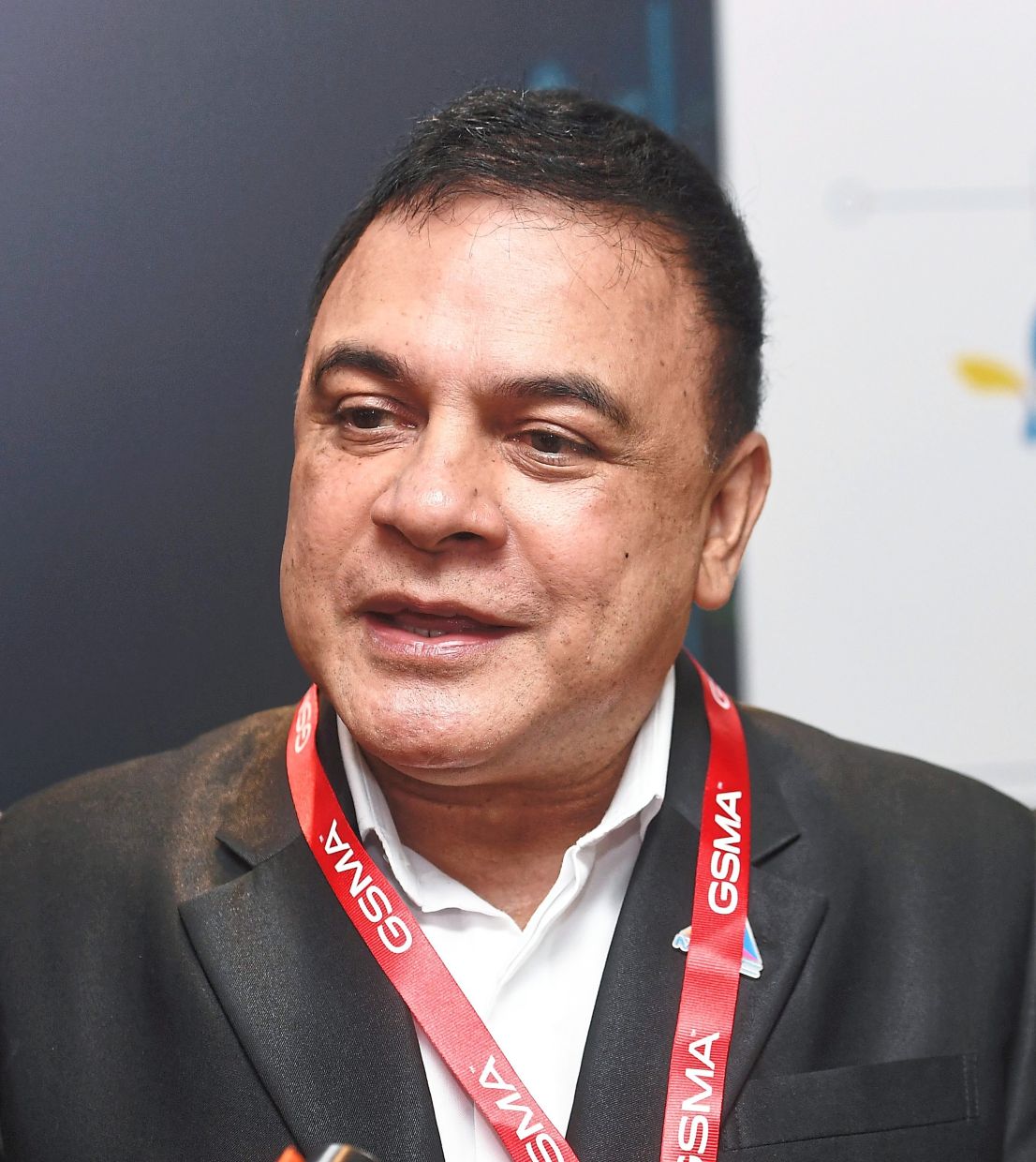
Lawyer and planning expert Derek Fernandez said the governing principle was that no expenditure could occur in local government unless it had been budgeted for.
“Budgets are usually approved by November, with public engagement and consultations with MPs carried out prior to that.
“An improperly approved or unapproved budget can open the legality of any expenditure to challenge.
“Good governance requires MPs or assemblymen to be consulted before the budget is approved, not after,” he said.