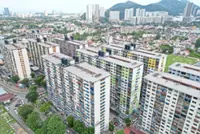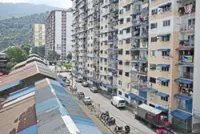
RIFLE Range Flats, a cornerstone of Penang’s urban history, embody the state’s early ambition to provide affordable housing solutions.
Completed in 1969, these towers are among the last surviving large-scale housing projects from Malaysia’s initial urbanisation phase.
Today, as they face the challenges of ageing infrastructure, there is a renewed focus on preserving their rich heritage while meeting modern demands through a comprehensive urban renewal plan.
In 2010, the Penang government announced that the Rifle Range Flats would be upgraded under an Urban Renewal Plan (URP) to shed their slum image.
But since then, progress has been slow.
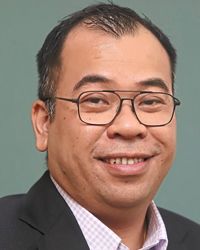
The state government is right to proceed with caution, as these flats in Air Itam, Penang, are home to between 12,000 and 15,000 people, and form a significant vote bank within the Kebun Bunga state constituency.
Kebun Bunga assemblyman Lee Boon Heng notes that voters from the flats make up about 40% of the 24,500 voters in the constituency.
“In electoral terms, it represents one of the largest concentrations of voters within a single area. This makes Rifle Range not only significant in numbers but also central to shaping community priorities,” he said.
A historical perspective
Known locally as Pak Cheng Por, the site was transformed from a shooting range into affordable housing, becoming a key part of Malaysia’s public housing legacy.
Originally, the tallest buildings in Penang, the flats housed 3,663 residential units, along with 65 shop lots and 13 utility units.
Today, only about 20% of the units remain under the State Housing Board to accommodate the underprivileged, while the rest have been sold to private owners.
Monthly rental rates under the Housing Board are RM90 for single-bedroom units and RM110 for two-bedroom units, with lower rates available for persons with disabilities, subject to approval.
The maintenance fee is set at RM30 per unit per month.
Preserving heritage
For many residents, Rifle Range Flats was their first experience of life beyond kampung houses or wooden settlements.
“Rifle Range is more than just buildings; it represents a unique blend of heritage and human stories,” said Lee.
He said the flats’ preservation must go “beyond the bricks,” focusing on documenting their history through photographs, oral histories, and community archives.
“Preserving Rifle Range’s legacy should not mean freezing it in time,” Lee emphasised.
“Renewal must ensure proper maintenance and upgrading of facilities.”
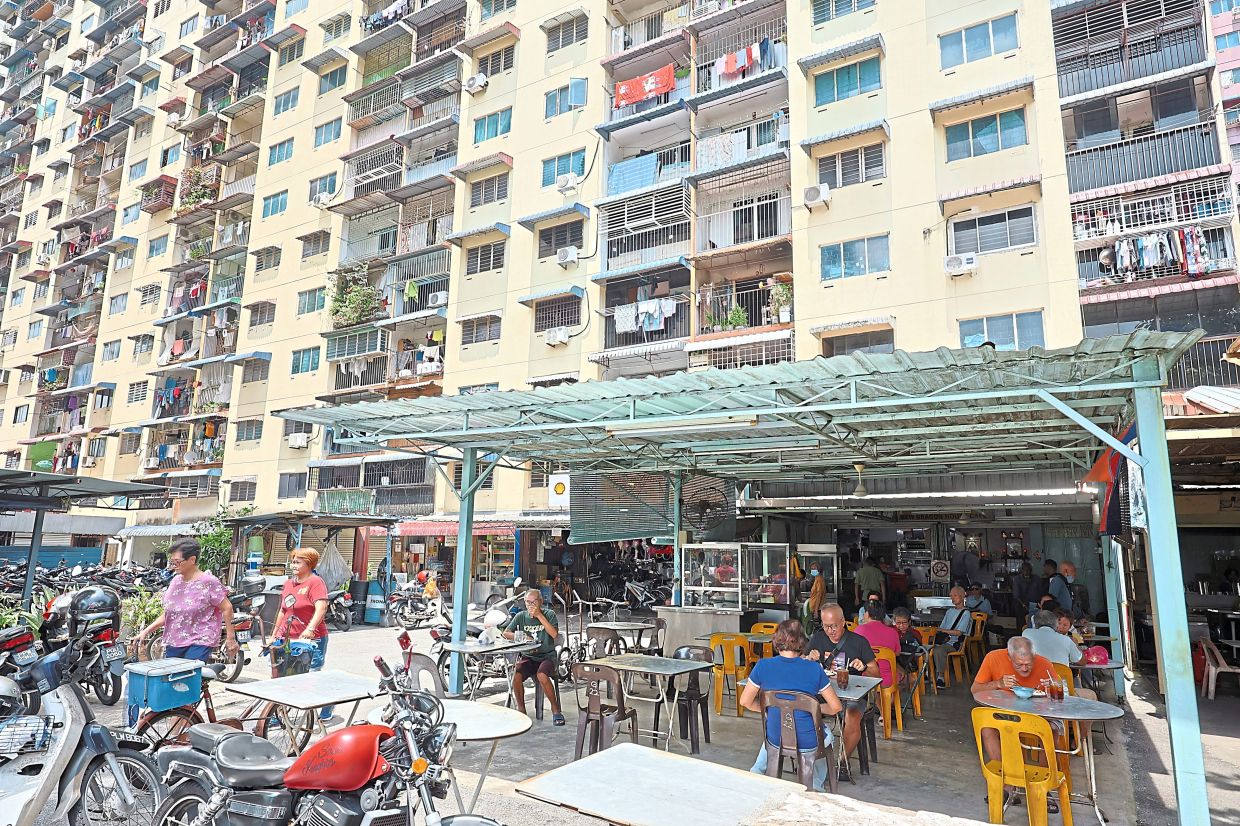
He said the urban renewal plan aimed to balance heritage preservation with modernisation.
“We can explore creative models such as phased redevelopment or heritage-inspired designs that protect both the spirit of Rifle Range and the welfare of its people.
“This approach will involve consulting residents to safeguard their right to remain within their community,” he added.
Addressing challenges
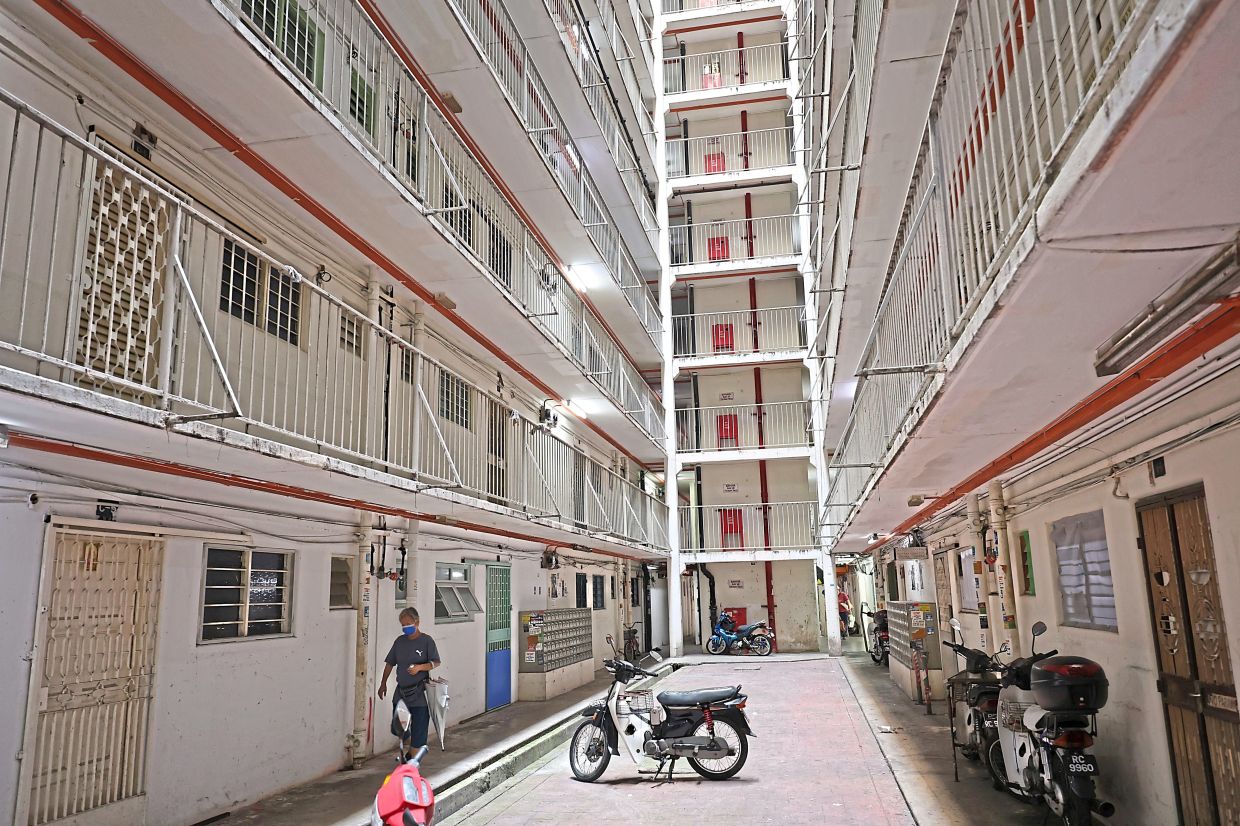
Built using the French Estiot System, the flats once symbolised Malaysia’s post- independence ambition to uplift the working class.
However, residents have long voiced concerns over maintenance issues such as faulty lifts, leaking pipes and inadequate waste management.
Safety is another pressing issue, with calls for improved lighting, increased CCTV coverage and stronger community policing.
Rifle Range Village Community Management Council chairman Loh Eng Kim highlighted structural concerns.
“Several issues have become evident, and the plumbing system is severely degraded,” he said.
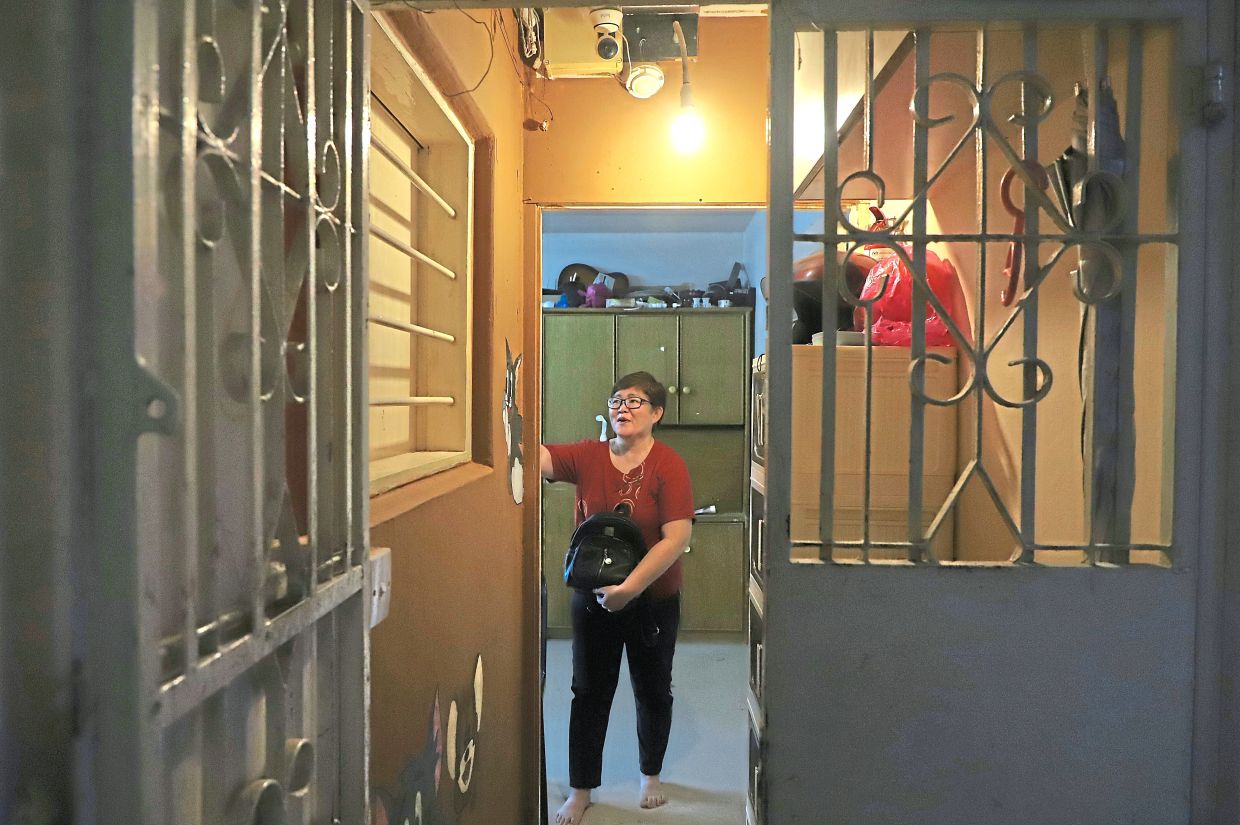
“A comprehensive rebuild or major refurbishment is necessary for residents’ safety and well-being.”
Loh also pointed out the inconvenience caused by limited lift access.
“Each lift only serves designated floors, and breakdowns severely impact elderly residents who form the majority of our community,” he elaborated.
Lee agreed, noting that the community’s needs extended beyond infrastructure to social services.
“Residents deserve a safe, well-maintained environment.
“Elderly residents need more support, children require safe play spaces and the youths should have access to educational and skills programmes,” he added.
Looking forward
“Rifle Range Flats met urgent housing needs after Penang lost its free port status and faced an urban poverty crisis,” he said.
“They provided a crucial safety net during a challenging time.”
On plans for urban renewal, Ooi hopes the flats will be preserved as part of Penang’s legacy.
“Having housed so many, it remains relevant today.
“If possible, I hope it can be given a makeover or upgraded, but not erased,” he said.
Ooi emphasised the importance of retaining the flats as a symbol of the state’s historical commitment to affordable housing.
“It is an artsy place worth retaining as a symbol of our history,” he added.
Lee elaborated: “Our goal is to ensure that Rifle Range Flats continue as a model of sustainable urban living.
“By collaborating with residents, we can create a future that honours the past while embracing progress.”
He stressed that the renewal plan would need to be carefully managed to avoid displacing residents and to ensure affordability would remain a priority.
“In the short-term, the state is committed to upgrading essential facilities such as lifts, repairing leaks and improving safety systems, as these are practical improvements that cannot wait.
“In the longer term, any redevelopment plan must be people-first.
“Residents must not be displaced, and the principle of a right to return must be guaranteed.
“We are also exploring models that will allow Rifle Range to evolve into a safer, greener and more liveable community while still preserving its identity and keeping housing affordable,” said Lee.