
SYAHIDAH Hazmi, 25, from Selangor, has been with the Artis Budaya Dewan Bandaraya Kuala Lumpur cultural troupe for nearly five years.
Over time, she has learned most of the traditional dances from across Malaysia, but says capturing their grace was still a work in progress.
“You can try to emulate the movements, but conveying the feeling is not easy. We just do our best,” she said.
Syahidah said it was not enough to just memorise the dance steps.
“As dancers, we need to understand the story and meaning behind each routine.
“You can’t simply mix and match, it must be authentic.”
Fellow dancer Amirul Fahmi Zulkifli, 33, finds that the most important thing is to respect the dance and the costume.
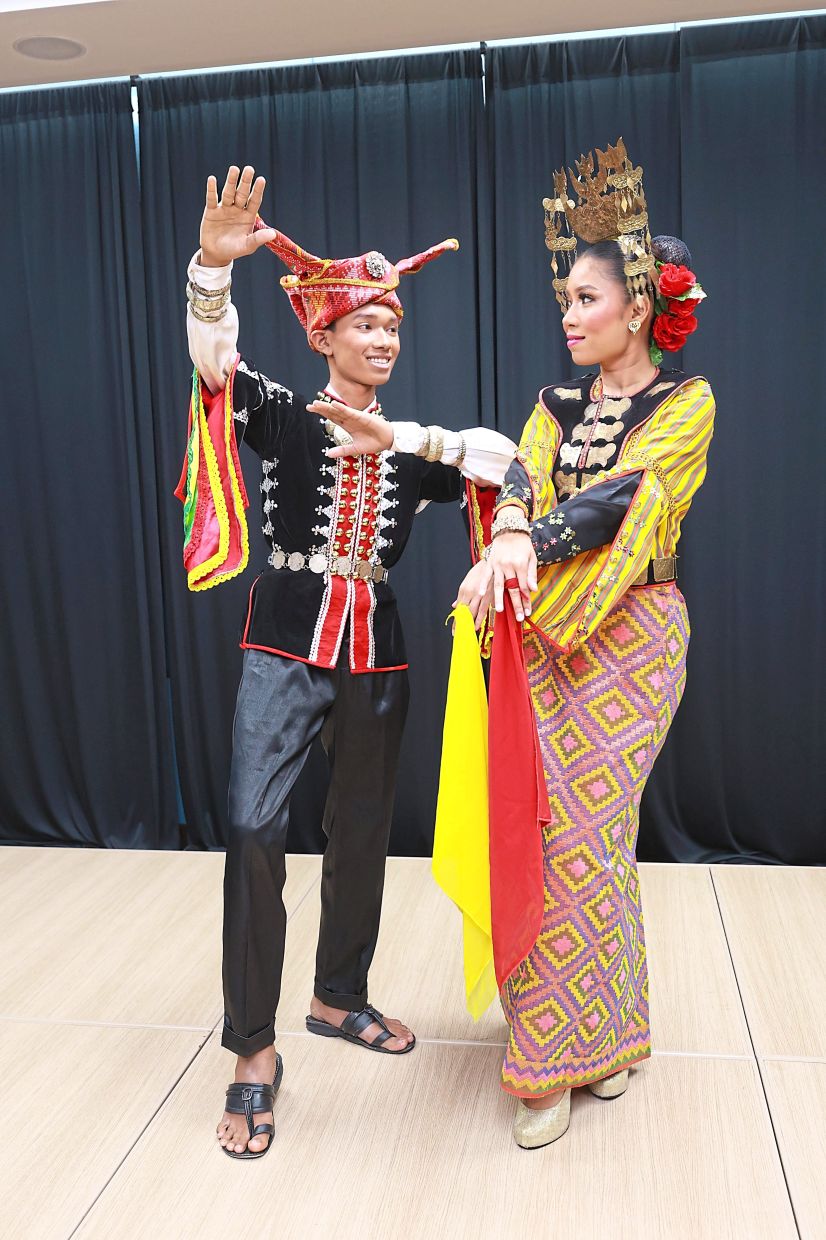
“When we perform traditional dances from Sarawak or Sabah, even if we don’t get everything perfect, we always make sure the costume is spot on.
“It has to be the correct outfit with the proper accessories,” he said.
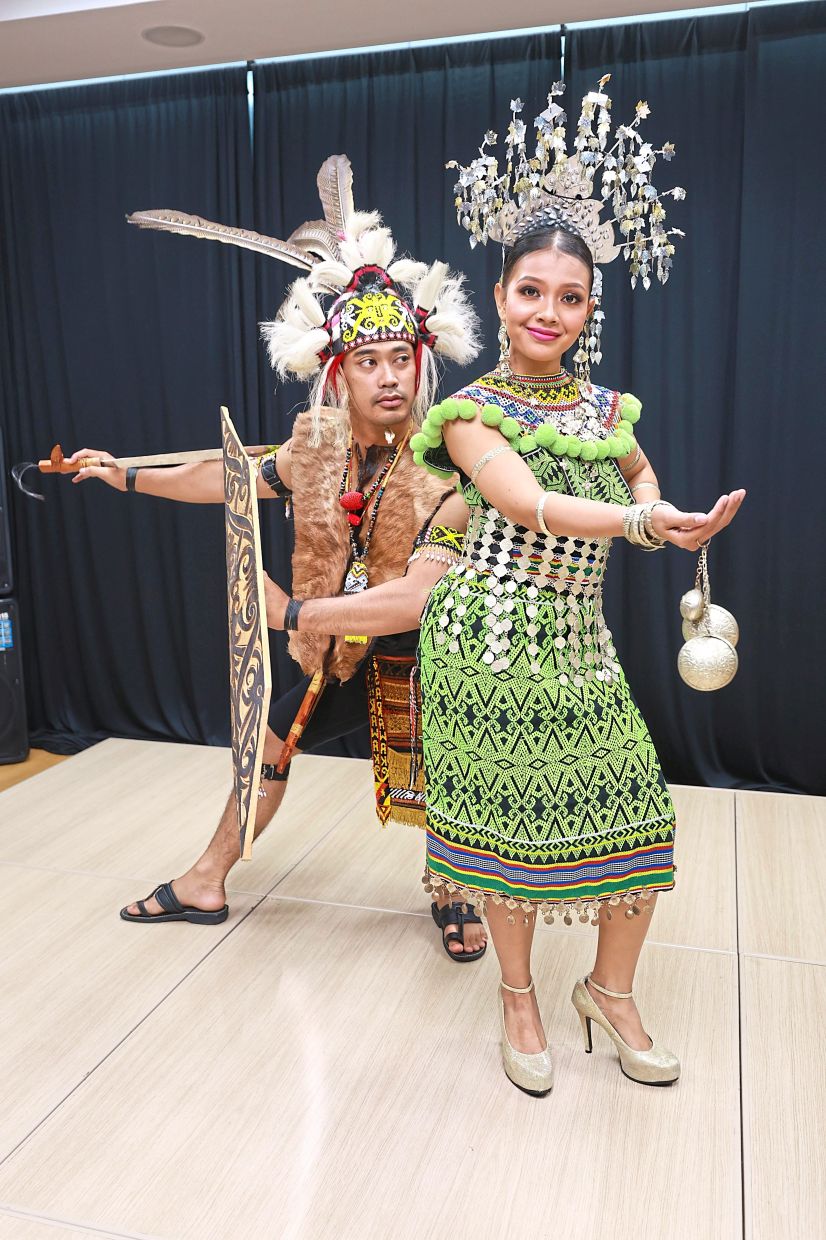
Recounting a performance at Dataran Merdeka in full traditional Sarawak gear, Amirul said Sarawakians approached him after the show and quizzed him about his attire.
“They knew what it was, but they wanted to know if we got every detail right,” he said, referring specifically to the intricate headgear.
“The feathers on the headgear are from burung kuang (Great Argus pheasant). Those long, patterned tail feathers are crucial, especially in Dayak dances.
“The headgear is elaborate but meaningful. It’s a big part of their culture, and we make sure to honour that,” he said.
When asked which costume was his favourite, Amirul replied, “Definitely the Dayak one, it’s the least hot!”
The Dayak men’s traditional attire consists of a bark or cloth vest, and pants made from animal skin.
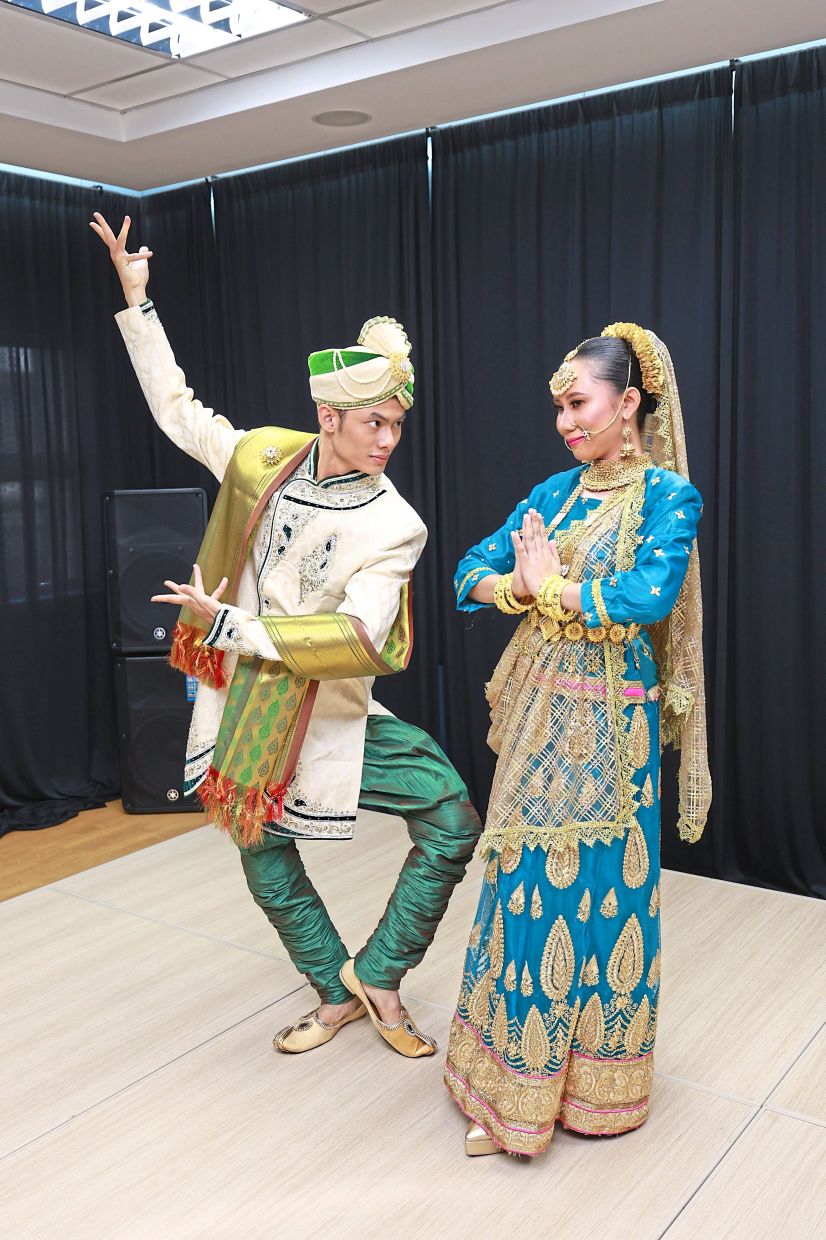
Syahidah and Amirul find classical Indian dance, particularly bharatanatyam, most challenging.
“I especially love traditional Malay dances like joget gamelan. It’s elegant and expressive,” said Syahidah.
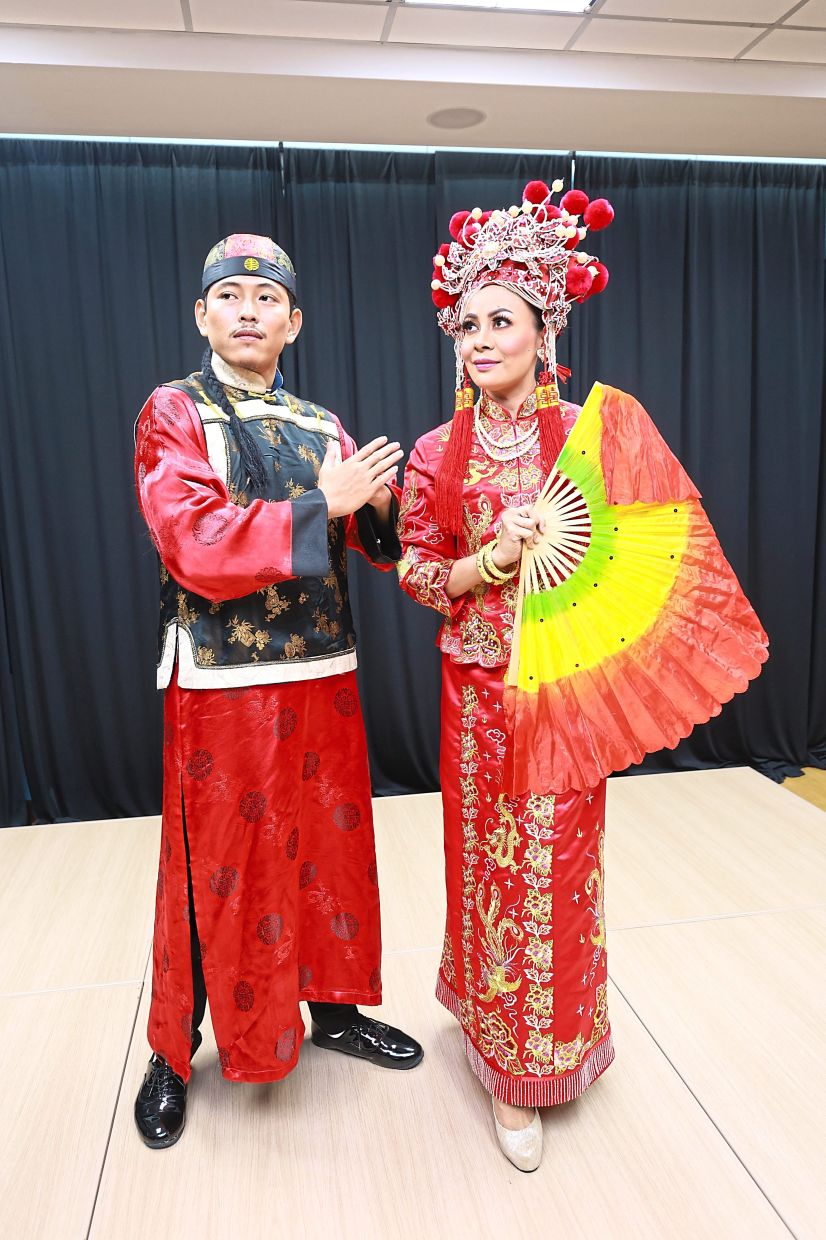
For 32-year-old Kesavaen Krishnamoorthy, Chinese dance is the most challenging, while his favourite is Bollywood dance as he finds it the most fun.
Ninie Marlina Ahmaden, 31, described dancing with ABDBKL as a dream come true, as she can travel regularly, something that would not be possible if she was working elsewhere.
Iznur Aireel Fauzi, 19, the youngest of the troupe, hopes to travel abroad for performances in the future.
“I am new and still learning, so I haven’t been assigned an overseas performance yet, but I’m hoping one day I’ll get the opportunity,” said Iznur.
“I enjoy dancing, and it brings me so much joy. I am proud to represent Malaysia every time I perform,” said Natasha Idris Silva, 41, who has performed across the globe.
“It is a wonderful feeling to be appreciated for our differences,” Natasha added.
Haslinda Abdul Halim, 36, from Ipoh, concurred, saying, “We experience that a lot when performing abroad.”
“The support we receive overseas really boosts our morale, especially when we are far from home,” said Adam Khaiqal, 31, from Selangor.