
Communities still celebrate together, live side-by-side in peace and harmony
DESPITE the passage of time, Tan Sri Wong Foon Meng is happy that his hometown of Ajil on the east coast remains a peaceful place where residents from Malaysia’s two main communities live side-by-side.
Ajil is a small town in the Hulu Terengganu district of Terengganu. It is located about 35km from Kuala Terengganu, the state capital.
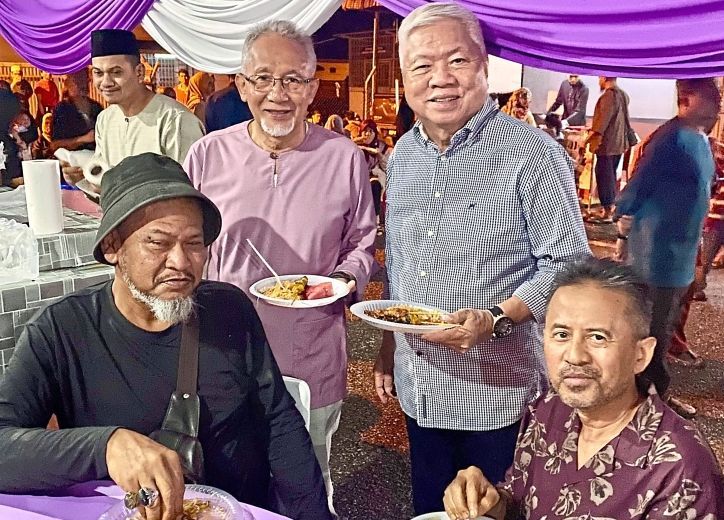
“Ajil’s population is predominantly Malay, but there are also Chinese people living and working there,” said Star Media Group chairman Wong.
“We were all able to mix well and live harmoniously, without judging people by their skin colour or ethnicity.”
During his childhood years, Wong said many of the local folk worked as rubber tappers, farmers or in areas related to the agriculture sector.
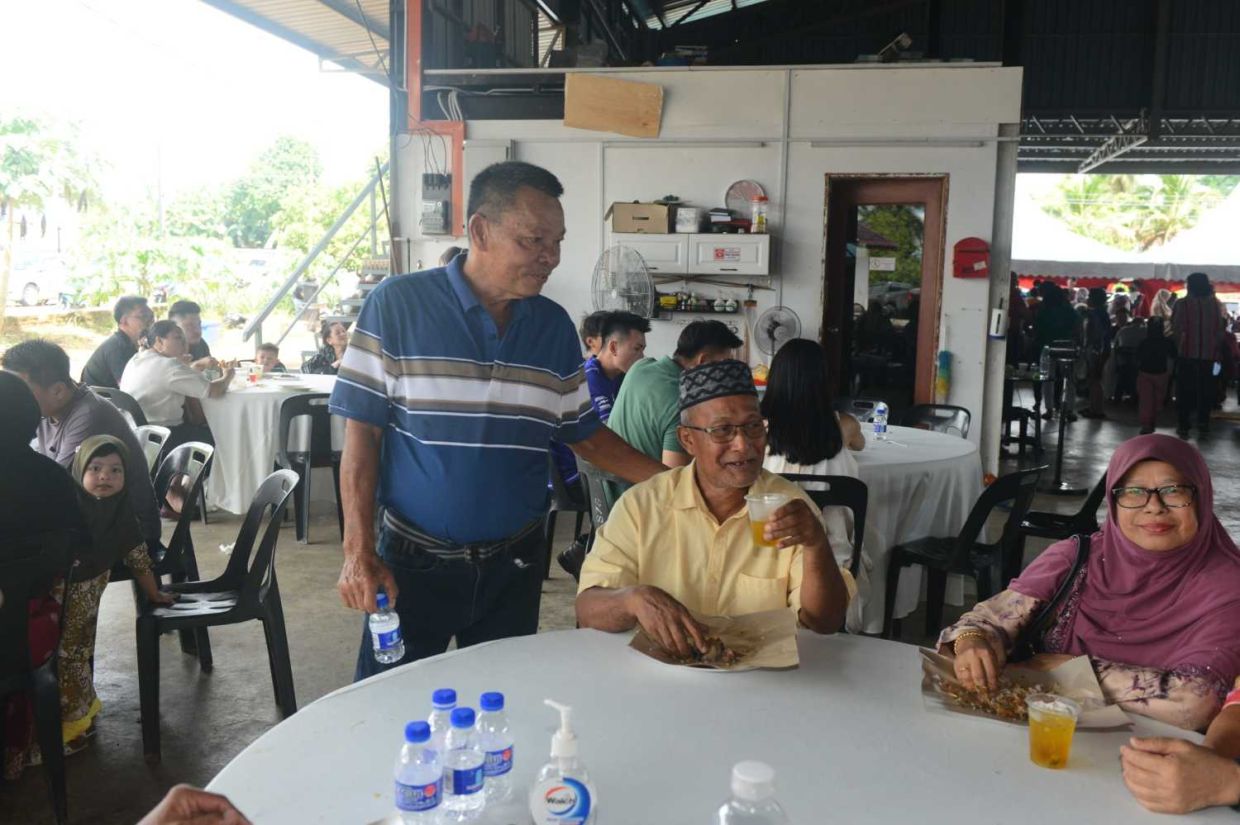
Some ran coffee shops, grocery stores or small businesses that catered to the townsfolk.
The establishment of a few sawmills later led to the blossoming of a timber and wood processing industry, which has become a large contributor to the local economy.
Wong was in Ajil early this month to join the Hari Raya Aidilfitri 2025 celebration held at Pasar Ajil, the main marketplace located in the town centre.
“The celebration was organised by some of my childhood friends and the local Malay community,” he said.
“Some of the Chinese businesses in town helped by donating cash to sponsor the event or electrical items for the lucky draw.
“The Malay and Chinese communities still mix very well and that muhibah spirit hasn’t changed since my childhood days,” said Wong, who is now based in Kuala Lumpur and still returns to Ajil every few months.
His friend Mohd Nasir Ismail said Ajil’s Aidilfitri celebration was traditionally an annual event, until the Covid-19 pandemic hit and stalled it.
“It was only revived this year,” said Mohd Nasir, who runs an insurance agency based in Kuala Terengganu.
“Seven out of my nine siblings also attended the celebration, as they returned to Ajil for Aidilfitri,” he added.
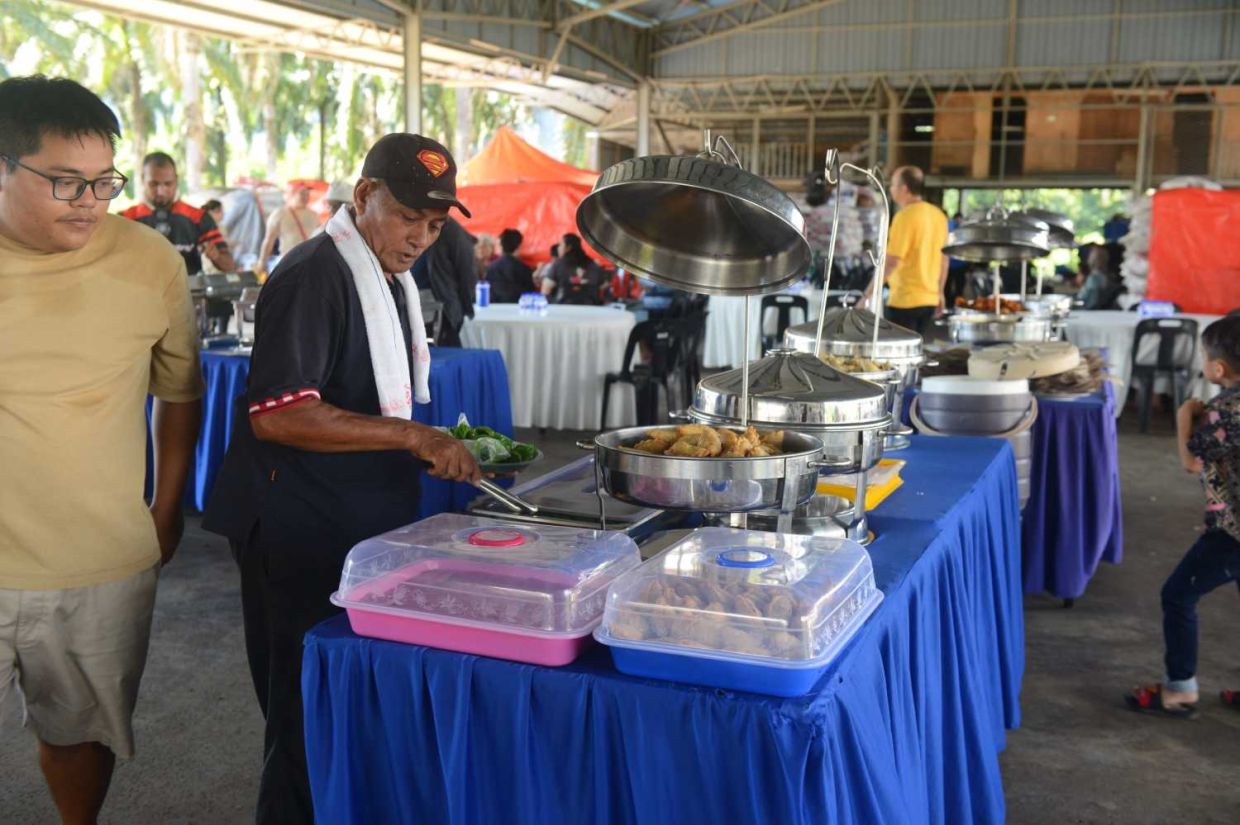
The Aildilfitri celebration featured Terengganu specialities such as nasi dagang, laksa Terengganu, tapai and nasi minyak, as well as festive dishes such as rendang and satay.
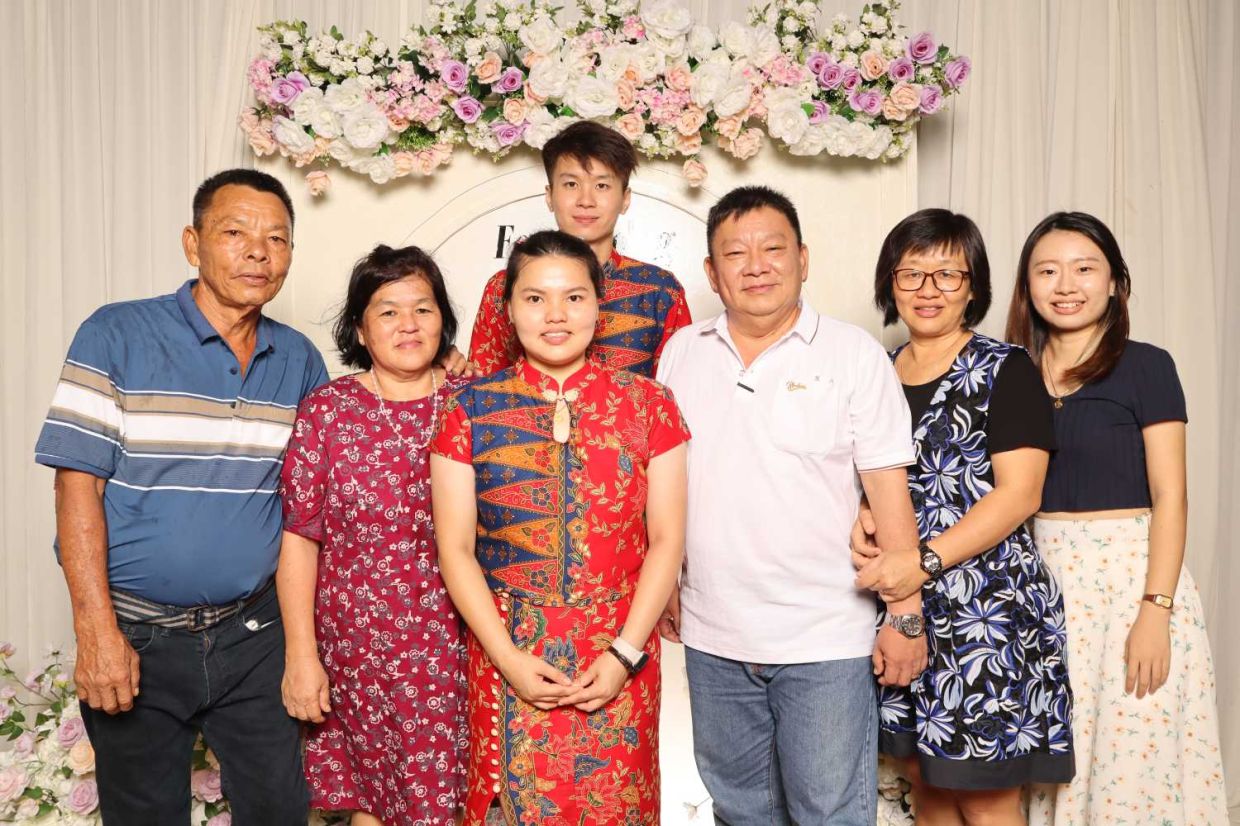
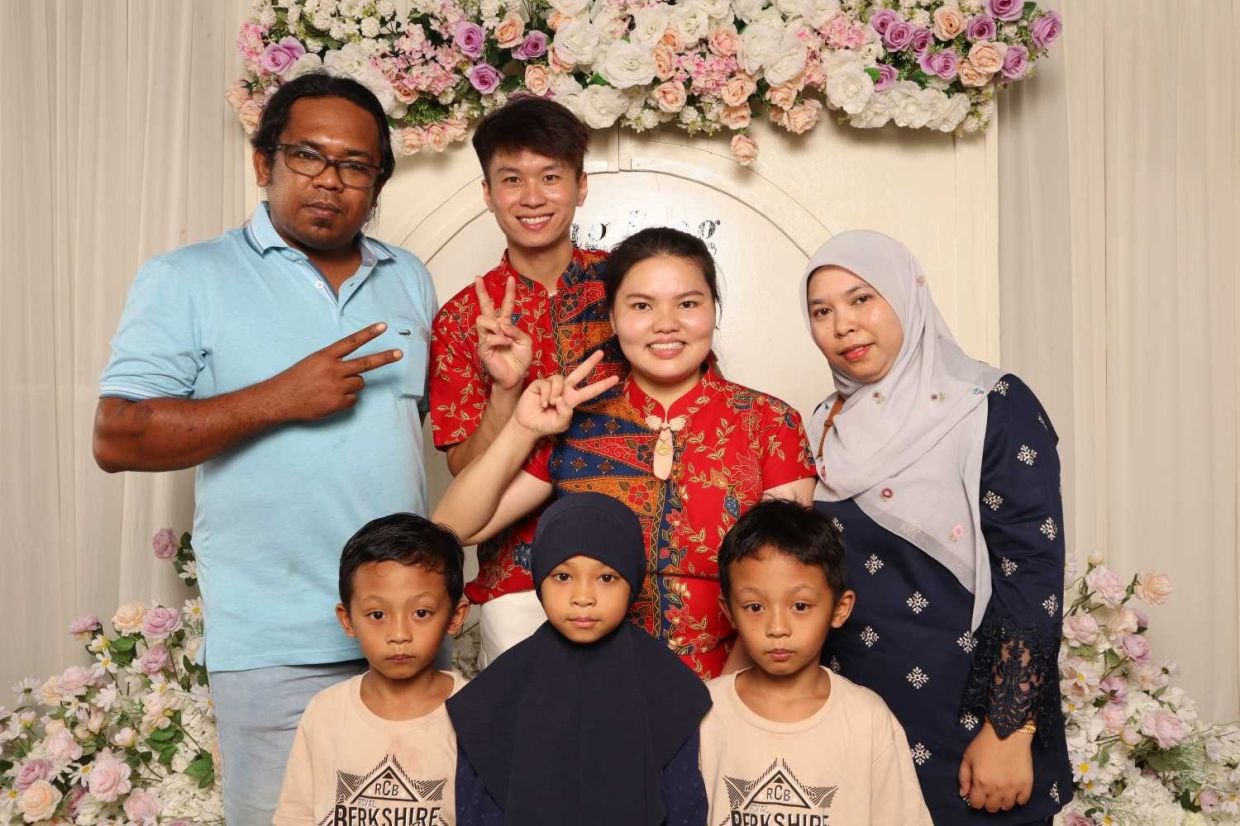
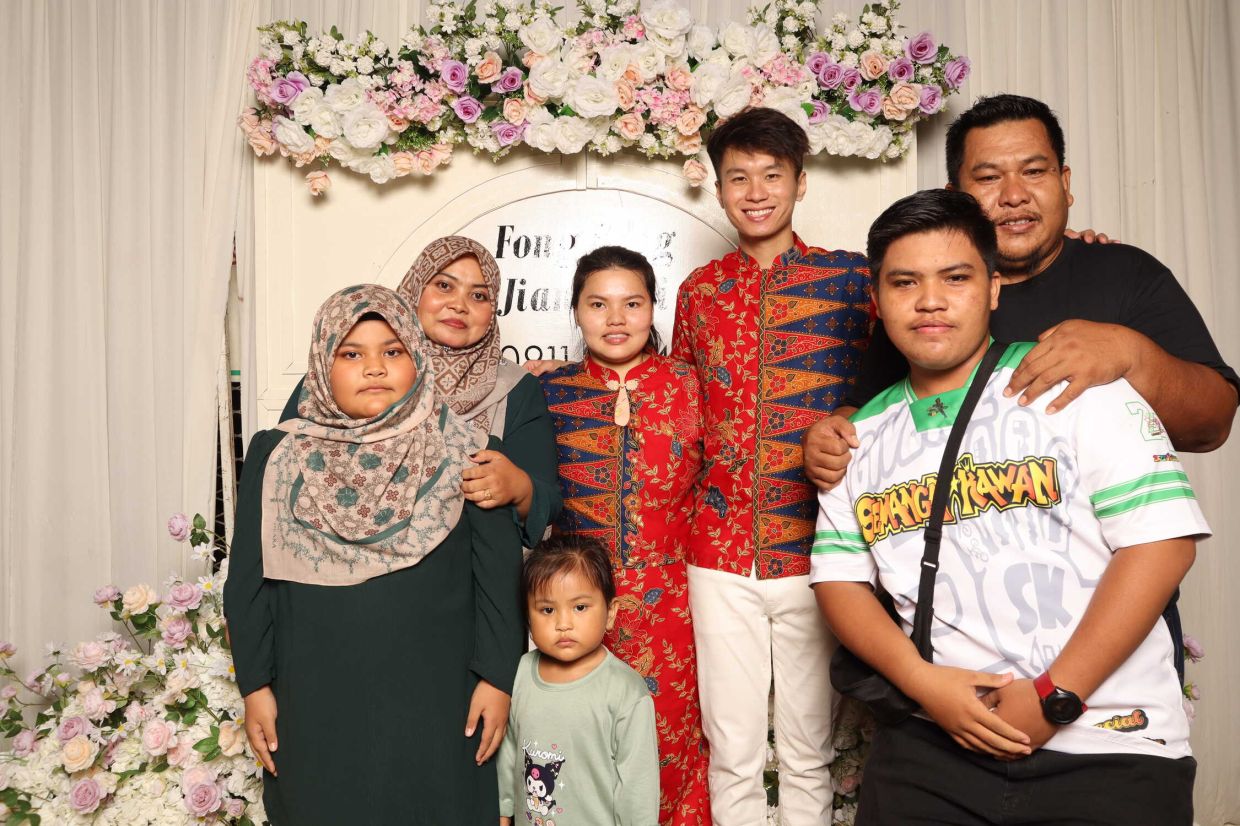
Wong’s friend Khaw Beow Khoon said when his daughter Fong Fong was married, his family held a kenduri for the wedding reception, instead of a sit-down banquet traditionally hosted by Chinese families.
“My son-in-law Cheah Jiang Wei and his family were surprised as they had never been to a kenduri, locally referred to as makan gulai, for a Chinese wedding before,” said Khaw, better known as Munil.
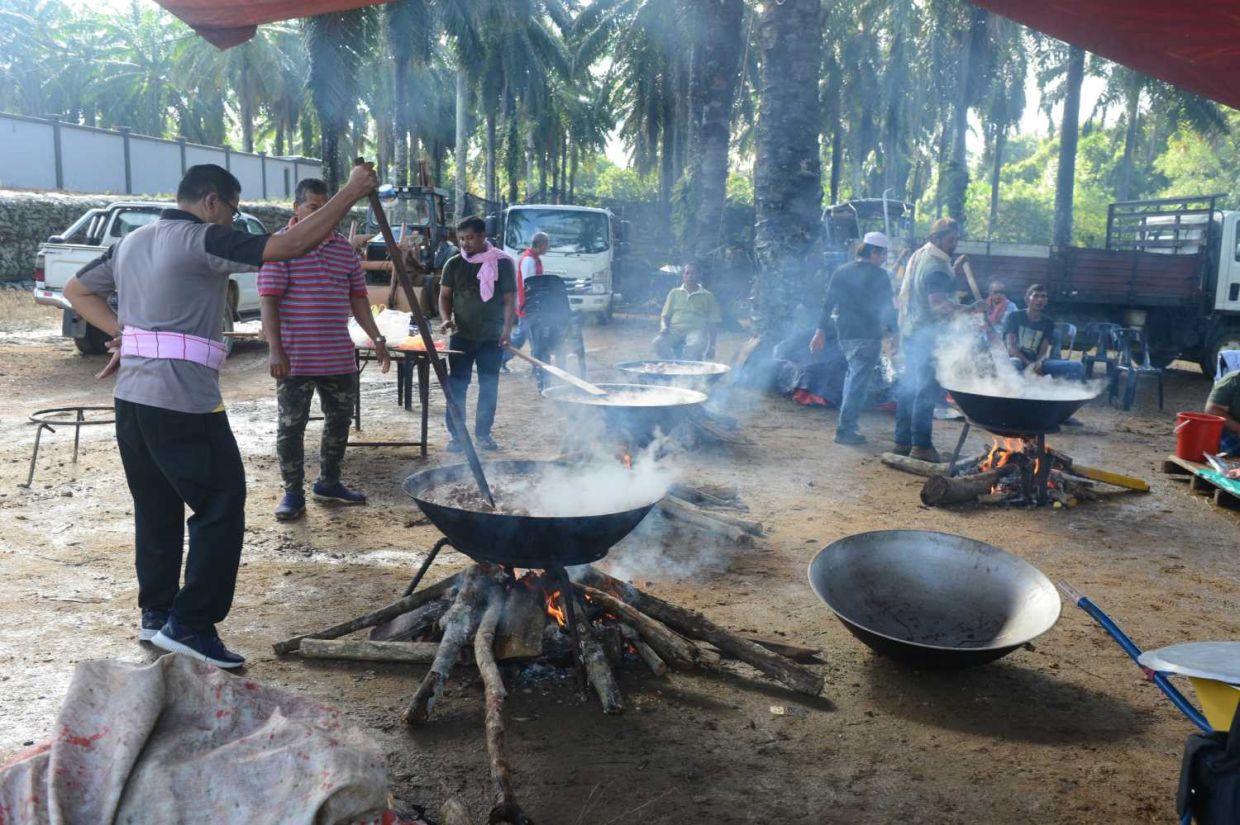
“They acknowledged it as something special and enjoyed the Terengganu specialities served at the reception.”
Munil said he bought five cows and six goats for the makan gulai held at his home in November last year.
“The makan gulai event was actually a gotong-royong by my local Malay friends,” said Munil.
“Besides cooking on site from as early as 6am, some other friends contributed dishes such as ulam, budu and kuih.
“We also hired local food traders to serve unlimited ice cream, freshly made keropok lekor and apam balik, as well as air balang throughout the event.”
The businessman said more than 2,500 guests attended the banquet, including business associates and old friends whom he had not seen in a long time.
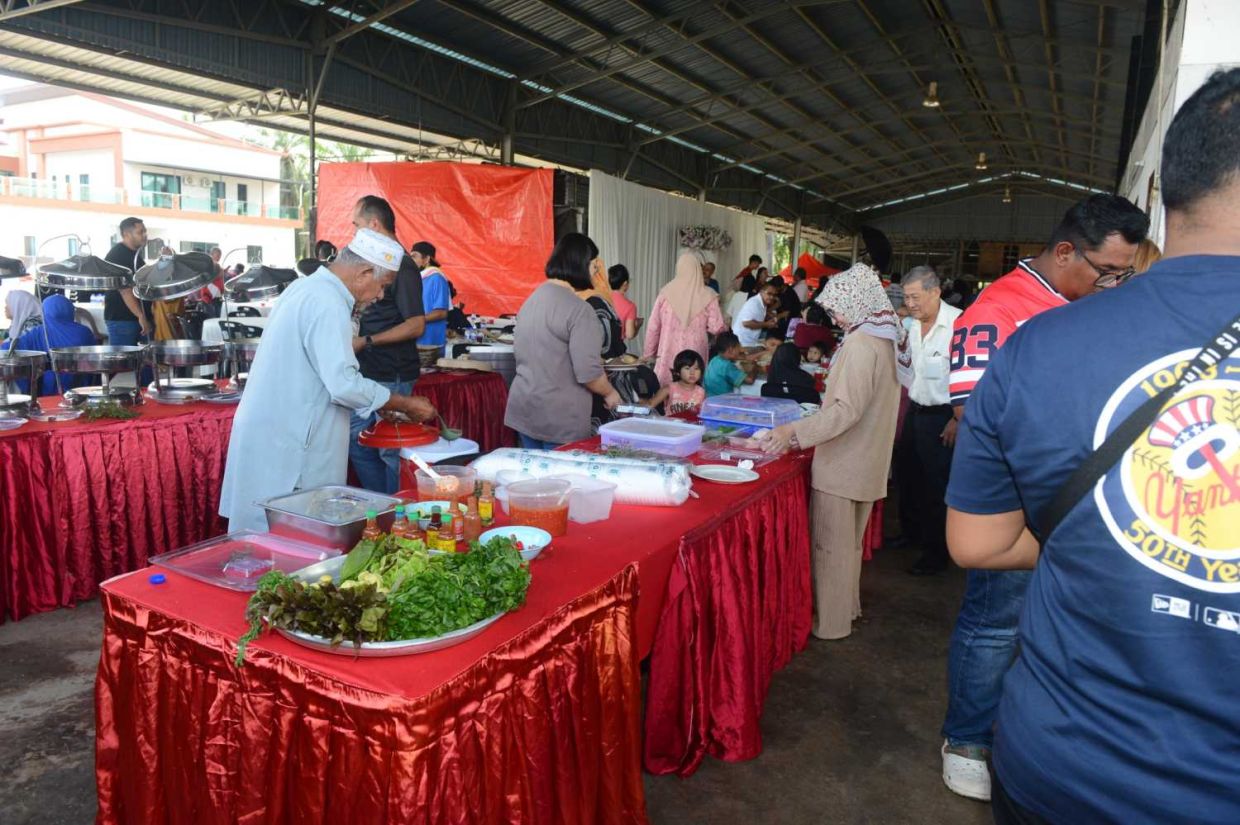
“My family decided to have a makan gulai since we wanted to follow the local way of hosting communal feasts.
“The local Chinese people who attended were also familiar with eating with their hands.
“The Malay and Chinese guests had fun mingling and eating.
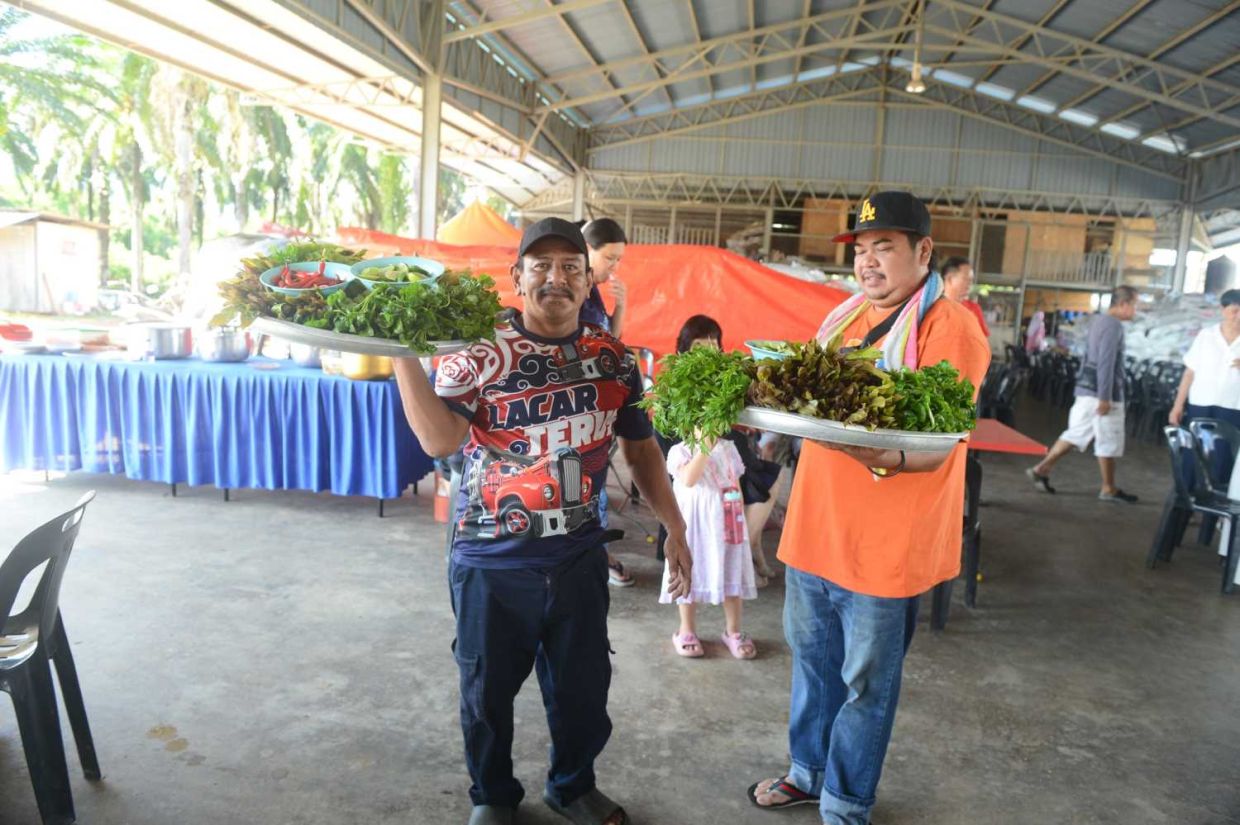
“It was also an opportunity for some of them to catch up and reunite with old friends,” said Munil, who runs a fertiliser supplier business located just outside Ajil.
He added that the banquet featured dishes such as Ikan Baung Masak Tempoyak, Ikan Singgang Terengganu, Gulai Daging and Kari Kambing.