



IT’S 10pm and gaggles of excited people are on a platform at Kuala Lumpur Railway Station, eagerly waiting to board their train.
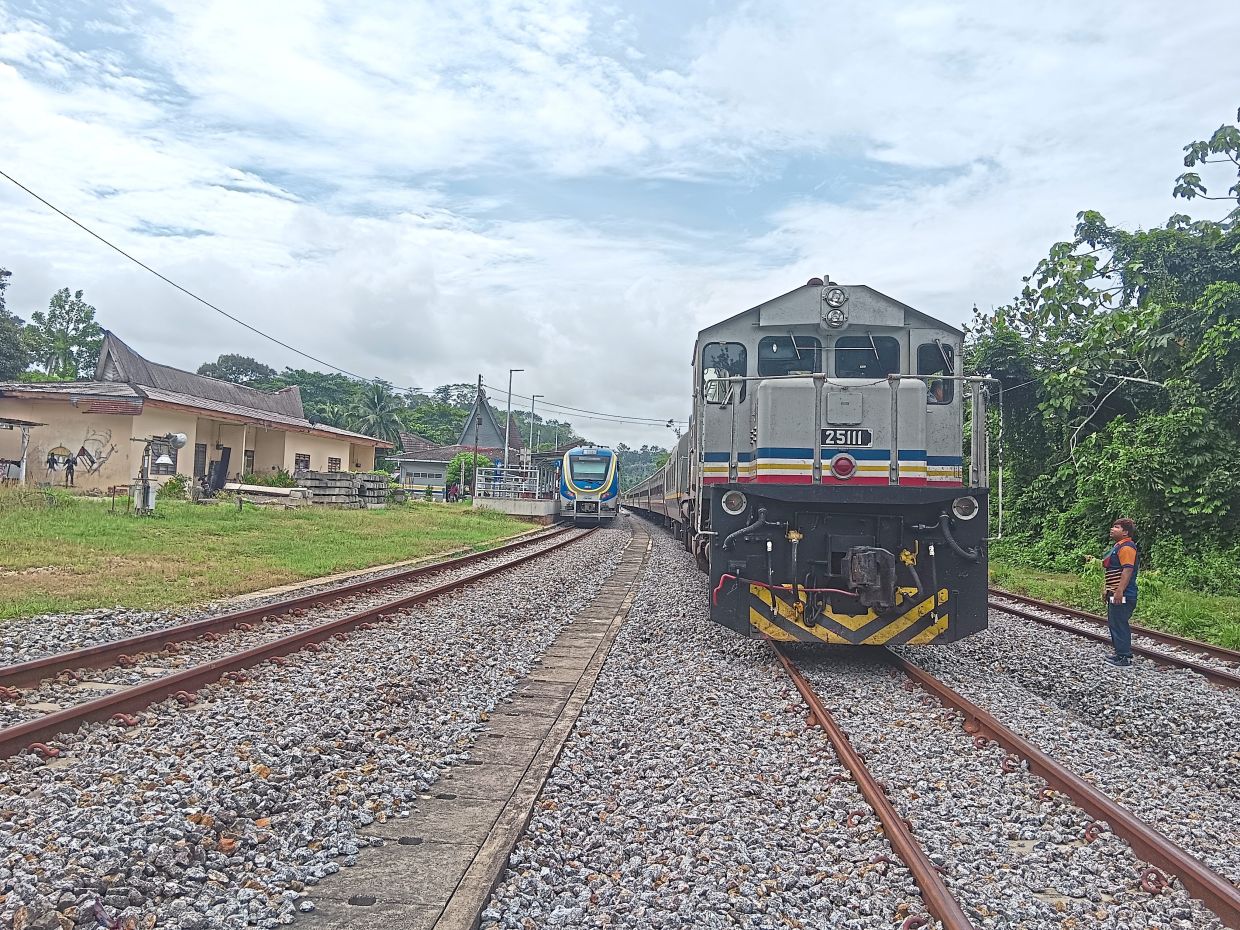
On the track is diesel locomotive 25111 named Pulau Redang, heading a private charter trip.
The destination: Wakaf Bharu, Kelantan.
It harks back to KTM Bhd’s now discontinued Ekspres Wau plying the Kuala Lumpur-Kelantan route, and this is the basis of the special four-day train ride – a journey of nostalgia and appreciation for Malaysia and her trains
The private charter is the work of Hassin Hussin, better known as Pocik (the Kelantanese lingo for pakcik, or uncle), specially for the “Jom Naik Keretapi” (JNK) brand, which roughly translates to “let’s go on the train” or, in the American parlance, “let’s ride the rails”.
As the passengers sign in at a makeshift reception desk on the platform for their boarding passes, Hassin welcomes everyone with a hearty hello, a number of whom he has met before.
This is JNK5, the fifth and most recent in the private charter series, and some faces are familiar having joined since JNK1 in 2022.
There are also new faces, drawn in by online reports and photos, and by word of mouth.
“JNK was born out of appreciation for our trains,” said Hassin, 49.
Initially, it was a group made up of Hassin and his friends who visited depots, went on rides and talked about the technical aspects of locomotives.
Then, as you are yawning now, so were others. Hassin thus decided to open up discussion on social media for the not-so-technical side – visuals, destinations and reminiscence about trains.
“We started the ‘Jom Naik Keretapi’ group on Facebook to not talk tech, but about trains and life, and share old photos,” he said.
The page also became a fount of information for almost all things surrounding Malaysian train journeys, including the whats and wheres of the best food around the country and how to get there.
Hassin said he started organising trips utilising normal train services and destinations, just to enjoy being on the track and seeing the sights.
Poignant moments
Things changed when KTMB opened a new charter service, allowing JNK to go farther, as well as start and stop at almost any station.
The attraction of JNK trips, Hassin said, included the mode of transport, destinations, stopovers and the most iconic structure in the capital – the Moorish-inspired Kuala Lumpur Railway Station.
This is where, for more than a hundred years, train journeys began or ended.
“In the older days, whether you came to Kuala Lumpur to work, study or to just run away from problems, you might have passed through the Kuala Lumpur station,” said Hassin.
The first trip Hassin chartered was called “Nostalgia Stesen Kuala Lumpur”, right after the Covid-19 movement control order.
“It was just to make the senior citizens happy,” he said of the three-day trip to Kelantan.
“When I was arranging the charter, KTMB staff wondered why we didn’t start from KL Sentral, but I wanted to make it nostalgic,” he said.
And the reminiscence is poignant.
“A guy leading a family of nine came up to me and said, ‘I brought my father and my children along so that we can experience this together.’
“Another passenger told me that he had been through Kuala Lumpur Railway Station as a child, but when the public could no longer access the station, he would stop by on his motorcycle and just sit outside for a moment, remembering days gone by,” Hassin said.
Old and new sights
As the JNK5 passengers board the train, they seek their reserved spaces, some in the First Class and Second Class seated sections, and some in the sleeper carriages.
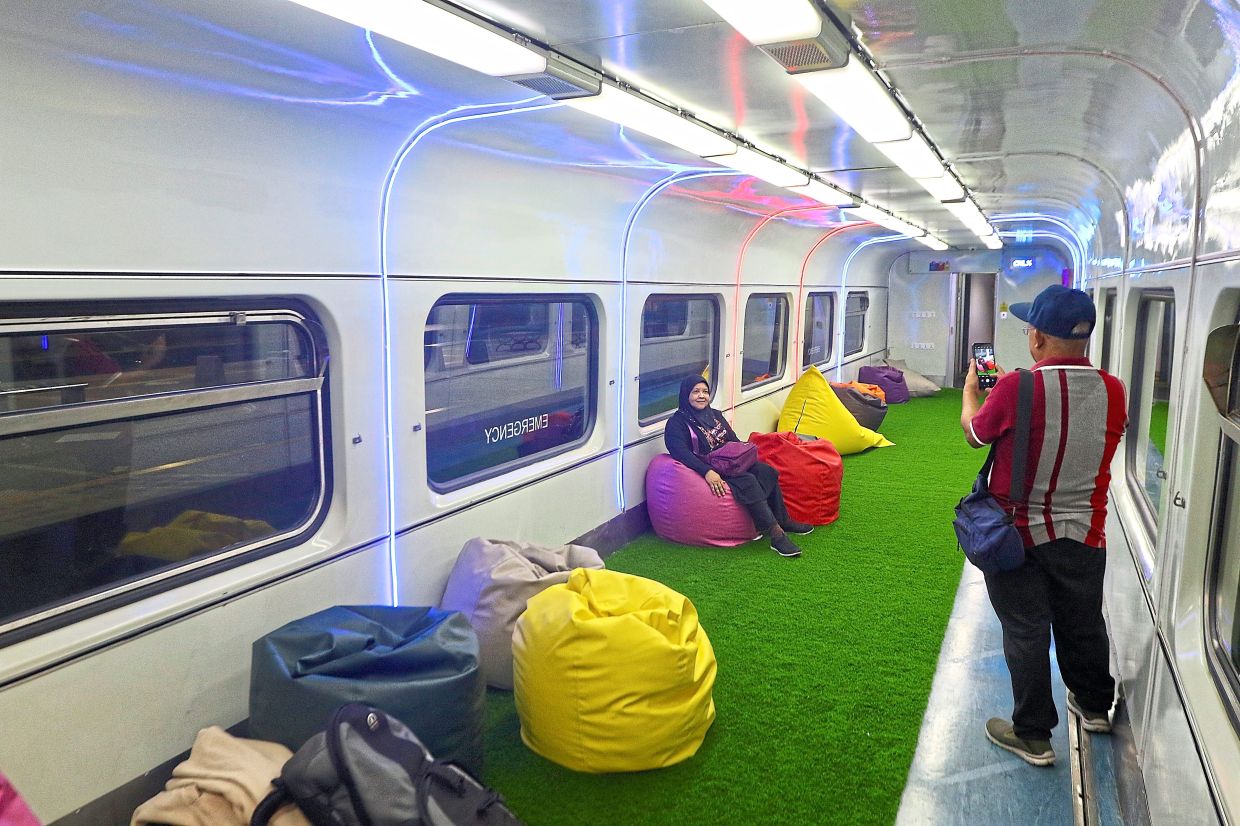
Some are also staking their claim in the “chillax” space, which are open coaches with TV sets and bean bags for them to stretch out and relax.
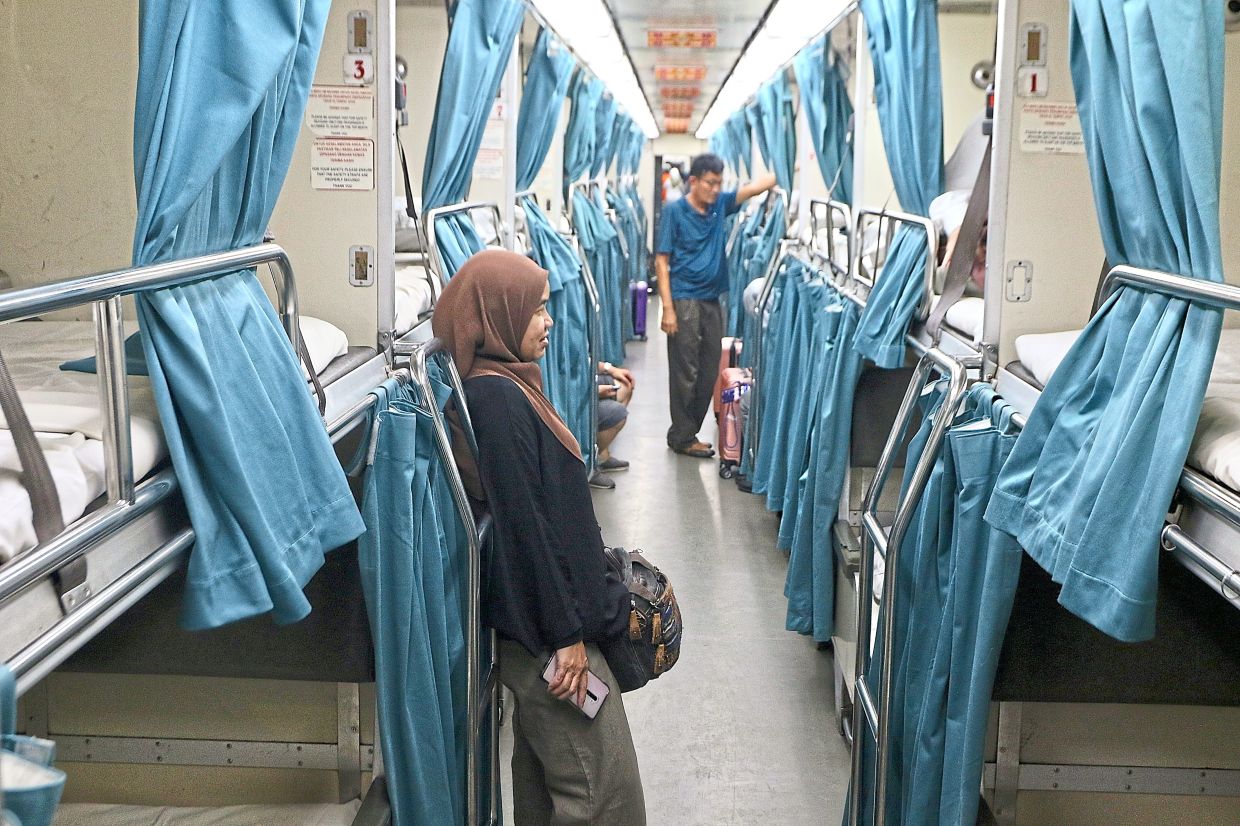
In one of the four sleeper carriages, Maznah Abu Bakar, 54, is settling into her bottom bunk, making sure her mother Siti Ajar Zakaria, 73, and aunt Zakiah Zakaria, 64, are similarly comfortable in theirs.
For Maznah, a human resource executive, the ride is a throwback to her childhood in Pahang.
“We took the train from Jerantut to Kuala Lipis, which was a bigger town, for shopping,” she said of the east coast line that was one of the main modes of transport in rural Malaysia in the 1970s.
Though she had not taken the train in years, when she heard about JNK5, Maznah was eager to join, convincing her elder female relatives to go along.
“It was a nice journey, with plenty of time to rest or chat with new friends.
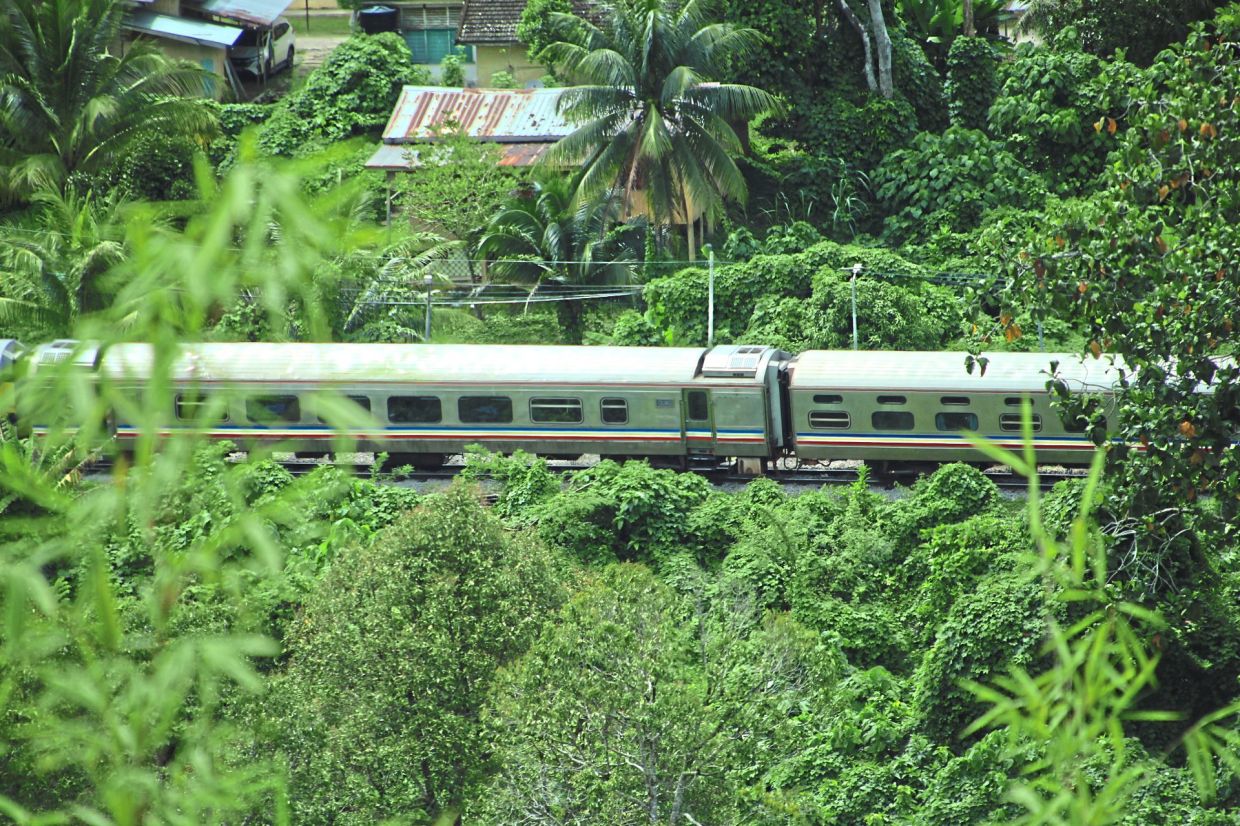
“I really enjoyed the scenery with the forests and rivers. I found the berth comfortable and slept well,” she said.
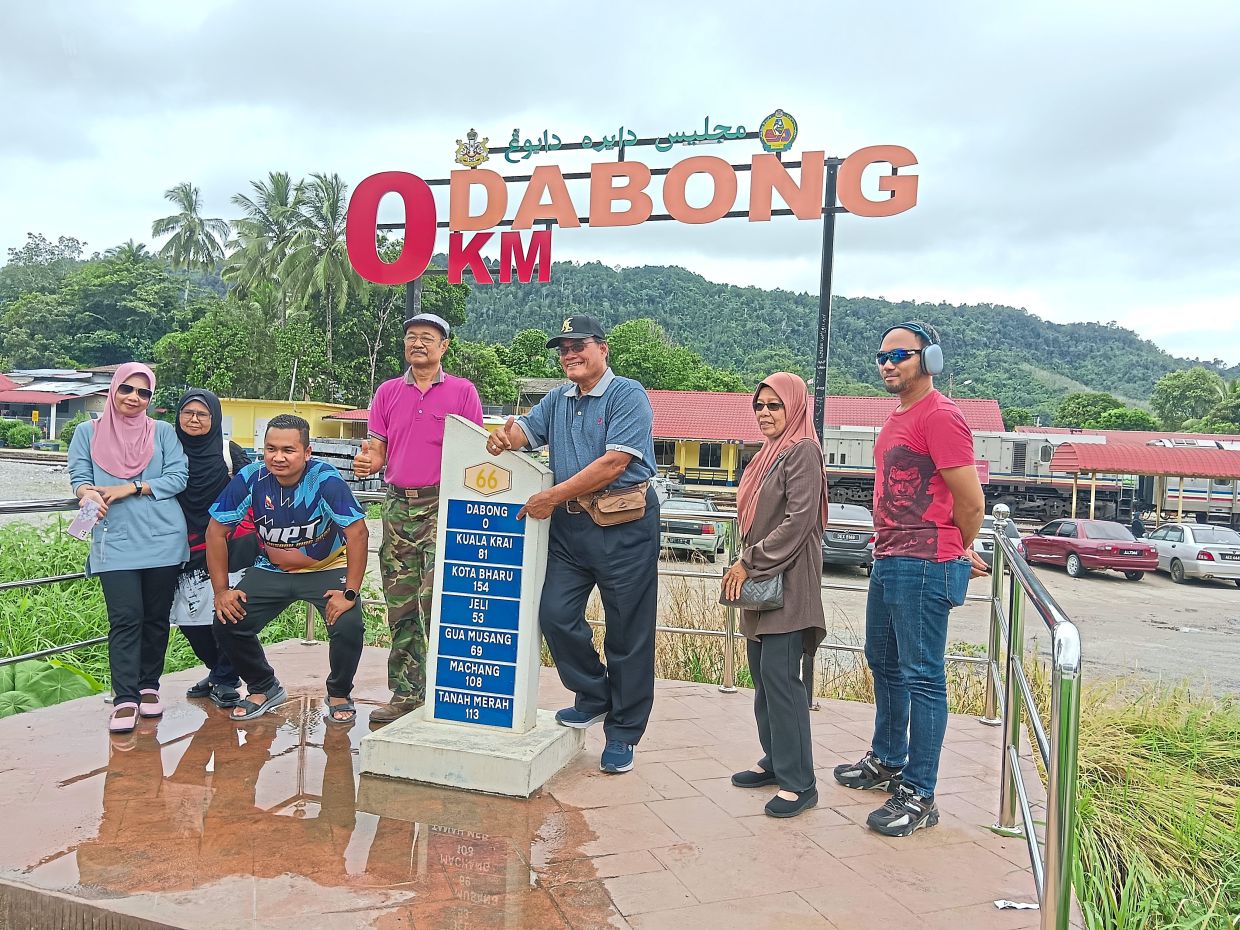
JNK5 also featured a half-day stopover in Dabong, one of the previously sleepy towns in Kelantan that has recently seen a tourism boost.
Maznah remembered visiting Dabong in 2003 with her office colleagues to trek up Gunung Stong as part of their training for Mount Kinabalu in Sabah.
They had taken the express train to Gua Musang, then transferred to the local train that serviced the many small stops for residents, schoolchildren and intrepid travellers, though there weren’t many of the last group.
Cars were arranged to transport the hikers to the multi-layered Stong waterfall (also known as Jelawang waterfall) that marks the foot of Gunung Stong.
“Dabong didn’t have many other attractions then,” said Maznah.
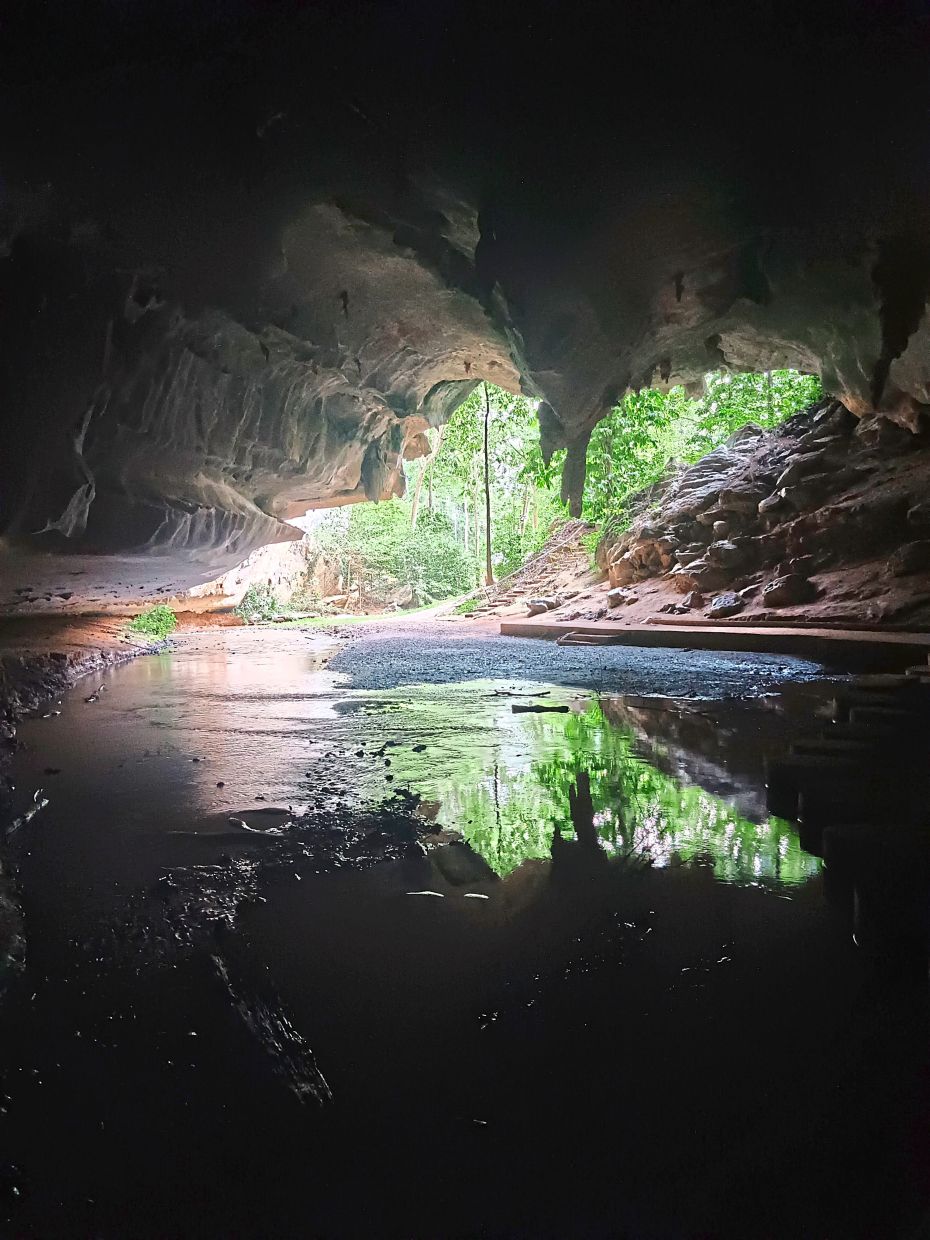
This time around, with some 20 cars and guides taking the 143 train passengers on a tour during JNK5, they visited cottage industries producing popular snacks like mini karipap and popia simpul, 150-million-year-old limestone caves, an adventure spot featuring flying fox, as well as roadside eateries serving mee udang galah. The group also enjoyed lunch by the river.
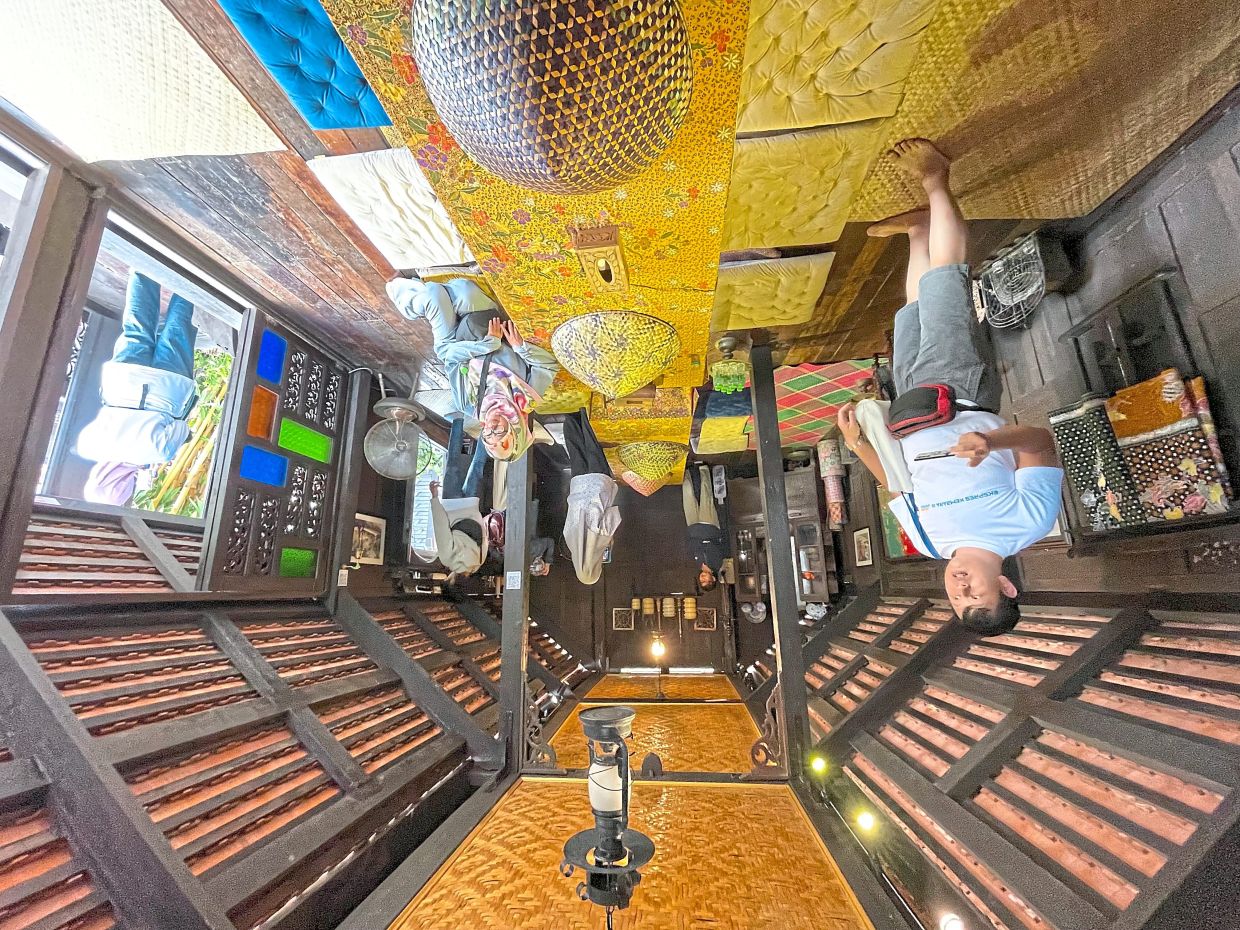
The JNK series has also visited a raft of attractions in Kota Baru, such as Pulau Suri and its floating markets, Kampung Laut Cultural Heritage site, Pasar Siti Khadijah and the traditional Kelantan house Rumah Tiang 12.
Passengers were entertained too with silat and traditional music performances.
Under JNK5, passengers also enjoyed a 30-minute stop in Hassin’s hometown of Temangan in Machang, Kelantan.
“This was an experiment where we didn’t plan any tours,” he said.
Instead, the passengers got off the train and hit the nearby market for fruits and vegetables, coffeeshops for snacks and hot drinks at prices unheard of in big cities, and little wooden grocery stores dating back decades.
Hassin believes such stops can boost the economy for little railway towns in the east coast state that are dying a slow death.
Memorable journey
Hassin has big plans for the JNK series in the future, despite facing challenges including travel delays due to train crossings and derailment.
The biggest hurdle he faces, though, is getting the younger generation onboard.
While there are some youngsters tagging along with parents, he has not managed to capture the young travellers market.
“The older people love JNK tours if not for nostalgia, then for catching up and chatting all night,” said Hassin.
“Some see friends they had made from previous trips, so they sit and chat in the dining carriage or the chillax space.
“When I tell a younger person about JNK, the first thing they ask is, ‘What are we going to do for 12 hours, just sleep?’
“I tell them, ‘the whole train is ours, you can walk from one end to the other and talk to everyone’.
“But they’re more interested in the destination and not the journey.”
Making it even less appealing for the young ones, the train does not have WiFi, while in some sections of the jungles of Malaysia, there isn’t even cellphone service.
For solo traveller Emirin Kasah, 40, the train experience and disconnect are what he seeks.
The manager at a multinational corporation joined JNK1, JNK3 and JNK5, and has already signed up for JNK6 which sets off for Hatyai, Thailand, in July this year.
The self-confessed introvert said he found out about the JNK social media group in 2020, sharing photos of his train journeys, and when Hassin proposed the first charter, he got onboard immediately.
“I joined for the ride and loved it,” he said.
The late bloomer only took his first train at age 18, riding the Senandung Langkawi overnight to Perlis.
When he went to university in Nottingham, the United Kingdom, trains with student saver fares were lifelines to get between towns, cities and even to London, and he started to appreciate rail journeys.
Then came travels during his career that included touring Taiwan by rail, enjoying the Shinkansen (bullet train) in Japan and seeing Indonesia through the windows of the high-speed train from Jakarta to Surabaya.
Having also ridden from Kuala Lumpur to Bangkok jostling in “cattle class”, Emirin finds the JNK trips well-organised and comfortable.
“I chill out in my bunk listening to music and venture out to the dining carriage whenever I feel hungry,” he said, adding that cup noodles in a moving train was a comfort food.
Emirin said he would chat with the other passengers if the mood takes him.
“Otherwise, you can just close the curtains to your bunk and enter your own world.”
He fully encourages the younger generation to take on such an experience.
“You should go offline once in a while, bring books or music along and disconnect.
“For those who like to talk, you can chat with the seniors. They are more than willing to share their life experiences or stories about trains and train rides.”
For the love of trains
Despite being a money-losing venture, Hassin does not plan to quit on the JNK community.
The train charter trip costs in the hundred thousand ringgit range, and he needs to fill all the spaces to break even.
The trips have seen top bunks in the sleeper carriages empty as seniors cannot access the upper berths climbing a narrow ladder.
“I have lost money on each trip,” he said, adding that he had to sell his car to cover the costs of the first charter, with JNK5 looking at a RM25,000 shortfall.
On JNK3, last-minute cancellations forced a whip-round, with passengers helping to contribute towards food costs.
The JNK bookings are now made with payment up-front and supplemented by Hassin’s other ventures, but he still has some coaxing to do to get the younger generation onboard to fill the upper berths.
His next test is JNK6 on July 4 to 7, from Kuala Lumpur to Hatyai, with visits to the famous floating market, Pattani and Songkhla.
Hassin also plans to arrange a five-day trip from Kuala Lumpur to Johor Baru, and then up to Kelantan with stops in Dabong and Temangan.
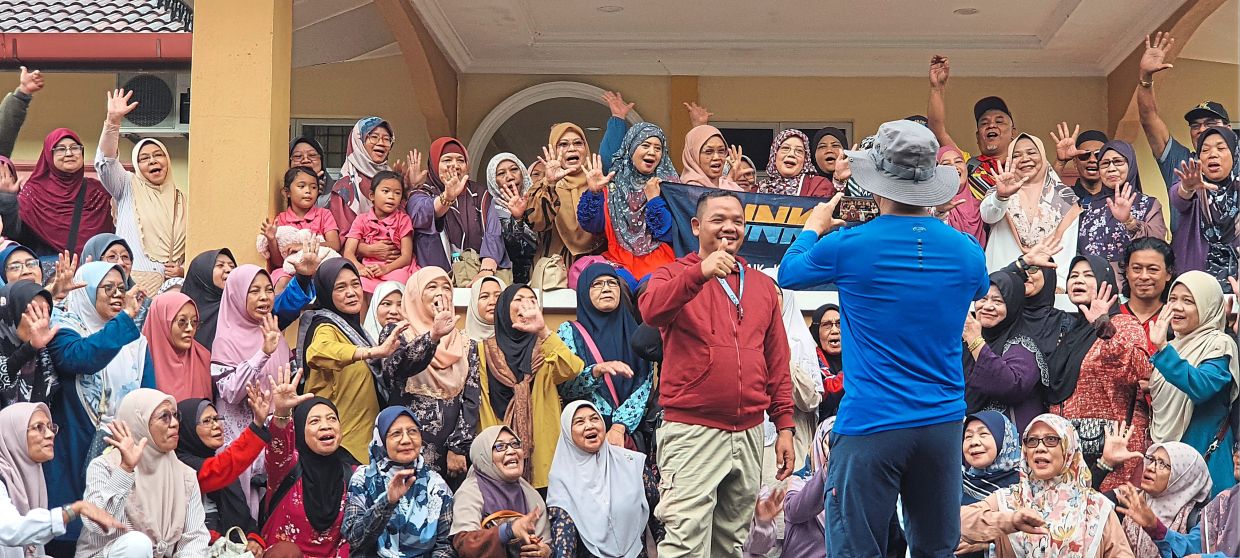
With promotions being done on the “Jom Naik Keretapi” Facebook page, alongside a dedicated photographer to help take photos on each trip, he hopes his guests will spread the word, share photos or make videos to keep alive this community of people who love trains.
And if you’re one them, Hassin has one last thing to say: “Jom. Let’s go on the train.”
