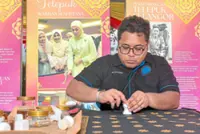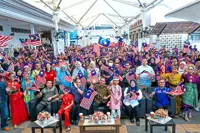
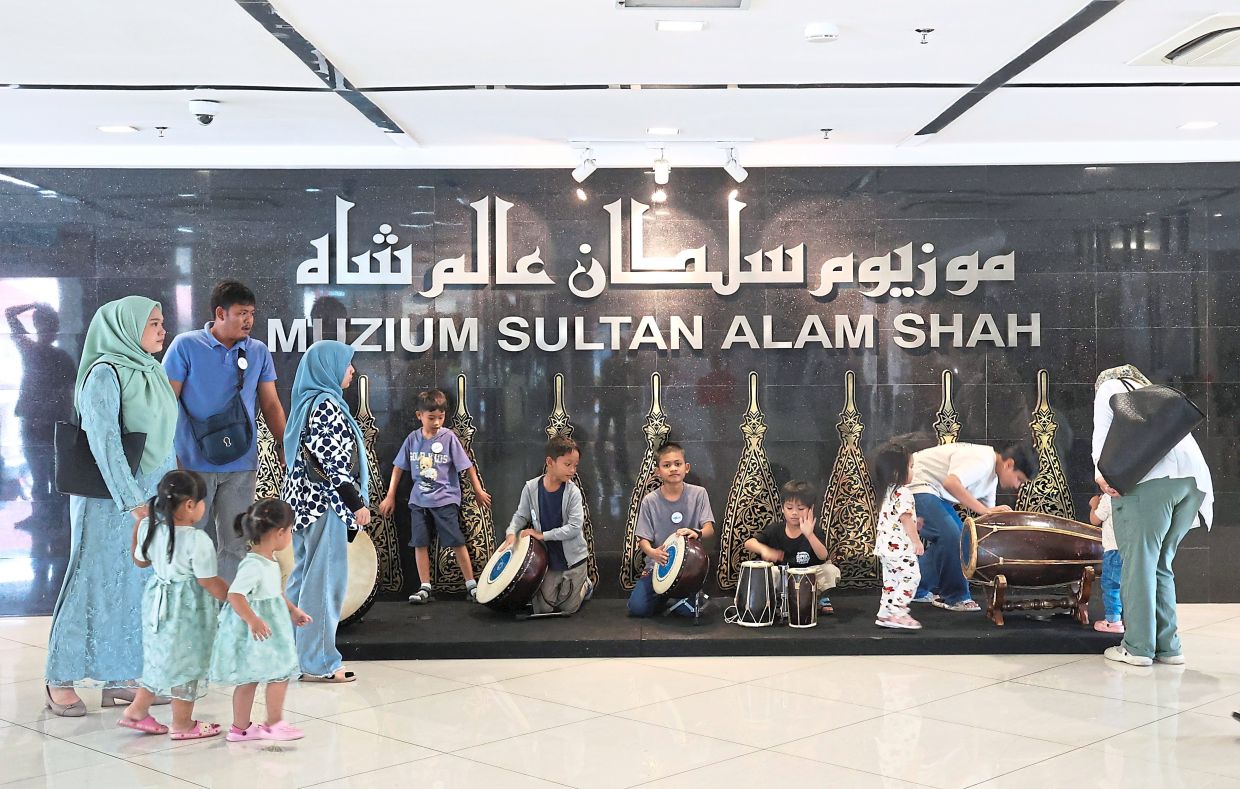
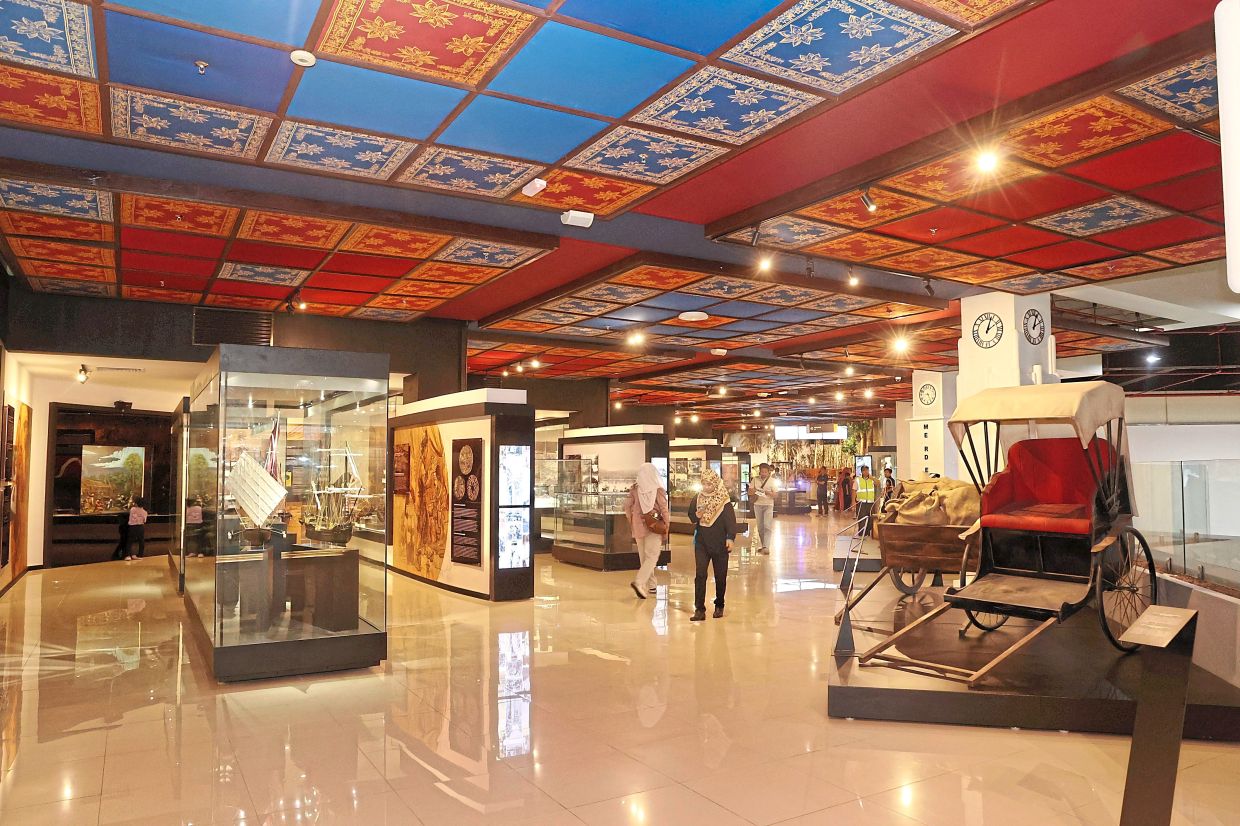
The newly renovated Muzium Sultan Alam Shah is part of the state government’s agenda for Visit Selangor Year 2025.
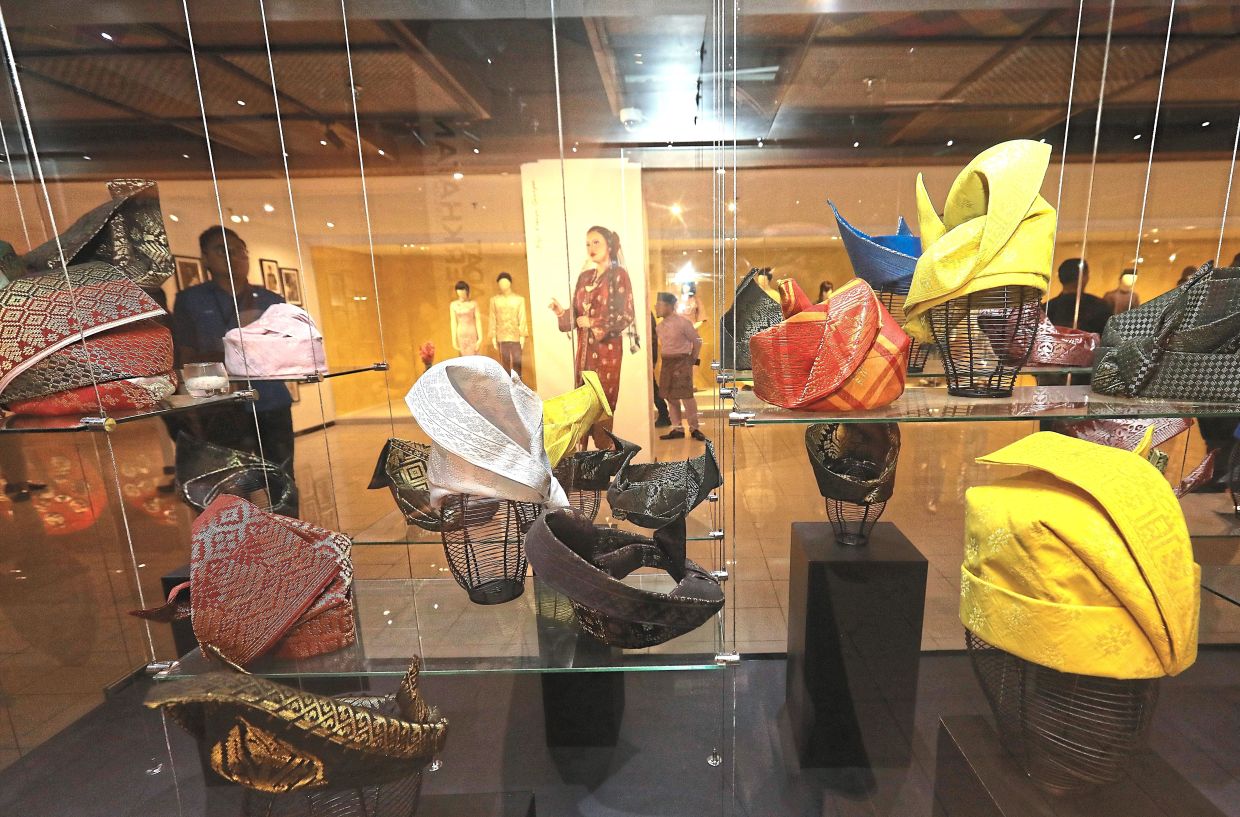
Showcasing over 1,000 exhibits including artefacts, dioramas, models, replicas and 800 specimens related to the natural environment, the museum not only focuses on Selangor but Malaysia as a whole.
After being closed for nearly five years, it was opened to the public last week by Selangor Mentri Besar Datuk Seri Amirudin Shari.
Entrance is free for the first three months to encourage footfall.
Selangor housing and culture committee chairman Datuk Borhan Aman Shah said upgrading works for the museum in Shah Alam was completed in January.
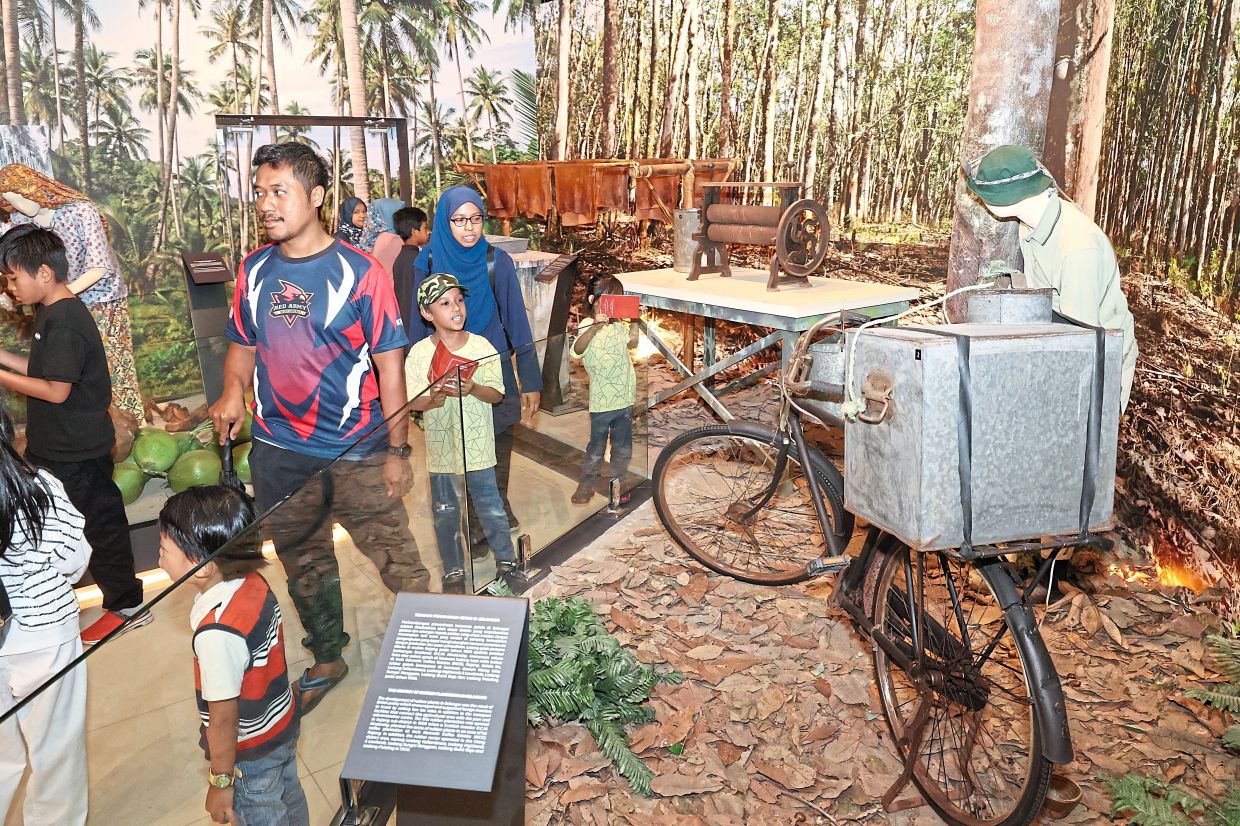
Each exhibit is carefully arranged based on factors like temperature, lighting, exhibition method and technology use.
Three main areas which were upgraded are History Gallery, Customs and Culture Gallery as well as Natural History Gallery.
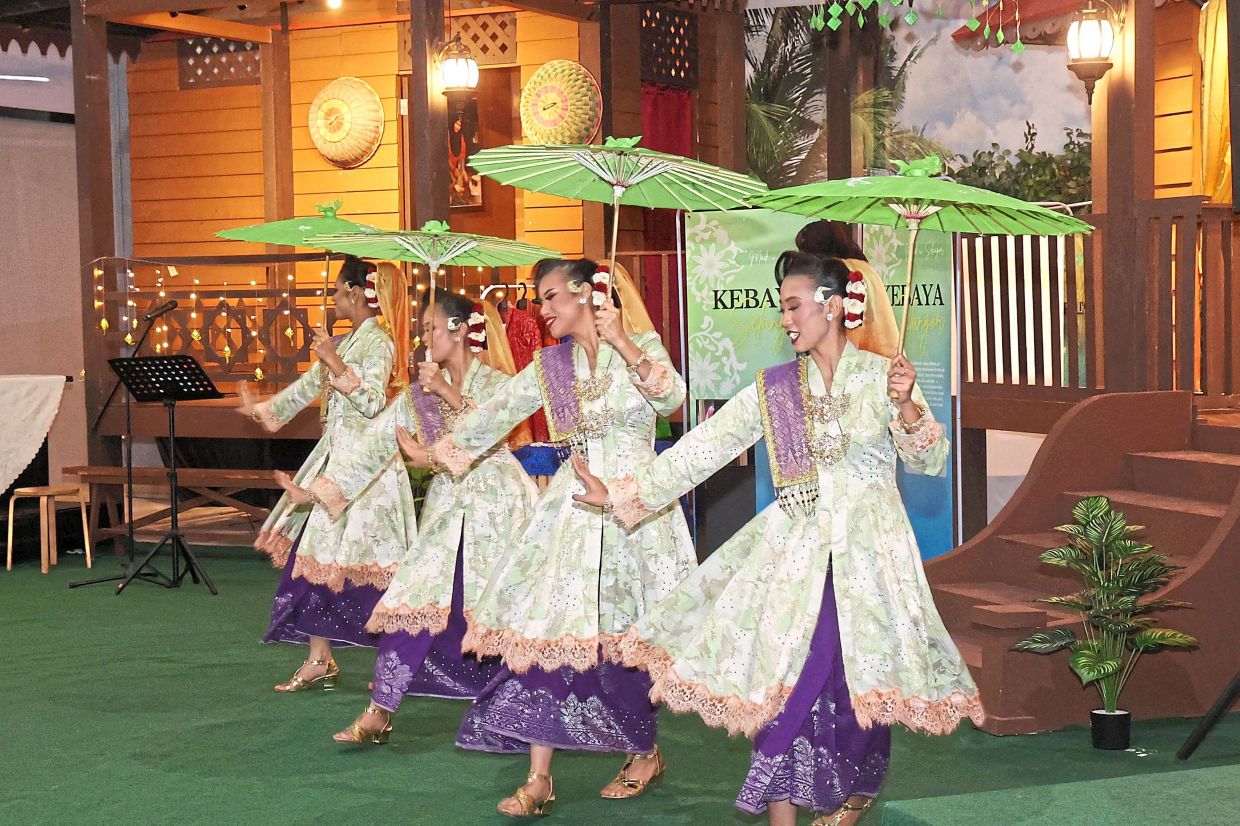
Also enhanced were visitor facilities with technology such as artificial intelligence (AI), interactive art, graphic mapping and quick response (QR) system for easier access to information.
History of museum
Named after Sultan Hisamuddin Alam Shah, the sixth Sultan of Selangor, Muzium Sultan Alam Shah opened on Sept 2, 1998.
It is located along Persiaran Bandar Raya near Dataran Kemerdekaan Shah Alam and Masjid Sultan Salahuddin Abdul Aziz Shah.
Housed in a distinctive five-storey building influenced by Bugis architecture – as seen in its roof design – it offers an engaging exploration of Selangor’s history, culture and heritage, from the prehistoric era to the present day.
At the reopening, Amirudin said the museum provided an insight into how the state was formed.
“It is designed as an edutainment venue and is an initiative by the state government to preserve Selangor’s cultural heritage.
“Through early exposure, interactive learning and creative activities, the museum can foster historical awareness and nurture a love for culture among the younger generation,” he added.
Mah Meri collection
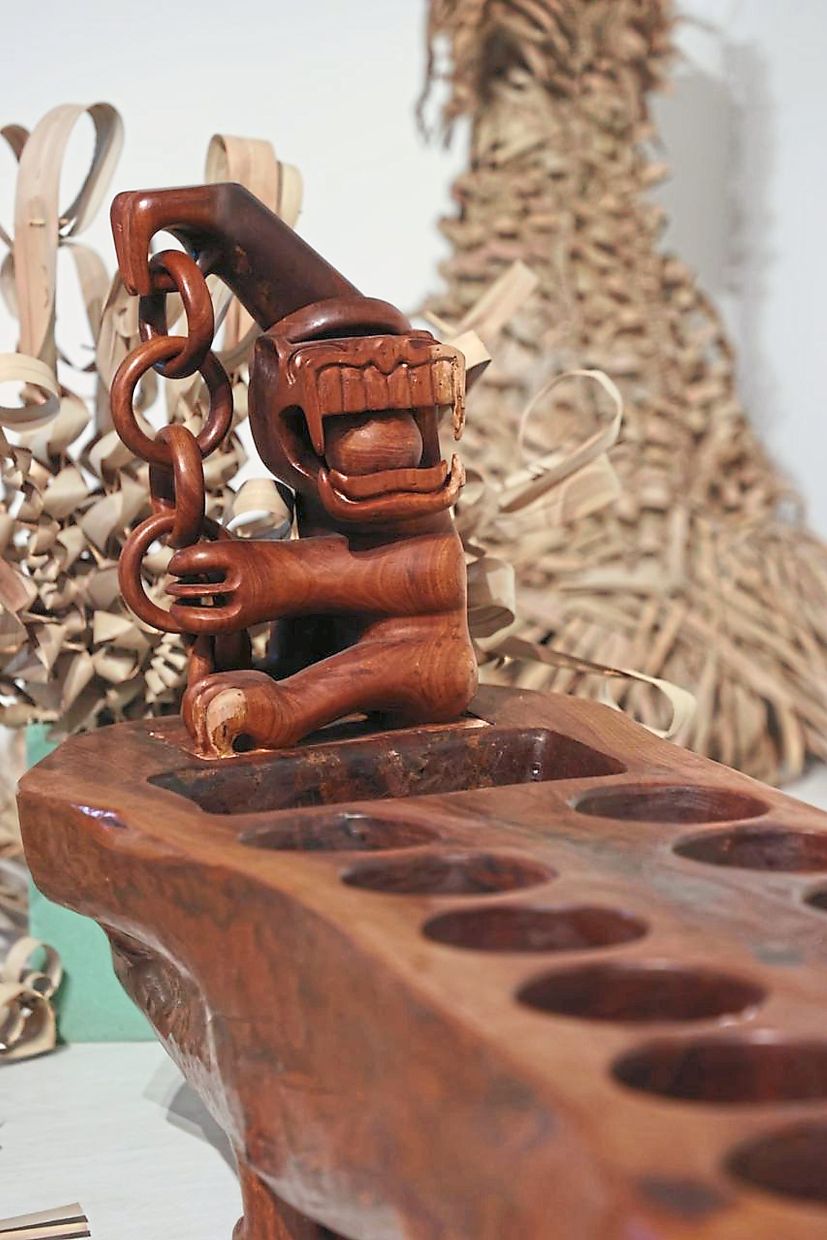
Under the Customs and Culture Gallery, Borhan said one of the key attractions is the craft collection of the Mah Meri Orang Asli community from Kuala Langat that earned Unesco’s Seal of Excellence.
These include pieces such as the Harimau Berantai sculpture and the Moyang Sembuar figure.
The ‘Raja Sehari’ (King for a Day) segment showcases over 70 wedding gifts from the 1950s to the 2000s, along with a wedding dais decorated with intricate tekat embroidery featuring bunga tanjung, Selangor’s official flower, Borhan said.
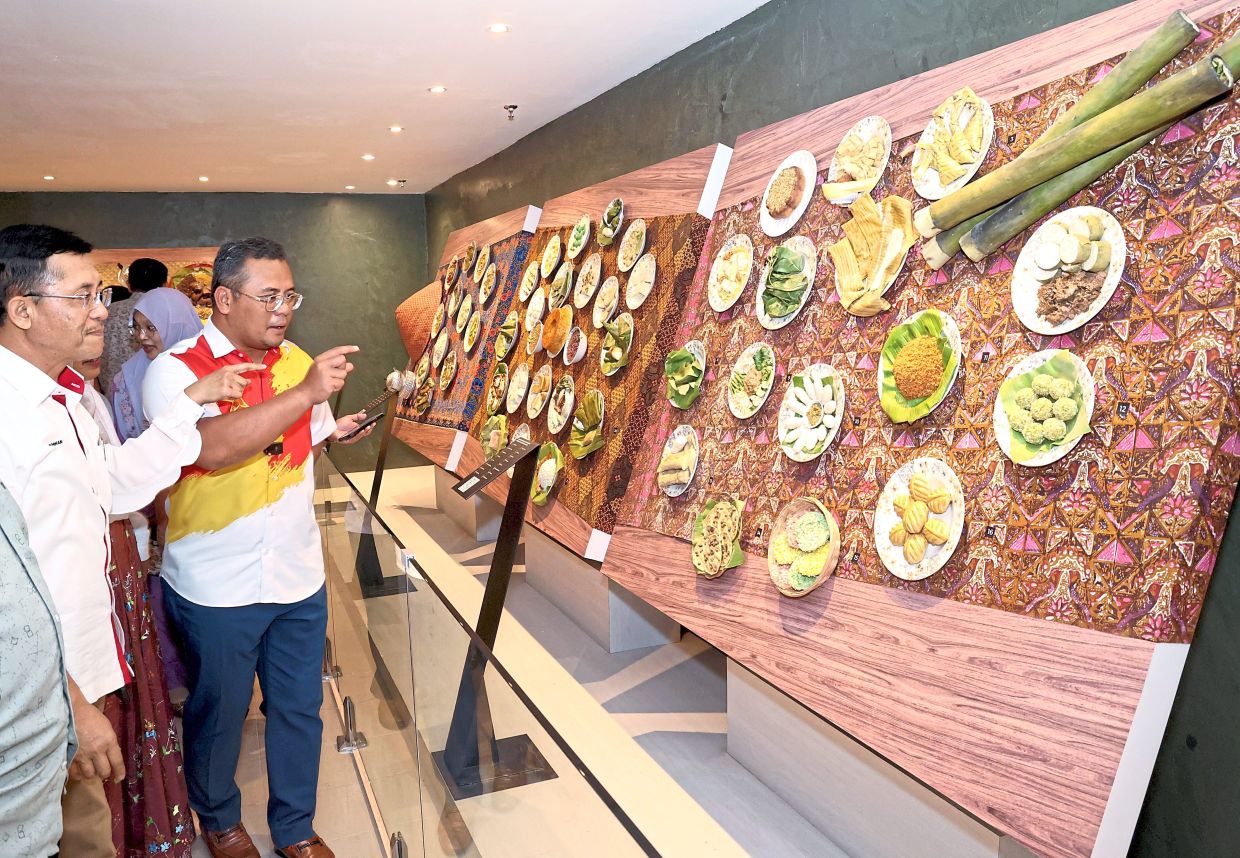
There is also a heritage food section displaying 120 replicas of traditional Selangor dishes, as well as a 1960s-style food stall.
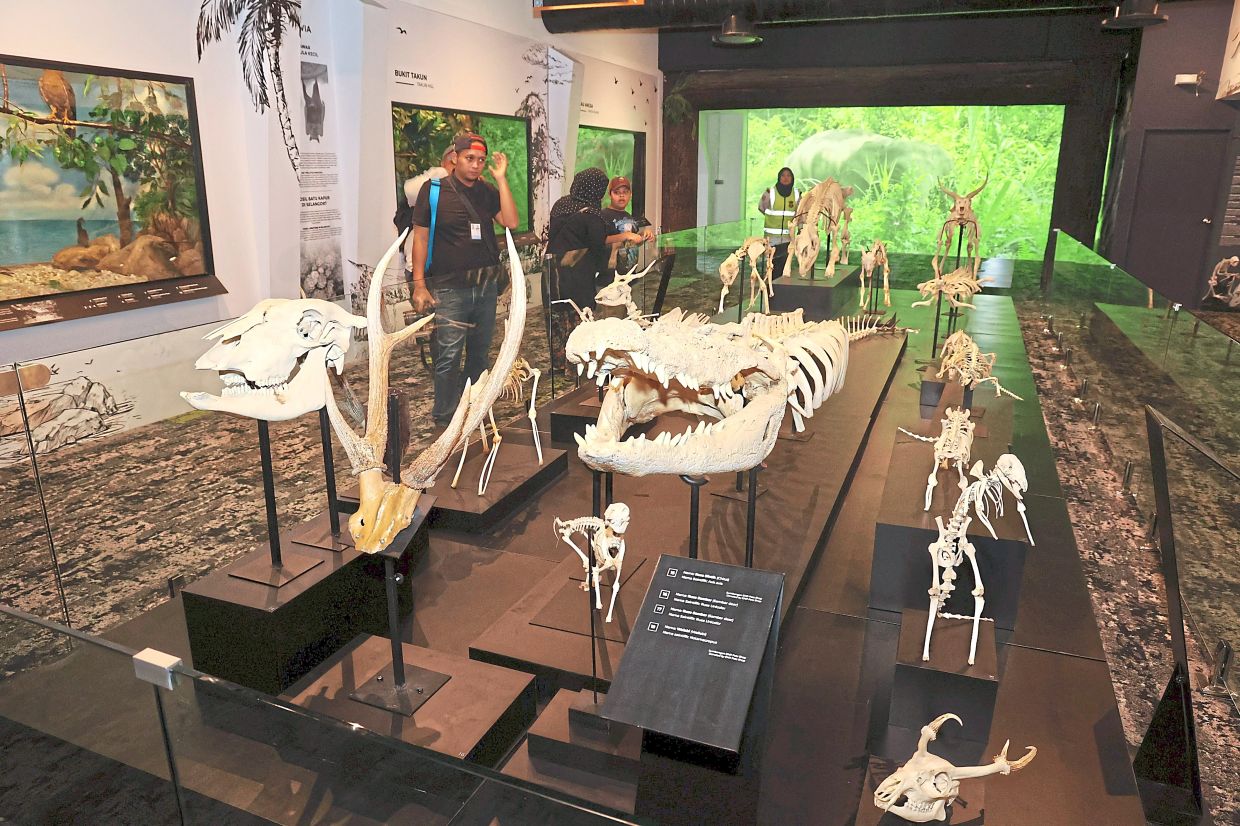
“The highlight of the Natural History Gallery is the exhibition of preserved wildlife specimens, such as the skull of the much talked about crocodile Sang Bedal Bukit Belimbing.
“This giant crocodile was found dead in July 2013 beside a river in Kampung Bukit Belimbing, Kuala Selangor.
“Estimated to be 70 years old, its teeth had fallen out and it died as it could no longer hunt for food.”
Another notable specimen is a leopard donated by the Perak Wildlife and National Parks Department (Perhilitan).
The animal, aged about 10 years, had attacked an Orang Asli youth in Sungai Siput, Perak.
Borhan said along with the use of modern technology, lighting and music worked together to enhance the visitor experience.
“Dramatic lighting highlights important artefacts while hued lights reflect specific historical periods or events.
“The background music, along with natural or city sounds, creates an authentic ambience and audio narratives provide deeper context for the artefacts, making the experience more immersive and engaging.”
Wau Kapal
Also on exhibit is the Wau Kapal, a unique traditional Malay kite associated with the maritime trade and navigation history in the waters of Selangor that was once part of the Malacca Sultanate.
Craftmaker Adi Subaidillah said the perseverance and hard work of Malay farmers and fishermen are reflected in its motifs, such as the bunga tanjung, bunga padi, waves, anchors, flags and buoys.
“The design of the Wau Kapal was influenced by traditional Malay ships from the 15th to 18th centuries, known for their voyages during trade and warfare.”
Adi said this made Wau Kapal one of the representative crafts of Selangor.
“The motif uses the bunga tanjung, with nine petals representing the state’s nine districts.
“Additionally, the bunga padi motif that appears on the wings and head of the kite symbolises rice, Selangor’s main crop.”
Adi said the intricate techniques used for creating the decorative patterns had been passed down through generations.
He hoped visitors, particularly the younger generation, would learn about Wau Kapal and see it as an important cultural identity that must be preserved.
The museum offers free guided tours to groups, with applications available via the Selangor Malay Customs and Heritage Corporation (Padat) website, www.padat.gov.my
For individual visitors and families, scheduled guided tours are available on weekends at 11am and 3pm. The museum is closed on Mondays.