PENANGITES are not taking any chances even though it has been nearly three months since the easing of some Covid-19 restrictions by the government.
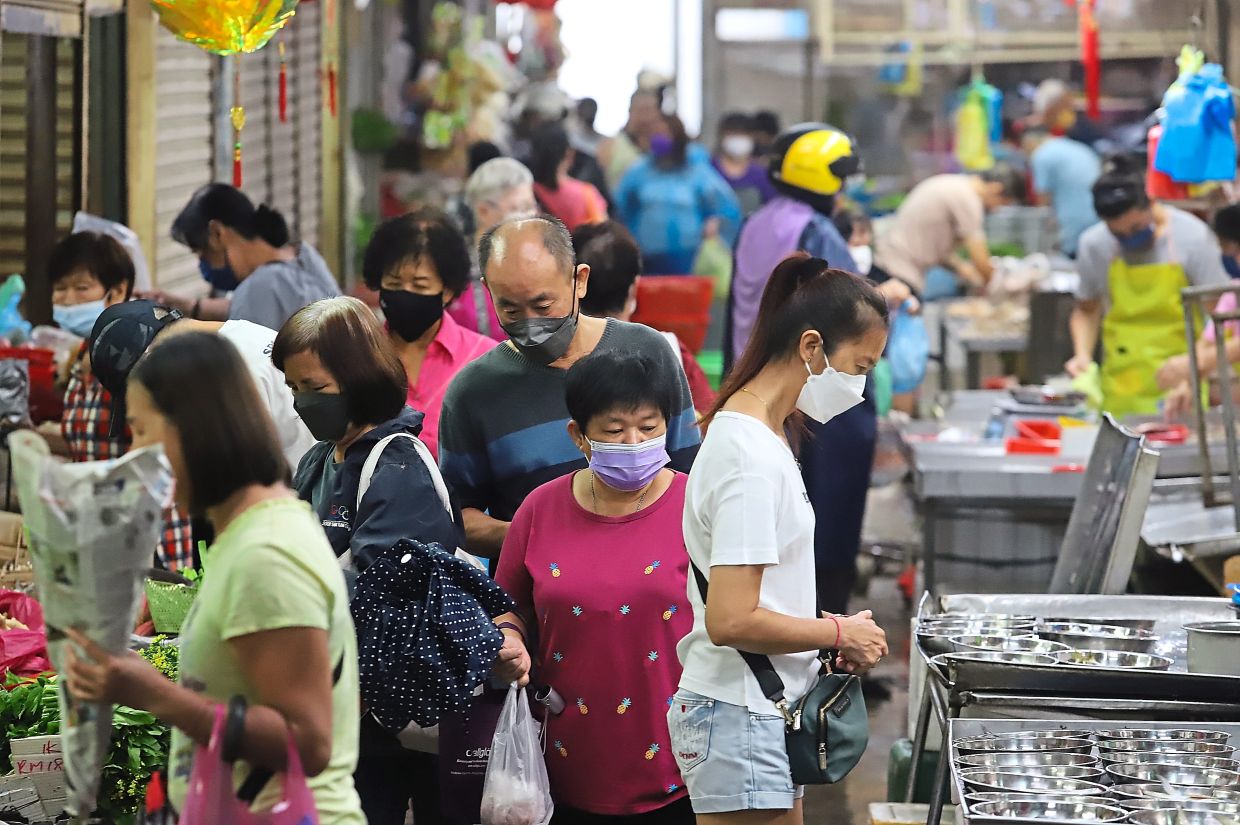
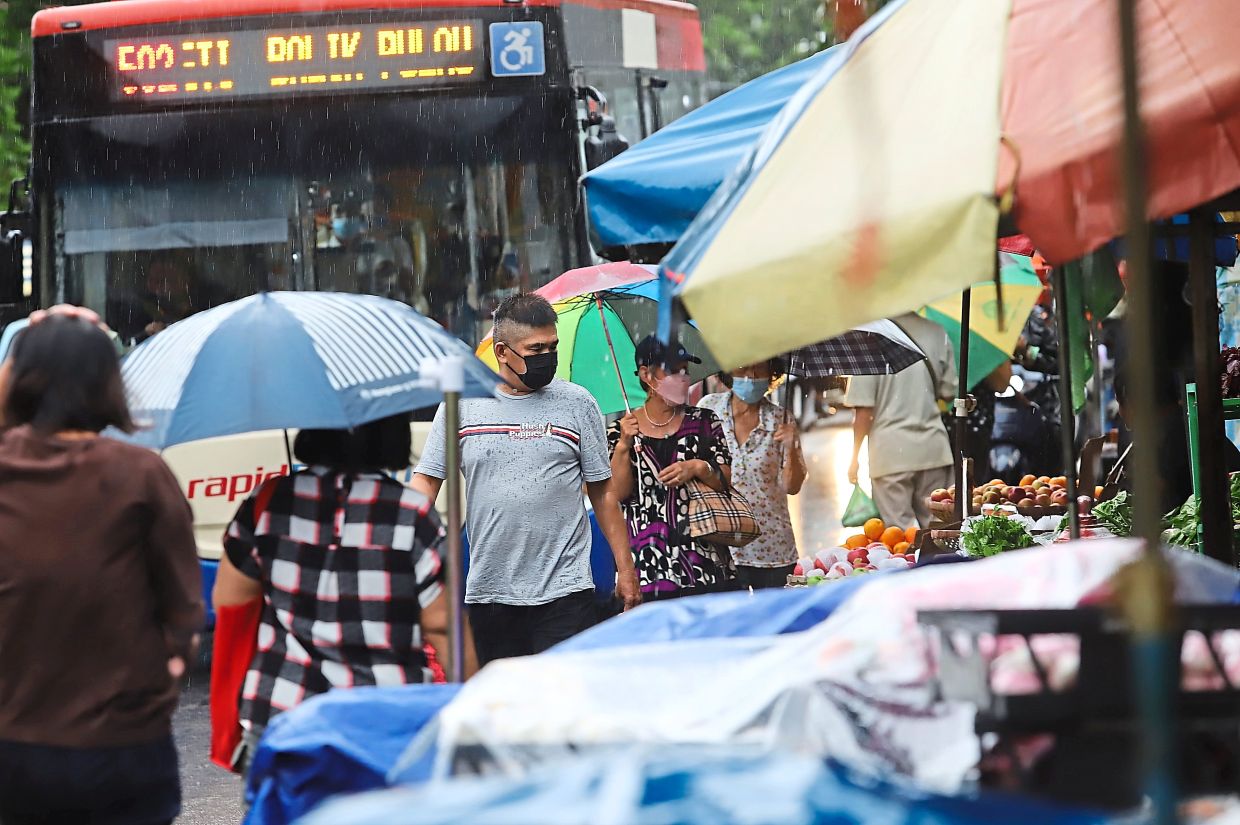
In several public areas in George Town – some of which were crowded – individuals were seen donning face masks outdoors despite it being optional under the relaxed Covid-19 standard operating procedure (SOP).
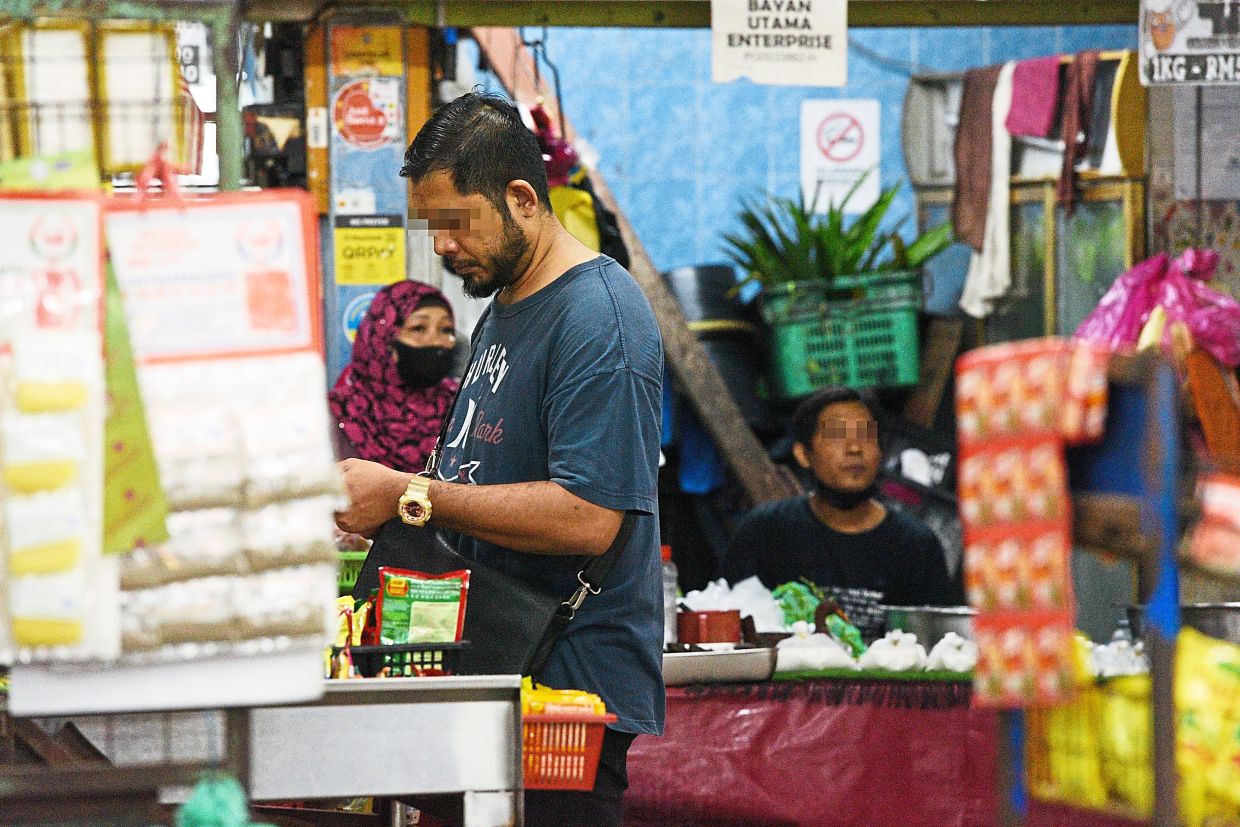
A check by StarMetro on a working day last week at Weld Quay bus terminal and Ayer Itam market in George Town as well as Bayan Baru market in Bayan Lepas, revealed that more than 90% were wearing their masks outdoors.
This shows that the general public are still taking a cautious approach, with many opting to observe the SOP, although it is no longer compulsory.
Marketing manager Ho Soo Wee, 54, who contracted Covid-19 in February, said he knew how easily the virus could spread through droplets when an infected person coughed or sneezed.
“So, I feel obliged to wear a face mask wherever I go as I do not want to get infected again or put others at risk,” he said.
Ho said although the government had relaxed the rules on face masks outdoors, he felt that people should continue wearing them.
For self-employed Teh Guat Khim, 34, wearing face masks has become a norm after more than two years of doing so.
“Wearing face masks is still the best form of protection to curb Covid-19 transmission.
“The virus is still in the air, so we should mask up even when we’re outside.
“I only take off my mask when I’m at home and while eating,” she shared.
Pensioner Teoh Lang Hing, 73, said she felt safer with the face mask on.
“Considering my age, I have to be extra careful and I do not want to take unnecessary risks,” said Teoh.
Student Nur Ain Balqis Aziz, 21, said she would keep wearing face masks for the foreseeable future.
“I have grown comfortable wearing a face mask.
“It feels normal, and I will wear a face mask wherever I go.
“I will only stop wearing one once the situation has improved and there is no more threat from the Covid-19 virus,” she said.
Maintaining good practices
Health Minister Khairy Jamaluddin had announced that face masks were no longer compulsory in open areas from May 1.
However, he said the practice was highly encouraged to help reduce the spread of Covid-19.
He had said that it was still mandatory to wear face masks indoors and when using public transport.
The compulsory use of face masks in Malaysia started on Aug 1, 2020 and was enforced under the Prevention and Control of Infectious Diseases Act 1988.

Public health experts said it was better to be safe than sorry, and had reiterated their call for people to continue adhering to the SOP, especially the wearing of face masks, in anticipation of a surge in Covid-19 infections.
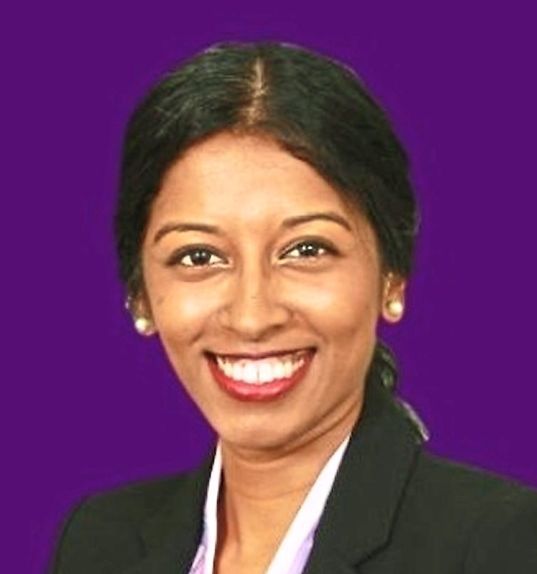
People should keep their masks on in crowded situations and if they were unwell, said Universiti Sains Malaysia (USM) virologist Dr Kumitaa Theva Das.
“Whenever there is a new variant, the most concerning thing is how contagious it is, which is measured by the national infectivity rate or R-naught (R0).
“This is the average number of people an initial case can infect.
“For comparison, the original strain had an R0 of 3.3, Delta was 5.1 and the Omicron sub-variant BA.5 is about 18.6, which makes it extremely easy to transmit.
“Face masks are one of the easiest tried-and-tested ways to protect ourselves and our loved ones against BA.5 or any other variant.
“With BA.5, countries that have removed their mask mandate and have low vaccination rates have the highest number of daily cases.
“To prevent that from happening in our country, we can don face masks, whether indoors or outdoors,” she reiterated.

Dr Kumitaa said with other variants, reinfection was quite rare and might only occur after three months but with BA.5, people could get reinfected within a month.
She said research conducted in the United States also showed that those reinfected might more likely develop long-lasting health issues, including lung and heart problems, digestive and kidney disorders, diabetes and neurological problems.
“It is important to wear the mask correctly, as many wear their masks underneath their noses, which does not provide them with protection.
“Some may think that wearing an N95 mask is uncomfortable, but with the more transmissible variants, masks like N95 or KN95 work better, whereas cloth and surgical masks as well as wearing double masks provide less protection,” she said.
The USM senior lecturer added that public health measures should be practised, such as testing before attending large gatherings, staying home when one had symptoms and getting regularly tested especially if one went out often.
Others including making sure a place is well-ventilated as well as frequent cleaning and disinfection – all of which were practised during the height of the Covid-19 pandemic – are still needed today.
“Getting vaccinations and booster jabs also help in the prevention effort.
“We can use these mitigation measures as often as possible to keep ourselves and our loved ones safe.
“This is also especially crucial now as we see a trend where people who are close contacts and have symptoms test negative on day one.
“So, they believe that they are not infected and may go out without a mask.
“But if they continue testing, they turn positive on day three or four,” noted Dr Kumitaa.
Taking precautions
USM family medicine specialist Dr Mastura Mohd Sopian said although a variety of public health and hygiene measures had been initiated earlier, the most noticeable was perhaps the wearing of face masks.
“The World Health Organisation has updated its guideline to advise that to prevent Covid-19 transmission effectively in areas of community transmission, we must wear masks in specific situations and settings as part of a comprehensive approach to suppress SARS-CoV-2 transmission,” she said.
Dr Mastura said wearing a face mask could be considered a “precautionary principle” to prevent infection.
“Personally, I am already used to wearing a mask.
“By doing so, we can ensure that we do not harm other people just in case we may be carrying the virus.
“Observation shows an obvious trend, where countries with stricter rules such as China have a better epidemiological situation than those not mandating face mask usage,” she added.
Meanwhile, Hospital Penang infectious disease unit head Datuk Dr Chow Ting Soo said wearing face masks could prevent the sick from spreading droplets to others and ensure that those who were not infected were less exposed to respiratory viruses and pathogens.
She, however, said although wearing a face mask was important, it was not the only tool to combat new waves of Covid-19.
“It is not just about the masks.
“We must also not forget about the other SOP such as frequent hand sanitising and staying at home when unwell.
“Covid-19 self-tests are also very important.
“We should be aware of our own health and practise self-isolation if we have Covid-19,” she said, adding that one could also take oral antiviral medicine.
Dr Chow said it was important for those at high risk of getting severe Covid-19 to get a second booster now while waiting for an Omicron variant-specific vaccine to be produced.
“The protection against severe Covid-19 is as high as 90%.
“From what I read in the news, it is stated that less than 10% of the indicated population have completed their second booster.
“It is crucial for this group to make arrangements for a second booster shot as soon as possible,” she advised.
For the immunocompromised, such as patients who had organ transplants or those undergoing chemotherapy who might not respond well to vaccination, she said there were options at public health facilities.
Already a subscriber? Log in
Get 20% OFF The Star Digital Access
Cancel anytime. Ad-free. Unlimited access with perks.