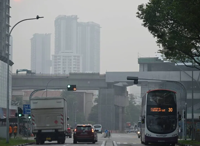
IN the heart of Kuala Lumpur city centre, the Bukit Bintang parliamentary constituency offers a distinctive contrast of vibrant tourist areas, high-end condominiums as well as public housing projects.
The thriving commercial area, glittery tourist attractions and shopping spots of Jalan Bukit Bintang, Jalan Alor and Petaling Street are direct opposites of the government flats along Jalan Hang Tuah.
It is a considerably old parliamentary seat that borders the parliamentary constituencies of Batu, Segambut, Titiwangsa, Lembah Pantai, Seputeh and Cheras.
The seat was previously known as Kuala Lumpur Bandar before it was changed to Bukit Bintang under the 1984 redelineation exercise.

The constituency is usually associated with major roads such as Jalan Bukit Bintang and those surrounding it including Jalan Sultan Ismail, Jalan Imbi and Jalan Raja Chulan.
It actually covers a much bigger area.
The recent redelineation exercise has added 19,950 voters to the constituency, with some of the polling districts from Seputeh and Lembah Pantai being included to the Bukit Bintang seat.
Registered voters here have increased to 72,987 from 53,037 in the last elections.
Tourism is thriving in the city centre but it has its challenges as well.
Over the years, the influx of foreign workers in these tourist-centric areas resulted in some local businesses being taken over, leaving only a handful of local business owners still plying their trade.
One example is Petaling Street, which has always struggled to maintain its charm as Chinatown as most of the businesses and hawker stalls have been taken over by foreign workers.
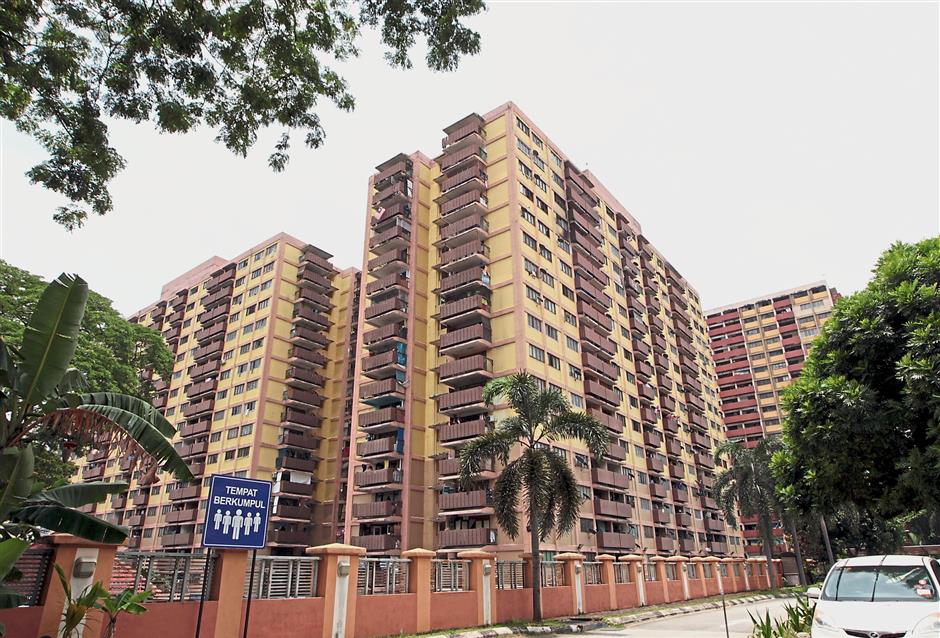
The emergence of the flea market in Lorong Petaling called Pasar Karat that offers a range of second-hand goods, contributes to the problem as it attracts peddlers to sell their goods by the roadside.
Since the last general election, the area has seen many changes.
The completed Klang Valley Mass Rapid Transit (KVMRT) project has made Bukit Bintang more accessible, while the redevelopment of the 50-year-old low-cost Razak Mansion, the development of Bukit Bintang City Centre (BBCC) on the site of the former Pudu Jail, and the upcoming Tun Razak Exchange will definitely change the area’s landscape further.
The issues raised in the constituency are quite diverse, mostly about rising crime cases and poor maintenance of infrastructure, ranging from unsatisfactory rubbish collection, poor hygiene and security in certain areas.
Bukit Bintang Wanita MCA chief Ann Tan highlighted the need for an upgrade for the People’s Housing Project (PPR) flats and public housing for civil servants (PPA).
“This is one of the major issues concerning the people especially when it comes to cleanliness and security.
“Many residents in the flats complain of faulty lifts, uncollected rubbish and frequent crimes.
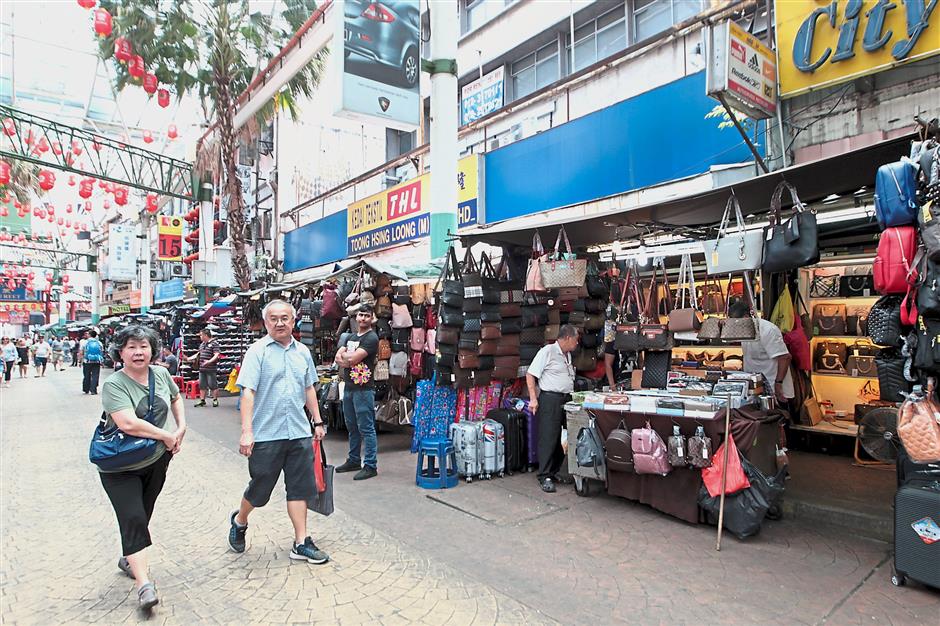
“These flats need a facelift like the one done on Razak Mansion for the betterment of the people as well as to improve their living conditions.
“Since Bukit Bintang is a popular tourist spot, there is much to be done to ensure the area is a safe and vibrant place,” she said.
The constituency also has a lot of heritage buildings and preserving Kuala Lumpur’s heritage has always been a concern.
Constant development gave rise to conflicts with such preservation efforts but it was deemed inevitable in an area as dynamic as Bukit Bintang.
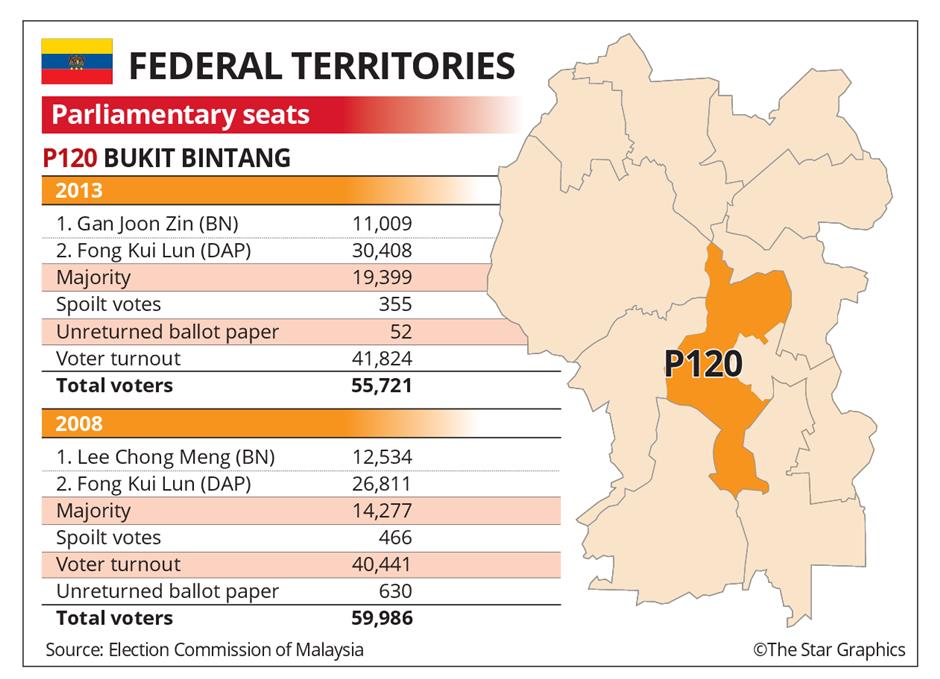
In the last elections, there were 55,721 eligible voters in the constituency with the Chinese making up 73%. DAP’s Fong Kui Lun won with a majority of 19,399 votes against Barisan Nasional’s Frankie Gan from MCA.
In 2008, Fong’s majority was 14,277 votes against then MCA candidate Datuk Dr Lee Chong Meng.
Interestingly, a four-cornered fight took place in the 2004 elections.
Fong won with a slim 304-vote majority against MCA’s Tan Chew Mooi (18,799 votes), Malaysian Democratic Party candidate Wee Choo Keong (1,107 votes) and Independent Billi Lim Peng Soon (132 votes).
Already a subscriber? Log in
Get 20% OFF The Star Digital Access
Cancel anytime. Ad-free. Unlimited access with perks.