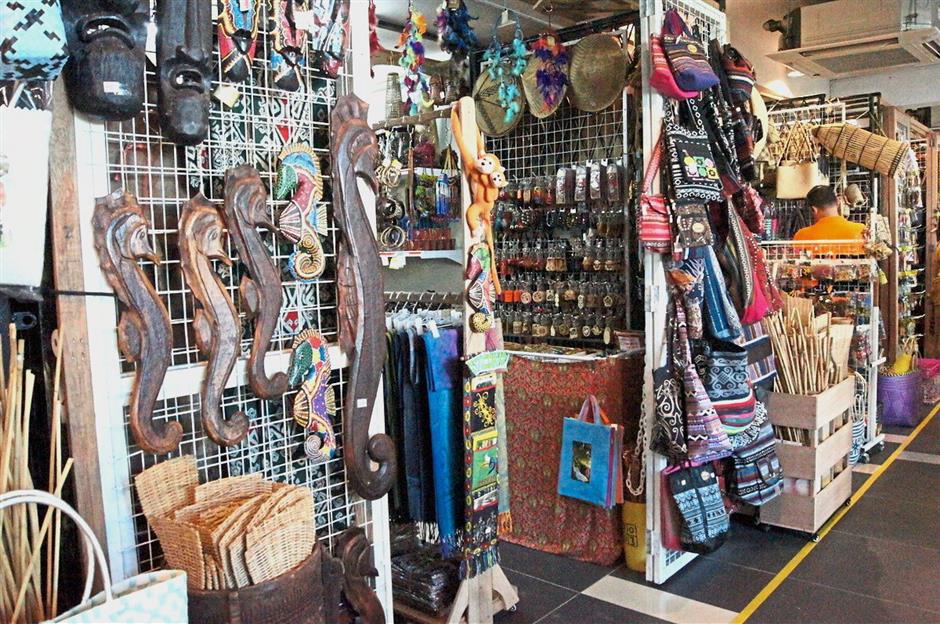
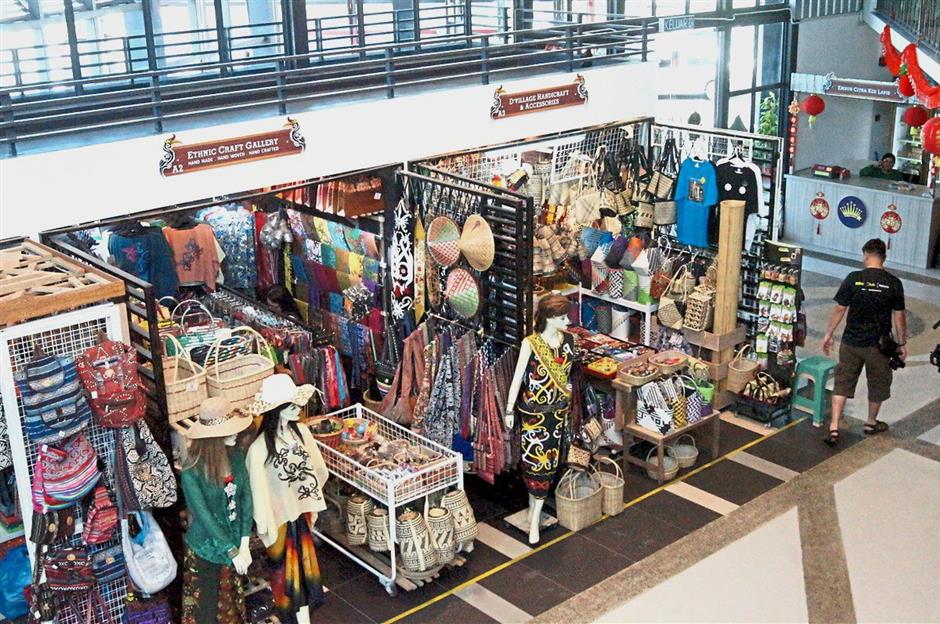
MIRI: Be amazed by the sheer variety of Sarawak’s heritage at the Miri Handicraft Centre that features cottage industry products made by Sarawak natives.
They range from exquisite bead necklaces to beautiful traditional baskets as well as the famous kek lapis and Bario rice and salt -– it’s all available at the newly-upgraded centre.
There are more than 13 outlets under one roof selling a variety of handicraft and food products made by the Dayak, Kayan, Kenyah, Melanau, Kelabit, Lun Bawang and other ethnic groups.
There is also a cafeteria located on the ground floor.
The RM1.9mil upgrade was made possible through an allocation given to the Miri City Council by Chief Minister Tan Sri Adenan Satem shortly before he passed away.
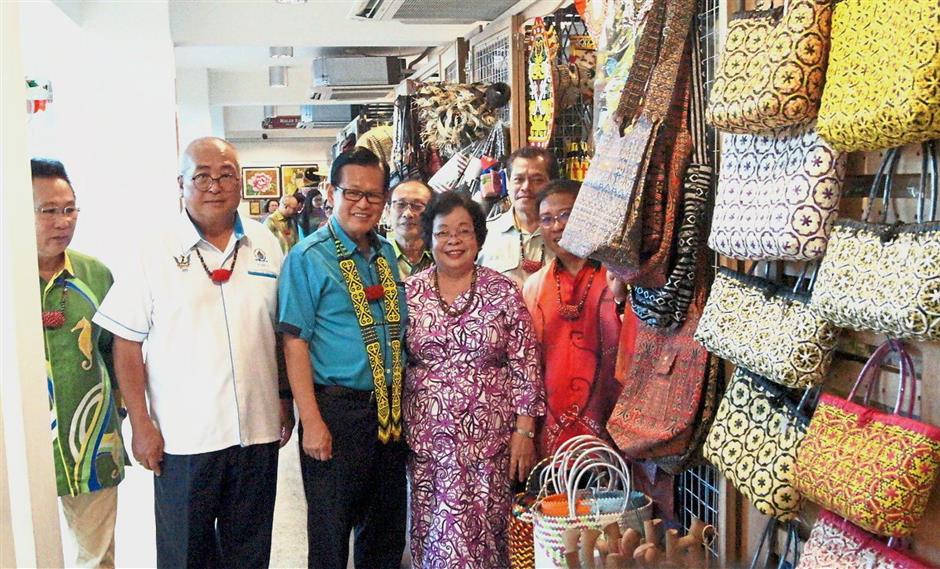
Miri mayor Adam Yii said he was grateful that the efforts of the council in promoting local handicraft received support from the state government.
“We anticipate that Miri Handicraft Centre will become a must-visit destination.
“2018 is Visit Miri Year, so this is a good start to our efforts to promote Miri,” said Yii.
Miri Handicraft Centre is an ideal place to showcase Sarawak’s rich cultural heritage, said state Assistant Tourism Minister Datuk Lee Kim Shin
“Make this centre an attractive place for tourists and visitors.
“It would be good if tourists can also watch how some of the handicraft is made and try their hand at doing it themselves to get a feel of how it is done.
“Many of Sarawak’s arts and crafts are unique and based on age-old fables.
“They are inspired by the beauty and bounty of Sarawak, our homeland,” Lee when opening the centre .
Among the many things to look out for is bead work by Orang Ulu women.
It is fashioned into necklaces, rings, bracelets, earrings and even headgear and baby carriers.
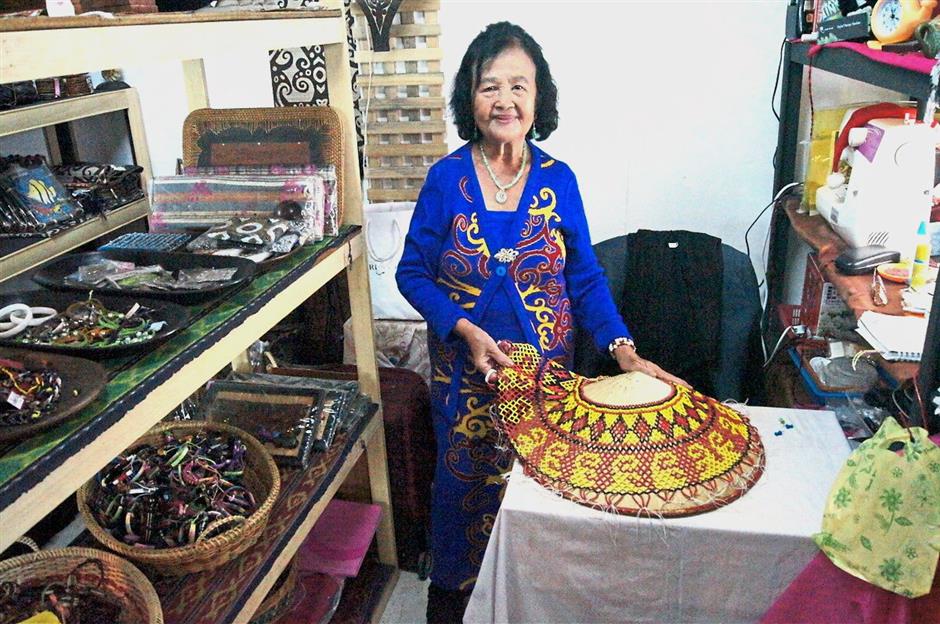
One of the skilled craftsmen whose work can be found at the centre is Orang Ulu, M Magdeline.
She has been selling beaded bracelets, necklaces, rattan baskets, bags, mats and other handicraft for 18 years.
“It takes me three weeks to finish a beaded necklace which is worn for weddings and other celebrations.
“I also went to South Korea for three months to demonstrate how traditional handicraft is made,” said Magdeline.
The Iban community’s skills in weaving Pua Kumbu is world-renowned and you can get your hands on a piece at the centre.
The Bidayuh community, on the other hand, are known to use beaten tree bark, rattan and bamboo to make their traditional items.
The Chinese community is represented through beautiful handcrafted pottery as well as decorative and functional earthenware.
Already a subscriber? Log in
Get 20% OFF The Star Digital Access
Cancel anytime. Ad-free. Unlimited access with perks.