
NAMED after the nearby hot spring, Kampung Air Panas gives an air of rural tranquility to visitors who pass through to get to the hot-spring pool.
The village, sited in the Kerling sub-district, is about 10 to 15 minutes’ drive north from Kuala Kubu Baru town along the old road to Ipoh, Perak.
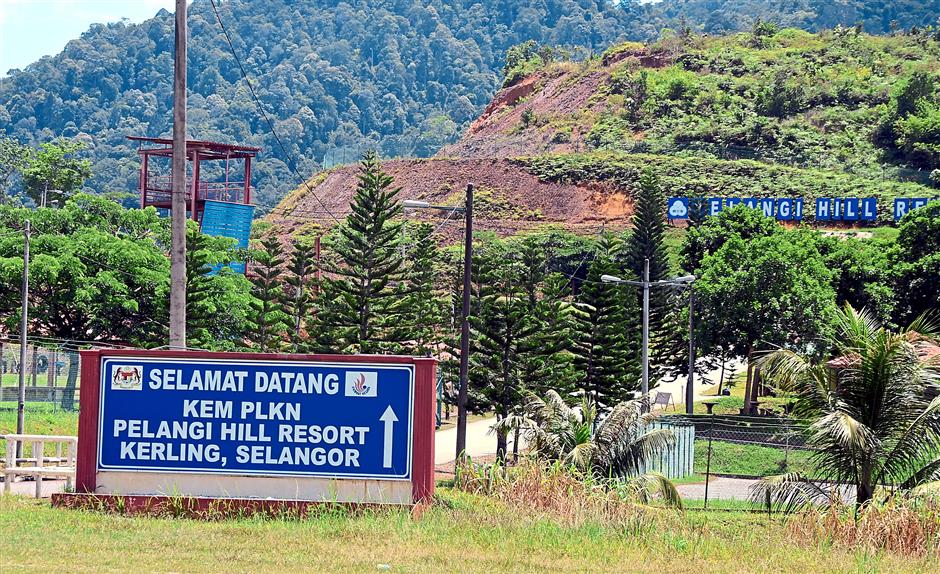
Running parallel to the train tracks, you can tell that you are approaching the new village when you see a sign indicating you are near the Pelangi National Service camp, which doubles as a hill resort.
According to village security and development chairman Yee Wai Ping, there are about 300 households in the village.
“Actually, we have about 500 residents in the new village, not counting those who have already travelled or emigrated to other parts to work,” said Yee.
Like many new villages, Kampung Air Panas was founded during the Communist Emergency from 1948 to 1950, although many of the older inhabitants had lived in the area before.
For senior citizen Yong Yan Nam, 79, who has lived in Kampung Air Panas almost all his life, the village has very much remained the same.
“Maybe there are more brick houses as people upgrade their old wooden ones to enjoy modern comforts,” said Yong.
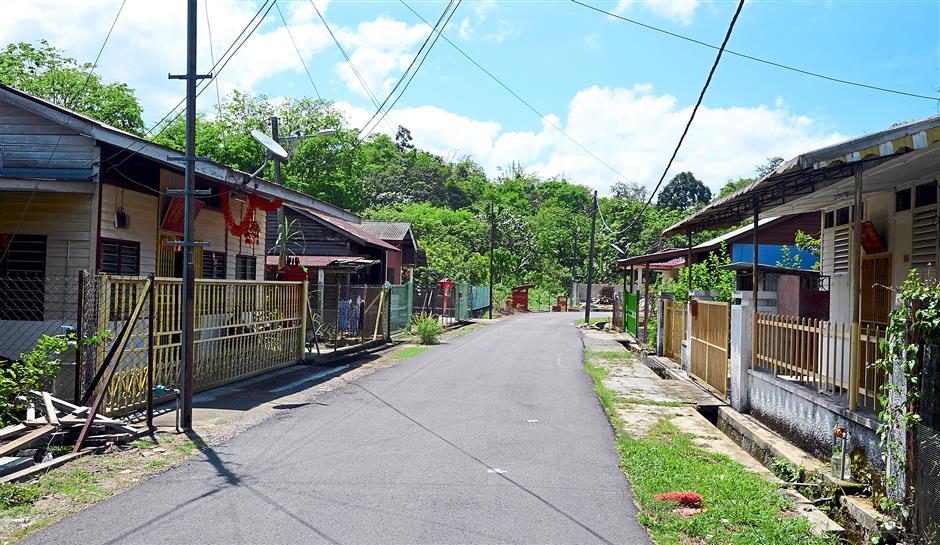
Even so, driving through the village’s side roads shows a difference in the layout.
Traditional new villages are usually closely built, with little to no space between houses, but Kampung Air Panas residents have a bit of spare footage around their structures, giving one a less claustrophobic feel.
With no Communists lurking about now, village life is generally quite quiet.
Chiang Fook Kuang, 43, has been living in Kampung Air Panas for more than 20 years, and in that time, she could only recall a small number of crimes committed in the village or the surrounding residential area.
“The place is still peaceful and we can sleep with no worries about security,” said Chiang, who had married a local man and moved here from Ipoh.
Back when Selangor’s hinterlands were not very developed and the factories had not been constructed, people took whatever jobs they could and those were primarily related to agriculture.
“A lot of the men took up jobs at the lumber camps those days, and a number of us travelled to Indonesia to find work with timber companies,” said Yong.
Some enterprising villagers, or perhaps nearby residents, have turned to swiftlet farming, evidenced by a row of abandoned shophouses along the KTMB tracks and one can hear either the swiftlets’ chittering — or a recording of it — to attract new birds to the shoplots.
One mainstay of the village is the Kerling Kwang-Tung and Kwang Sai (Guangdong and Guangxi) Association’s Hall, with the newer, larger sheet-metal hall sitting right next to the old one.
Another feature of village life is the nearby Guan Yin temple, which according to the temple signboards, was built in 1975 although the temple association itself was founded a year earlier.
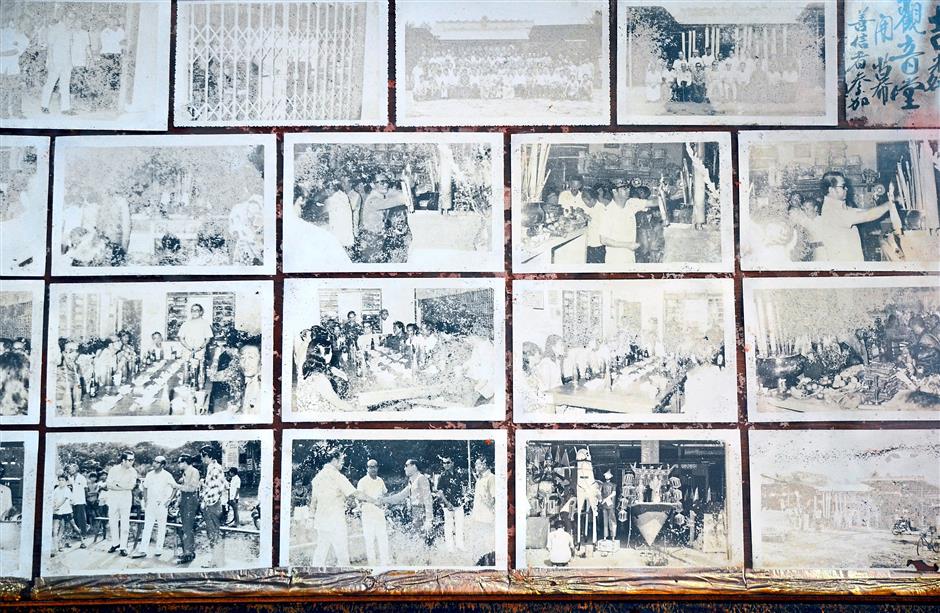
The temple’s walls are filled with old pictures of the various religious and folk festivals as well as of the founding committee, while right across the temple building is a stage built to host visiting Cantonese opera troupes.
Kampung Air Panas’ main attraction is, of course, the hot spring which is about five minutes’ drive out along Jalan Berlian Utama, continuing from the main road of Jalan Kampung Air Panas through the village.
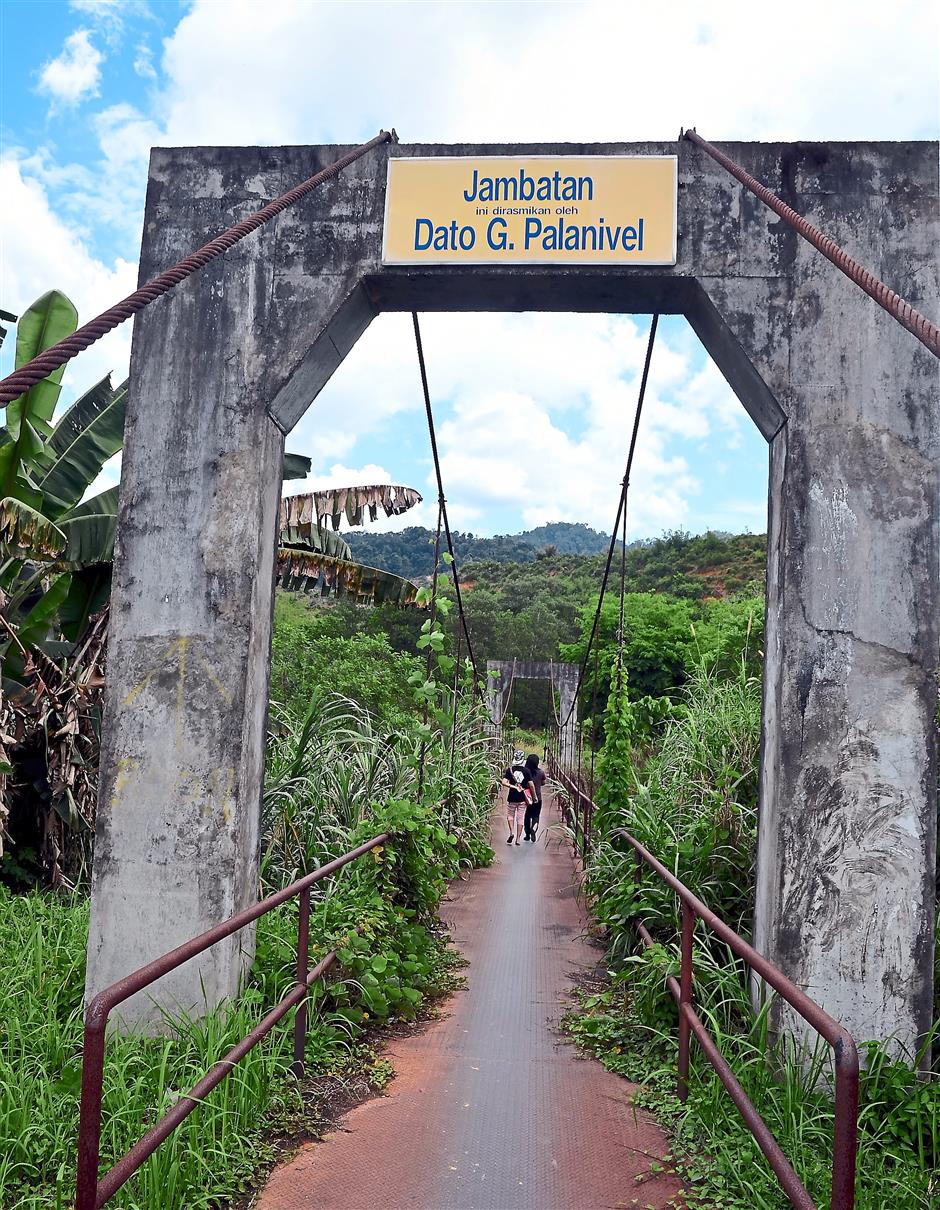
One of the oddities one can find along the way to the hot spring is a metal suspension bridge to cross the Kerling river.
At first glance, one might mistakenly read the plaque at the entrance top as “Jambatan Dato G. Palanivel”, although upon closer inspection, the plaque actually reads “Jambatan ini dirasmikan oleh Dato G. Palanivel” (This bridge was officiated by Datuk G. Palanivel).
The hot spring is a popular weekend destination for local families, and has been slowly upgraded over the years by the Hulu Selangor District Council (MDHS), resulting in its refurbished launch in 1990.
A look at Chiang’s old photographs taken in the 1980s show the hot spring as just a part of the natural landscape, compared to the upgraded gazebos and tarmac-surface carpark. Today, there are even concrete slabs for those who want to pitch tents.
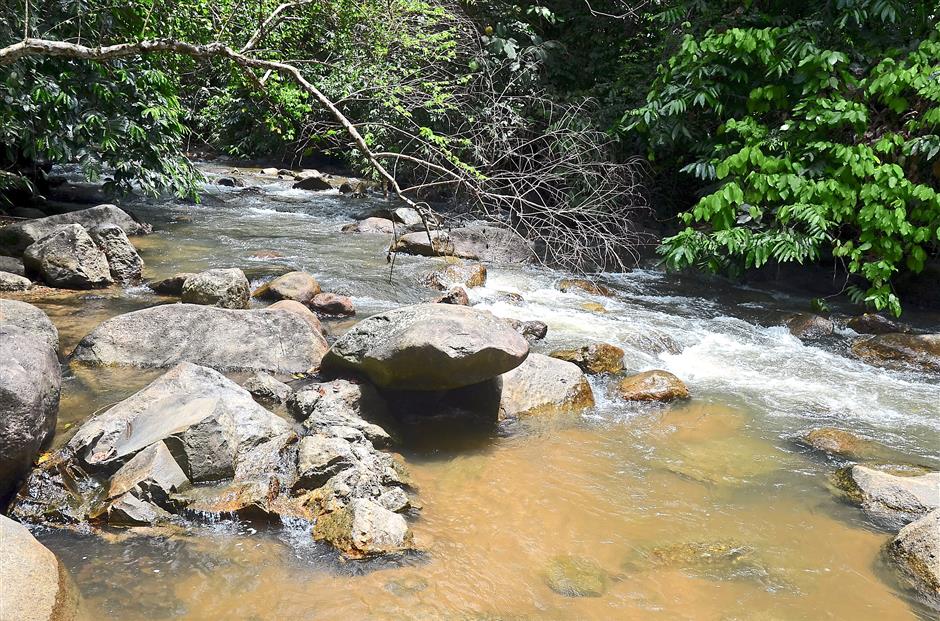
Next to the hot-spring pool is a small river, and following the river upstream for about 100m one will come to a natural picnic spot.
Visitors can amuse themselves at the small rapids that form due to the large rocks breaking up the river’s flow.
Sadly, Malaysians’ littering nature can clearly be seen as paper and plastic waste is strewn here and there on the ground and between the rocks.
Already a subscriber? Log in
Get 20% OFF The Star Digital Access
Cancel anytime. Ad-free. Unlimited access with perks.