If there’s one trip for which you need a travel adviser or tour operator, it’s an African safari.
These trips tend to be expensive, logistically challenging, and in areas so remote that they are unsafe without a trained guide.
But even before you approach an adviser or a safari company, it’s important to get the lay of the land.
“Ninety-eight percent of people thinking of going on safari have little to no idea of what they really want,” said Kevan Cowie, the director of sales for African Travel Inc, a safari specialist based in California, United States.
“There is a plethora of choices.”
From budgeting to understanding Africa’s seasons, here’s what to consider before signing on to a safari.
Determine a budget
Your budget will dictate your experience. Luxury trips often feature lodges on private reserves, reachable by small planes. Prices generally include all expenses – meals, drinks, transportation and game drives – except tips and international airfare.
Budget safaris tend to involve overland travel and basic hotels or camping. They often include less; there may be some meals on your own, for example, or extra charges for experiences such as hot-air balloon rides.
Most planners of high-end safaris recommend budgeting US$750 (RM3,020) to US$1,500 (RM6,040) a day per person. Companies such as Intrepid Travel offer more affordable trips, from about US$200 (RM805) a day.
City, plains or delta
Popular destinations, including South Africa, Tanzania, Kenya and Botswana, are distinct locales. Understand the differences between them to narrow your choices.
“South Africa is an excellent destination for people who know they want to go but are not sure they want to spend the entire vacation on safari,” said Andrew Drummond, the product director at Kensington, which designs custom trips.
South African itineraries may combine safari days with stays in Cape Town and the country’s wine region.
Drummond described safaris in Kenya and Tanzania in East Africa as “classic safaris in tents, immersing in the wilderness in a camp-style setting”.
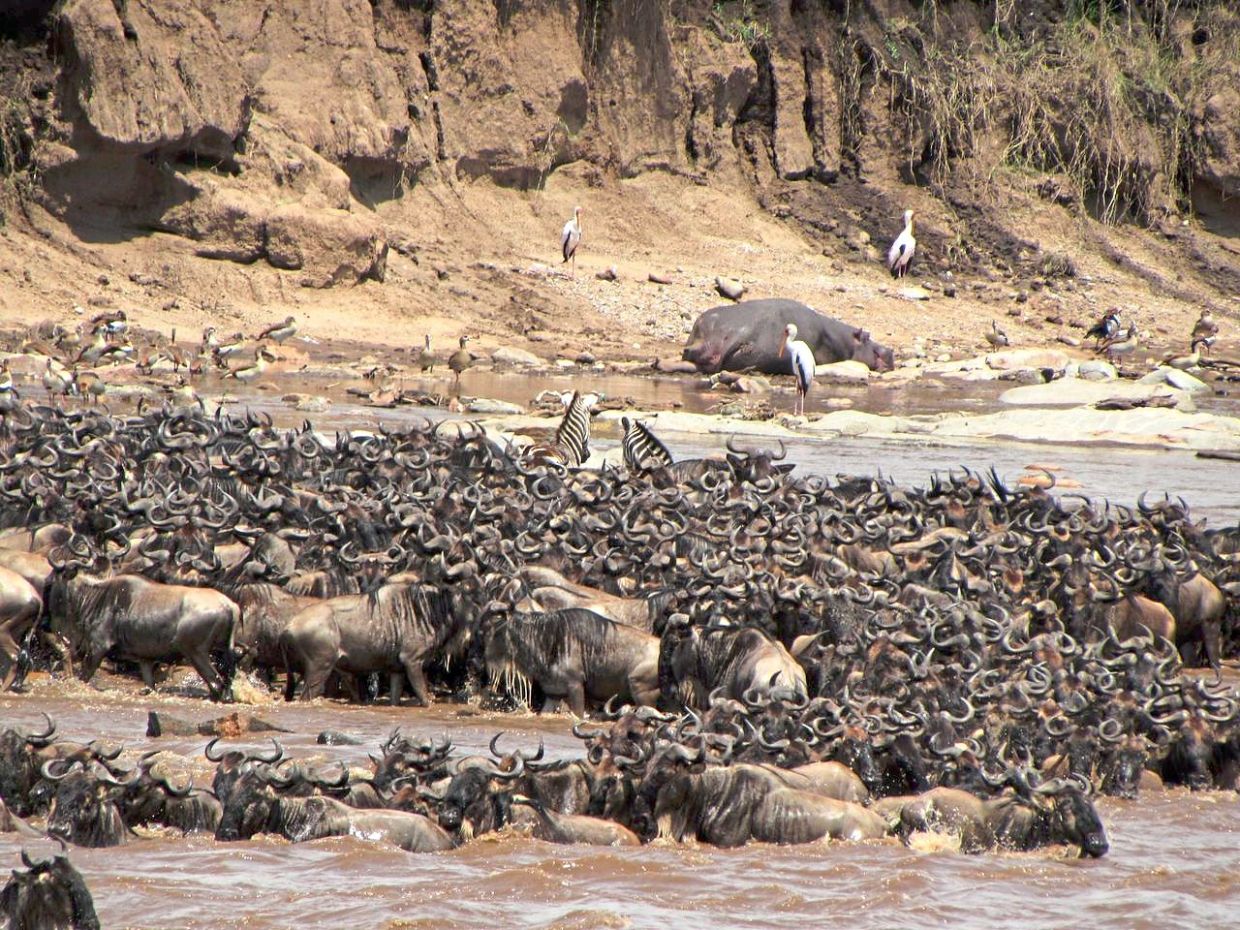
Many travellers come to East Africa to witness the Great Migration, with two million wildebeests moving between the Serengeti plains in Tanzania and the Maasai Mara reserve in Kenya, an event that attracts predators.
“Both countries are very strong culturally,” said Craig Glatthaar, the head of sales in North America for Wilderness, which operates more than 55 safari camps in Africa, referring to the tribes of East Africa.
“There’s an important human element to experience there.”
Botswana is home to the world’s largest inland delta, the Okavango Delta, supporting hippos, elephants and birds.
“Botswana is the ultimate remote wilderness,” Drummond said.
Aim for variety
Many experts recommend trips that bundle contrasting experiences. Stuart Marra, who runs the Opulent Explorer, an agency based in Rumson, New Jersey in the United States recommends combining a stay in Botswana for intimate game viewing with time in the Serengeti or Maasai Mara for seeing thousands of animals.
“Being a few metres from 20 elephants, in a canoe, and then flying in a hot-air balloon above 20,000 zebras, that’s a well-rounded wildlife experience,” Marra said.
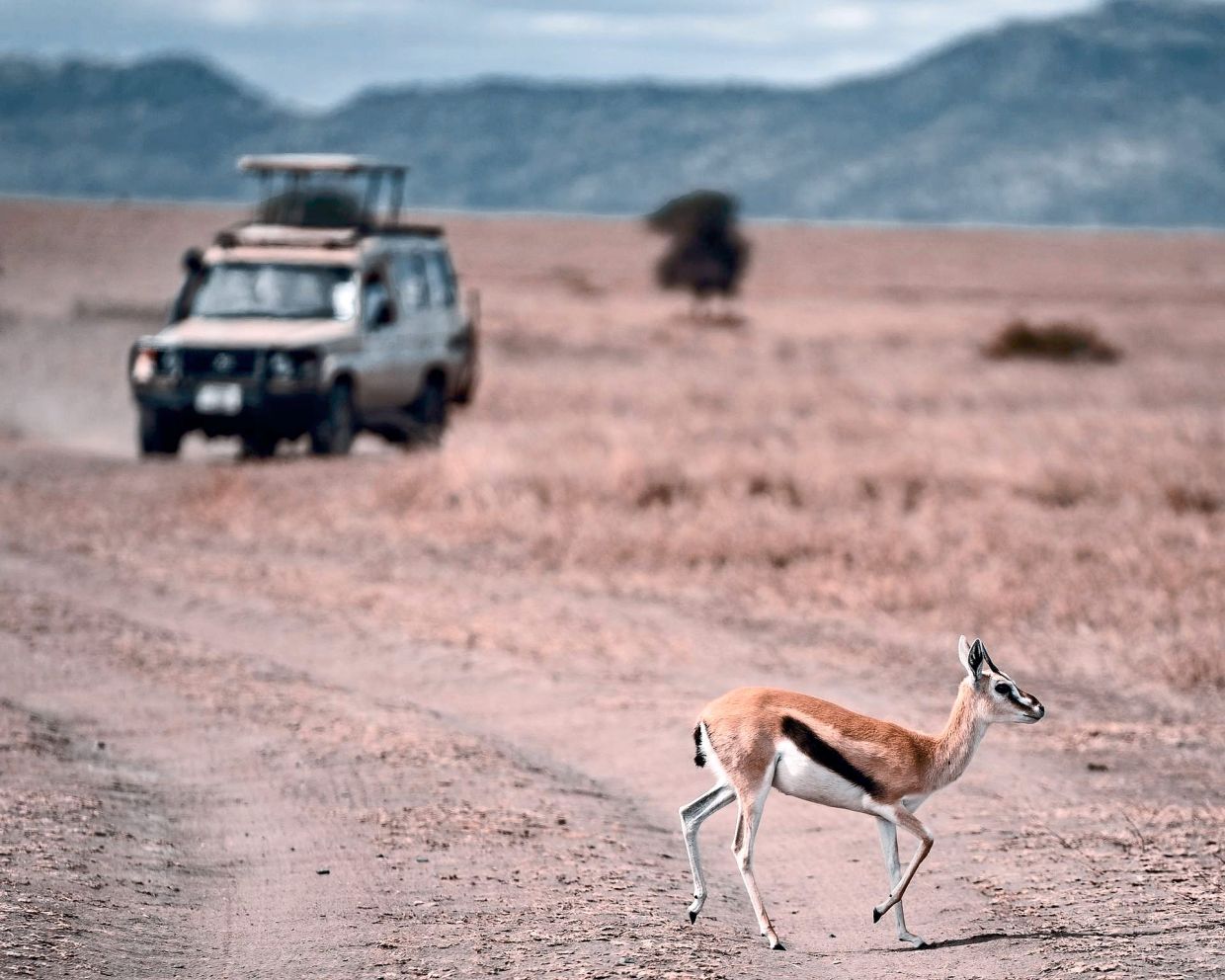
Most safaris involve sitting in open-topped vehicles observing wildlife.
“You are going to do much less walking in Africa than in Europe,” Cowie said. “In Africa, you plop in the jeep, and we take you around.”
For variety, many operators offer optional excursions such as tours on foot, bike or horseback.
Understand the weather
In the Southern Hemisphere, winter is from June to September, while summer is from December to March. More important in terms of wildlife viewing are the rainy and dry seasons, which vary by destination.
In East Africa, the rainiest season is generally March through May; in southern Africa, it’s December through March.
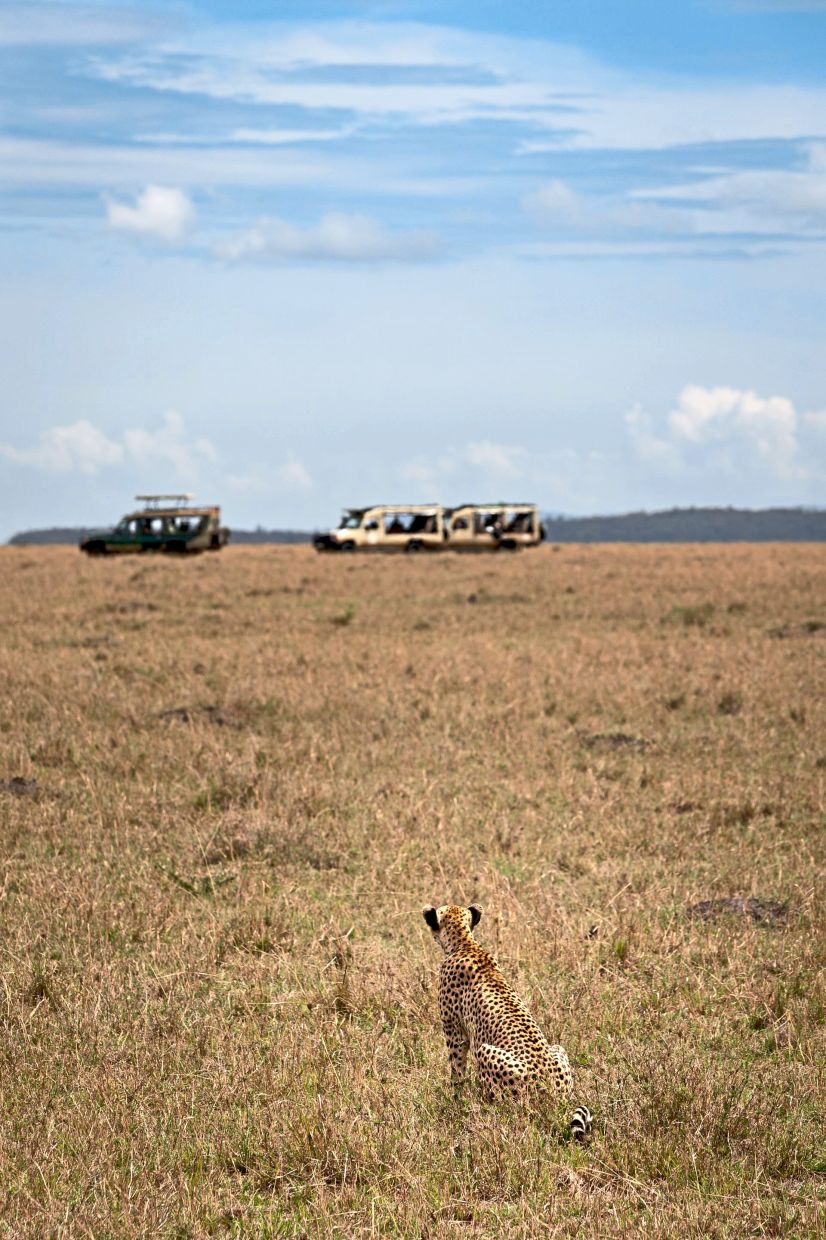
“In greener low seasons, grasses can grow taller, and cheetahs and leopards can hide in the grass and be harder to see,” Drummond said.
“Dry season has more wildlife visibility,” said Emily Cottingham, the regional director for East Africa at Natural Habitat Adventures, a nature-focused tour company. Green season, she added, provides “contrast in photos with the lush background”.
Travellers may see lower prices in green season.
When it comes to health concerns, it is important to do your own homework first.
Malaria is the primary disease to worry about in many locations; anti-malarial medication is recommended for places like Botswana, Kenya and Tanzania.
It is also recommended in Kruger National Park in South Africa, though there are other malaria-free safari regions in the country.
The Travellers’ Health website from the US Centres for Disease Control and Prevention offers advice by country.
Sustainable operator
By providing employment and funding for parks, safaris can promote conservation. To ensure that’s the case, look for environmentally-friendly operations that support sustainability and local communities.
“Look at who are they partnering with,” said Cottingham of Natural Habitat Adventures, which works with the conservation non-profit organisation World Wildlife Fund.
She also recommends ensuring providers are members of the national tourism board and groups like the African Travel & Tourism Association and the Adventure Travel Trade Association, which promote sustainable practices.
Companies claiming conservation credibility should have evidence to support their claims.
“Asking a few additional questions of the company you’re talking to is always an important part of the process,” Cottingham said.
Plan a year ahead
Travellers joining group trips can often find availability within months of departure. But if you’re planning to visit small luxury lodges, give yourself some runway.
“I recommend at least a year in advance,” said Tesa Totengco, the owner of Travels with Tesa, an agency based in New York City.
“A lot of lodges are small, with maybe 12 rooms, and they get filled pretty quickly.” – ELAINE GLUSAC/©2026 The New York Times
This article originally appeared in The New York Times.