My extended family travels to China quite often. Last March, I decided to join them on a road trip in northern Xinjiang.
This is a strategic location along the Silk Road, so one can anticipate plenty of cultural relics from that golden era imprinted in its diverse cuisine, fashion and architecture. To me, Xinjiang felt wild and rustic, compared to the bustling metropolises of Beijing and Guangzhou.
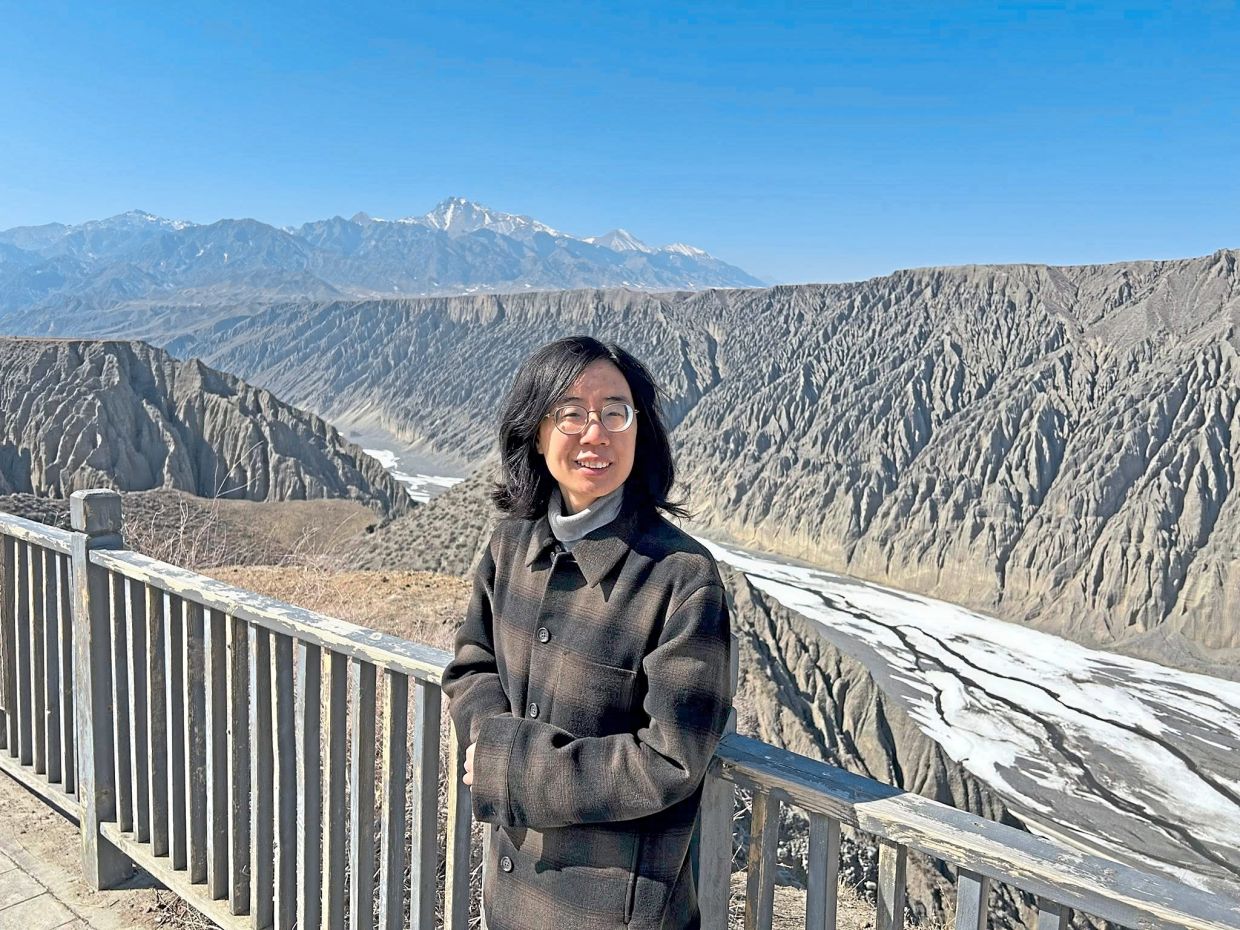
Our first destination was the Dushanzi Grand Canyon, often described as a “billion-year geological wonder”. It was an exhilarating experience “walking on air” on the Duku Glass Bridge, gazing at the wave-like terrains and the deep canyon floor below.
The Heavenly Lake of Tian Shan and Sayram Lake were two other natural pit stops. Sayram is a freshwater expanse known for its biodiversity such as the bobak marmot.
Both lakes lay frozen and silent, their surfaces sealed under thick ice ... yet the stillness had its own appeal.
Snow lay thick over the ground while frost glistened amid green pines. I enjoyed the tactile sensation of running the snow through my fingers and hearing it crunch beneath my feet.
Nalati Grasslands had scenic river valleys, vast meadows and distant glaciers to see along our way. Kazakh yurts dotted the landscape as quiet markers of nomadic life.
In peak season, the area comes alive with wildflowers and horseback rides.
Alas, during our visit, the wildflowers had yet to bloom and the snow was still too thick for riding. The landscape had teased us with the beginning of spring with the first few tentative patches of green.
With little else to do, we drifted into a small local shop for our first souvenir hunt.
There, I sampled Xinjiang’s camel milk candy. It melted in my mouth, yielding to a chewy, toffee-like sweetness that lingered longer than expected.
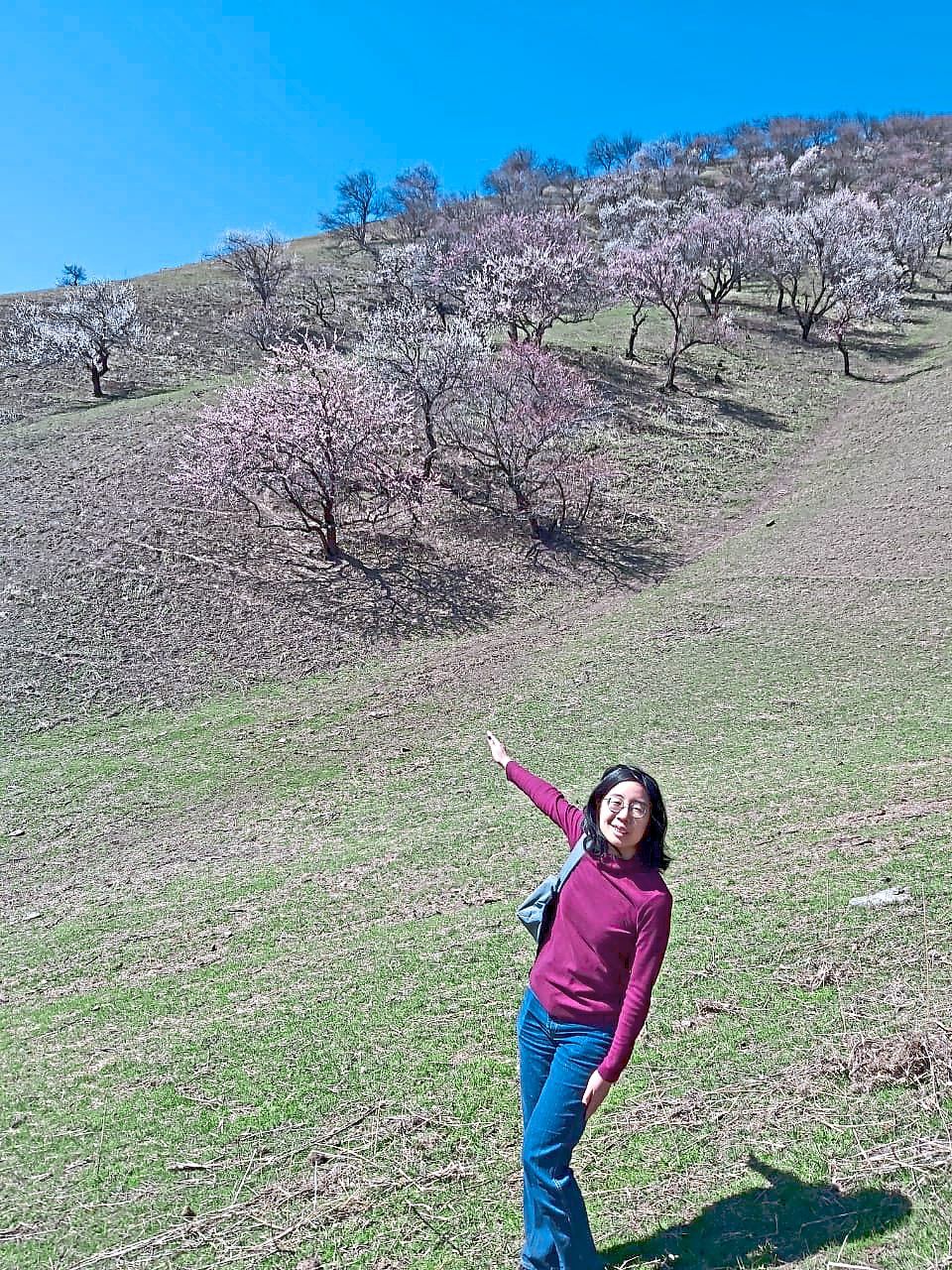
At the Turgen Apricot Valley, apricot blossoms had started to flower. With dreamy clusters of white and pink petals, my aunt and I couldn’t resist taking copious photos of the ephemeral blooms.
Some of us continued hiking further up the path, though we started questioning that decision soon after ... but then we saw numerous apricot trees at the top.
Having an unspoilt view to ourselves helped us forget how gruelling the climb was.
Our stop at the Khorgos Free Trade Zone was fleeting.
Beyond the novelty of standing at the edge of China and looking towards Kazakhstan, the area felt sparse and curiously staged.
The International Grand Bazaar in Urumqi was a shopper’s paradise for my mum and aunt.
It buzzed with life as customers from across Central Asia and beyond thronged its indoor and outdoor markets, lit by flashy neon signs.
Traditional musical instruments and Russian-inspired attire stood out among the many unique items for sale.
I remember us sharing a table with an Afghan family at a shop called Food Street, the moment defined by a quiet coexistence and a simple offer of naan to their children.
Food quickly became one of the highlights of the trip, with Uyghur and Kazakh influences blending seamlessly in all our meals.
Beef and lamb skewers were ubiquitous, rivalled only by the abundance of naan.
The aroma of freshly baked bread and smoked meat tempted us at every turn.
“Big plate chicken” (chicken and potato stew) was our daily dish. Laghman was another staple. The hand-pulled noodles arrived first, and we would pour the rich beef and capsicum stew over them ourselves, a small ritual that made the meal feel more communal.
We celebrated my uncle’s birthday there and we were served Uyghur-style beef ribs. It felt unexpectedly celebratory, the kind of simple moment that stays with you long after the trip.
After days of watching snow-capped mountains pass us by, it was time for a change of scenery and temperature.
The Turpan heat reminded us of Malaysian weather as we passed its blazing deserts. The Flaming Mountains live up to their name, as their trenches and red sandstone give them a flaming appearance.
These mountains are also famous for being part of the Monkey King’s pilgrimage in the classic tale, Journey To The West.
We admired the Turpan Karez irrigation system designed by the Uyghurs. This innovative network channels runoff water from the Tianshan mountains across an otherwise arid region for agriculture and drinking.
Hitting the road for long hours felt exhausting at times, but the quality time spent with relatives I rarely see made every minute worthwhile.
The rest of Xinjiang has plenty more cultural and historical sights to see. If only my back could endure more van rides.
The views expressed here are entirely the writer’s own.