“We're going to Ibiza!” Or are we?
If the “we” refers to influencers then the answer is a resounding “no”. Social media-dependent selfie-takers have been told by tourism officials on Spain’s Balearic Islands to make themselves scarce following complaints of overcrowding.
Reported by local and international media, the rebuff comes in the wake of the picturesque but secluded Calo des Moro being swamped with phone-waving holidaymakers apparently tripping over each other to gurn into the lens for selfies with the tiny Majorca cove as a backdrop.
While Calo des Moro can hold around 100 people at a time, it has been deluged by up to 4,000 visitors a day – leading in turn to anger among residents of the Balearic Islands, which include Menorca and Ibiza.
The rush of selfie-hunters came about after officials turned to social media influencers to try promote parts of the Balearics thought to be less popular and less visited than the beach resorts and nightclubs the islands are known for.
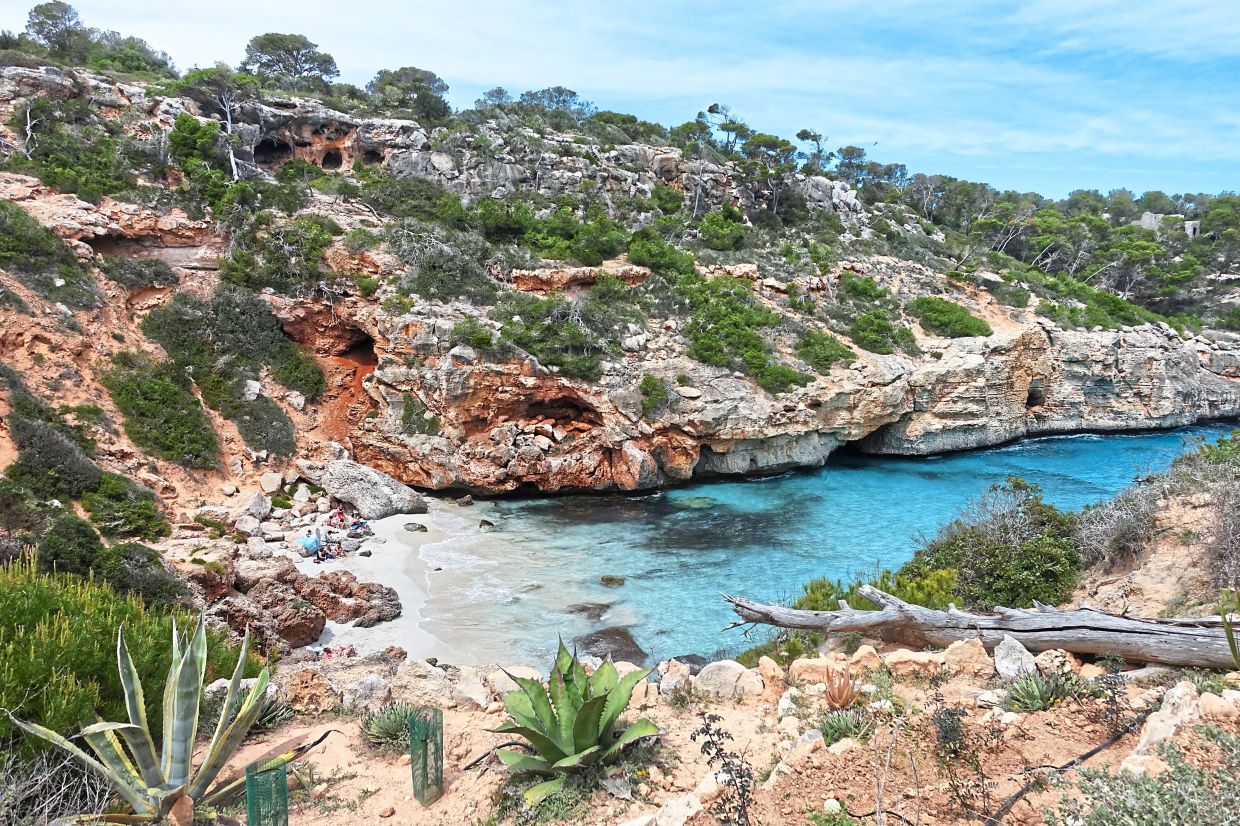
However, the move backfired after spots such as the Calo des Moro were overwhelmed, leading to Spain’s latest backlash against tourists.
Last year, residents of the Balearics protested against so-called overtourism on the islands, which are economically reliant on tourism.
Recent years have seen anti-tourism protests in places as far apart as Bali in Indonesia and Malaga in Spain, where city officials felt it necessary in September last year to tell scantily clad visitors to wear more clothes when ambling downtown.
A month earlier, a team of Australian scientists warned that “the hunt for the perfect selfie” has been causing “disruptions to the breeding and feeding patterns of animals and the trampling of endangered plant species”.
In work published in the journal Science Of The Total Environment, the team listed orchids, which selfie-takers appear to be particularly taken by, as vulnerable to the trend as they end up getting trampled and pulled. – dpa