VISITING six caves in a single day might sound daunting, but with the right preparation, you’ll encounter quartz crystal mounds, creatures adapted to life without light, 100,000-year-old pillars formed by stalactites meeting stalagmites, crystal-clear ponds, and more.
This extraordinary destination is Gunung Jebak Puyuh, or “Quail Trap Mountain,” a 240-million-year-old limestone hill standing 340m tall.
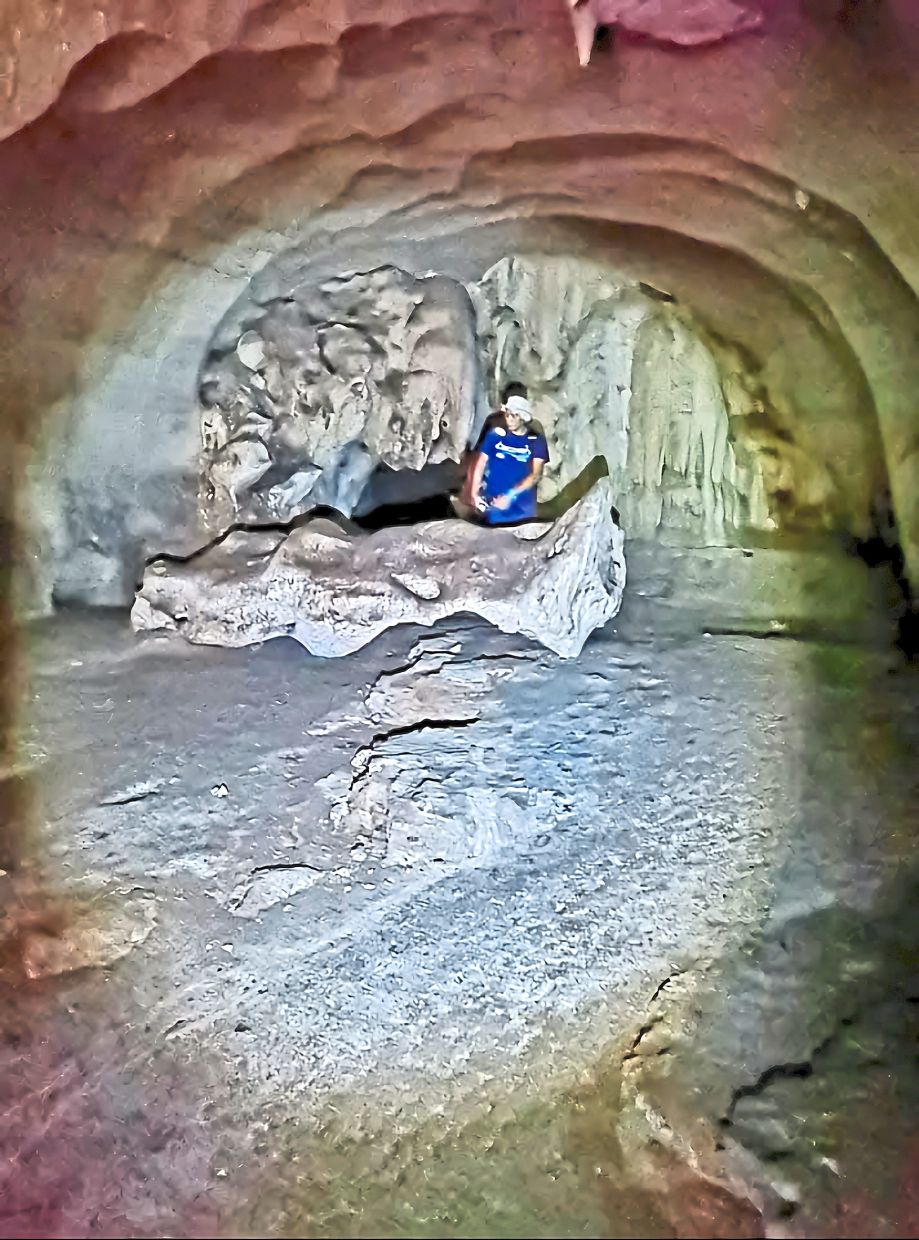
About 20,000 years ago, relentless torrential rain carved this complex network of caves into the limestone. Look up at the ceilings, and you’ll spot erosion patterns resembling water ripples – evidence that these caves were once subterranean rivers.
Located within the Gunung Senyum Recreational Forest, north of Temerloh in Pahang, the caves are a highlight for adventurous visitors.
Recreational trip manager Kapt (Civil Defence) Nurul Ashikin Mohd Anuar explains that the six caves – Gua Rangkak, Gua Kapal, Gua Terowong, Gua Mayat, Gua Straw, and Gua Ular – are steeped in history and mystery.
“The names were given by the orang asli generations ago, so their origins remain unknown,” she says.
Gua Ular, for instance, was once teeming with snakes and frogs.
While sightings are rare today, Kapt Nurul Ashikin recalls spotting three snakes last year.
“They’re so accustomed to darkness that they flee as soon as I shine my torch on them,” she says, adding that she could not tell what species they were.
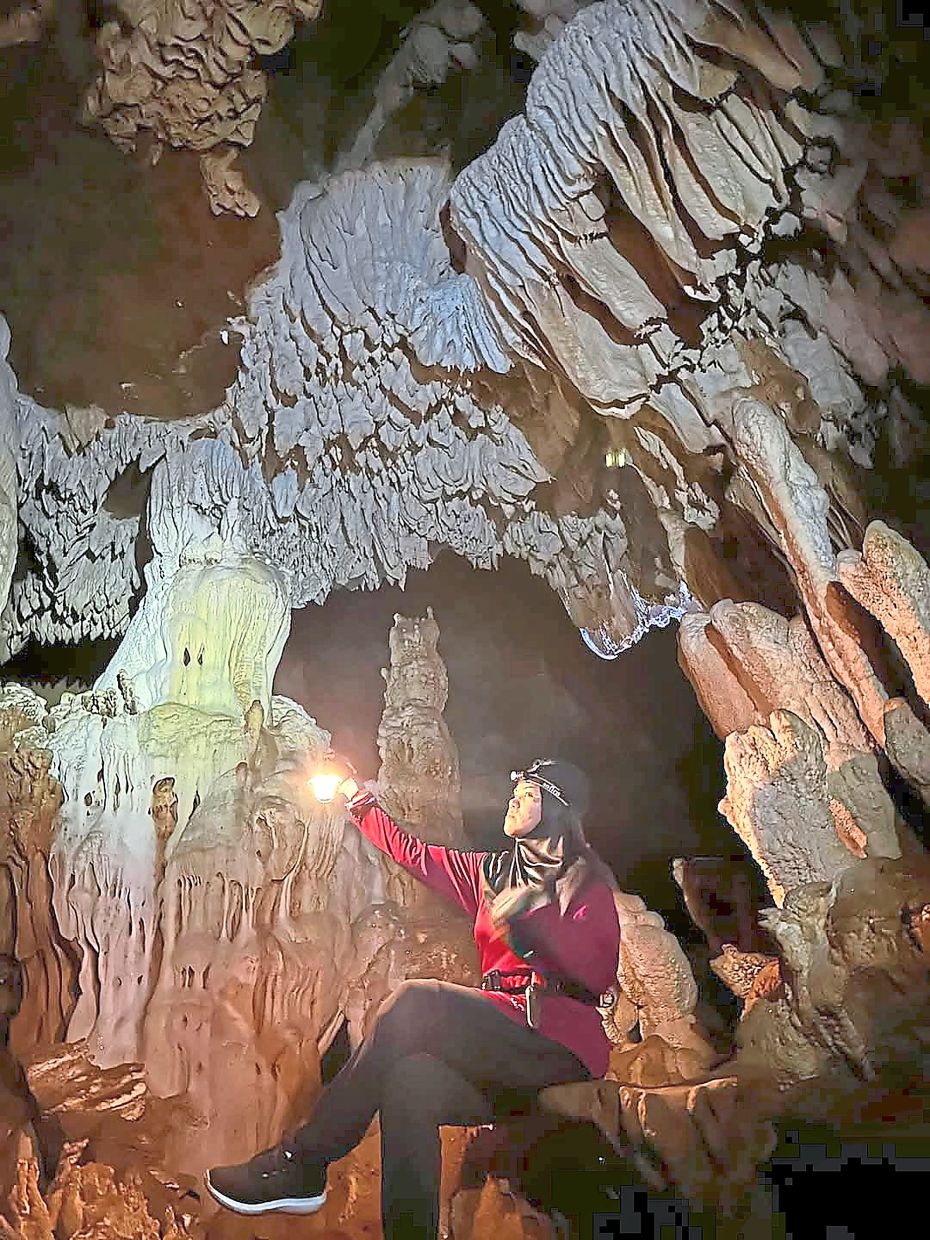
One must-have tool for exploring is an ultraviolet torch, especially for Gua Straw, where quartz crystals glow under black light.
Many insects and arthropods also glow in fascinating hues when exposed to UV light, she adds.
Regular visitors often bring torches with colour filters to create stunning visual effects on the cave walls for memorable photographs.
Take note, however, that the caves are really dark, so Kapt Nurul Ashikin advises bringing torches or headlamps with at least 1,000 lumens and a good camera or smartphone equipped with night mode for the best results.
She says some of the caves were homes to humans during the Mesolithic Period around 12,000 years ago and they bear traces of chiselling, clearing and shaping, although artefacts left behind, if any, are long gone.
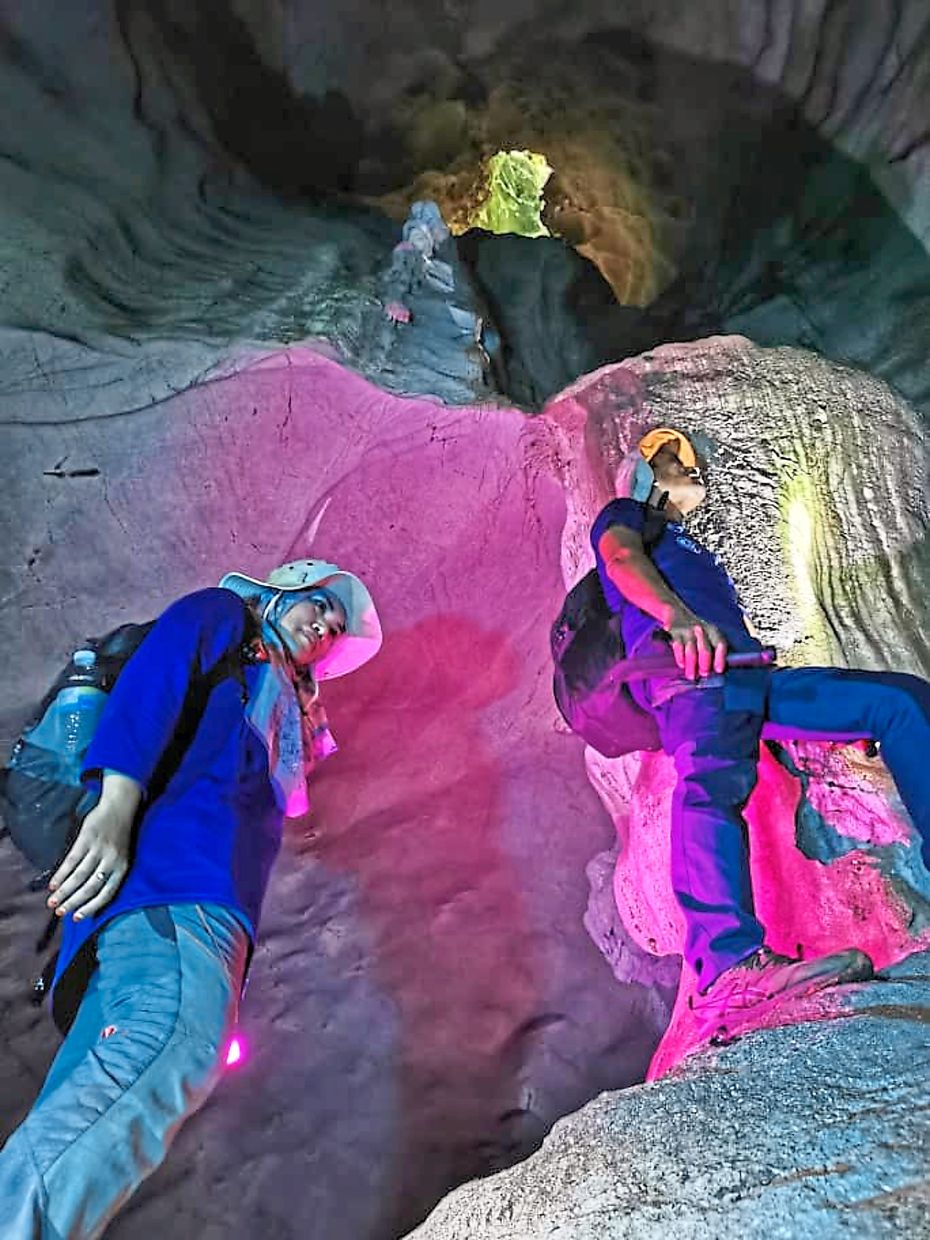
Some caves, like Gua Rangkak, require physical agility. Its entrance is a narrow slit that explorers must belly crawl through for about 4m before reaching the expansive interior.
The caves also host unique wildlife. Whip spiders, with their spindly legs, thrive in the total darkness, relying on sensory receptors on their legs to navigate their subterranean homes.
In Gua Kapal, you’ll find a crystal-clear pond, while the jungle outside features Kolam Biru, a turquoise-blue pond created by dissolved limestone minerals.
“It’s full of little fish, and some visitors bring food to feed them,” says Kapt Nurul Ashikin, who is also an officer with the Bera Civil Defence Force.
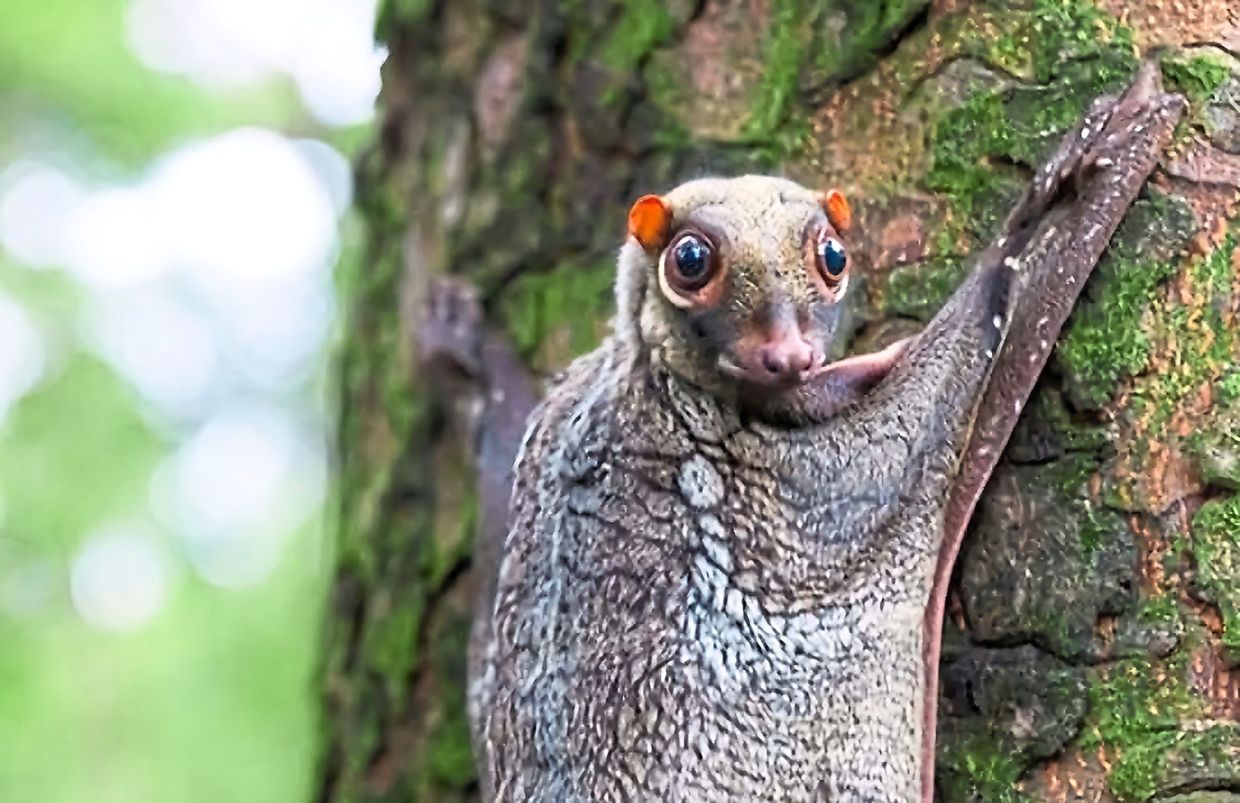
The trail between the caves is alive with flying lemurs, mouse deer, orchids and strange mushrooms.
However, hikers should be prepared for mosquito bites and land leeches.
“Certain leaves can be applied to leech bites to stop bleeding,” she advises.
Forestry Department rangers have carved out steps and installed ropes for steep sections, but tackling all six caves in one day demands physical fitness and mental resilience.
“It’s a great goal for anyone wanting to get in shape,” says Kapt Nurul Ashikin.
To explore the caves, you’ll need a licensed guide to arrange hiking permits and insurance.
“Contact your guide a few weeks in advance for advice on preparation and equipment,” she says.
For enquiries, contact the recreational forest at 017-448 5886.