The smartest thing in your wardrobe might be something pre-loved.
As the cost of keeping up with fashion rises, second-hand shopping offers a more frugal route to personal style – one where dressing well doesn’t necessarily mean buying new.
The desire to belong is an innate drive for us all. As social creatures, “looking the part” is one of the fastest physical identifiers that tells the room this: we fit in.
This is where fast-moving trends enter the conversation. It offers a shortcut into subcultures that individuals may wish to associate with.
But with it come the ruinous consumption habits that drive the world further into the climate crisis.
According to CNN, the world produces 92 million tonnes of textile waste per annum, much of which stems from fast fashion remnants and arrives at the doors of low-income countries in the Global South.
Though the statistic can seem like a Sisyphean challenge, every responsible decision counts.
Today, there’s already a marked openness towards shopping for pre-loved clothing and accessories within Malaysia, not only out of necessity, but also out of pure interest.
Read more: Fashion's 'green' efforts go to waste if shoppers still overbuy, says report
The chaos is the point
There is no denying that the main attraction for second-hand shopping is its budget-friendliness.
Even as the second-hand community laments its rising prices, buying from thrift stores and consignment shops is still easier on the wallet compared to retail.
So what does one do when there’s a sea of potential treasures and a very low entry point?
Sarah Sabrina, a student, shares her experience. The caveats that come with shopping pre-loved goods is that they must be checked.
“One of the challenges I’ve encountered while thrifting is ensuring that the item I like is in good condition.”
“And making sure I am not being scammed by the seller,” she says.
But there’s a way around these issues for online shopping: “I always ask for clarification from the seller and ask for pictures and videos of the goods.”
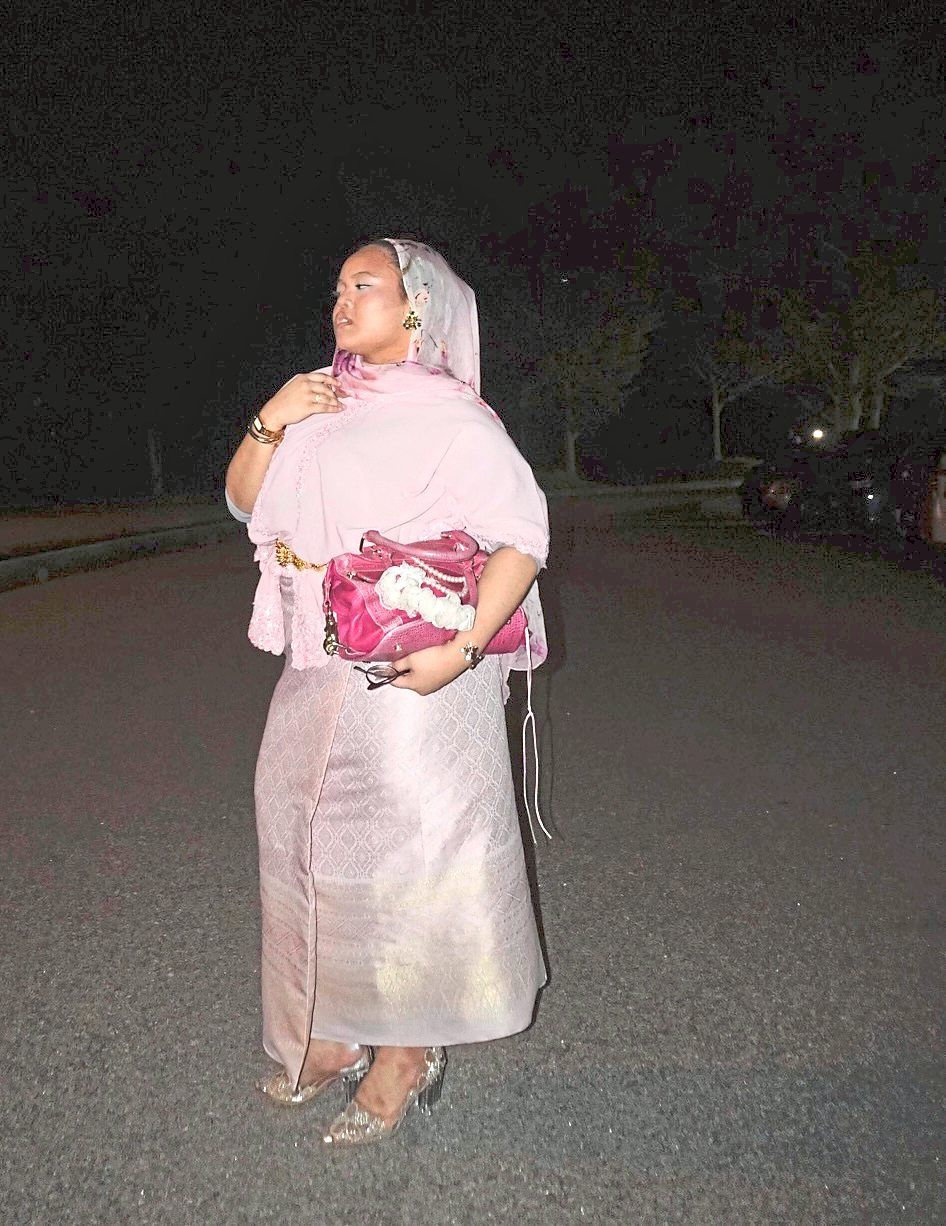
On the business end, Emma Khoo of curated secondhand store Looop highlights what life looks like on the other side.
“So much labour goes into just managing second-hand clothes. That labour alone makes me ask myself more questions before buying something,” she says.
The life of the articles of clothing doesn’t end when we discard them from our wardrobes.
Instead, according to Khoo, it becomes “a mountain of clothes somebody else is dealing with on your behalf.”
“The greatest irony, I found, is that thrifting can encourage overconsumption just as easily as fast fashion,” notes Lorraine Chai, who made the shift to frequent secondhand stores almost eight years ago.
Sharing about her earlier years on this journey, Chai candidly tells how she used to purchase well beyond her needs because of the accessible pricing. To her, this defeats the purpose.
“So I set myself a limit: 10 purchases a year.”
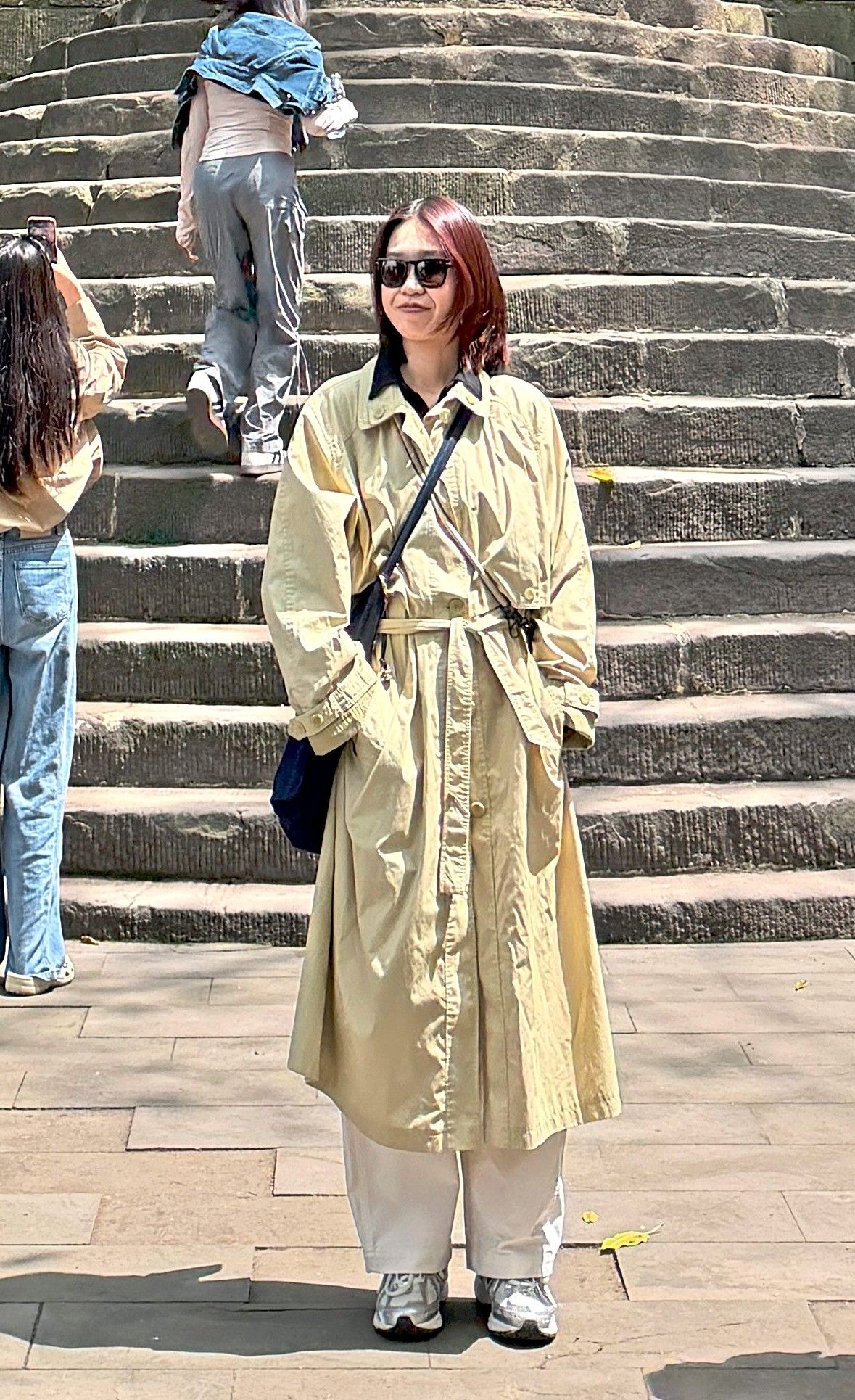
She introduced this hard line in the sand in order to curb overconsumption.
“It took years of practice and no small amount of self-discipline to honour that boundary, but it has made each purchase more deliberate,” she says.
Though there is an abundance of options and so many opportunities to reach beyond what we need, these thoughtful considerations – like pausing and reasoning – are some of the ways that we can keep this circular approach sustainable.
Shape your taste
Another key aspect of this practice is to truly zero in on your style preferences.
This is where we may need to step away from falling for every single trend that surfaces. But according to Chai, trends and anti-trends are ultimately rooted in the same mindset.
“People are still consuming with the algorithm in mind, which feels just as reactive. It’s not entirely bad – especially for newbies – but in the long run, it risks eroding personal identity,” Chai points out.
As a teen, she wore only black and white. But shopping secondhand has forced her to get creative with her outfits.
“Over time, I realised that wearing colour is far less intimidating than I once imagined. You sift through what actually exists, and you learn to trust your own eyes,” she adds.
Now, she goes for items that she will genuinely wear on the daily and not for an imagined future or special occasion.
On the other hand, Sabrina relies on her eclectic taste, a quality that she has always known about herself.
“Today’s designs are plain, black, white and beige. The nice ones are way too expensive,” Sabrina starts, describing the current market. “I love pieces with patterns and colours, and it’s very hard to find them nowadays.”
“Secondhand shopping gives me more options rather than regular stores. It’s much more affordable – you just need to have a good eye,” she explains.
Read more: The vintage fashion boom is even making its way into children’s wardrobes
Be a responsible participant
Does this mean we cannot participate in trends? Not necessarily.
“I understand the appeal. For someone just beginning to find their footing in fashion, micro-trends can act as a helpful guide,” Chai says.
“But I truly believe in ‘buy less, choose well and make it last’.” She points out the importance of spotting the types of fabric, cuts or patterns, sewing techniques and care labels, to critically consider them when making a purchase.
Khoo echoes this notion: “Maybe buy one item that can go with your existing collection. Maybe buy it secondhand. Better still, look in your mum’s wardrobe.”
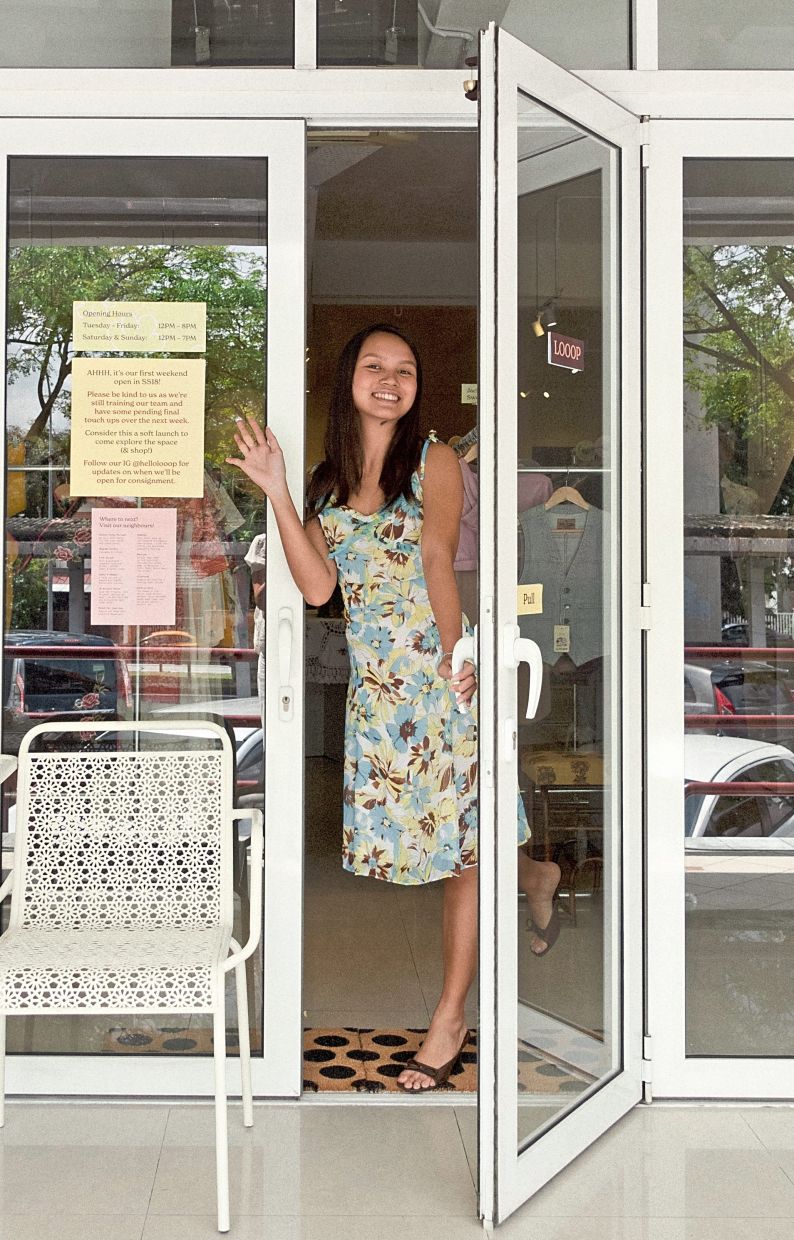
She notes that we should all find ways to extend the life of the clothing we have and not give up on it at the first sign of damage.
“The local laundromat can help with slight discolouration. The cobbler will fix the sole of your shoe for just RM10. And if you’ve lost weight and find that your clothes no longer fit the same way? Find a tailor,” she advises.
For Sabrina, things are much simpler. “Don’t be afraid of repeating an outfit,” she starts. “Because really, who cares? I would encourage people to find themselves and embrace it.”