
The FIFA World Cup may have ended last week with Spain lifting the trophy, but another winner emerged away from the pitch – men’s fashion.
Throughout the tournament, footballers from around the world stepped out in increasingly polished off-duty looks, transforming arrival halls, training grounds and stadium corridors into unofficial style showcases.
It is not an entirely new phenomenon, though.
For years, footballers have shared their passion for fashion on social media. It is simply that much of the fashion industry has not been paying close attention.
Read more: Can football jersey tour looks from BTS elevate blokecore in K-fashion?
Among the clearest signs of this evolution is the rise of the luxury bag as a footballer’s accessory of choice.
These are not merely sports holdalls with a premium finish.
Instead, players are gravitating towards some of the world’s most coveted designs, carrying pieces that would not look out of place at a fashion week.
Norway’s Erling Haaland has become one of the movement’s most visible proponents.
The striker has attracted attention for his extensive collection of luxury bags, having been spotted with everything from the Hermes HAC travel bag and the Louis Vuitton 50B Landscape Keepall to a Chanel Metiers D’Art suitcase and a Tom Ford T-clasp leather portfolio.
On his return to Norway from the US after his final World Cup match this month, Haaland carried a Dolce & Gabbana Sicily tote – a design unveiled only last month at the brand’s Spring/Summer 2027 Milan Fashion Week runway show.
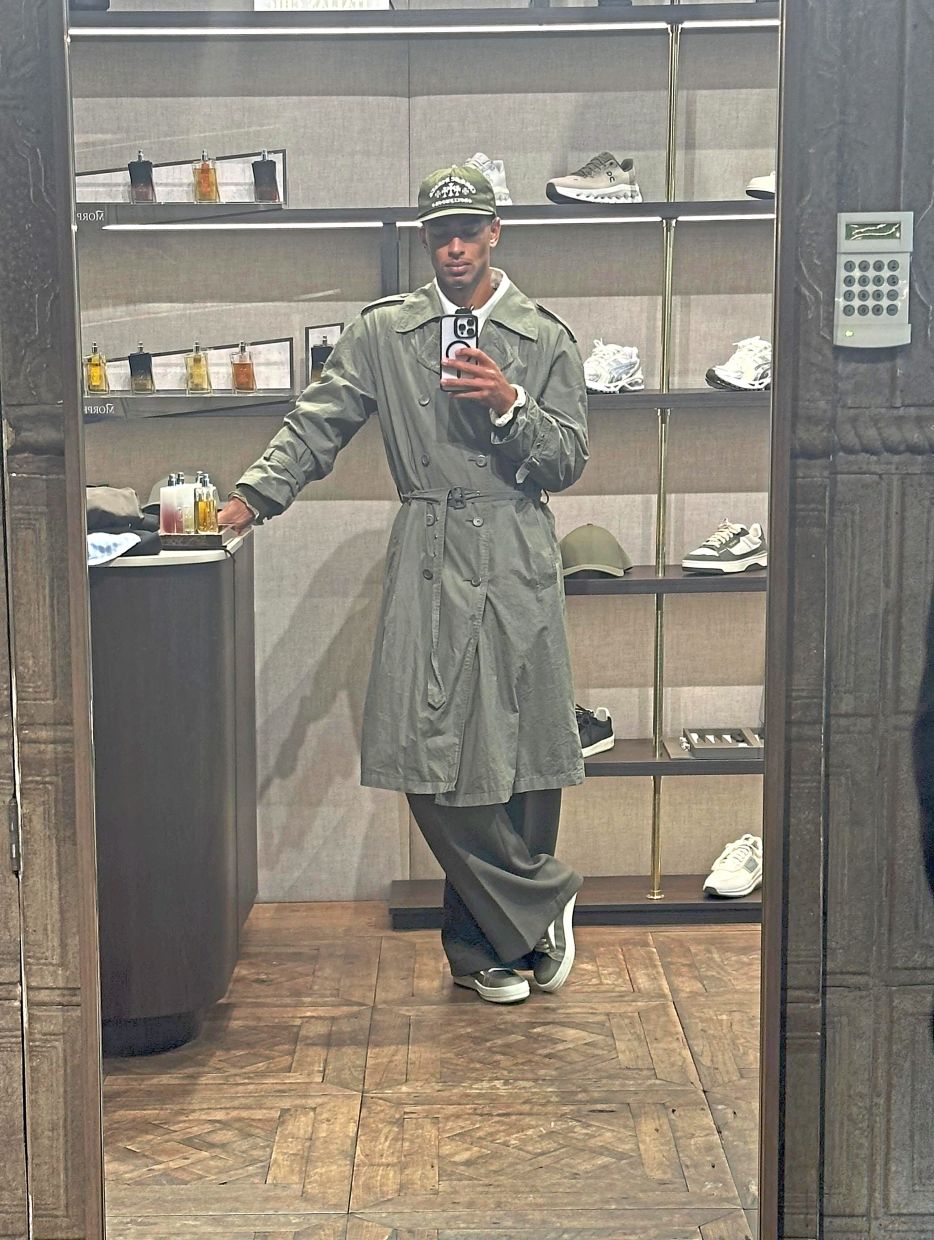
Kylian Mbappe is equally enthusiastic about luxury bags.
The French star was spotted carrying a Dior Normandie tote upon arriving for training in Normandy last November.
He also owns a Louis Vuitton Keepall, a product of the fashion house’s partnership with Real Madrid CF, the La Liga club he represents.
What is particularly notable is that neither Mbappe nor Haaland relies on a luxury bag alone to elevate an outfit.
Both are known for their considered approach to dressing, frequently pairing their accessories with fashion-forward ensembles rather than the standard combination of a football jersey and shorts.
They are also not alone in this fashion and football player crossover.
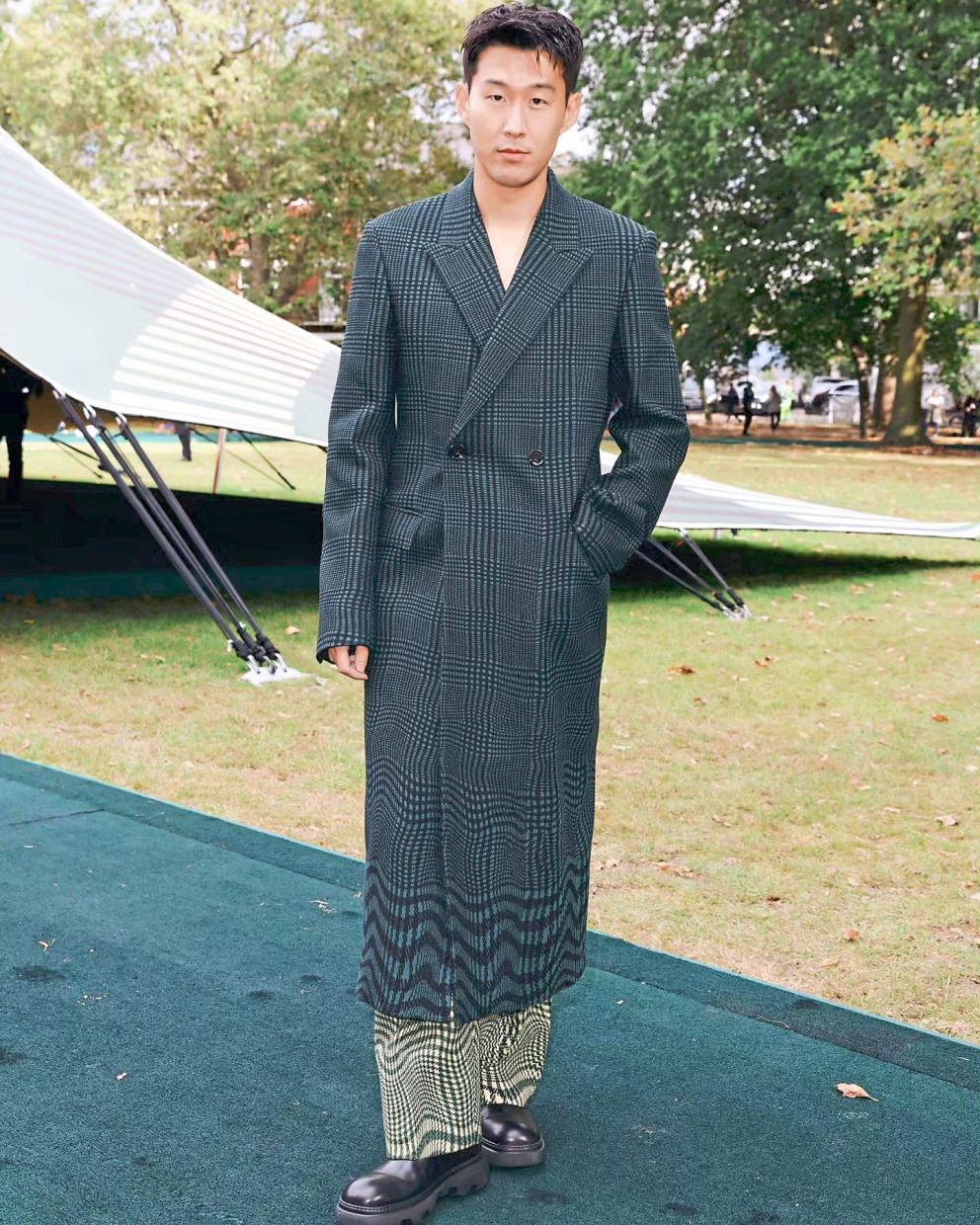
Footballers such as Jules Kounde, Jude Bellingham and Son Heung-min have all developed reputations for their personal style, with their outfits in public often attracting as much attention as their performances on the pitch.
Former footballer David Beckham, however, has expressed his dislike for players who prioritise posting outfits on social media.
In a podcast interview last year, Beckham revealed that he made it clear to his Inter Miami CF players (he co-owns the team) that he did not want to see fashion runways or outfit posts online if they were losing matches.
Yet Beckham himself remains one of football’s earliest fashion figures.
During the early 2000s, he became a global style icon, helping popularise the term “metrosexual” – referring to men who take a strong interest in grooming, fashion and personal presentation.
Back then, Beckham stood out as an exception. Today, he represents the beginning of a broader shift.
Other sports, including basketball and tennis, have long seen athletes become fashion figures, from runway appearances to luxury brand collaborations.
Read more: From stadiums to street style, football fashion is currently scoring big
Football, despite its enormous global reach, has perhaps taken longer to receive the same recognition.
For years, its relationship with fashion was largely defined by occasional player endorsements and ambassador roles rather than a broader influence.
Part of the reason may be the sport’s deep-rooted culture of tradition.
Football has historically celebrated team identity over individual expression, unlike tennis. As for basketball, its fashion relevance has been closely tied to street culture.
Even the “blokecore” trend – which has largely centred on sportswear staples such as football jerseys, has been more about sporty looks rather than elevated, fashion-forward dressing.
But that is changing. The rise of social media has given footballers a new platform to shape their identities beyond the game.
The modern football star is no longer just an athlete in this sense. Increasingly, he is also a style enthusiast, proving that the runway and the football pitch may not be as far apart as once thought.
If fashion has not been paying attention to footballers before, it certainly is now.